White Label Link Building: A Strategic Guide for Marketing Agencies

TL;DR
- ✓ Pivot from resource-heavy in-house outreach to high-margin white label link building strategies.
- ✓ Replace manual labor with scalable execution engines to reclaim time for high-level consulting.
- ✓ Prioritize authority and digital PR over commodity-based link building to ensure client results.
- ✓ Eliminate the operational overhead of hiring and training specialized link building teams.
White-label link building isn't a shortcut. It’s an operational pivot. You’re moving from the grind of resource-heavy execution to a high-margin strategy that actually moves the needle. For a modern agency, the choice is binary: either you sink your capital into a massive, headache-inducing in-house outreach team, or you plug into an execution engine that acts as an invisible, high-octane extension of your brand.
By outsourcing the heavy lifting of link acquisition, you stop burning your best people on manual labor. You reclaim the time needed for high-level consulting and client retention. Most importantly, you ensure your SEO deliverables remain defensible, scalable, and—above all—effective.
The Evolution of Agency Link Building
Let’s be honest: the "volume" era of SEO is dead. In 2026, nobody cares about your bulk guest posting or those sad, dusty directory submissions. Today’s search environment demands authority, context, and a pulse. The industry is effectively split down the middle. On one side, you have the commodity hawkers selling "link-shaped confetti" from low-rent marketplaces. On the other, you have the strategists treating links as the backbone of a sophisticated Digital PR machine.
The old marketplace model is failing because it’s fundamentally at odds with how search engines actually work. When you treat links like a commodity, you’re gambling with your client’s domain authority. The future of the agency-client relationship is defined by the "Consultant vs. Commodity" divide. If you’re selling links as a standalone product, you’re in a race to the bottom on price. If you’re selling authority, growth, and visibility, you’re a partner. White-label partnerships allow you to bridge that gap, scaling your output without the crushing overhead of hiring, training, and babysitting a department of outreach specialists.
Why SEO Professionals are Outsourcing Execution
The math of an in-house link-building team is brutal. Salaries, specialized training, and a bloated stack of SEO software can swallow your margins before you even land a single placement. According to recent Ahrefs SEO Statistics 2026, the correlation between quality backlinks and competitive keyword rankings is undeniable. But building that quality in-house? It requires far more than just a few juniors firing off templates.
Roughly 56% of SEO professionals have already moved to an outsourcing model. Why? Because the opportunity cost is too high. When your senior strategists spend their afternoons chasing down guest post contributors, they aren't performing technical audits or crafting content strategies. They aren't deepening client relationships. Outsourcing isn't just about saving on labor; it’s about buying access to high-authority relationships that would take you years to cultivate on your own. You’re not just saving money; you’re buying back the time required to actually grow your agency.
Designing a Defensible Strategy for 2026
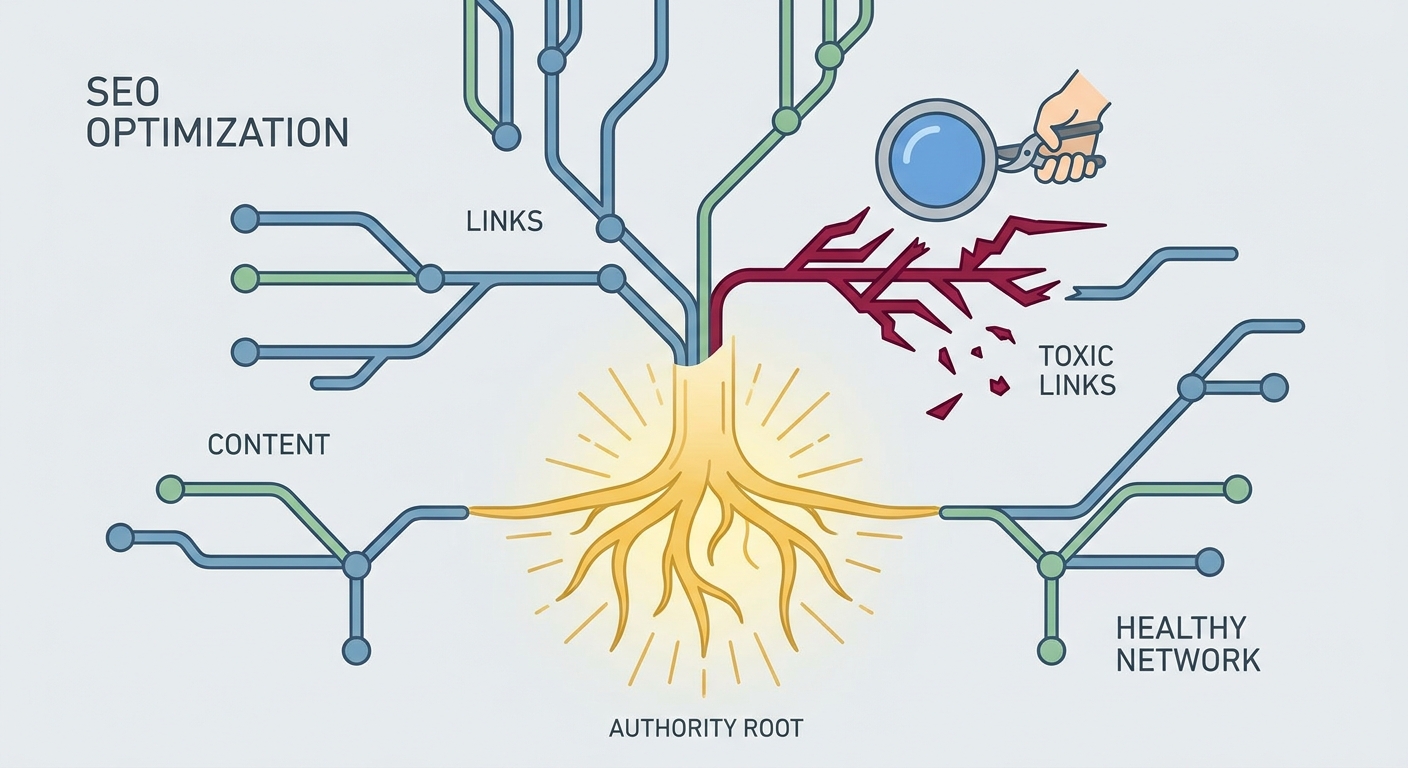
If you want to survive the next algorithm update, stop buying from link farms. Move toward editorial placements. Google’s stance on Google's Link Spam Policies is crystal clear: if a link is designed to manipulate rankings rather than provide value, it’s a liability.
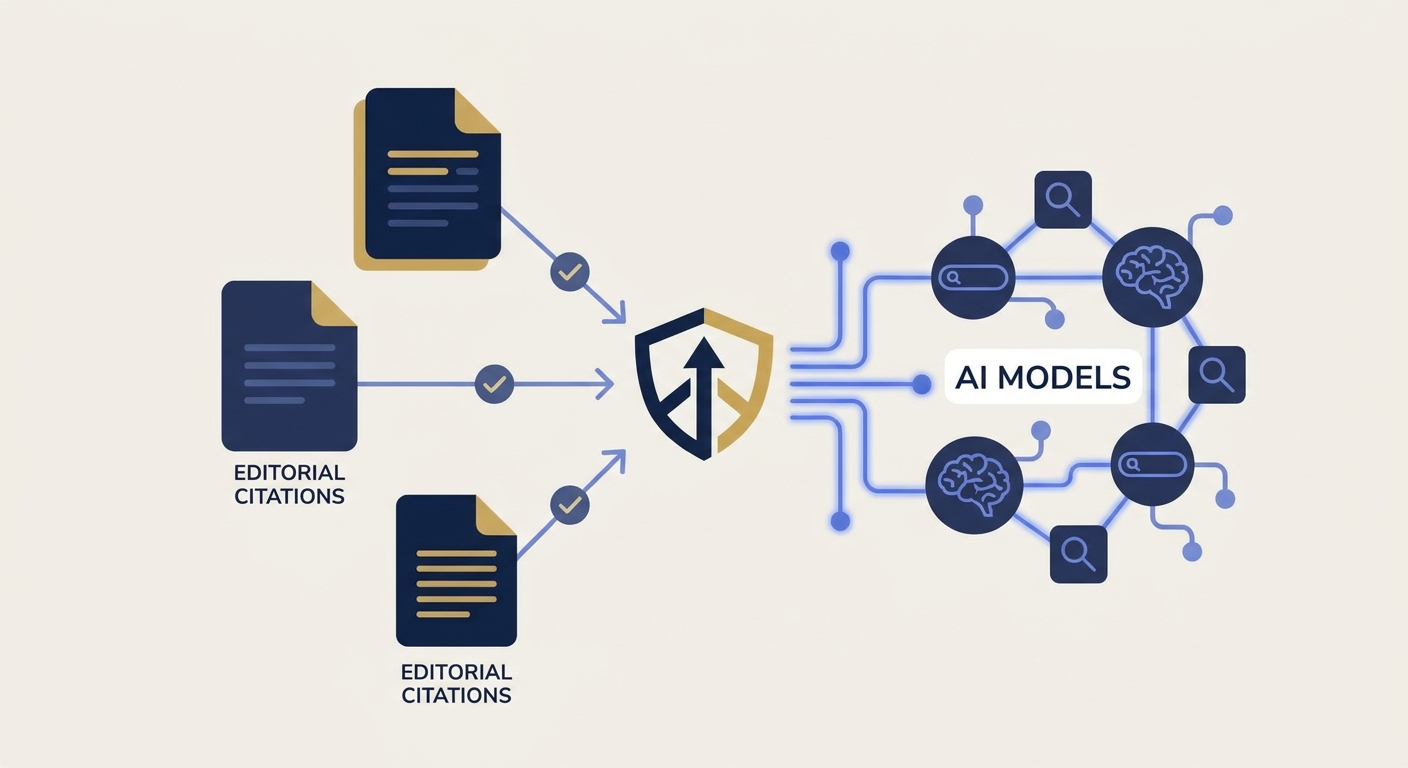
A defensible strategy in 2026 looks like organic growth. It prioritizes editorial provenance—placements on sites that have actual traffic, real audiences, and editorial standards that matter. This approach satisfies both the traditional search engines and the new wave of AI answer engines that prioritize trusted, authoritative sources. When vetting a white-label partner, your primary question shouldn't be "how many links can you get me?" It should be, "how do you ensure these placements are editorial and safe?" If they can’t explain their vetting process, they are a risk you cannot afford to take.
How the White Label Workflow Actually Functions
The most successful agency partnerships operate with a seamless, unbranded flow. The goal is to keep the client focused on your agency brand while the partner handles the heavy lifting in the background.
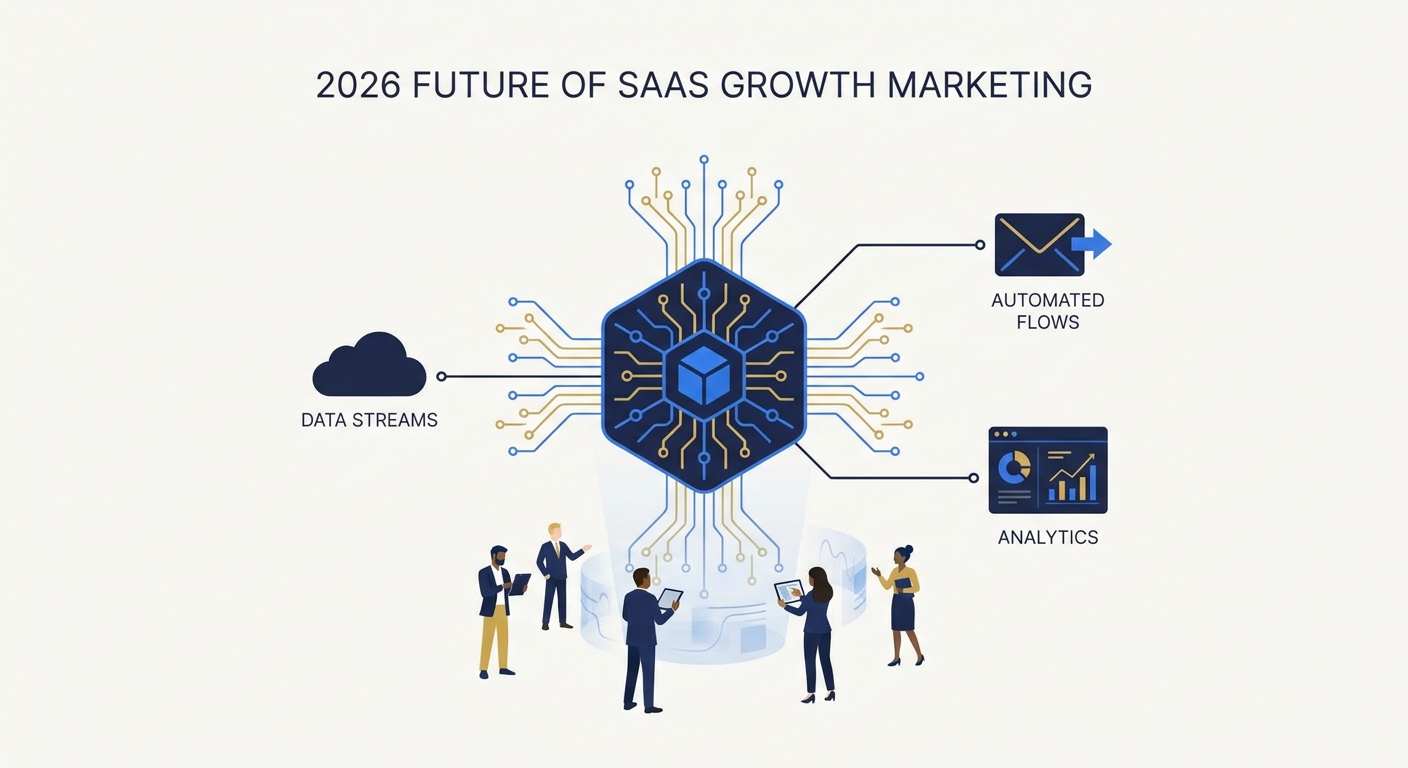
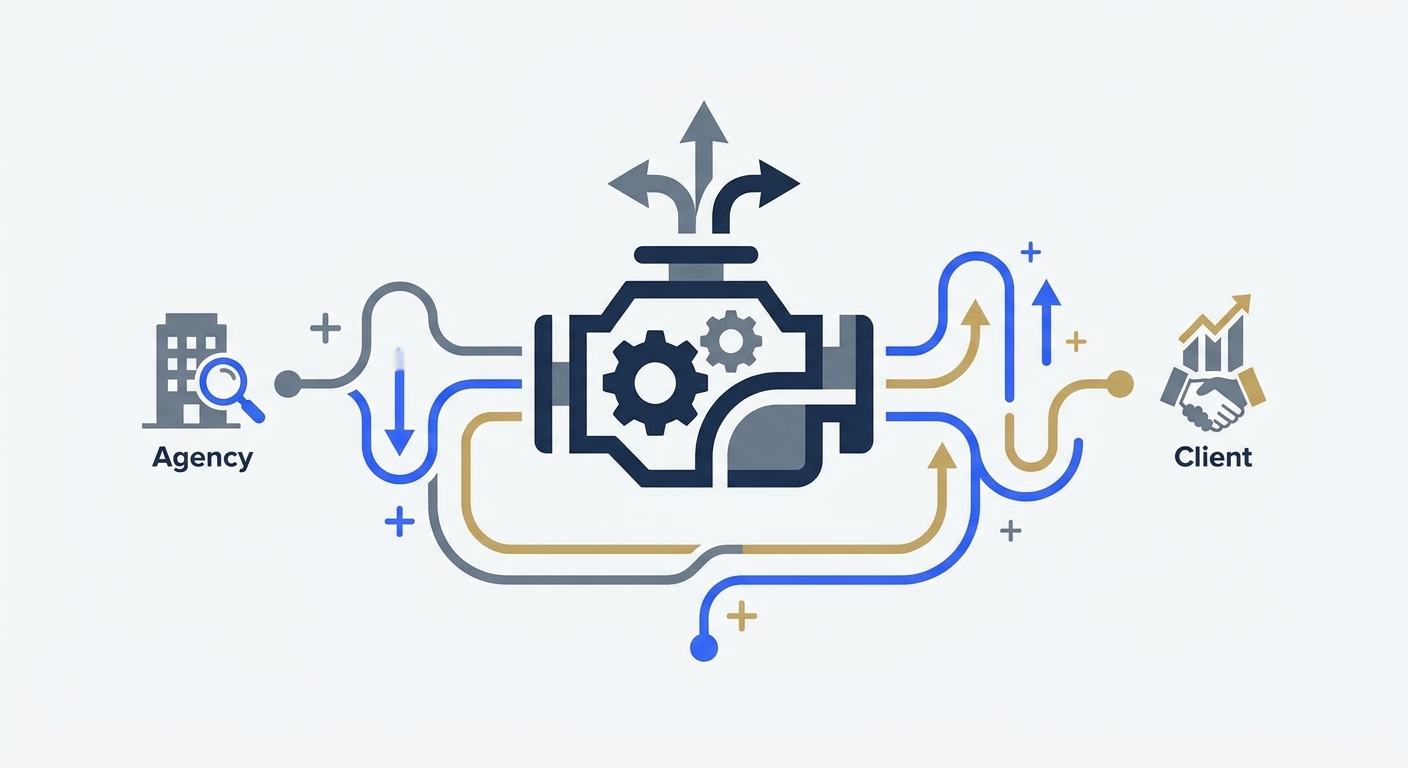
This workflow ensures your agency remains the single point of contact. The partner acts as your "execution engine," taking your briefs and turning them into high-authority placements that you then vet through your own internal quality control before presenting them to the client in a clean, professional, unbranded report.
Choosing the Right Delivery Model
Not all agencies are at the same stage of maturity. You need to pick the model that actually fits your workflow.
- Fully Managed: The "hands-off" approach. Ideal for agencies that want to focus entirely on consulting and high-level strategy. The partner handles everything—strategy, prospecting, content, and placement. If you want to scale SEO revenue without adding a single headcount, this is your path.
- Hybrid: A strategy-led collaboration. Your agency provides the briefs and keywords; the partner executes the outreach based on those constraints. This is perfect for agencies that have a strong internal SEO lead but lack the bandwidth for the daily grind. We often see agencies pair this approach with our own SEO Consulting Services to ensure the strategy is rock-solid before execution begins.
- Self-Service: Be wary. While it looks cheaper, it’s often a trap. Marketplace links are usually "link-shaped confetti"—low-quality, irrelevant, and potentially harmful. Avoid this if you care about long-term client retention.
Vetting Partners Without Getting Burned
The "Red Flag" test is your best defense. If a potential partner asks for your budget before asking for your client’s business goals, run. A real partner wants to know about your target audience, your client’s unique value proposition, and the specific search intent you’re chasing.
Look for transparency in reporting. Can they prove the provenance of their links? Do they understand the difference between a high-authority editorial mention and a paid guest post on a site with zero traffic? If they can’t provide a clear, defensible rationale for every single placement, they’re selling you a liability. A great white-label partner works within your branding, providing reports you can hand directly to your client without changing a single word.
Maximizing Margins and Client Retention
The standard 2x markup is the industry benchmark for a reason—it balances competitive pricing with your need for profit. But the true value of white-label services is realized when you bundle them into a comprehensive monthly retainer.
Stop selling "link building" as a line item. Start selling "authority growth." By wrapping your execution into a broader package that includes content, technical SEO, and reporting, you shift the conversation away from the price of a link and toward the value of the outcome. We’ve documented this in our Case Studies of Growth, where agencies successfully doubled their MRR by moving from a commodity model to a performance-based retainer.
Digital PR as the New Standard
The industry has moved beyond the guest post. The new standard is Digital PR—a data-driven approach that focuses on creating assets people want to link to. Whether it’s original research, interactive tools, or data-heavy reports, you’re earning editorial links from top-tier publications.
This isn't just about SEO; it’s about brand building. As noted in recent analysis on Digital PR vs. Traditional Link Building, the shift toward editorial-style links is the only path to a brand that’s actually resilient against algorithm changes. When you use a white-label partner that specializes in Digital PR, you’re providing your clients with a level of authority their competitors simply can't touch.
Frequently Asked Questions
Will my clients know I'm outsourcing their link building?
No. A true white-label partner is an invisible extension of your team. They provide unbranded reporting and, in many cases, use your agency's domain for communication. The client relationship remains yours, protected and private.
How do I calculate the ROI of white-label link building?
Compare the wholesale cost of the service against the increase in monthly recurring revenue (MRR) you can charge for comprehensive SEO retainers. Factor in the massive reduction in your own internal overhead—no training, no software subscriptions, and no extra hiring.
What is the biggest red flag when choosing a link-building partner?
The biggest red flag is a partner who asks, "How many links do you want?" instead of "What are your client's business goals and target audience?" The former is a commodity seller; the latter is a strategic partner who understands that links are a means to an end, not the end itself.
How does white-label link building fit into my existing SEO strategy?
It functions as your "execution engine." Your internal team focuses on technical audits, strategy, and client communication—the high-value tasks that require deep business context. The partner manages the labor-intensive, time-consuming outreach process.