The 2026 Roadmap for SaaS Growth Marketing: Integrating Digital Marketing Automation

TL;DR
- ✓ Transition from manual funnels to autonomous Agentic AI growth engines.
- ✓ Replace keyword stuffing with Answer Engine Optimization for generative search visibility.
- ✓ Unify data silos to move from lead generation to precise revenue attribution.
- ✓ Align content strategy with E-E-A-T to become a primary AI-cited authority.
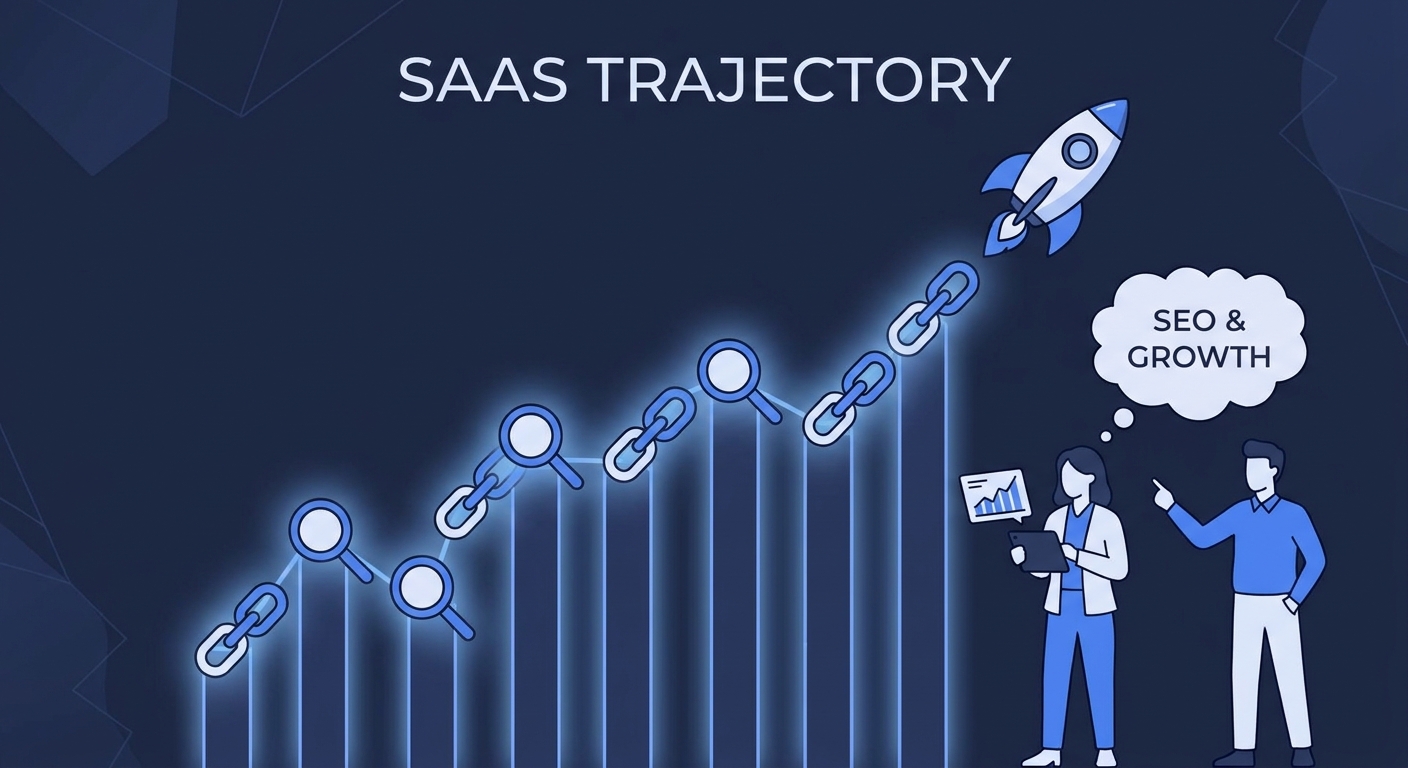
Forget everything you think you know about growth. The 2026 SaaS landscape isn’t a content arms race. It’s not about who can spam the most emails or churn out the most SEO-optimized blog posts. That era is dead. If you’re still focused on "volume," you’ve already lost.
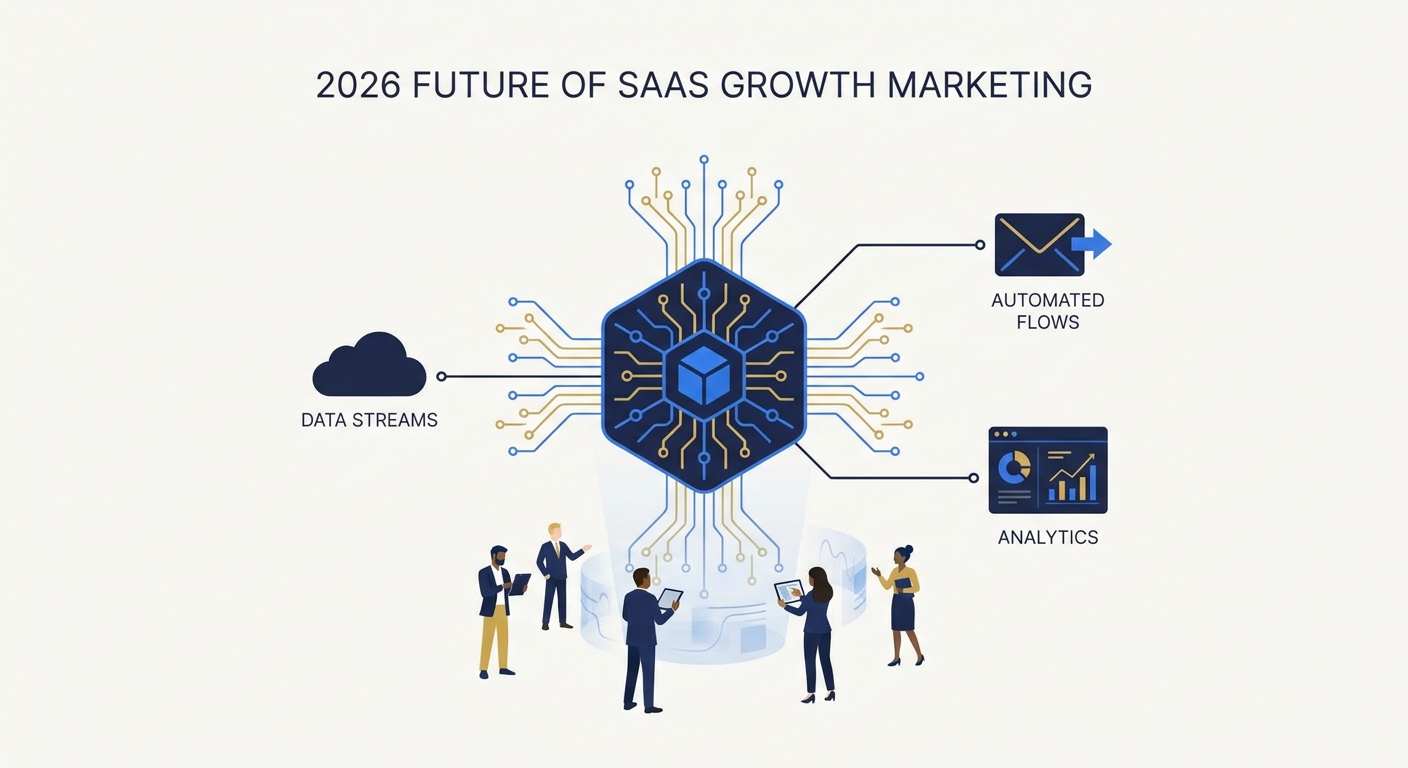
Today, growth is about building an autonomous engine. We’ve moved past the clunky, manual marketing tactics of the early 2020s. We are firmly in the age of Agentic AI. Your infrastructure shouldn't just be a list of tools that execute commands; it should be a brain that interprets intent, qualifies prospects, and shifts your go-to-market strategy from "generating noise" to "owning the answer."
Why the Traditional SaaS Playbook Is Now a Liability
If your marketing strategy still relies on linear drip campaigns and keyword-stuffing, you’re fighting a losing battle. The old playbook assumed you could "trick" algorithms and "nudge" users through a static funnel. Here’s the truth: the funnel is a myth.
The shift from human-intensive grunt work to autonomous growth engines isn't just a "nice-to-have"—it’s a survival requirement. If your CRM doesn't talk to your CMS, and your analytics suite lives in a silo, you’re hemorrhaging money. The winners of 2026 are the ones who have unified their data into a single, cohesive ecosystem. We’ve moved from "Lead Generation" to "Revenue Attribution." It’s no longer enough to track clicks. You need to prove how specific automated touchpoints actually accelerated a deal. Data silos aren't just an inefficiency anymore; they’re a death sentence for your CAC-to-LTV ratio.
Building Your 2026-Ready Growth Engine
Beyond Keywords: The Rise of Answer Engine Optimization (AEO)
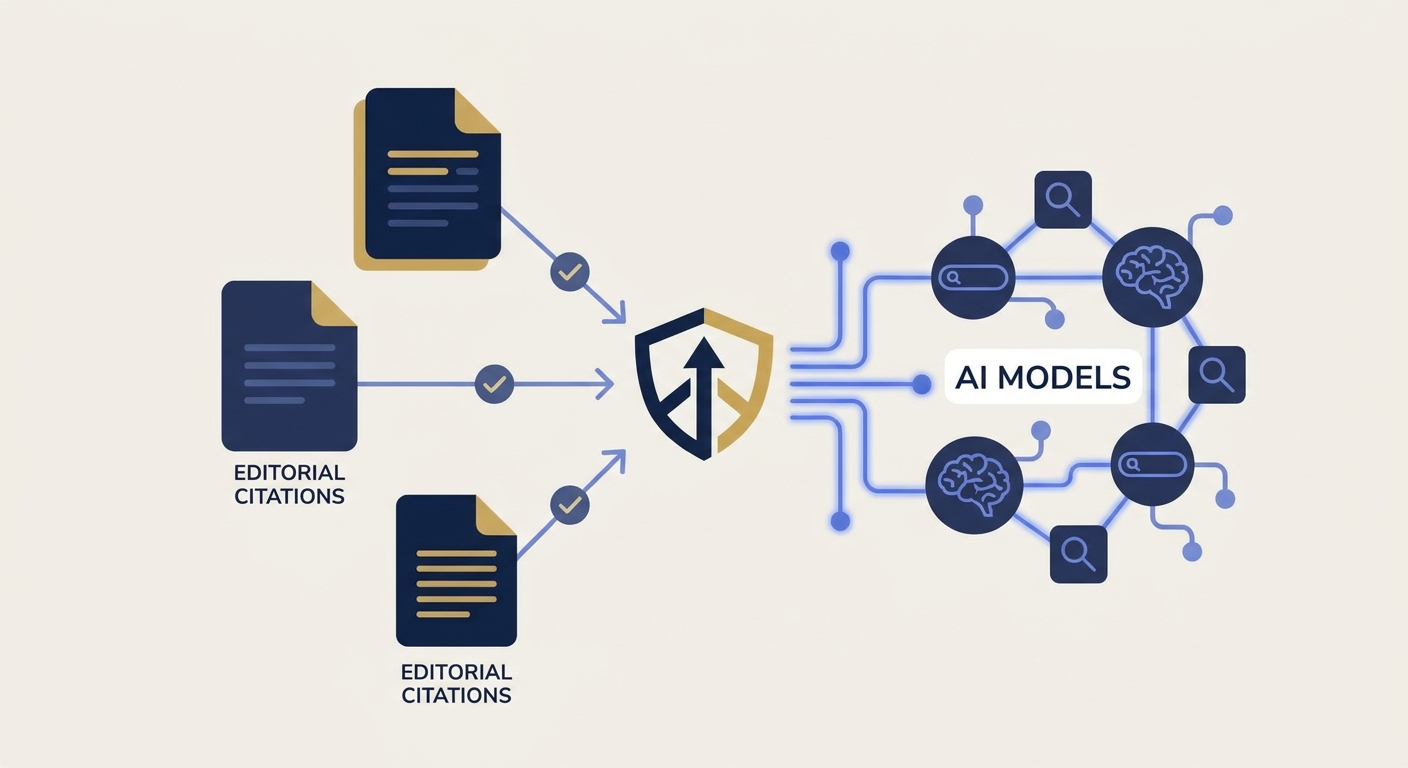
Search has changed, and it isn't coming back. Users don't want a list of ten blue links; they want a definitive, verified answer provided by an AI. This is where Answer Engine Optimization (AEO) and Generative Engine Optimization (GEO) become the new bedrock of your visibility strategy.
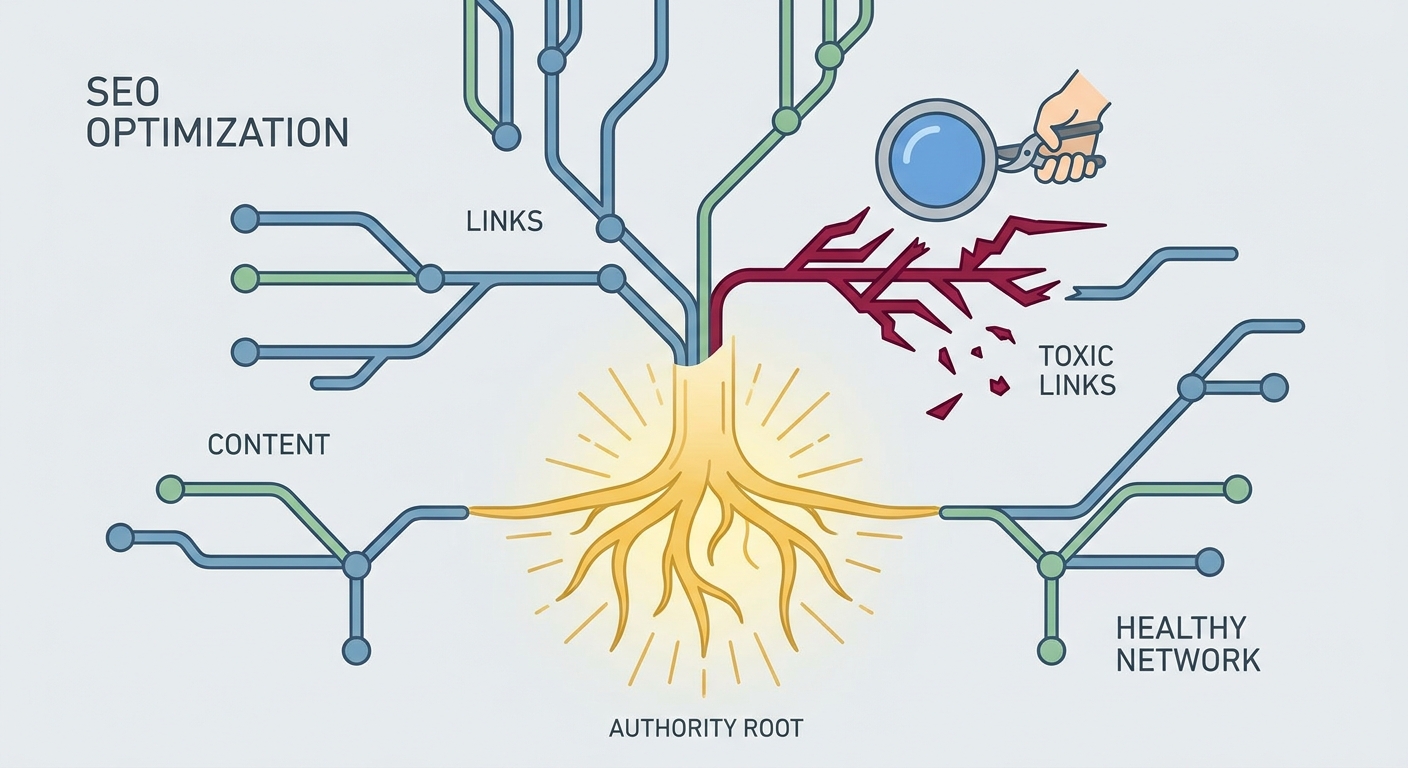
If your content is generic, LLMs will ignore it. If your content is authoritative, deeply researched, and structured to provide clear, concise data, AI agents will cite you as the primary source. This requires a total rethink of your production. You aren't writing for bots; you’re writing for the AI that feeds the user. This is why our SEO consulting services focus heavily on building topical authority that withstands the scrutiny of generative search. When you craft your content, you must align strictly with Google's E-E-A-T Guidelines, ensuring that every piece of information carries the weight of human expertise and verifiable experience.
Implementing Agentic AI for Lead Qualification
The "Agentic Loop" is the heart of your 2026 engine. Unlike the rigid, rule-based automation of 2022, Agentic AI uses large language models to analyze user sentiment, intent, and historical data in real-time.
By deploying these agents, your team stops manually qualifying leads. When a prospect hits your pricing page or downloads a white paper, the agent doesn't just fire off a generic "thanks for downloading" email. It analyzes their role, their company’s tech stack, and their specific pain points. Then, it generates a bespoke outreach sequence that actually moves the needle.
Pivoting to Pipeline-Focused Metrics
Vanity metrics are the ultimate distraction. Clicks, impressions, and raw MQL numbers? They’re often uncorrelated with actual business health. In 2026, the only metrics that matter are those that tie directly to the bottom line. You need to obsess over pipeline velocity—how fast a lead moves from first touch to closed-won—and your CAC-to-LTV ratio. According to the latest SaaS Benchmarks 2026, the top-performing companies prioritize "Revenue Attribution" over "Lead Volume," ensuring every dollar spent on automation is directly linked to a verifiable increase in enterprise value.
The 2026 Tech Stack: Consolidating Your Data
The debate between "All-in-One" platforms and "Best-of-Breed" point solutions is over. It’s about the integration layer, not the tool count. A fragmented stack creates "data friction," where the signal from your marketing automation is lost before it reaches your sales team.
The winning strategy is a "Unified Data Ecosystem." Whether you choose a massive, all-encompassing platform or a curated stack of AI-native tools, the priority must be a bidirectional sync that allows your AI agents to learn from the CRM in real-time. If your AI doesn't know who has already bought, who is currently in a renewal cycle, or who is a "churn risk," it will inevitably send the wrong message, damaging your brand equity.
The Quarterly Execution Roadmap
Execution is where the vision meets reality. We break this down into a four-quarter cycle to ensure your infrastructure can handle the weight of autonomous growth.
    title 2026 SaaS Growth Milestones
    dateFormat  YYYY-MM-DD
    section Q1
    Infrastructure Audit          :active, q1, 2026-01-01, 2026-03-31
    section Q2
    Agentic Workflow Deployment   :q2, 2026-04-01, 2026-06-30
    section Q3
    Scaling Channels & Authority  :q3, 2026-07-01, 2026-09-30
    section Q4
    Retention & Attribution       :q4, 2026-10-01, 2026-12-31
Q1: The Infrastructure Audit
Before you automate, you must sanitize. You cannot build a growth engine on top of bad data. Use this quarter to clean your CRM, map the customer journey, and identify where the "leaks" currently exist. Our Content Marketing Strategy Guide provides the framework for ensuring your content assets are ready to support an automated, high-intent funnel.
Q2: Implementing the "Agentic" Workflow
Once the data is clean, deploy your AI agents at the top of the funnel. Start with low-risk, high-volume tasks like lead scoring and initial outreach. The goal here is to establish the "Agentic Loop" where the AI learns from the success of its own outreach and adjusts its tactics accordingly.
Q3: Scaling Channels and Authority
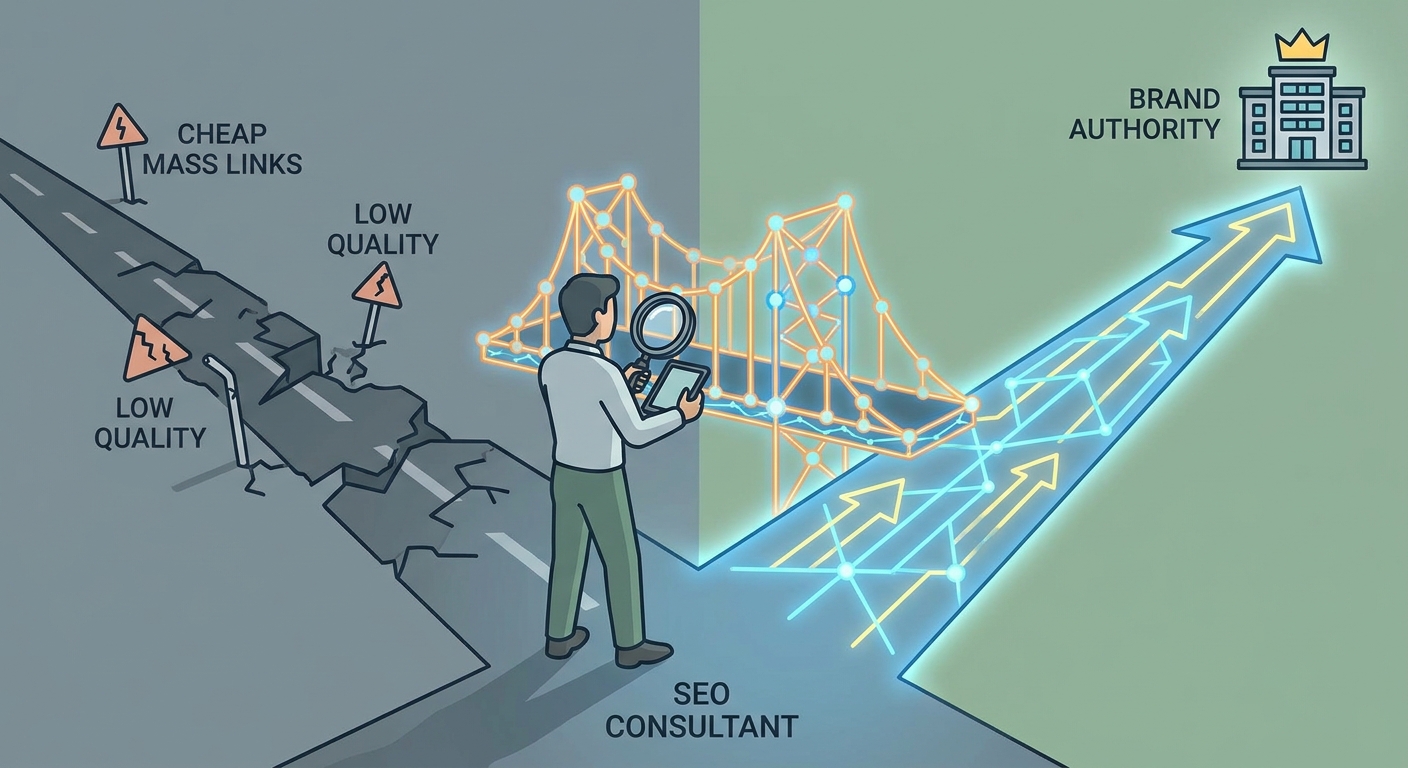
With the engine running, it is time to amplify. The State of AI in Marketing 2026 report emphasizes that while AI can handle the heavy lifting, your competitive advantage comes from human-centric digital PR and community building. Use this quarter to foster relationships with influencers and industry leaders who can vouch for your brand, creating the "authority signals" that AI search engines look for.
Q4: Retention and Attribution Modeling
The final quarter is about closing the loop. Refine the feedback mechanism between Sales and Marketing. If the Sales team finds that the AI-qualified leads are consistently missing the mark, use this data to retrain your agent’s criteria. Attribution modeling is your primary tool here; it tells you exactly which automated touchpoints are driving the highest LTV customers.
The "Human-in-the-Loop" Hybrid Strategy
Automation is the engine, but expert-led content is the fuel. In 2026, the internet is flooded with AI-generated noise. If your content sounds like it was written by a robot, it will be treated like one: ignored.
The "Human-in-the-Loop" strategy means using AI for data analysis, distribution, and personalization, while keeping the core creative strategy and high-touch storytelling in the hands of human experts. Your brand voice, your unique perspective, and your ability to empathize with the buyer's pain are the only things AI cannot replicate. Maintain that human edge, or you will find yourself competing on price alone—a race to the bottom you cannot win.
Frequently Asked Questions
How does automation affect my SEO rankings in 2026?
Automation supports consistency and data-driven distribution, but it does not replace the need for high-quality, expert-led content. Google prioritizes E-E-A-T, meaning that content created solely by automation without human oversight will likely struggle to rank. Use automation to handle the technical heavy lifting, not the creative soul of your site.
What is the biggest mistake SaaS teams make with automation?
The biggest mistake is over-automating before perfecting the messaging. Automation is a multiplier; if your current funnel is leaky or your messaging is unclear, automation will only scale those failures faster. Fix your core value proposition first, then automate the distribution.
How do I measure ROI on marketing automation?
Stop measuring clicks and impressions. Measure "Pipeline Influence"—the percentage of your closed-won revenue that interacted with an automated touchpoint—and "Time-to-MQL." The goal is to prove how much faster your automated agents move a lead from "cold" to "demo-ready."
How can I ensure my AI agents remain compliant with GDPR/CCPA?
Compliance must be built into the "Agentic Loop" from day one. Ensure your AI agents are restricted to your first-party data and that you have strict data-privacy protocols for any third-party tools integrated into your stack. Always maintain a human-auditable trail for every automated interaction.