SEO Link Building Services: Are They Worth the Investment for Your SaaS?

TL;DR
- ✓ Backlinks remain vital for domain authority and search visibility in 2026.
- ✓ Modern link building focuses on digital PR and topical authority over bulk volume.
- ✓ Avoid link building until you have high-quality product-led content assets published.
- ✓ Prioritize relevant industry placements to drive genuine brand trust and ARR growth.
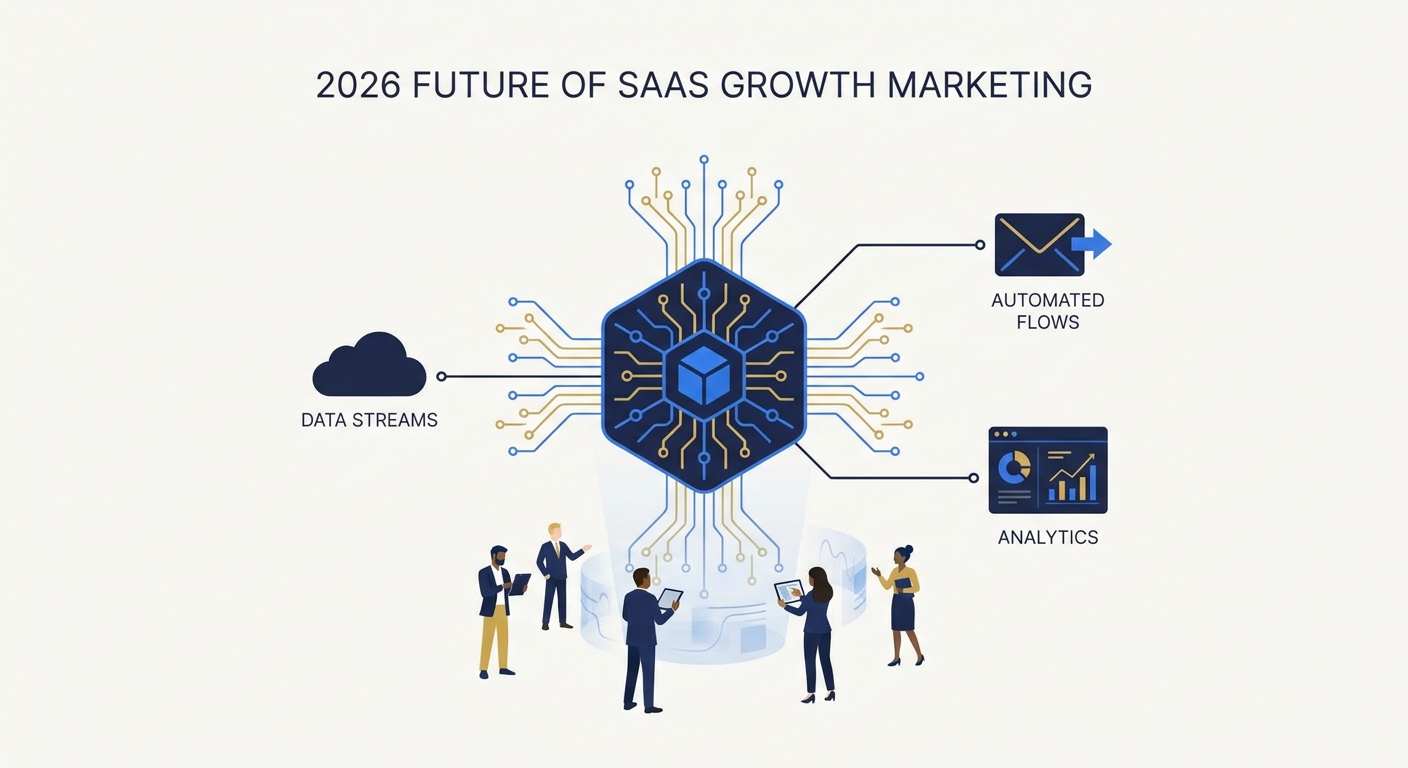
If you’re still losing sleep over whether link building is "worth it" in 2026, you’re looking at the wrong dashboard. The "link building is dead" narrative has been the industry’s favorite ghost story for a decade, yet the data refuses to lie. According to the latest 50+ Link Building Statistics for 2026, backlinks remain the heavy hitters of domain authority and search visibility.
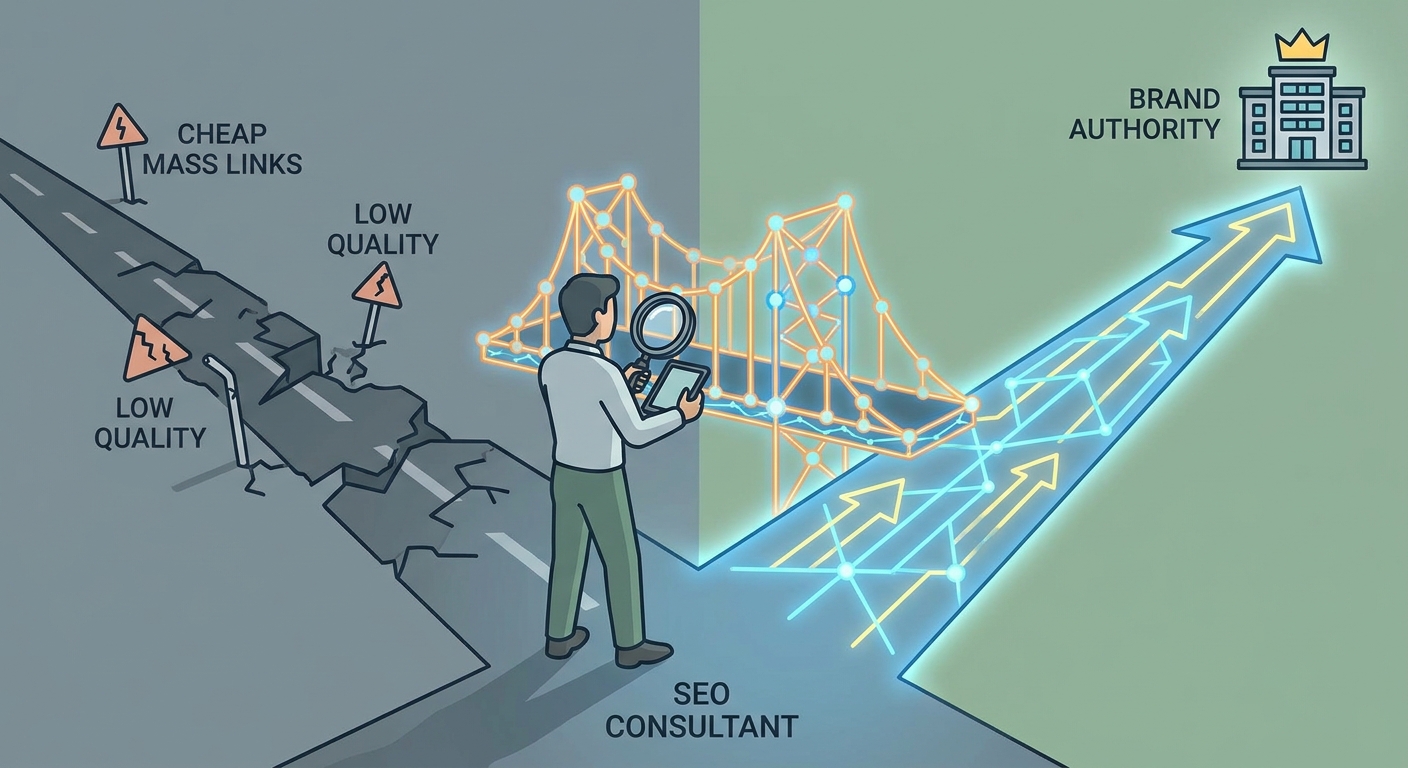
But let’s be clear: the game has changed. The era of buying bulk guest posts on dusty, low-tier blogs is over. Dead. Today, link building is less about "hacking" the algorithm and more about digital PR, brand reputation, and proving your topical authority. For a SaaS company, the question isn’t whether you need links. It’s whether you’re building the right kind of authority—the kind that actually moves the needle on your ARR.
The Shift: Why SaaS Link Building has Evolved from "Volume" to "Value"
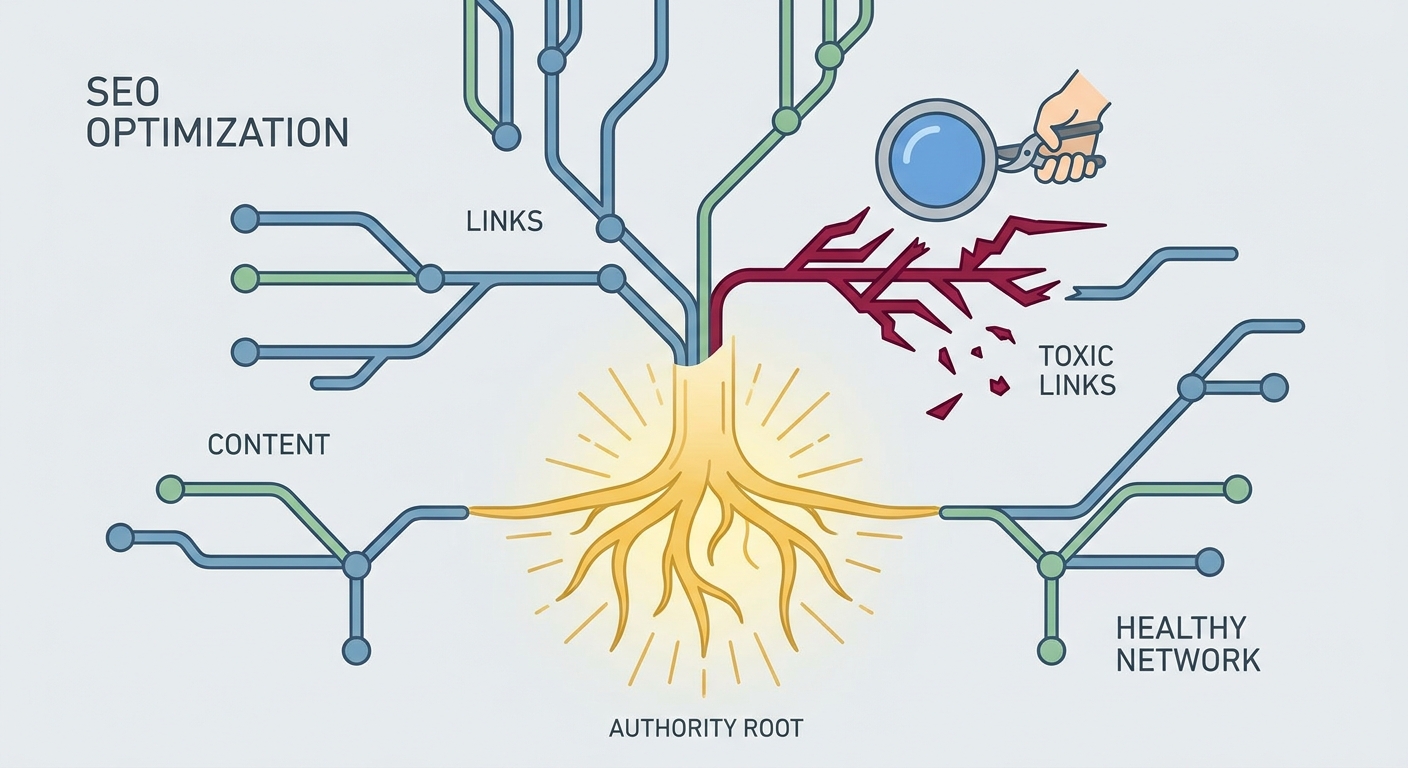
We’ve moved past the "DR 80+ at all costs" obsession. Remember when SEOs treated Domain Rating like a universal currency? Those days are gone. Google’s algorithms have grown up; they now favor topical relevance over raw, unearned authority. If your project management software lands a high-DR link from a random gambling site or a generic tech directory, it carries zero weight. Actually, it’s worse—it’s a red flag.
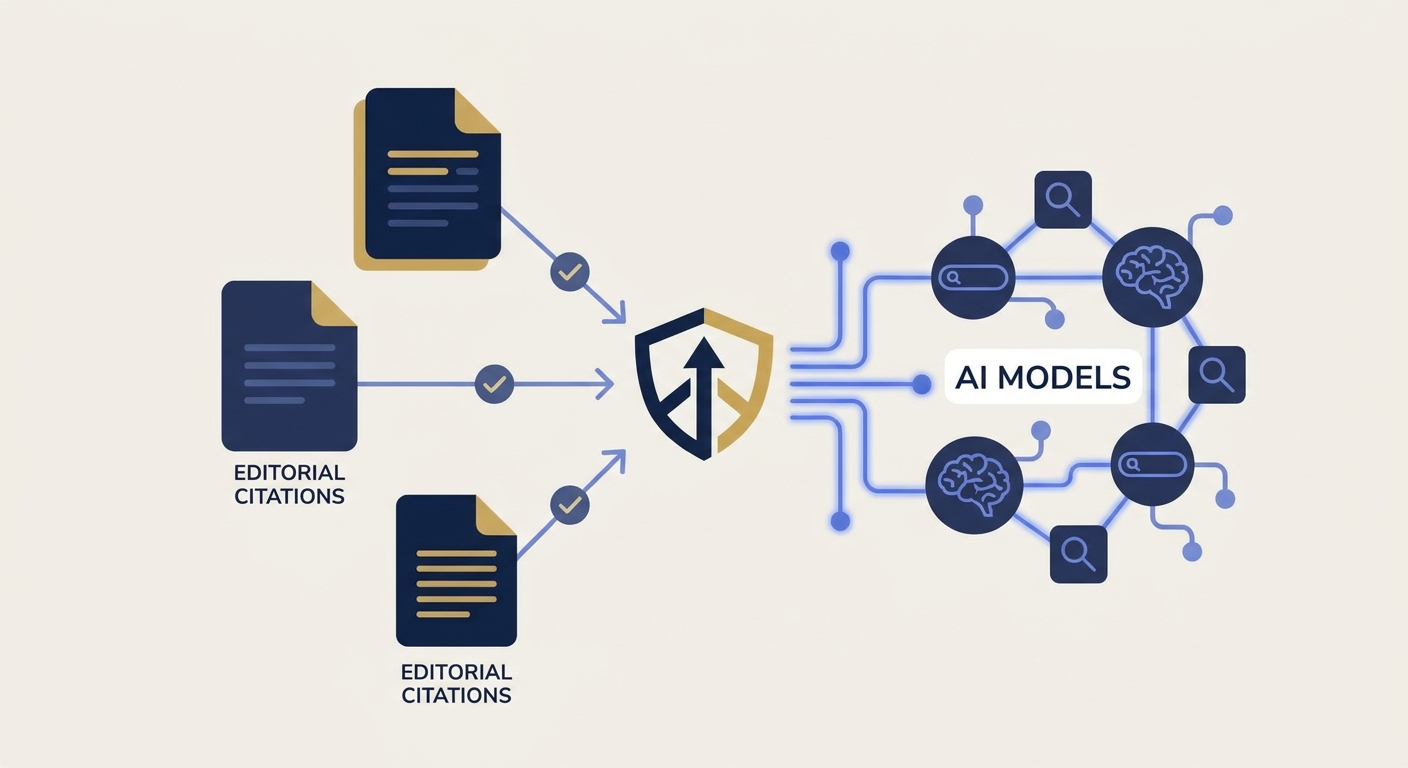
The modern paradigm is Digital PR. Think of it as the art of securing coverage on high-relevance industry publications through original research, data-led storytelling, and expert insight. It’s about being the go-to source that journalists cite when they’re writing about the future of work, AI, or cybersecurity.
How Do You Know If Your SaaS is Ready for Link Building Services?
Before you sign a retainer with an agency, pause. Execute a "Zero-Link" strategy first. If your product-led content—those whitepapers, feature pages, and documentation—isn’t objectively better than what’s already ranking, no amount of link building will save you. Links act as a multiplier, not a magic wand for a broken foundation.
We often run clients through our SEO Strategy Framework to ensure their technical house is in order before we go hunting for external links. You’re ready for the big leagues when:
- You have 15–20 high-quality, long-form content assets that actually solve real user problems.
- Your site architecture is clean, and your core product keywords are mapped like a roadmap.
- You have real social proof (case studies, testimonials) so that when a visitor clicks through from an external source, they trust you enough to actually sign up.
Skip these steps, and you’re just pouring water into a leaky bucket.
Digital PR vs. Traditional Link Building: What is the Difference?
The difference is night and day. Traditional link building is manual, robotic, and painfully transactional. You email a site owner, offer a post, and pray for a link. As outlined in this breakdown of Digital PR vs. Link Building, the latter is far more strategic.
Digital PR focuses on the brand. It’s about creating a "linkable asset"—maybe an industry survey on developer burnout or a proprietary study on SaaS churn rates—and pitching that story to journalists at outlets like TechCrunch or Forbes. You aren't "buying" a link; you’re earning a citation because your data is genuinely useful to their readers. That’s the difference between a spammy tactic that gets you penalized and a growth strategy that builds long-term equity.
What Should You Look for When Vetting a SaaS Link Building Agency?
Transparency is your best friend. If an agency can’t explain their outreach process, or if they promise "guaranteed DR 90 links," show them the door. Those are the hallmarks of a link farm. When you’re evaluating partners, check out this 2026 SaaS Link Building Buyer’s Guide to make sure you’re asking the right questions.
A legitimate agency should be able to show you:
- A list of previous placements: Are they actually relevant to your niche?
- Their content process: Do they create original assets, or are they just spinning recycled trash?
- Reporting: Do they talk about organic traffic growth, or just link counts?
How to Calculate the ROI of Your Link Building Investment
Stop obsessing over "Cost per Link." That’s a vanity metric that only rewards agencies for selling you cheap, low-quality junk. Focus on "Organic Visibility Growth" instead. If an agency lands you a link on a site your target audience actually reads, you should see a lift in referral traffic and, eventually, organic rankings for your high-intent keywords.
When we look at our own SaaS Content Marketing Case Studies, we focus on the correlation between high-authority placements and the movement of commercial-intent landing pages. If you’re spending $5,000 a month on a campaign, you should be able to map those links to an increase in MQLs. If the links are just sitting there, doing nothing to drive traffic or support your rankings, the investment is a failure.
The 2026 Tool Stack: What Should Your Agency Be Using?
If your agency isn’t using professional-grade tools, they’re flying blind. At a minimum, they should be rocking:
- Ahrefs or Semrush: For keeping tabs on competitors and tracking keyword movement.
- Connectively (formerly HARO): For answering journalist requests.
- Pitchbox or Lemlist: For managing outreach at scale without losing that human touch.
The "premium" factor in 2026 isn't the software—it’s the relationships. The agencies that win are the ones with editors and journalists on speed dial. They aren't just blasting out thousands of cold emails; they’re nurturing real connections with content managers and publishers.
Is Outsourcing Better Than Building an In-House Team?
The classic "Buy vs. Build" dilemma.
In-House: You get deep product knowledge and a team that lives and breathes your brand. But link building is a specialized, gritty skill. An in-house generalist often struggles to build the media relationships required to land high-tier placements consistently. It’s a slow, expensive, and often frustrating learning curve.
Agency: You get plug-and-play access to a team that does this 24/7. They have the tools, the contacts, and the battle-tested experience to pivot when Google updates its algorithms. For most SaaS companies, outsourcing the heavy lifting of link acquisition—while keeping the content strategy in-house—is the fastest way to scale.
Conclusion: Developing Your Roadmap for Authority
Link building isn’t a "hack" anymore. It’s a long-term investment in your domain’s enterprise value. When you secure a high-authority link, you aren’t just getting a ranking boost; you’re building trust with Google and your future customers.
If you’re ready to move past the spammy, volume-based tactics of yesterday and start building a real moat around your SaaS domain, the time to start is now. Audit your profile, identify the gaps, and decide if you have the bandwidth to execute a real Digital PR strategy—or if it’s finally time to bring in the pros.
Frequently Asked Questions
Is link building still a top-3 ranking factor in 2026?
Yes, but it is now about authority and relevance, not just volume. Google’s algorithms prioritize links from topically relevant sites that demonstrate real-world influence.
How much should a SaaS company spend on link building?
Pricing varies based on your growth stage, but you should expect a minimum of $2,000–$5,000/mo for high-quality, white-hat work. Anything lower often indicates risky, automated tactics.
How can I tell if an agency is using "link farms"?
Look for a lack of transparency in link placement, a portfolio of low-quality sites, and the use of generic, keyword-stuffed anchor text that looks unnatural to human readers.
Should I hire an agency or build an in-house team?
This depends on your scale and budget. Agencies offer immediate access to specialized expertise and media connections, whereas an in-house team provides better long-term brand alignment once the budget permits.