What is an organic link?

TL;DR
- ✓ Organic links are editorial citations earned through high-quality, valuable original content.
- ✓ Traditional link building is now a liability that triggers Google spam detection policies.
- ✓ AI-driven search engines prioritize sites that function as trusted, primary sources of truth.
- ✓ Natural backlinks are contextually relevant and void of manipulation or paid incentives.
- ✓ Earning consensus-based authority is essential for long-term visibility in the AI era.
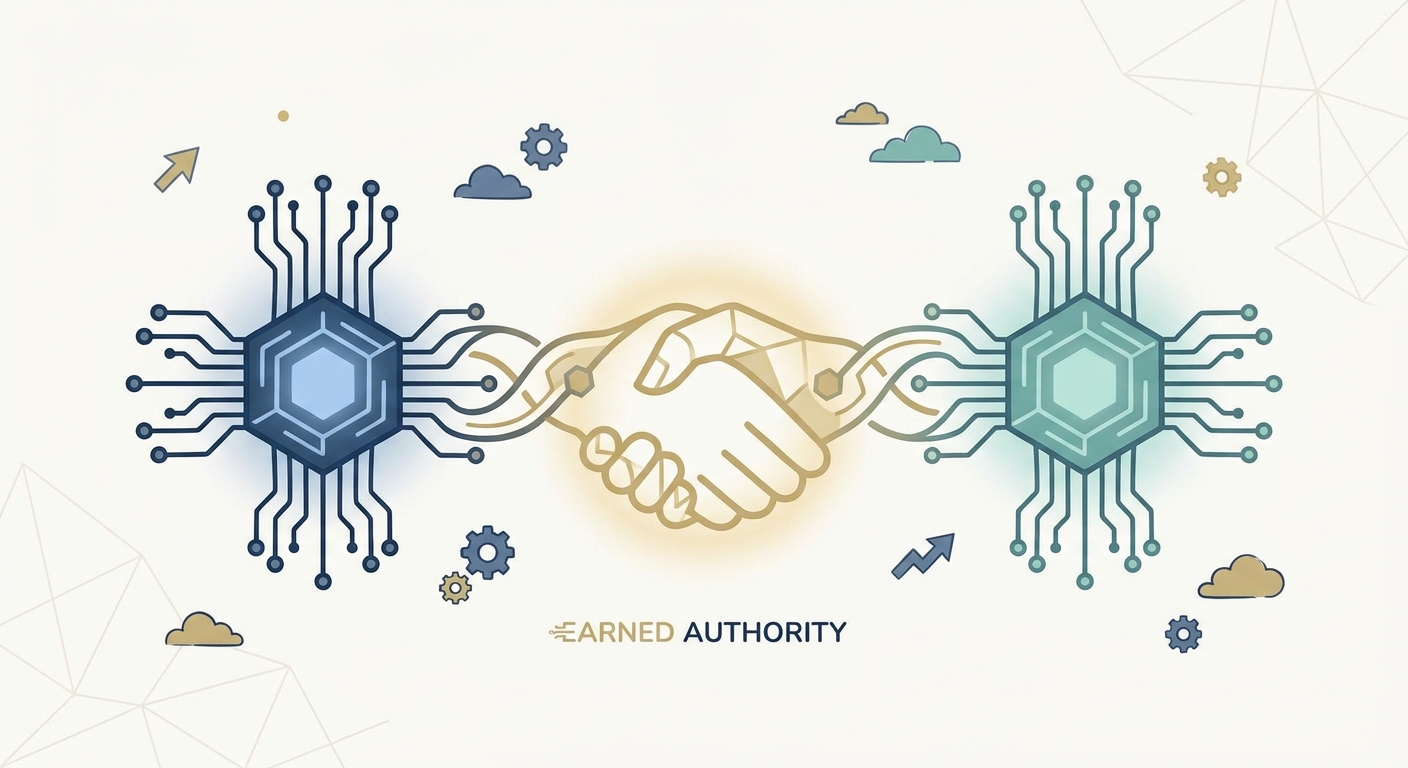
An organic link isn’t a commodity. It’s a digital handshake. It’s a citation you earn because your work actually matters to someone else. When a journalist, a blogger, or a subject matter expert links to your page, they aren’t doing it for a fee or a favor. They’re doing it because your content helped them prove a point, solve a problem, or build a better story.
In today’s search ecosystem, an organic link is the gold standard. It acts as a peer-reviewed nod—a signal to Google and the growing army of AI-driven answer engines that your content is the source of truth.
Why the "Link Building" Era is Dead
For twenty years, the industry was obsessed with "link building." We treated links like baseball cards, trading them in dark corners or manufacturing them in digital sweatshops. That era? It’s over. It’s a liability now. Google’s spam policies have become surgically precise. They don’t just catch spam; they track the patterns of unnatural growth with terrifying accuracy. If your strategy relies on volume, you’re just painting a target on your own back.
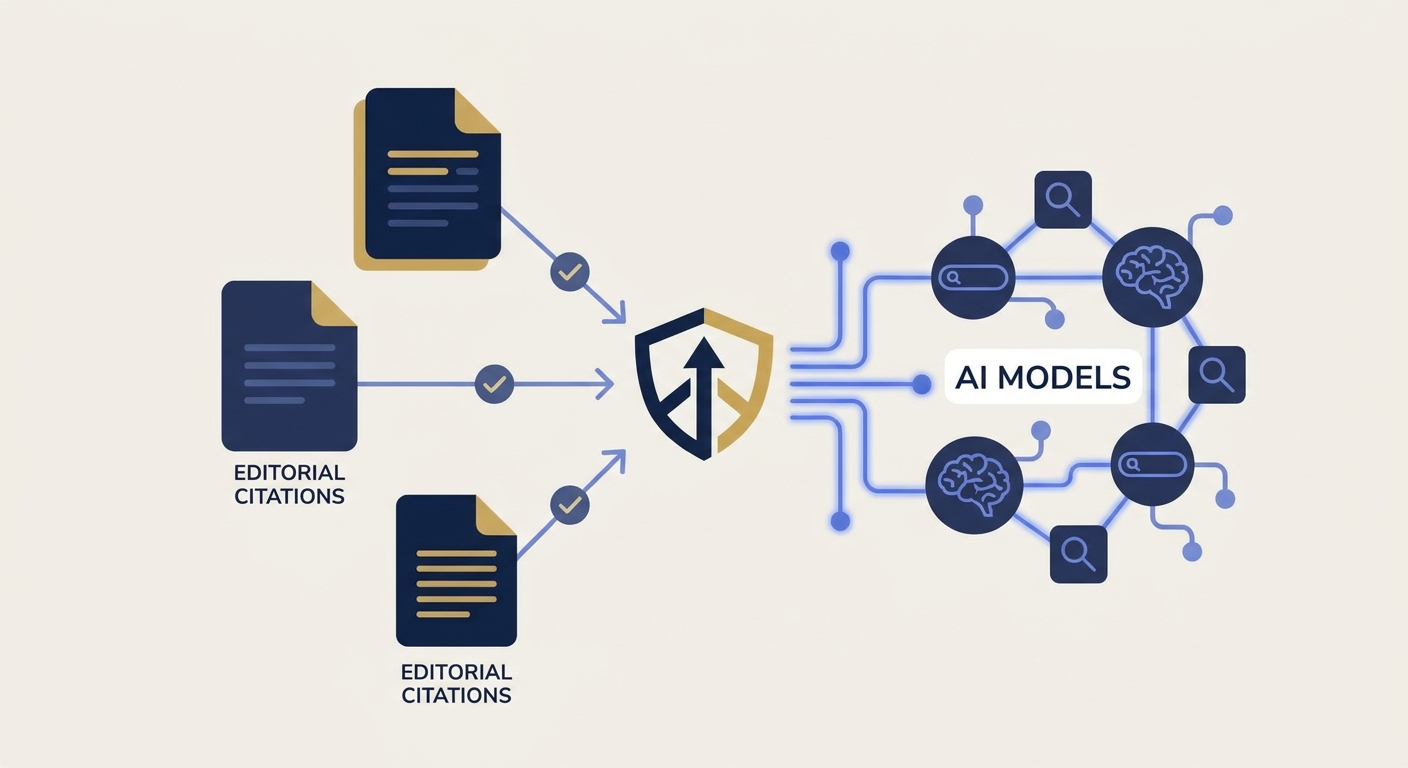
The new North Star is AI-Search visibility. When a user fires a complex query at Perplexity or an AI-powered search tool, the model isn't just "ranking" a list of blue links. It’s synthesizing information. It acts like a curator. If your content isn't cited as the primary source for that information, you effectively don't exist. An organic link is the digital equivalent of an academic citation. It’s earned, not bought. It’s the only way to stay relevant in a world where the algorithm has stopped acting like a library indexer and started acting like a knowledge broker.
What Exactly is an Organic Link?
Strip away the marketing speak, and an organic link is defined by one thing: the absence of manipulation. It’s an editorial choice made by a human.
Think about it. You publish a piece of deep, original research. A journalist finds it, trusts the data, and embeds a link in their story to back up their argument. That is an organic link. A software developer stumbles upon your documentation and references it in a technical guide. That is an organic link.
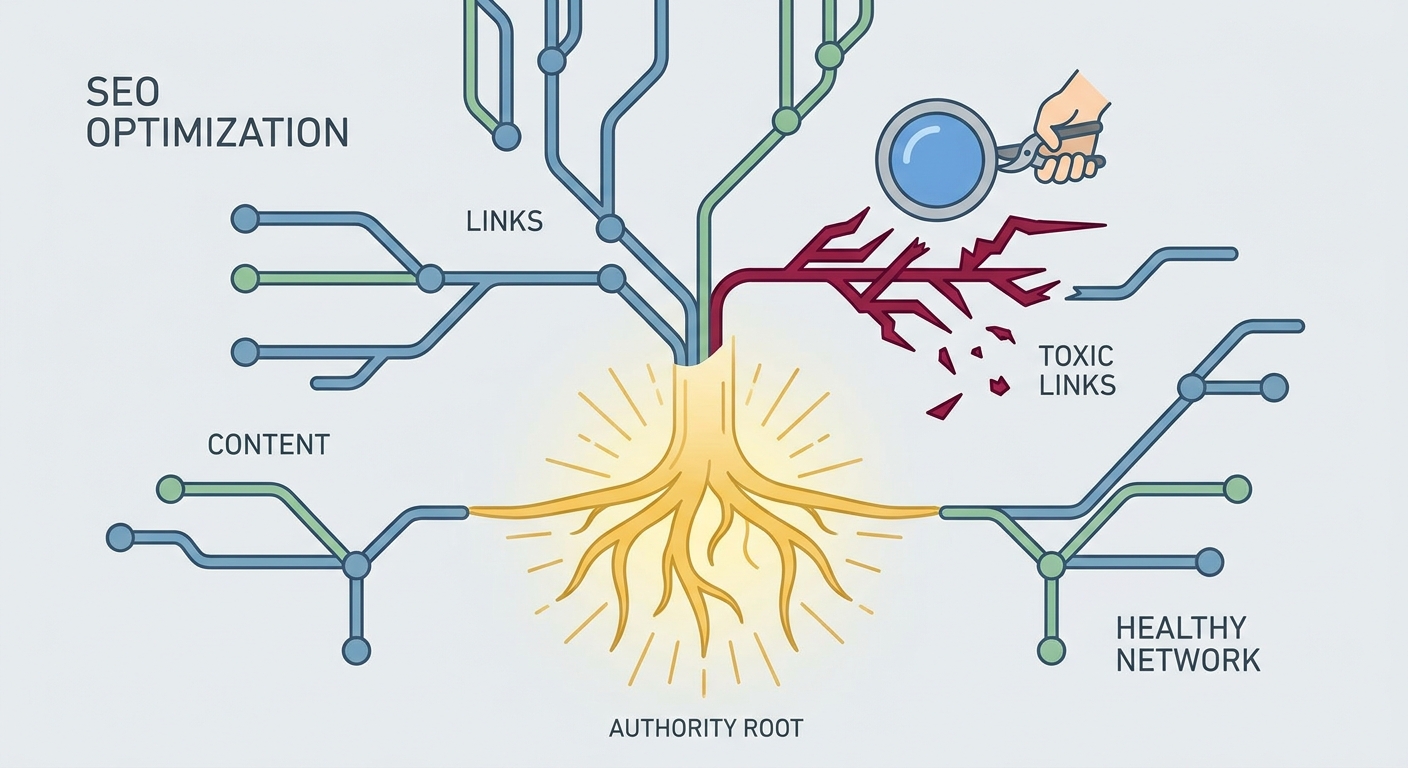
The anatomy of a natural backlink is distinct. It’s contextually relevant—it lives inside a paragraph that actually discusses the topic at hand. It uses anchor text that sounds like human conversation, not a keyword-stuffed sales pitch. And it comes from a site that has a logical reason to talk about your industry. If you sell enterprise accounting software, a link from a fintech publication is gold. A link from a random, unrelated "guest post" farm? That’s just noise—or worse, a red flag.
Why Should You Care About Organic Links in 2026?
The AI advantage is the main reason to pivot. AI agents are programmed to hunt for accuracy and consensus. They look for the "consensus of authority." If a hundred credible sites link to your study on market trends, your site becomes the primary data point for those AI models. This creates a powerful, self-sustaining feedback loop.
We call this the "Link Flywheel Effect." High-quality content—the kind that solves a specific user pain point—naturally attracts eyeballs. As you learn how to create link-worthy content, you stop chasing links and start attracting them. This discovery leads to editorial citations, which boost your site’s authority. Higher authority lifts your rankings, which grants you more visibility, which in turn places your content in front of more people who are likely to link to it. It’s compound interest for your digital presence.
The Anatomy of the Link Flywheel
The transition from content creation to authority isn't magic. It’s a systematic process. The following diagram illustrates how the cycle feeds itself:
By focusing on the "High-Quality Data/Tools" phase, you shift the burden of proof from your outreach team to the intrinsic value of your assets.
How Do You Measure the Value of a Link?
The industry has spent years obsessing over Domain Rating (DR) and Domain Authority (DA). In 2026, these are hollow metrics. A "high DR" site with no traffic and no topical alignment is a ghost town.
Stop looking at the score and start looking at Topical Relevance. If you are a B2B SaaS company, a link from a niche industry blog with a modest audience is infinitely more valuable than a link from a global news site that has no connection to your sector.
Referral traffic is the ultimate heartbeat of a link. If a link sends real, engaged humans to your site who then read your content, that is a signal of a high-quality link. When evaluating your backlink profile, consult the Ahrefs Backlink Authority Guide to understand how to look past the superficial numbers and find the links that actually influence your E-E-A-T (Experience, Expertise, Authoritativeness, and Trustworthiness).
Is Your Link Strategy "Safe" or "Spammy"?
If you are paying for links, engaging in private blog networks (PBNs), or using automated outreach tools to blast thousands of templated emails, you are playing a losing game. The State of SEO 2026 Report highlights that search engines are increasingly penalizing sites that rely on manufactured link velocity.
Red flags are everywhere: anchor text that is purely commercial, links from sites with no audience, and sudden, unnatural spikes in backlink growth. If your strategy relies on "buying" your way to the top, you are essentially building a house on a fault line. One core algorithm update can wipe out years of "investment" in a single afternoon.
How to Pivot from "Link Building" to "Passive Link Earning"
The "Anti-Outreach" philosophy is about creating assets so useful they become part of the industry’s infrastructure.
- Data-Driven Journalism: Conduct original surveys, analyze proprietary data, or uncover industry trends that no one else has touched. Journalists and researchers are hungry for primary sources. When you provide the data, they provide the link.
- Utility-Led Content: Build interactive calculators, diagnostic tools, or free templates that solve a specific problem. People don't link to "blog posts" as often as they link to "tools." If your calculator helps a user do their job faster, they will bookmark it, share it, and cite it.
- The User-First Mindset: Stop asking, "How can I get a link?" and start asking, "What does my target audience need that they currently can't find anywhere else?" By filling those gaps, you make your content the default reference point.
The Evolution of Link Acquisition
Comparing the old guard to the new standard reveals why so many SEO strategies fail to scale in the modern environment.
How to Get Your Content Cited by AI Search Engines
To be cited by an AI, you must be "readable." Use clear, concise language and, crucially, implement structured data (Schema). If you provide a direct answer to a query, mark it up with FAQ schema or Article schema. This helps the AI understand that your content is the definitive answer to that specific question.
If you find that your content is high-quality but still failing to gain traction, it may be time to audit your technical foundation. Our SEO Consulting Services focus on identifying these structural gaps, ensuring that your best content is primed for both human discovery and machine-learning ingestion.
Conclusion: Playing the Long Game
Organic links are a lagging indicator of quality. You cannot force them; you can only deserve them. By focusing on creating assets that provide genuine utility—be it through research, data, or tools—you build a brand that is resilient to algorithm shifts. Stop chasing the short-term dopamine hit of a "link-building campaign" and start focusing on the long-term compounding growth of a "link-earning strategy." It takes longer to build, but once the flywheel starts turning, it becomes a competitive moat that no amount of money can replicate.
Frequently Asked Questions
What is the difference between an organic link and a paid link?
An organic link is earned through editorial merit because a content creator genuinely found your resource valuable. A paid link is a transactional exchange meant to manipulate PageRank, which violates Google’s spam policies and poses a significant risk to your site’s health.
Do nofollow links count as organic links?
Absolutely. While they may not pass traditional "link equity" (PageRank), they provide critical referral traffic, signal brand awareness, and contribute to a natural backlink profile, which is a major signal of legitimacy to search engines.
How long does it take to see results from organic link building?
Unlike paid schemes that provide a temporary spike, organic link earning is a long-term strategy. You should expect a 3-6 month "incubation period" before the flywheel effect takes hold, but the results are significantly more sustainable and compound over time.
Why is topical relevance more important than Domain Authority (DR)?
In 2026, Google’s algorithms prioritize expertise within specific niches (E-E-A-T). A link from a smaller, highly relevant blog within your exact industry is far more valuable than a generic link from a high-DR site that has no contextual relationship to your content.