The Complete SaaS Link Building Guide: 15 Strategies ...


TL;DR
- ✓ Shift from volume-based link building to building high-trust topical authority.
- ✓ Leverage proprietary platform data to create authoritative state-of-the-industry reports.
- ✓ Develop utility-focused free tools to earn consistent and natural backlinks.
- ✓ Prioritize niche-relevant citations over generic high-DR domains for AI visibility.
- ✓ Utilize strategic co-marketing partnerships to broaden reach and acquire high-quality links.
Link building for SaaS in 2026 isn't a numbers game. It’s a street fight for digital relevance.
Search engines have stopped acting like glorified phone books. They’ve evolved into AI-driven, citation-heavy ecosystems that crave hard evidence. Forget chasing Domain Rating (DR) like it’s 2015; that’s a relic of a dying era. Today, a backlink is a vote of confidence. It tells the world—and the algorithms—that your product is the definitive source for a specific industry headache. If you aren't building topical authority, you’re not just slipping in the rankings. You’re becoming invisible to the AI models that now dictate who gets found and who gets ignored.
Why SaaS Link Building Looks Different Now
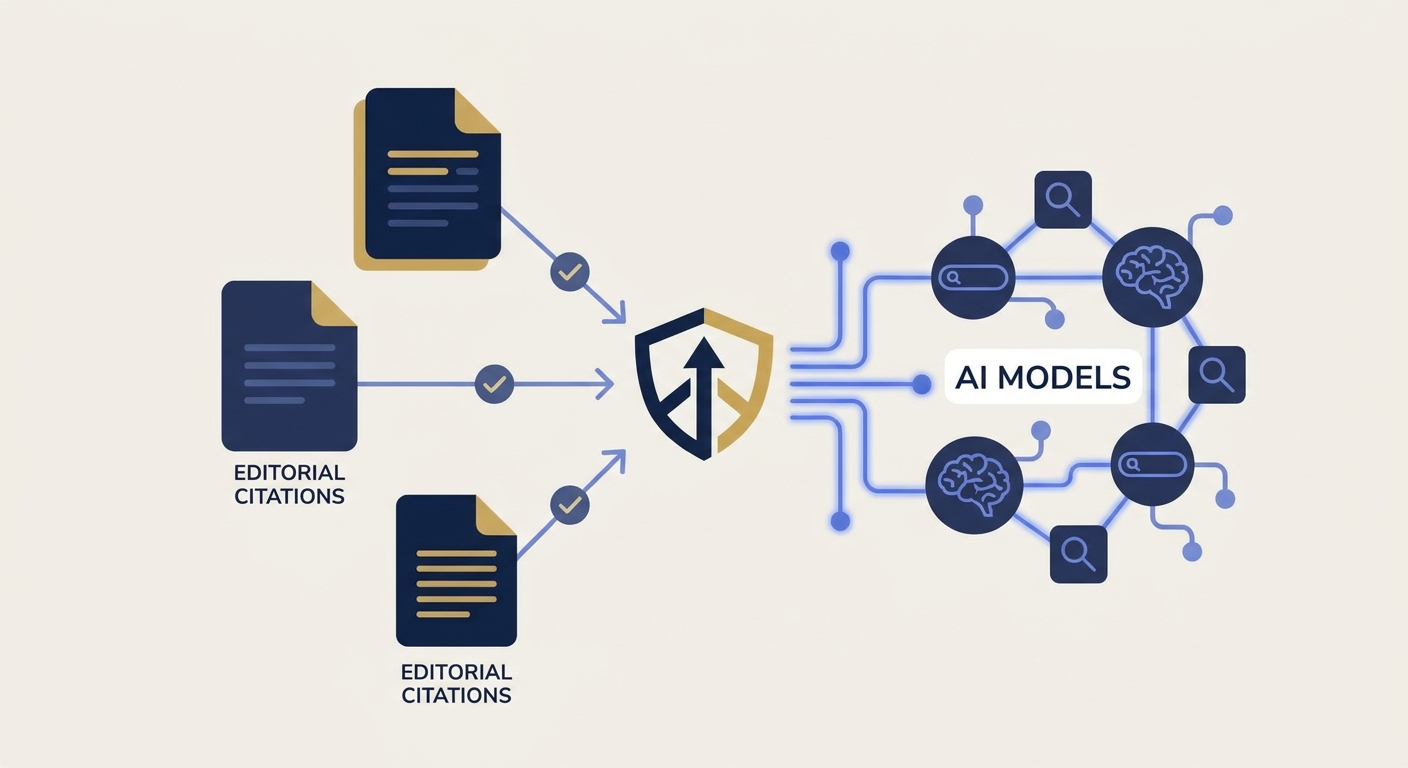
The SEO playbook has been flipped. We’ve moved from "volume-based" link building to a "citation-driven" model. In the age of SGE (Search Generative Experience) and AI-powered answers, your visibility hinges on one thing: being the primary source.
We live in a "Zero-Click" reality. Users get their answers directly from the search engine interface. But where does the AI pull those answers from? It pulls them from the domains it trusts the most.
To win, you have to stop obsessing over vanity metrics. Focus on building topical authority instead. A single, high-trust link from a niche publication in your industry beats a hundred links from generic, high-DR sites that have absolutely nothing to do with your software.
The 15 Proven SaaS Link Building Strategies
1. Data-Backed Journalism and Proprietary Benchmarks
Want links? Stop guessing and start counting. SaaS companies sit on a goldmine of anonymized platform data. By turning this "hidden" info into a "State of the Industry" report, you create a beacon for journalists and analysts who are starving for original data.
2. Engineering as Marketing (Free Tools & Calculators)
Don't just write about a problem; build a tool that fixes it. ROI calculators, pricing comparison grids, and automated graders are link magnets. When you provide genuine utility, you aren't just doing marketing—you’re creating a permanent asset that people will bookmark and share for years.
3. The "AI-Proof" Skyscraper Technique
The classic Skyscraper technique—find popular content and beat it—needs an upgrade. In 2026, "better" means "more authoritative." Your content needs to be so deep, so nuanced, and so packed with human insight that an AI summary just can’t replicate it. For a deeper dive into modern methodology, check out this advanced link building guide.
4. Strategic Co-Marketing and Collaborative Research
Stop building in a silo. Partner with non-competing SaaS brands to co-author whitepapers. You get their audience, they get yours, and both domains earn high-authority citations. It’s the easiest way to double your reach without doing double the work.
5. The "Brand Mention" Reclamation Strategy
Your brand is being talked about right now—in places you don't even know exist. Use monitoring tools to hunt down unlinked mentions of your company or founders. When you find one, send a friendly note. "Hey, thanks for the mention! Would you mind making that a clickable link so your readers can find us?" It’s high-converting, low-effort, and incredibly effective.
6. Podcast Guesting and Authority Building
High-DR industry podcasts aren't just for brand fluff; they are vital link-building hubs. Most hosts include show notes with direct links to the guest’s site. Get your founders on the mic, share some expertise, and watch the high-trust links roll in.
7. Resource Page Link Building (The Niche Approach)
Look for curated lists: "Best CRM tools for Fintech," "Top Project Management Apps for Agencies." These pages exist to be helpful. If your tool solves a real problem, curators usually want you on their list. It’s low-hanging fruit that actually converts.
8. Broken Link Building (Refined for 2026)
Forget mass-emailing broken links. That’s dead. Focus on quality. Find high-authority pages in your specific niche that link to resources that have gone dark. Pitch your content as the modern, superior replacement. Be helpful, not spammy.
9. SaaS Marketplace and Directory Listings
If you aren't on G2, Capterra, and industry-specific hubs, you’re missing out on high-intent traffic. These platforms have massive domain authority. More importantly, this is where your customers go when they have their credit card in hand.
10. The "Expert Quote" Outreach Strategy
Journalists are always looking for a good quote. Position your founders as the go-to experts in your space. When you provide a unique perspective to a reporter, you often land links from major media outlets that would never link to a commercial landing page.
11. Creating Interactive Industry Templates
Templates—Notion docs, Figma files, Google Sheets—are pure gold. They provide immediate, tactical value. When a user downloads your template, they share it with their team. It gets linked in internal wikis, blog posts, and project workflows.
12. Community-Led Link Building
Get into the Slack groups, the Discord servers, and the Reddit threads where your users hang out. Don't spam your link. Be the person who provides the answer. When you help people, they naturally cite your resources. It builds real, human trust.
13. Webinar and Virtual Event Partnerships
Host a joint event. Landing pages for webinars are perfect for cross-linking. Both companies link to the registration page, creating a reciprocal flow of authority and traffic that benefits everyone involved.
14. Scholarship or Grant Programs
Want that coveted .edu link? Create a small scholarship or research grant for students in your industry. It’s a long-term play, but it’s a legitimate, white-hat way to earn trust signals that are essentially untouchable by competitors.
15. The "Anti-Template" Outreach Method
If your email looks like a robot wrote it, it’s going in the trash. Personalize everything. Do your homework. Mention a recent project they worked on. Explain why your content actually helps their audience. If you treat outreach like a human conversation, you’ll get human responses.
Avoiding the "Death Traps"
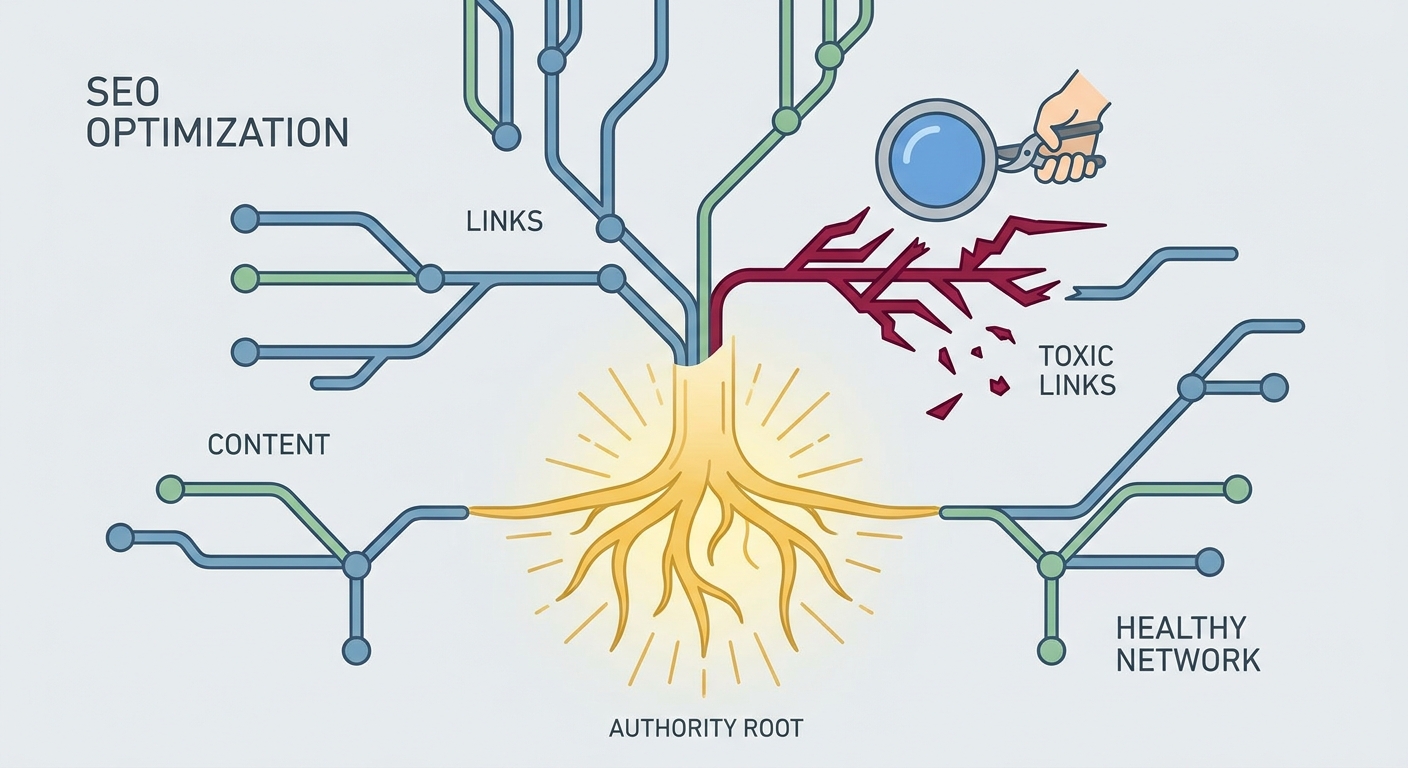
The biggest mistake in 2026? Still trying to cheat. Link farms and PBNs are a fast track to a manual penalty. Google’s spam detection is smarter than it’s ever been. Don't risk your domain’s future for a quick win. Always check Google’s Link Schemes Policy to keep your growth sustainable.
Measuring ROI: Beyond the Vanity Metrics
Domain Rating is a vanity metric. It doesn't pay the bills. If you want to know if your link building is working, look at the business impact. Are you seeing an uptick in organic leads? Is your Customer Acquisition Cost (CAC) dropping? Is the Lifetime Value (CLTV) of your organic users increasing? If a link isn't moving the needle on your bottom line or your topical authority, it’s just noise.
Ready to Scale Your SaaS SEO?
Scaling requires more than just tactics—it requires a strategy that actually aligns with your growth goals. If you’re tired of the basics and want to build a sustainable, authority-driven engine, explore our SaaS SEO services and let’s see how we can help you dominate the modern search landscape.
Frequently Asked Questions
Does link building still matter for SaaS in 2026 with the rise of AI search?
Absolutely. Links are the foundational trust signals that AI models use to verify if a brand is actually an authority. Without them, you’re invisible to the AI.
What is the best way to get backlinks for a new SaaS product?
Start with "Product-Led SEO." Build free, interactive tools—calculators, templates, graders—that solve an immediate problem. They earn links naturally because people find them useful.
How long does it take to see results from link building?
Real, white-hat link building is a marathon. Expect 3–6 months of consistent effort before you see a compounding effect on your rankings.
Should I buy links to speed up my SaaS growth?
Never. It’s high-risk, low-reward, and puts your entire domain at risk of a penalty. For a deeper understanding of the risks, see the Ahrefs Guide to SaaS Link Building.