Link Building Packages: What Should You Expect from Professional Service Providers?

TL;DR
- ✓ Avoid cheap bulk link packages that risk severe Google search penalties.
- ✓ Prioritize high-authority editorial outreach over automated link farming services.
- ✓ Understand that backlinks act as critical verification signals for modern AI models.
- ✓ View professional link building as a long-term investment in brand authority.
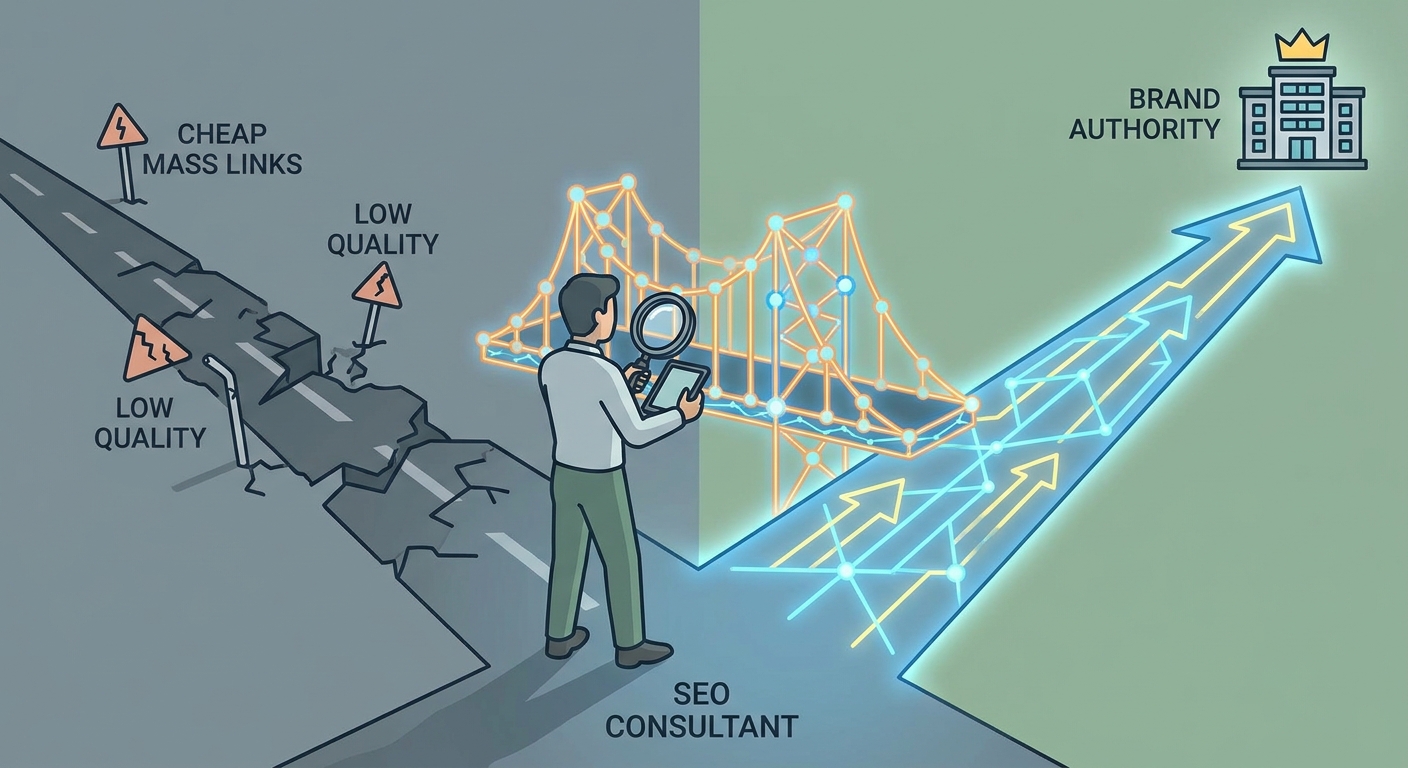
If you’re currently shopping for link building packages, you’re standing at a dangerous intersection. On one side, you have the siren song of "rapid search engine dominance." On the other, the very real risk of algorithmic ruin.
The industry has changed. By 2026, the era of buying bulk, low-quality links is effectively dead. We’ve moved away from the "commodity" mindset toward something far more rigorous: the pursuit of genuine brand authority. A modern link building service isn't just about tweaking your rank; it’s a business growth engine. It’s designed to prove your expertise to both human users and the cold, calculating logic of AI models like Perplexity and GPT-Search.
If a provider is still trying to sell you "100 links for $500," run. They aren't selling you an asset; they’re selling you a liability that could tank your site.
Why Do Backlinks Still Matter in the Age of AI?
You’ll hear people whisper that "SEO is dead" because of AI. That’s a fundamental misunderstanding of how the web actually works. While the interface—the way we ask questions—is changing, the architecture of the internet remains rooted in citation and trust. According to extensive backlink statistics, top-ranking pages continue to hold a massive advantage, boasting 3.8 times more backlinks than those sitting on the second page of results.
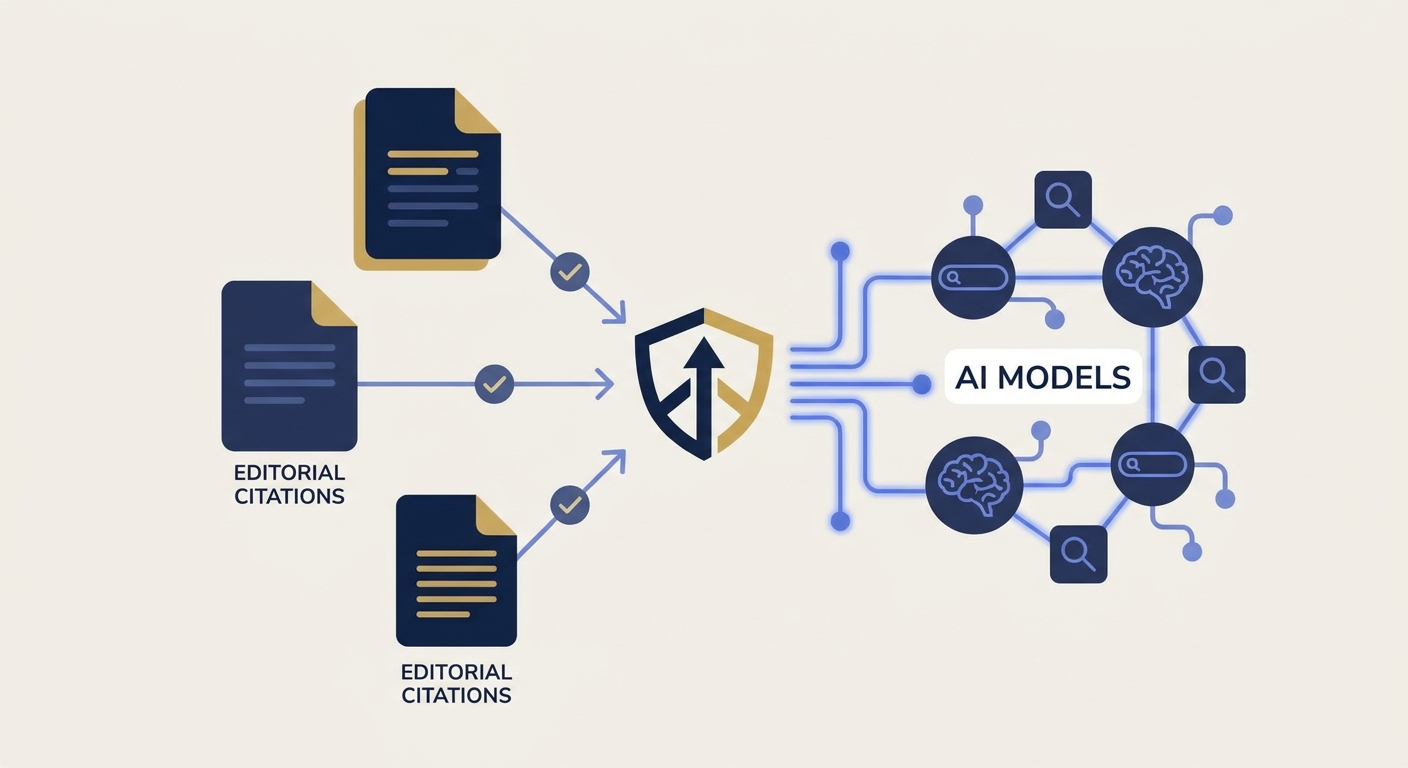
Why does this gap persist? Because AI models aren't magic. They are probabilistic engines. They rely on high-authority citations to verify factual accuracy. When an AI summarizes a topic, it prioritizes sources that have been "voted for" by other reputable domains.
Think of it as a validation layer for your brand. When you invest in a professional link building strategy, you’re buying a seat at the table of authority. This creates a powerful "Snowball Effect": as your domain authority climbs, the cost of acquiring future traffic drops. Your content becomes easier to rank, and your Customer Acquisition Cost (CAC) shrinks. It’s not just about links; it’s about long-term business health.
The Great Divide: What Separates "Spammy Packages" from "Professional Services"?
To know what to expect from a partner, you first need to see the chasm between the old world and the new. Back in 2020, "link building" was a mess of Private Blog Networks (PBNs), directory spam, and comment section manipulation. It was all about volume and deception.
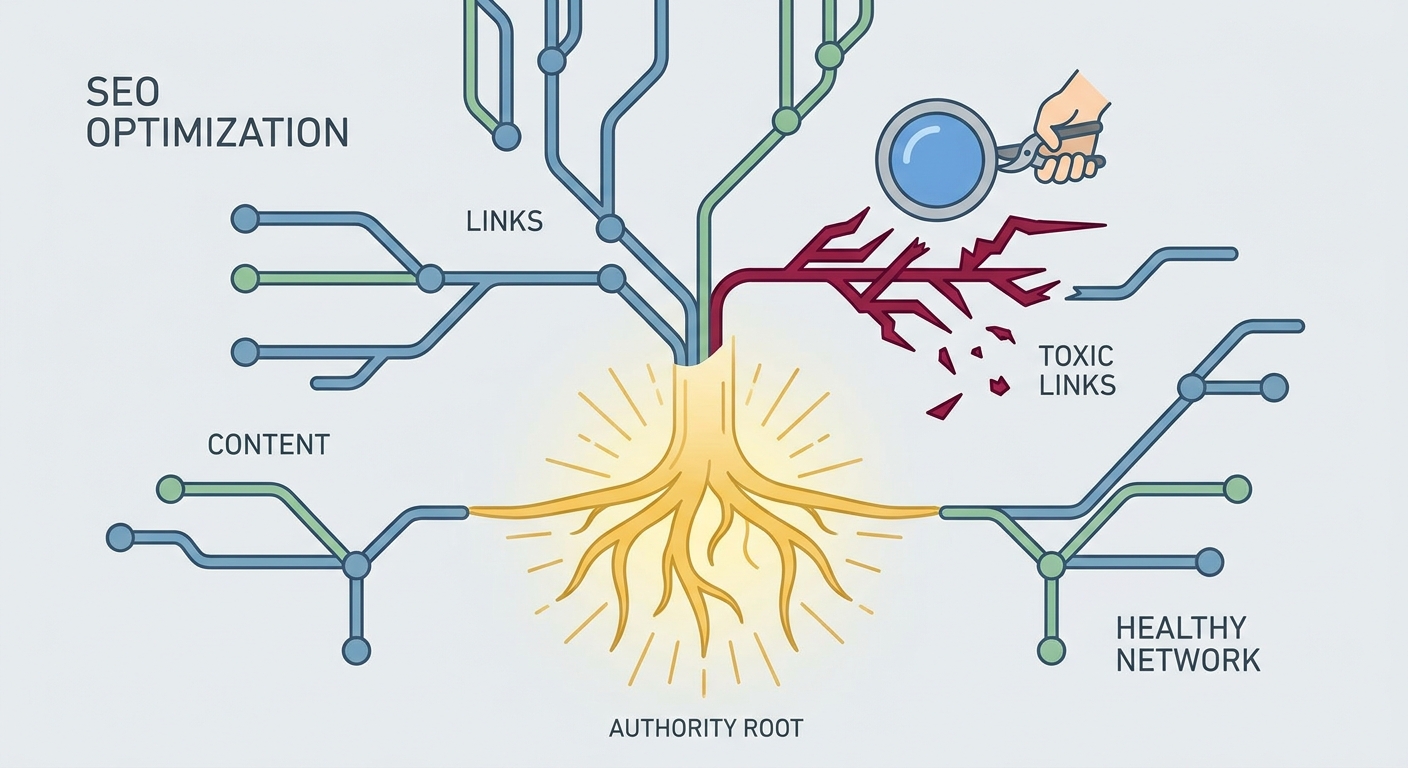
Today, professional link building is indistinguishable from high-level Digital PR and editorial outreach. A professional provider operates on a simple premise: every link you earn is a permanent reflection of your brand’s reputation.
If you encounter a vendor offering "guaranteed" placements at a fixed price, walk away. Those "guaranteed" packages are almost always built on the backs of compromised sites or link farms. They directly violate Google’s Webmaster Guidelines on Link Schemes. If Google catches onto these patterns—and they eventually do—a manual action can erase your site from the index overnight. Is that a risk you’re willing to take?
What Should You Expect from a Professional Link Building Partner?
When you hire an agency, you’re paying for three things: their process, their network, and their editorial standard. You should expect a pipeline that treats quality as the only metric that matters.
The Modern Outreach Pipeline
Beyond the workflow, look for these specific deliverables:
- Vetted Publisher Networks: A pro looks past a Domain Rating (DR). They analyze real traffic, audience demographics, and actual site relevance. A link from a DR 30 site in your niche is worth infinitely more than a link from a DR 70 site that posts about everything from crypto to cat food.
- Editorial Control: You should have the final say on the content published under your brand’s name. If a provider refuses to show you the articles they’re pitching, they’re hiding something. It’s either low-quality writing or a lack of real outreach.
- Transparency: The "black box" era is over. Demand real-time dashboards that track the progress of your outreach, the status of pending placements, and the actual impact on your target keywords.
How to Evaluate a Link Building Proposal
Before you sign a contract, treat the proposal like a technical audit. If you haven't already, ensure your on-page SEO is ready before you start driving external authority to your pages. Once your foundation is rock solid, ask these five questions to separate the experts from the amateurs:
- "Can I see a sample of your recent placements?" If they can't show you real, live examples that look like genuine editorial content, they don't have a strategy. They have a template.
- "How do you define 'authority' for my specific niche?" A good agency talks about topical relevance. Amateurs just talk about DR scores.
- "What is your editorial process?" Look for custom research and unique insights. If it sounds like a robot wrote it, it’s not a link, it’s a burden.
- "How do you track impact on MQLs?" Your partner should understand that links are a means to an end—the end being revenue.
- "What is your contingency plan if a link is removed?" Professional firms stand by their work. If a link disappears due to site owner error, they should have a clear replacement policy.
Strategic Models: Pay-Per-Link vs. Monthly Retainers
The pricing model you choose dictates the behavior of your provider. "Pay-per-link" models are inherently flawed. They incentivize the vendor to find the cheapest, fastest placement possible to pad their margins. This leads to low-quality, high-velocity output that does nothing for your long-term growth.
"Custom Monthly Retainers," on the other hand, align the agency’s goals with yours. A retainer gives the team the breathing room to invest in deeper long-term SEO Strategy Development rather than just churning out links. When you pay for a retainer, you’re paying for the time, research, and relationship-building required to earn links from top-tier publications. Calculate the value of a link not by what it costs, but by the potential traffic conversion and the ranking shift it creates for your high-value business keywords.
The 2026 Outlook: What Does the Future Hold?
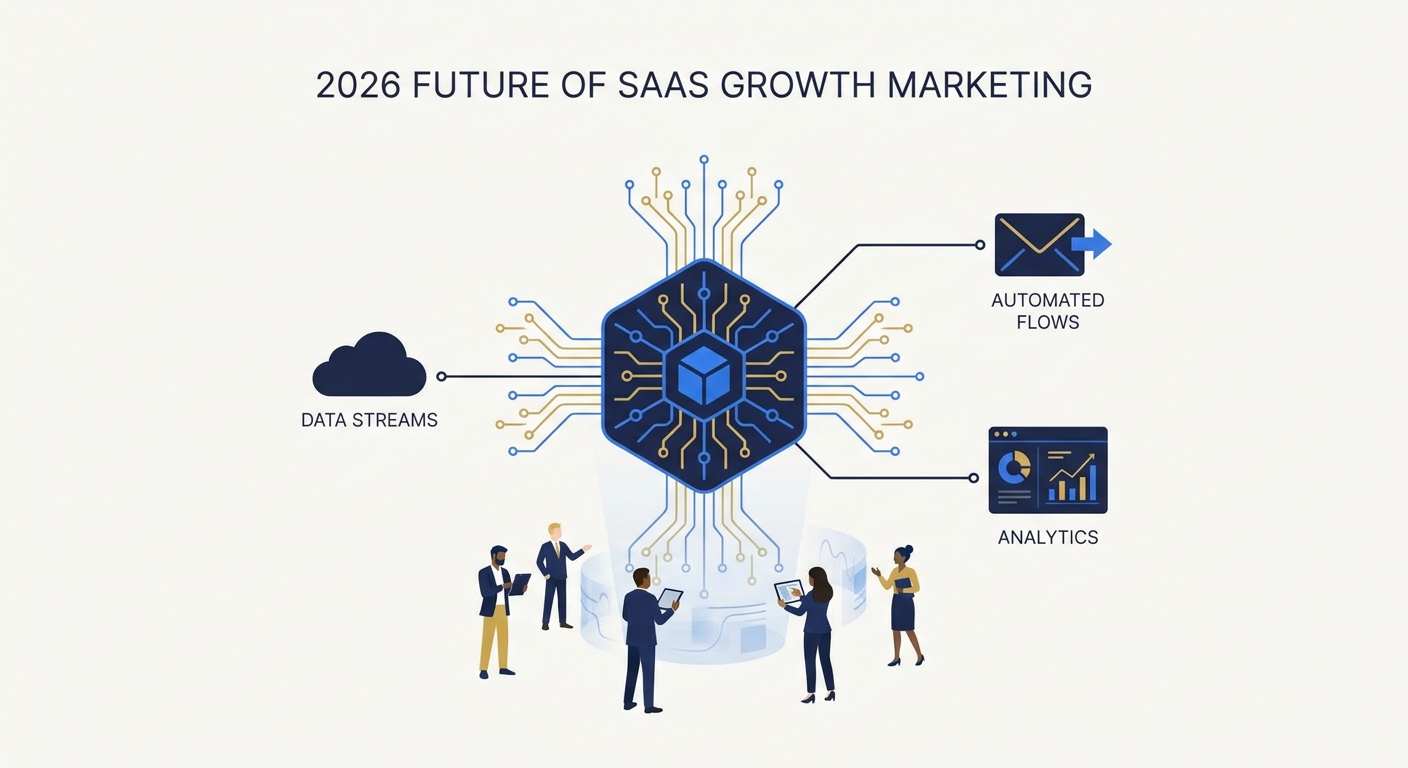
As we look at the State of SEO 2026 trends, it’s clear: we are moving from "Link Building" to "Brand Authority Management." The winners will be the companies that view their backlink profile as a digital footprint of their expertise.
Stop thinking about isolated link-building tasks. Start thinking about integrated campaigns that combine PR, content marketing, and technical SEO. If you want to see how this transition looks in practice, you can view our success stories to see how we’ve scaled authority for SaaS brands by focusing on this holistic, authority-first approach.
Frequently Asked Questions
How many links do I actually need per month to see results?
There is no magic number. It depends entirely on your current domain authority and the competitiveness of your niche. A better approach is to focus on a consistent, sustainable velocity that keeps your growth trajectory steady rather than chasing arbitrary volume targets.
Are "guaranteed" link packages a red flag?
Yes. In SEO, anything "guaranteed"—especially regarding rankings or specific link volumes—is almost always a sign of black-hat tactics that rely on manipulated networks. Professional agencies guarantee their process and their effort, not specific search engine outcomes.
How long does it take to see an impact on search rankings?
SEO is a compounding game. While you might see initial indexing within a few weeks, the true impact on rankings typically begins to materialize in the 3-6 month window as search engines re-evaluate your site’s authority based on the new, high-quality signals.
What is the primary difference between guest posting and professional link building?
Guest posting is a singular tactic; professional link building is a strategic framework. While guest posting is one way to earn a link, a professional approach encompasses digital PR, resource building, broken link recovery, and high-level outreach to secure placements that actually drive traffic and trust.
Can link building directly impact my sales pipeline?
Yes, but indirectly. By increasing your visibility for high-intent, bottom-of-funnel keywords, link building drives more qualified traffic to your site. When those visitors convert into Marketing Qualified Leads (MQLs), the link building work pays for itself through increased revenue and reduced acquisition costs.