SaaS Growth Marketing: Why Link Acquisition Strategies Still Matter in 2026

TL;DR
- ✓ Move beyond link volume to focus on entity-based topical alignment for rankings.
- ✓ Stop chasing high Domain Rating sites that lack contextual relevance to your niche.
- ✓ Build brand authority by integrating your content into the broader industry ecosystem.
- ✓ Leverage E-E-A-T guidelines to establish your SaaS as an authoritative industry entity.
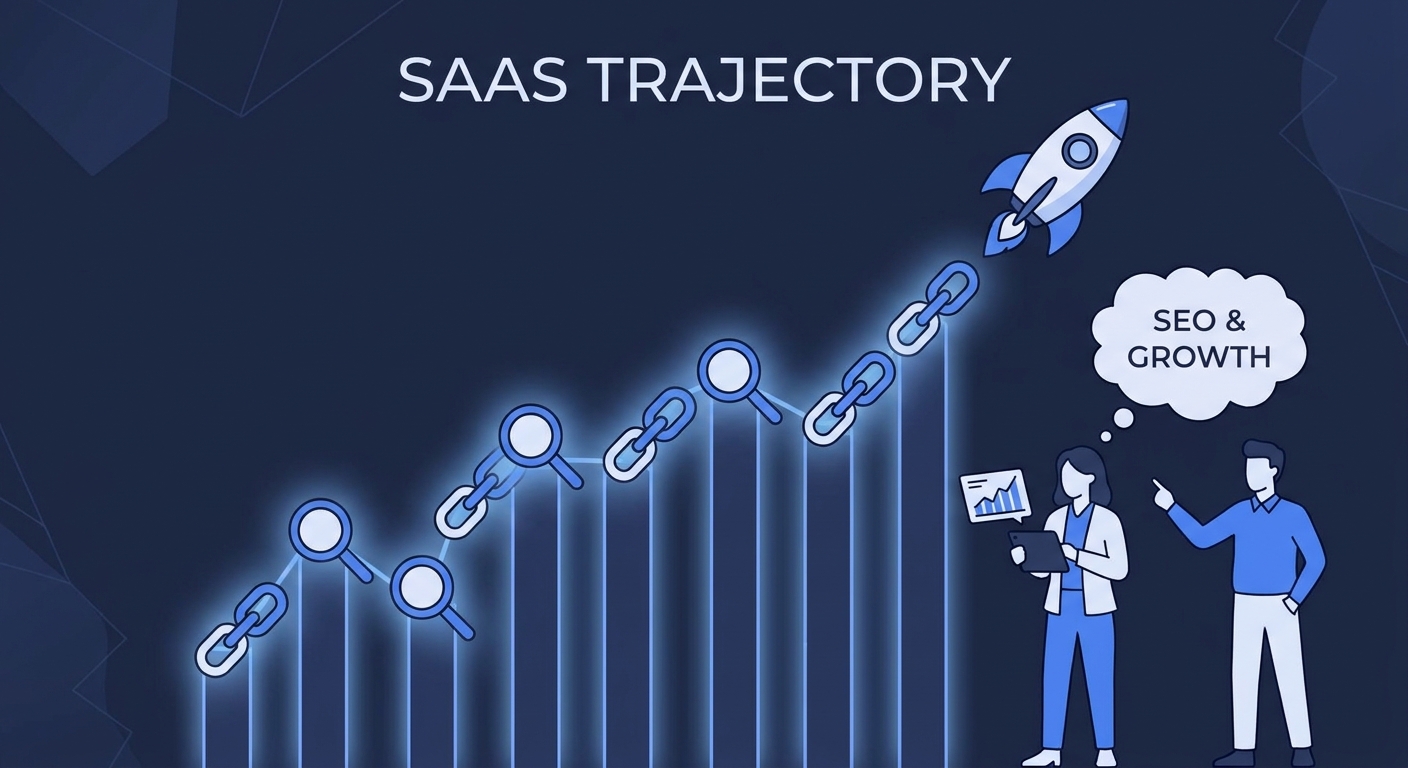
If you’re still treating link building like a volume game—churning out templated outreach, chasing high Domain Rating (DR) sites, and praying for a "do-follow" miracle—stop. Your SEO strategy isn’t just outdated; it’s actively sabotaging your growth.
The era of anonymous link volume is over. Dead. Buried.
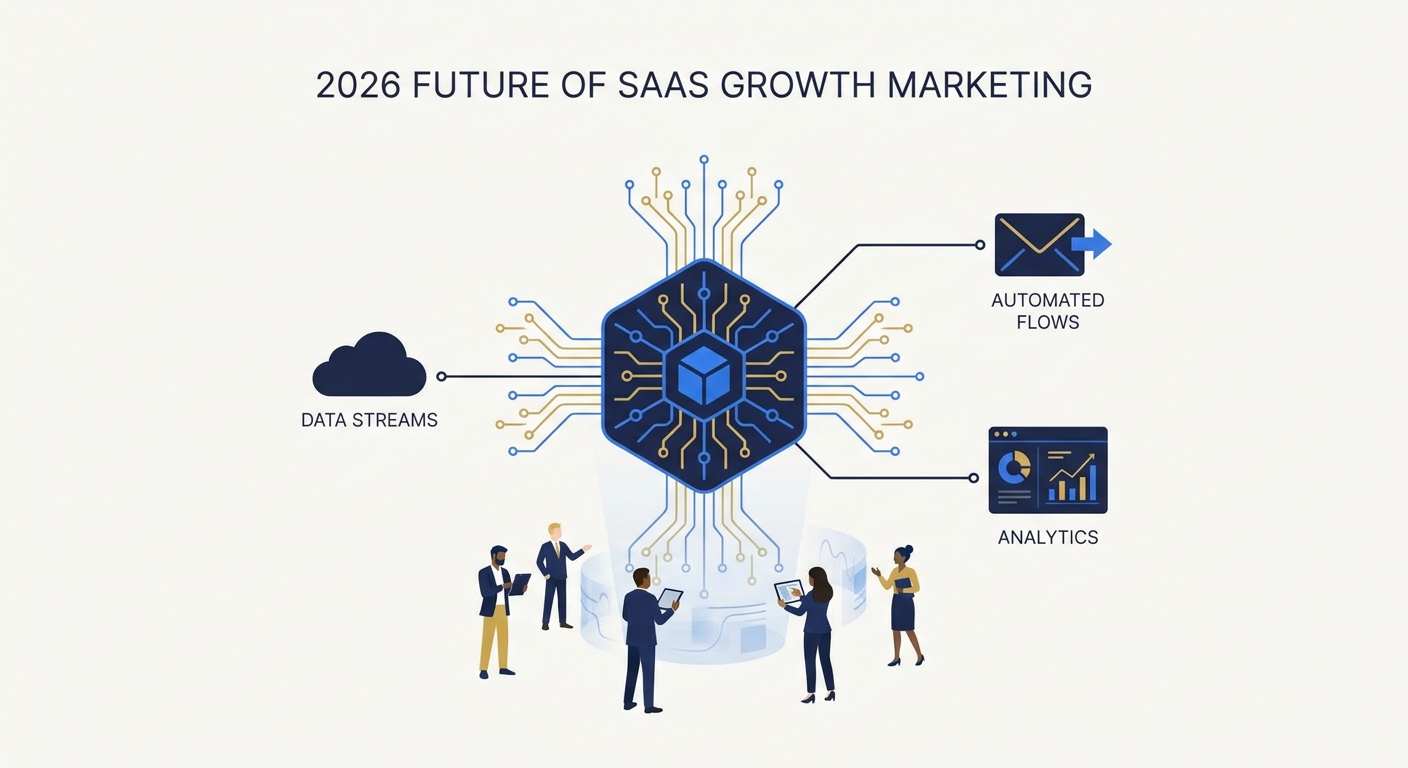
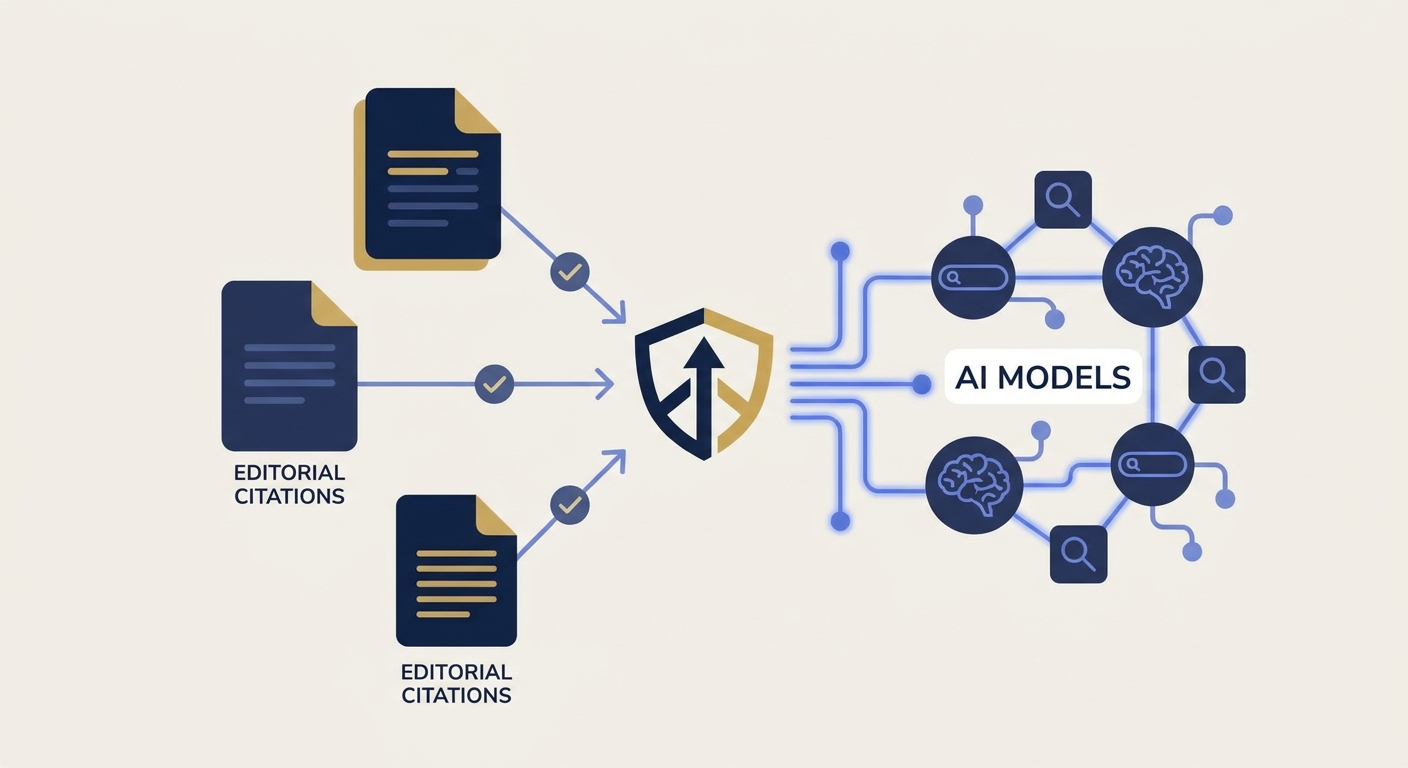
In 2026, we’ve moved into the age of entity-based validation. A single, contextually relevant citation from a niche industry voice is now worth more than fifty generic guest posts from sites that have nothing to do with your product. Link acquisition hasn’t disappeared, but it has transformed. It is now a high-intent signal of your brand’s actual standing within your ecosystem.
The Reality of SaaS SEO in 2026
Google doesn’t count links like a tallyman anymore; it parses them like a librarian. It isn't looking for raw numbers; it’s looking for alignment between your brand entity and your industry’s topical map. This shift is the backbone of Google’s E-E-A-T Guidelines, where Experience, Expertise, Authoritativeness, and Trustworthiness aren't just buzzwords—they are the core of the algorithm.
"Blogging for keywords" is a relic. If you’re still churning out generic 1,000-word articles just to rank for a term, you’re wasting your time. Modern SaaS SEO is about building a comprehensive topical footprint. You aren’t just trying to rank for "CRM software"; you’re trying to prove to the machine that your platform is the authoritative entity for sales operations, lead nurturing, and revenue intelligence.
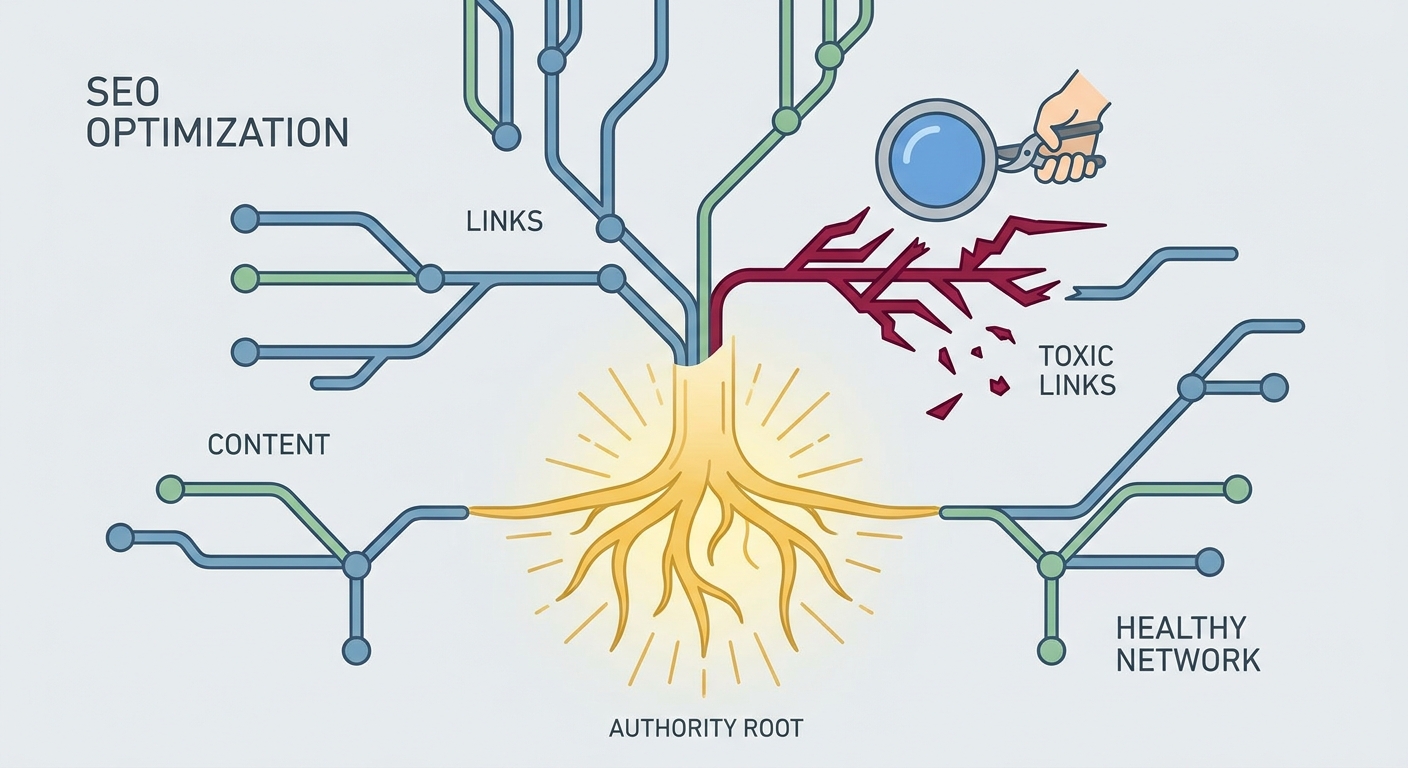
Links are the connective tissue. They bridge your content to the broader industry ecosystem. If your links don't carry topical weight, they are effectively invisible to the systems that actually move the needle.
Why Traditional Link Building Is Failing You
The obsession with Domain Rating (DR) is the most common trap for modern marketing teams. Many SaaS leaders still think a link from a massive, generic news site is the holy grail. It isn't. According to the Ahrefs/Semrush "State of Search" 2026 Report, metrics like DR have lost their luster as reliable predictors of search performance.
When you chase links from high-DR sites that have zero connection to your niche, you aren't building authority—you’re creating digital noise. In an AI-driven search environment, search engines are smart enough to spot "toxic" signals where the backlink profile doesn't match the topical context of the page.
Think about it: If you run a cybersecurity SaaS, a link from a lifestyle blog—no matter how high its DR—is a red flag. It confuses the entity mapping. It signals to Google that your brand isn't an authority on security; it’s an authority on spamming the web.
The 2026 Link Acquisition Framework
Winning now requires a total shift in mindset. Stop "building" links. Start earning them through ecosystem integration. This approach rests on three pillars: Product-Led Linkable Assets (PLAs), Digital PR, and strategic Content Partnership Management.
This strategy moves you away from the transactional, "pay-to-play" world of guest posting. You become a source of truth instead. You build tools people actually want to use, and you provide data that journalists actually want to cite.
What Are Product-Led Linkable Assets (PLAs)?
PLAs are the secret weapon of the fastest-growing SaaS companies today. A PLA is a utility-driven tool that lives on your site—ROI calculators, industry-specific benchmarking tools, or interactive compliance templates. They provide immediate, functional value.
Unlike a dry whitepaper or a generic "10 Tips" blog post, a PLA solves a specific, nagging problem. When a user finds your "SaaS Churn Calculator," they don't just consume the content—they bookmark it. They share it with their team. They link to it from their own internal wikis and industry forums. As we’ve explored in our SaaS Content Strategy Guide, aligning these assets with high-intent keywords ensures your link acquisition is tied directly to the stages of the funnel where your customers are actually opening their wallets.
Turning Internal Data into Digital PR Gold
Digital PR isn't about firing off press releases. It’s about proprietary data. Every SaaS platform sits on a goldmine of anonymized usage data. If you’re in HR software, you have data on hiring trends. If you run a marketing automation tool, you have data on email engagement benchmarks.
The anatomy of a successful campaign is simple:
- Identify the insight: Find a trend in your data that challenges or clarifies a current industry narrative.
- Visualize the story: Journalists don't want spreadsheets; they want charts that tell a story at a glance.
- The "Anti-Outreach" Pitch: Instead of begging for a link, offer a story. "We analyzed 5 million hiring decisions, and we found that X is changing the way remote teams scale."
When you lead with data, you become the primary source. Journalists don't just link to you; they cite you as the authority. This is how you earn high-authority placements without ever sending a single generic cold email.
Measuring True Link ROI
If you’re still measuring success by total backlink count, you’re tracking a vanity metric. True ROI in 2026 is measured by the movement of high-intent keywords and the growth of organic traffic to your product pages.
Monitor your "Authority Gaps"—the delta between your product pages and competitors who are ranking higher for core commercial terms. If a competitor is outranking you, it is rarely because they have more links; it is because they have more relevant links pointing to their commercial pages. If your conversion pages feel stuck, it might be time to look into SaaS Growth Audit Services to identify exactly where your strategy is failing to support your bottom line.
Building a Sustainable Link Ecosystem
Mapping your niche is about identifying the hubs where your customers congregate. This could be specialized Slack communities, industry newsletters, or niche professional associations. Instead of transactional guest posting, focus on "Community Contribution."
If you provide genuine value in these spaces, the links will follow. For those just starting to map these relationships, Backlinko’s Link Building Guide remains a vital foundational resource for understanding the mechanics of how these relationships influence search visibility when applied correctly to a specific, high-intent ecosystem.
Frequently Asked Questions
Does link building still work for SaaS in 2026?
Yes, but the focus has shifted from quantity to contextual relevance. Links are now processed by search engines as signals of entity authority within a specific industry.
What is the biggest mistake SaaS companies make with link building today?
The biggest mistake is chasing high Domain Rating (DR) sites that have no topical overlap with their product. These links often act as "noise" rather than authority signals.
How do I measure if my link building is actually helping my SaaS grow?
Stop tracking just the "number of links." Start tracking organic traffic growth to high-intent product pages and the upward movement of your core commercial keywords.
What are Product-Led Linkable Assets (PLAs)?
These are free, utility-based tools—such as ROI calculators, industry benchmarks, or interactive templates—that provide immediate, functional value to users, encouraging natural sharing and high-authority backlinks.