Project Xanadu - The Internet That Might Have Been : r ...

TL;DR
- ✓ Project Xanadu aimed to create a seamless, interconnected web of human knowledge.
- ✓ Ted Nelson proposed bi-directional links to prevent broken 404 error pages.
- ✓ Transclusion allows content to be referenced dynamically instead of using copy-paste.
- ✓ Modern internet architecture remains a fragmented shadow of Nelson's original prophetic vision.
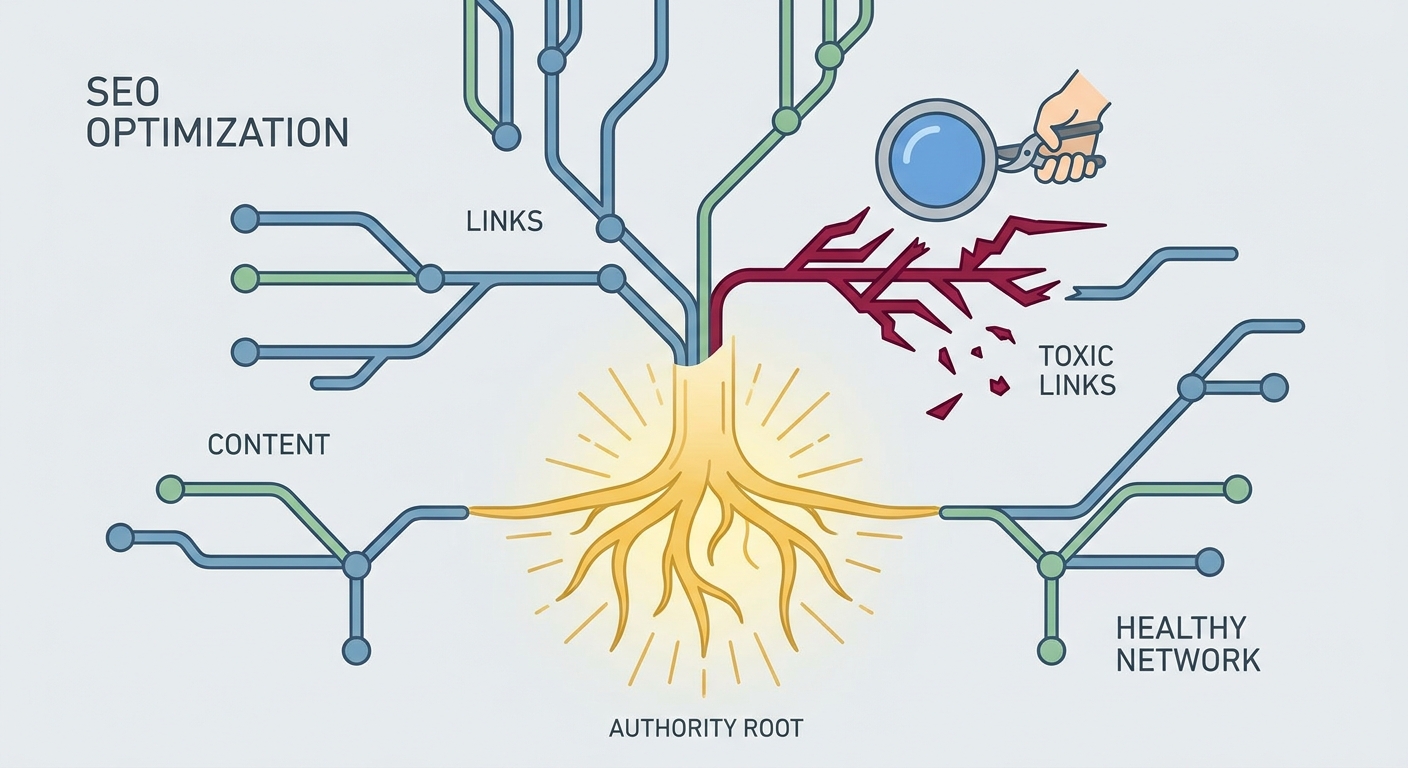
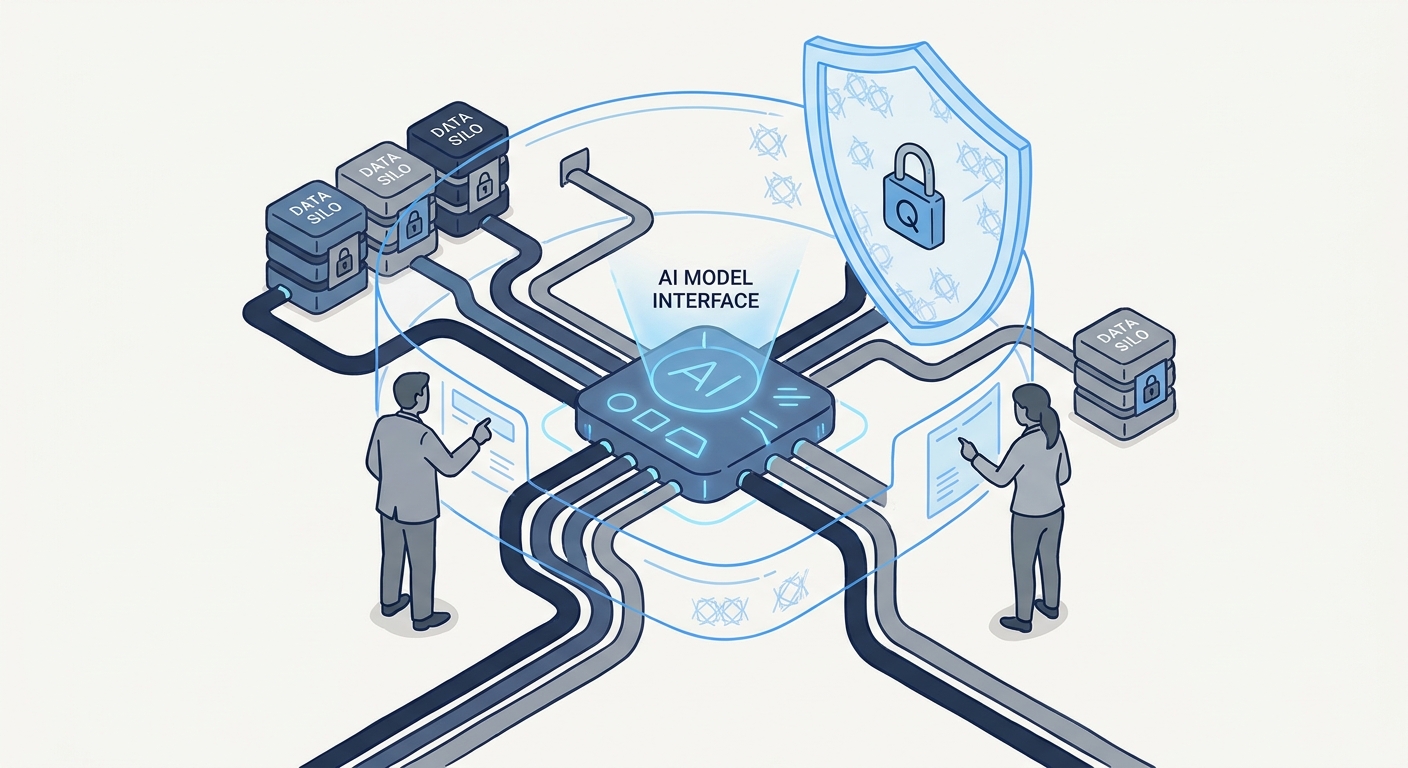
The web we use today is a digital graveyard. It’s a mess of broken 404 errors, walled gardens run by tech giants, and a chaotic battlefield where intellectual property is treated as fair game. We live in a world where "copy-paste" is the law of the land, leading to a fragmented reality where attribution is an afterthought and our data is locked away in high-security silos.
But it didn't have to be this way.
Decades before we were doom-scrolling, Ted Nelson had a different vision. He didn't want a series of disconnected pages; he wanted a seamless, interconnected tapestry of human knowledge. Project Xanadu wasn't just another failed tech startup—it was a prophetic blueprint. And looking at the way we’re struggling to fix the internet today, it’s clear we’re only just starting to claw our way back to what Nelson saw fifty years ago.
The Memex and the Spark of Obsession
To really grasp the scale of Nelson’s ambition, we have to rewind to 1945. Vannevar Bush wrote a seminal essay, As We May Think, right as the smoke was clearing from World War II. Bush imagined the "Memex," a desk-like machine that would act as a physical extension of the human brain. It would store your books, your records, your letters—and most importantly, it would allow you to create "trails" of association between them.
This was the spark. Bush understood that the human mind doesn’t store information in neat, linear filing cabinets. We think in connections. We think in webs.
Nelson took this spark and ran with it. While the internet eventually grew into a loose collection of documents held together by fragile, one-way pointers, the Memex vision demanded something much tougher. Nelson wanted a system that mirrored the messy, complex reality of human thought, where every single document was part of a permanent, living whole.
The Pillars of the Xanadu Vision
Xanadu rested on three big, radical ideas: Hypertext, bi-directional linking, and transclusion.
We use "hypertext" every time we click a link, but our current version is a pale, flickering shadow of what Nelson proposed. In the Xanadu world, links weren't just one-way exits to a potential error page. They were permanent, two-way streets that allowed for real collaboration.
But the real magic trick? That’s "Transclusion."
Right now, if you want to quote someone, you copy their text, paste it into your document, and pray you remembered to give them credit. You’ve just created a duplicate—a severed limb, disconnected from the original.
Transclusion kills that problem. Instead of copying data, you reference the source. The system pulls the original content into your document dynamically. If the author updates the source, your document updates automatically. It’s a system built on provenance, not duplication. It’s the difference between a photocopy and a live window.
Why Xanadu "Failed" While the Web Succeeded
If Xanadu was such a genius leap forward, why are you reading this on the World Wide Web instead of a Xanadu-based network?
It comes down to a brutal truth about software: adoption matters more than perfection. As noted in The Xanadu Dream by Coding Horror, the web won because it embraced a "worse is better" philosophy. Tim Berners-Lee built something simple, messy, and forgiving. You could build a webpage with nothing more than a text editor and a dream.
Xanadu was the opposite. It was a masterpiece of technical rigor that demanded perfection—and it was an all-or-nothing deal. To make it work, every server in the network had to follow an incredibly complex, unified protocol.
Think of it like this: the Web is a bicycle. It’s easy to build, easy to ride, and you can take it anywhere, even if it isn't the fastest way to cross a continent. Xanadu was a high-speed, maglev train system. It was brilliant, but it required the entire track to be laid perfectly before the first train could leave the station.
As Gwern’s analysis of Xanadu points out, the tragedy of perfectionism is that it often keeps a product from ever seeing the light of day. Xanadu spent decades in development cycles chasing a flawless architecture, while the web grew organically, chaotically, and inevitably. By the time Xanadu was ready to show its face, the web had already become the standard.
The Modern "Second Brain" Movement and the Return of Xanadu
We’re in the middle of a quiet revolution. People are exhausted by the fragmentation of the web. That’s why we’re seeing the surge of tools like Obsidian, Roam Research, and Notion. These platforms are basically "Xanadu-lite."
They’re built on the back of bi-directional linking. Users are finally getting to see not just where a page points, but what points to it. It’s the realization of Nelson’s vision on a micro-scale. As we explore in our guide to Personal Knowledge Management, the modern user is over static folders. They want networked thought. When you use a "backlink" today, you’re using the same logic Nelson proposed fifty years ago. We’ve finally collectively realized that the human mind needs a digital home that matches its own messy, interconnected nature.
Can Transclusion Solve the AI and Content Scraping Crisis?
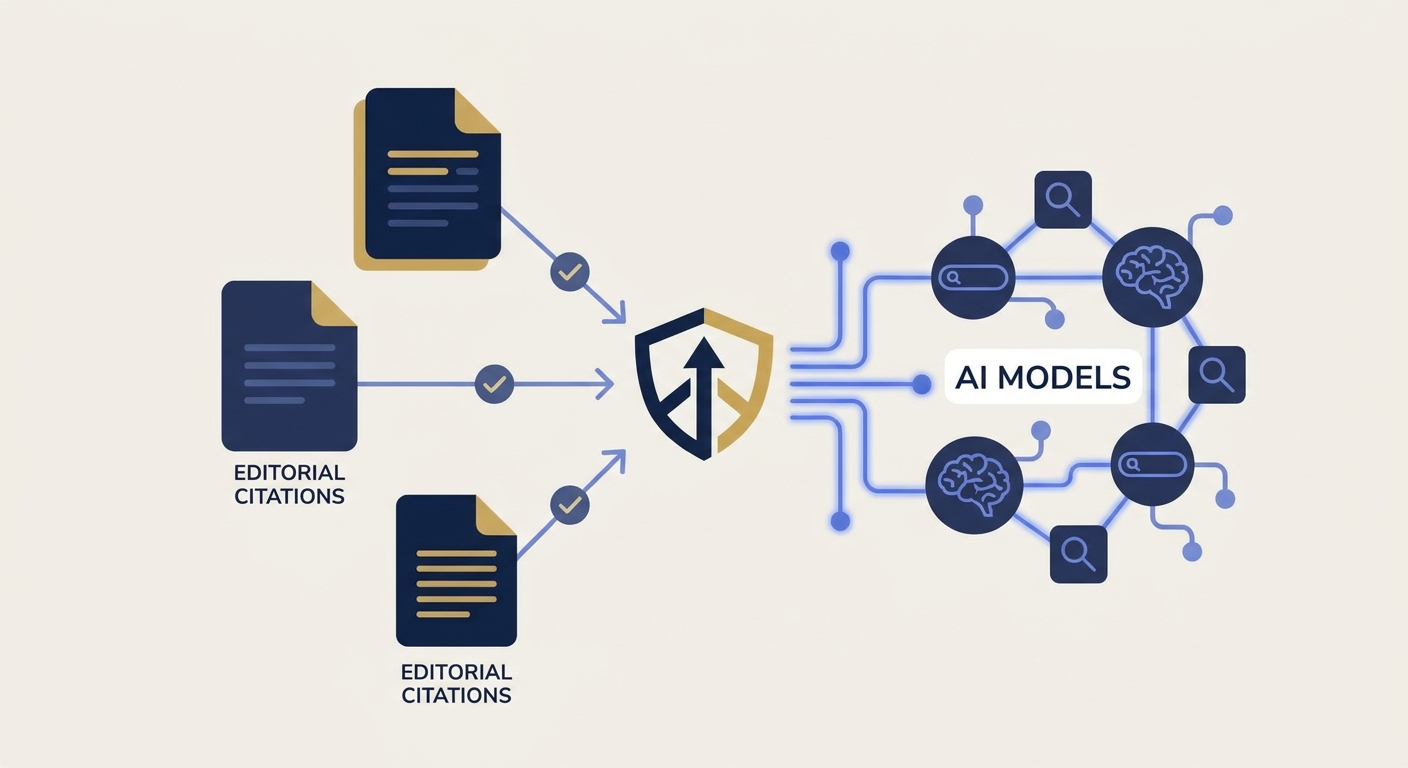
Let’s be honest: the current state of AI is just a massive, non-consensual game of "copy-paste." Large Language Models ingest the entire internet, stripping away context, provenance, and attribution. The creators are left holding the bag.
If we had adopted a Xanadu-style model, this crisis would look completely different. In a world of transclusion, every piece of information stays tethered to its source. Any AI "reading" that content would be forced to reference the source dynamically.
This would pave the way for automated attribution and micro-payments. It would shift the entire digital economy from a model of theft to a model of digital provenance, as discussed in our analysis on the future of decentralized information.
The Legacy: What Can We Learn from Xanadu Today?
The lesson of Xanadu isn't that perfection is bad. It’s that usability is the real currency of the digital age. We have to admire the vision, but we also have to recognize the strategic failure of the execution. Software has to be usable before it can be perfect.
But we shouldn't throw the dream out with the bathwater. The things we’re missing—permanent links, true attribution, non-destructive editing—aren't just academic pipe dreams. They are the missing pieces of a mature, sustainable digital civilization.
You can dig into the ongoing evolution of these concepts at Ted Nelson’s Xanadu Homepage, which stands as both a museum and a blueprint for what could have been. The internet is still growing up. And honestly? The features we’re desperate for today might just be the ones Ted Nelson proposed half a century ago.
Frequently Asked Questions
Why did Project Xanadu fail to launch?
Xanadu failed to reach the mainstream because it prioritized an over-engineered, perfect architecture over the "good enough" simplicity of the World Wide Web. Its long, secretive development cycles and lack of a public API made it impossible for the project to compete with the rapid, open-source growth of the web.
What is Transclusion and why does it matter?
Transclusion is the act of referencing content by pulling it dynamically from the source rather than copying it. It matters because it preserves attribution, maintains the original provenance of data, and ensures that when the source content is updated, every instance where it is "transcluded" is updated as well.
Is Project Xanadu still active today?
Yes, the project persists as a cult classic in software engineering circles. It remains a subject of intense study and intellectual curiosity, with the official Xanadu website continuing to track development and archival efforts.
How is the modern internet different from what Ted Nelson envisioned?
The modern internet is defined by "walled gardens," broken links, and the loss of content provenance. Nelson envisioned a decentralized, bi-directional, and transparent network where every document was permanently linked to its origins, rather than the siloed, ephemeral experience we have today.
Why is Xanadu often labeled as "vaporware"?
Xanadu earned the "vaporware" label because of its decades-long development process, during which it promised a revolutionary new way to use computers but failed to deliver a consumer-ready, accessible product. The contrast between its grand, visionary claims and the lack of a tangible, widespread release cemented this reputation.