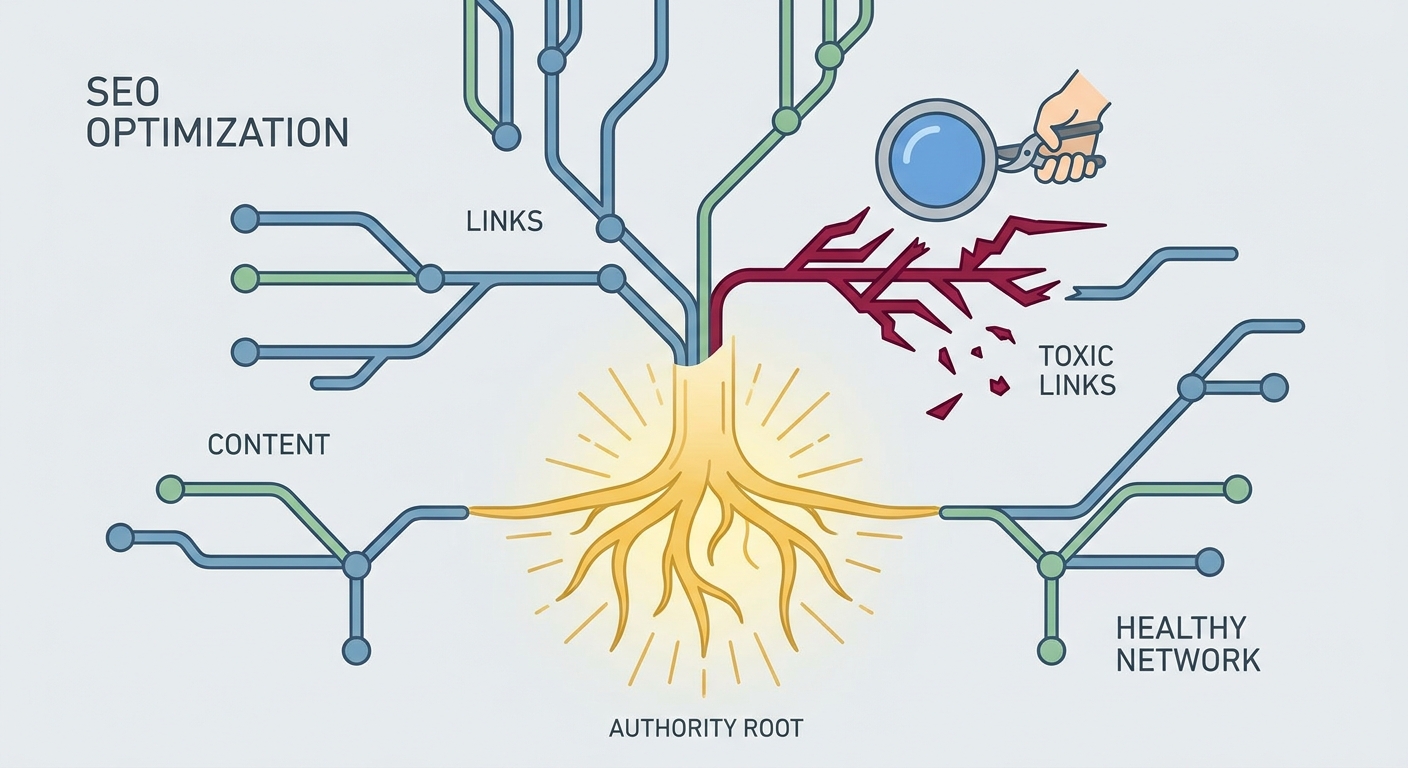
Paid Guest Posting: Is Buying Placements Worth It in 2025?

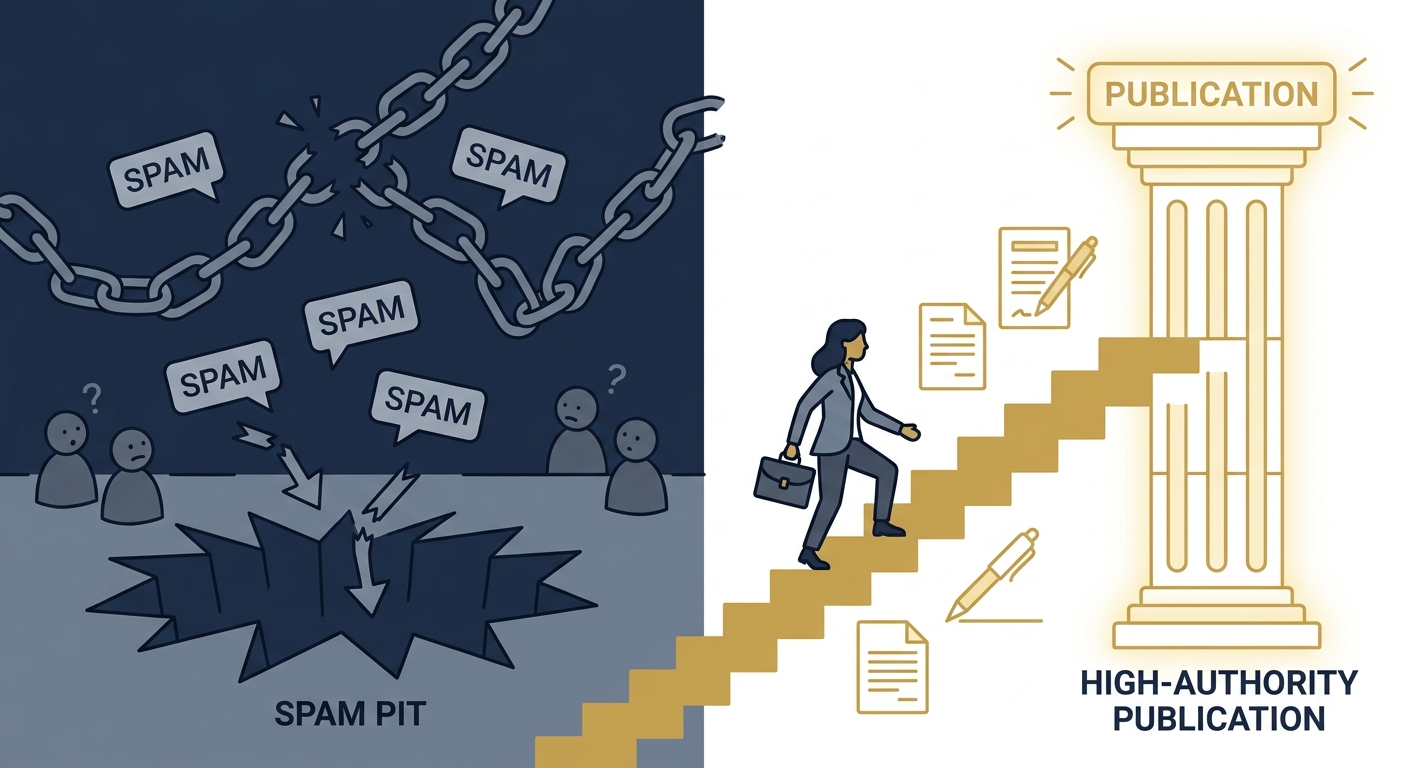
TL;DR
- ✓ Buying low-quality guest posts creates a direct risk of Google penalties.
- ✓ Legitimate editorial placements remain a powerful strategy for scaling brand authority.
- ✓ Modern SEO success requires focusing on referral traffic over vanity metrics like DA.
- ✓ Always audit sites for organic traffic before investing in paid guest post services.
If you’re hunting for a simple "yes" or "no," here it is: buying low-quality guest posts isn't just a waste of money in 2025—it’s a direct threat to your search engine visibility.
But don't get it twisted. Paying for legitimate, high-authority editorial placements remains one of the most effective ways to scale your brand. The difference boils down to intent, quality, and the massive canyon between a shady "link farm" and a respected digital publication. If your 2025 strategy relies on buying cheap packets of links from sites that nobody actually reads, you aren’t building authority. You’re just paying for a future manual action from Google.
The "Death" of Guest Posting: What Actually Changed?
For years, the SEO industry treated guest posting like a vending machine. You’d drop $50 in, hope a link popped out, and pray your rankings climbed. That era? It's toast.
The last eighteen months have marked a hard pivot. We’ve moved away from "link building" as a mechanical chore and toward "authority building" as a legitimate business strategy.
Google’s recent updates, particularly those focused on link spam policies, have made the message loud and clear: if a link exists only to game the system and offers zero value to a human, it’s a liability. Modern search engines are smarter than that. They aren't just checking anchor text or Domain Authority (DA). They’re looking at referral traffic. They’re checking if the content on that page is actually being read. They’re analyzing whether the site is a hub of real information or just a hollowed-out graveyard of outbound links.
Why Is the Industry Still Obsessed with "Buying" Links?
Despite the obvious risks, the pressure to "buy" is still everywhere. According to the Ahrefs State of Backlinks Report, a huge chunk of the SEO world still views paid placements as a necessary evil.
Why? Because of the "DA-chasing" culture that has poisoned the industry for a decade. SEOs are constantly pressured to show "growth" on vanity metrics like Domain Authority. Buying links is the fastest—and most fragile—way to inflate those numbers.
The problem is a total lack of nuance. There is a massive difference between a clearly marked "Sponsored" post on a reputable, high-traffic industry publication—which is just advertising—and a hidden, paid link on a site that mimics a news portal but functions like a link farm. The former buys you visibility and potential customers. The latter? It buys you a ticking time bomb.
How Can You Distinguish Between a Premium Editorial and a Link Farm?
Vetting is the most important skill an SEO pro can have today. You have to look past the surface. A site with high DA but zero organic traffic is a red flag. A site that publishes content on everything from "best crypto wallets" to "dog grooming tips" in the same week? That’s a massive red flag.
Use this vetting process to filter your prospects:
If a site’s outbound-to-inbound link ratio is skewed toward sending links out, dump it. If the content reads like a robot wrote it, dump it. Your goal is to find sites that people actually visit for reasons other than your link.
What Are the Real Risks of Outsourcing Your Guest Posting?
There’s a harsh reality known as the "80% Rule": roughly 80% of "affordable" guest posting services are just masking PBNs (Private Blog Networks) or low-quality content farms.
When you outsource your link building to a service that promises "10 high-DA links for $500," you aren’t getting access to premium, curated editorial spaces. You’re getting access to their private network of forgotten, spammy domains. The long-term cost is far higher than the upfront price. A manual action from Google can wipe out years of hard-earned organic growth overnight. If you need a more sustainable approach, exploring our SEO services can help you prioritize site health over raw, dangerous link volume.
Is There a "Right" Way to Pay for Placements?
Yes, but it starts with changing your vocabulary. Stop calling it "link buying" and start calling it "editorial sponsorship."
Legitimate publications have costs. Writers, editors, and web hosting aren't free. Paying a fee to have an expert-authored, high-value piece of content featured on a relevant site is standard practice in digital PR.
The differentiator is the value of the content. If you're paying for a placement, the content should be so good that it deserves to be there, link or no link. Focus on referral traffic. If the article drives real, qualified visitors to your site, the link is just a secondary bonus. For more on how to manage this at scale, check out this Search Engine Land link building guide.
The ROI of Quality: A Comparative Case Study
Let’s look at the math.
- The $50 Link Farm Post: You pay $50. You get a link on a site with no organic traffic. Google eventually flags the site as a spam network. Your link is devalued, and you’ve wasted $50 plus the hours spent writing the content.
- The $500 High-Authority Editorial: You pay $500 to a niche-relevant, high-traffic industry blog. You write a piece that actually helps people. The post stays live for years, drives 500 visitors to your site (some of whom convert), and provides a high-quality, trusted backlink that strengthens your site's authority.
The $500 post isn't 10 times more expensive; it’s an actual marketing asset. The $50 post is just technical manipulation waiting to break.
How Do You Build Relationships That Lead to Earned Placements?
The best links are the ones you don't have to pay for. This is the "relationship-first" framework.
Instead of pitching a link, pitch a partnership. Find the editors and writers who cover your niche. Engage with their work. Offer them unique data or expert insights that make their job easier. When you provide value first, you earn the right to ask for a mention. Furthermore, focus on author bio links. They look far more natural than keyword-stuffed anchor text in the middle of a paragraph. For a deeper look at how this fits into your broader goals, check out our Content Marketing Strategy Guide.
AI vs. Human: Is Your Guest Content Getting Flagged?
Google is getting incredibly good at spotting AI-generated fluff. If your guest post looks like it was churned out by a chatbot in ten seconds, editors will reject it, and search engines will ignore it.
Premium sites are gatekeepers. They protect their reputation by only publishing high-quality, human-authored, expert-led pieces. If you want a placement on a top-tier site, you must invest in content that carries a unique voice, original research, or genuine professional experience. AI can help you outline, but the final polish has to be human.
Frequently Asked Questions
Will Google penalize me for buying guest posts?
Google’s guidelines explicitly prohibit buying links that pass PageRank. If you are buying "hidden" paid links or participating in link schemes, you risk a manual action or algorithmic devaluation. If you are paying for clearly labeled sponsored content, you are generally in the clear, provided the content itself offers genuine value.
How can I tell if a site is a link farm?
Check the outbound link ratio. If a site links out to hundreds of different, unrelated niches, it is a link farm. Other signs include a lack of organic traffic growth, content that is clearly AI-generated, and a lack of social proof or community engagement.
Is guest posting still worth it for small, local businesses?
Yes, but only if you focus on local relevance. Getting a guest post on a local news site or a regional industry blog is far more valuable for a local business than a generic, high-DA link from a site halfway across the world.
What is the difference between Sponsored content and a regular guest post?
Sponsored content is a commercial transaction where you pay for placement, and it should be clearly disclosed as such. A regular guest post is an editorial contribution based on the value of the information provided. The latter is generally preferred for SEO, while the former is a legitimate advertising tactic.
How do I audit my existing link profile for "bad" paid posts?
Start by reviewing your backlink profile in a tool like Ahrefs or Semrush. Look for clusters of links from low-traffic sites that all appeared around the same time. If you find a pattern of "spammy" links that correlate with a drop in rankings, consider using the Google Disavow tool—though use it with extreme caution and only as a last resort.