What is the linking strategy?

TL;DR
- ✓ Traditional link building is dead and replaced by genuine digital authority and E-E-A-T.
- ✓ Focus on link earning through high-value assets rather than manipulative spammy outreach tactics.
- ✓ Use the 30/40 rule to diversify your backlink profile and avoid algorithmic penalties.
- ✓ Prioritize Digital PR to gain natural citations from reputable and trusted industry publications.
In 2026, the term "link building" feels like a relic from a dusty SEO textbook. If you’re still hunting for directory placements or firing off mass-email outreach, stop. You aren’t building a strategy; you’re building a ticking time bomb.
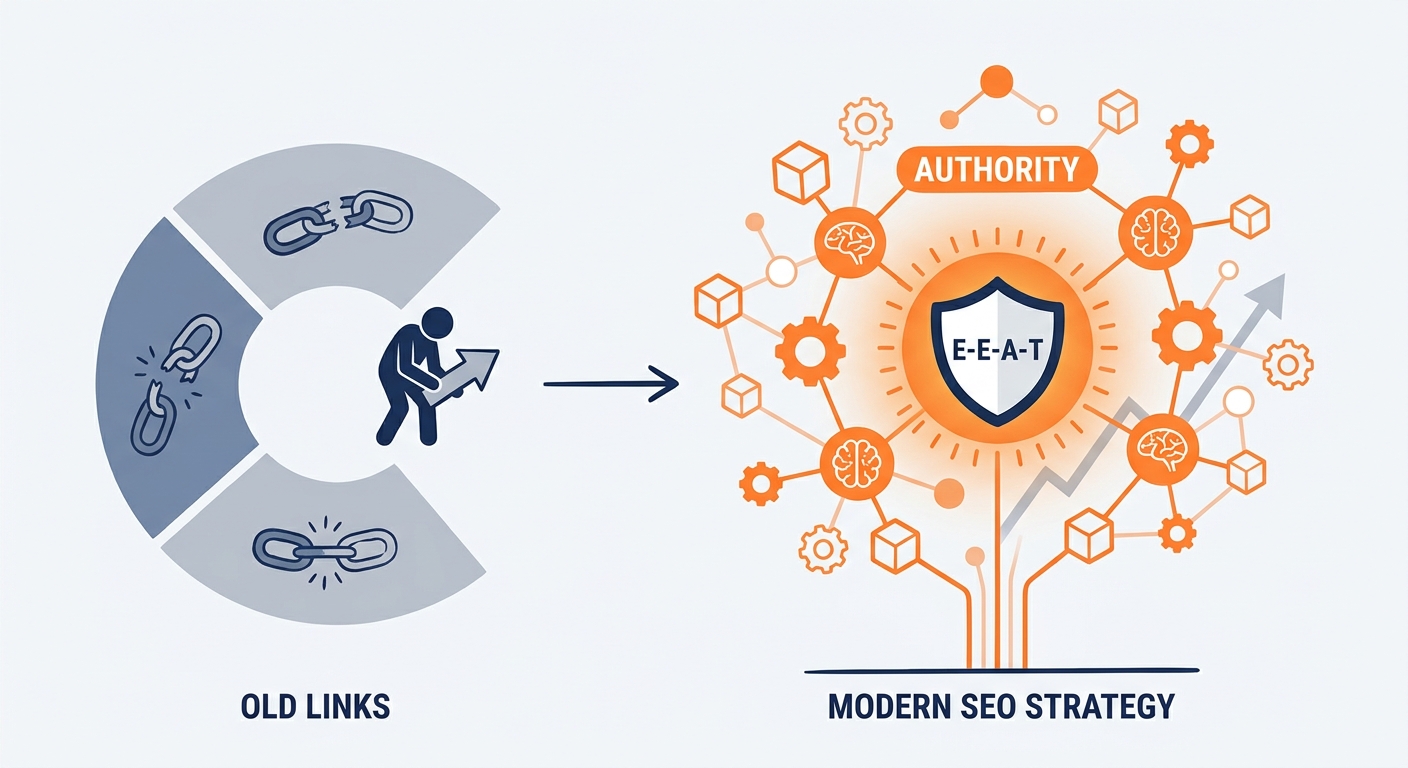
Today, a linking strategy isn't about numbers. It’s about earning digital authority. You’re positioning your brand as an indispensable source of truth. Search engines—now firmly in their AI-first era—are obsessed with E-E-A-T (Experience, Expertise, Authoritativeness, and Trustworthiness). A link today is a high-stakes vote of confidence. When someone links to you, they’re telling the world (and Google) that your proprietary data or original insights are worth their reputation. If you’re buying placements or spamming inboxes, you’re just begging for SpamBrain to dismantle your site.
Why the "Link Building" of Yesterday is Dead
For years, the industry treated backlinks like cheap currency. We traded cash for placements on bottom-tier blogs, built PBNs to fake authority, and buried inboxes in generic "guest post" requests.
That game is over.
Search engines have evolved. They’ve gone from counting links to understanding intent. When you treat a backlink as a commodity, you’re effectively trying to manipulate the system. Google’s SpamBrain is now sophisticated enough to spot the difference between a genuine citation and a manufactured one. Sudden spikes in low-quality domains? Weird anchor text patterns? The algorithm sees it all.
The 2026 standard is "link earning." We’ve shifted from aggressive acquisition to strategic attraction. You’re not trying to trick the machine anymore. You’re trying to provide so much value—through data, journalism, or utility—that editors and creators link to you because your work makes their work better.
What Does a Modern, Google-Compliant Linking Strategy Look Like?
Compliance starts with one simple question: Does this link make sense for a human reader? If the answer is no, it’s a waste of time. Google has been crystal clear about Link Best Practices. If the primary goal is to manipulate rankings rather than help the reader, you’re breaking the rules.
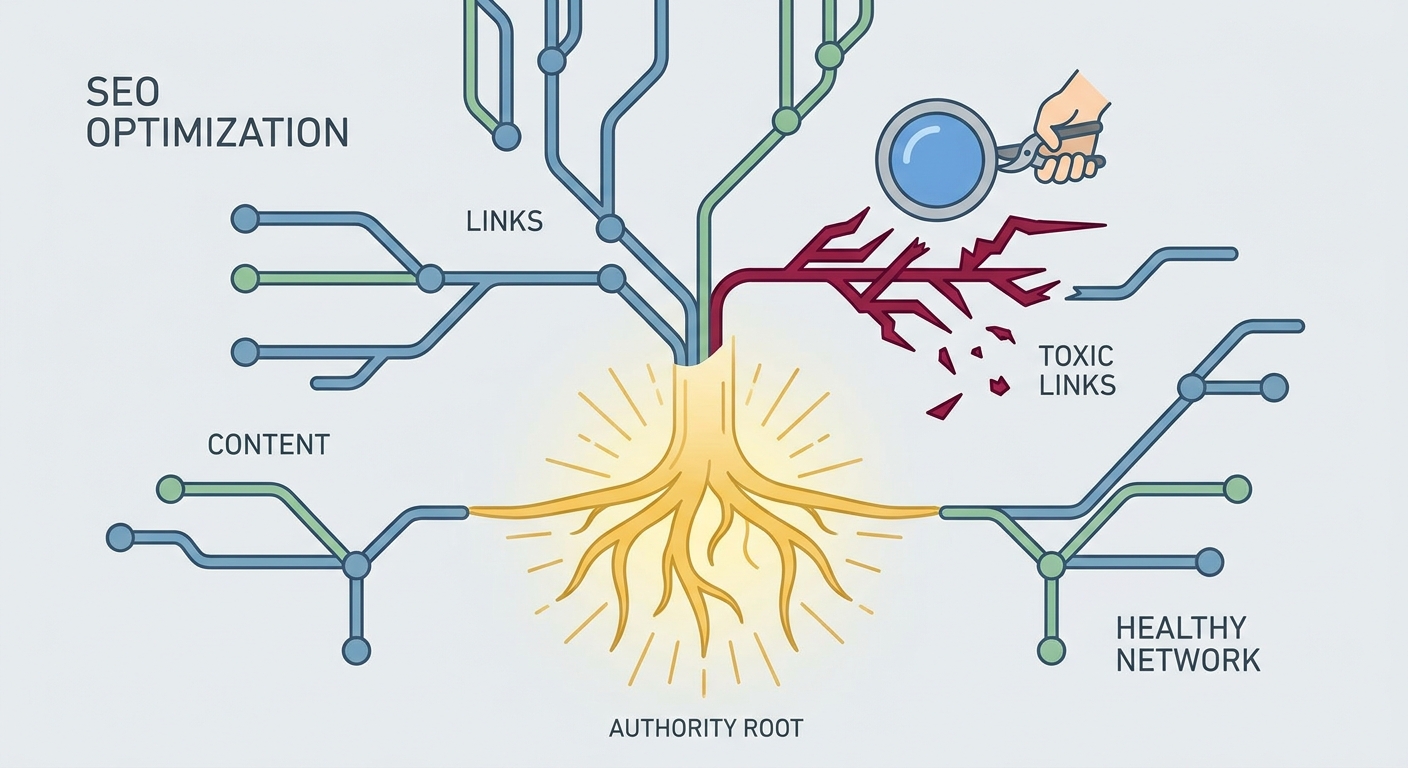
To stay safe, I follow the "30/40 Rule." It’s a defensive framework. It keeps your backlink profile looking organic. No single tactic—whether it’s Digital PR, broken link building, or resource page acquisition—should account for more than 30–40% of your total profile. If 90% of your links come from one source, you’re waving a neon sign at the algorithm. Diversify, or risk getting wiped out by the next update.
How Do You Build a Sustainable Link Profile? (The 2026 Playbook)
Sustainable authority is a lifecycle, not a one-off campaign. Stop thinking about "outreach" and start thinking about "Digital PR." You need to create assets that are genuinely newsworthy and pitch them to the publications your audience actually trusts.
Original research is the gold standard in 2026. Data is the only thing that can’t be easily faked or replicated. When you publish a report backed by proprietary data, you give journalists something they can’t find anywhere else. You stop being a content mill and start being a source of intelligence.
The cycle is simple: Find a knowledge gap. Fill it with data. Package it into a study, a calculator, or a deep-dive report. Then, your pitch shifts from "Can we write for you?" to "Here is data that proves your point." It’s the difference between being a pest and being a partner.
Why Should You Prioritize Digital PR Over Traditional Outreach?
The economics of the web have changed. Volume is out; authority is in. Traditional outreach—the kind that nets you hundreds of directory links—offers diminishing returns and massive risk.
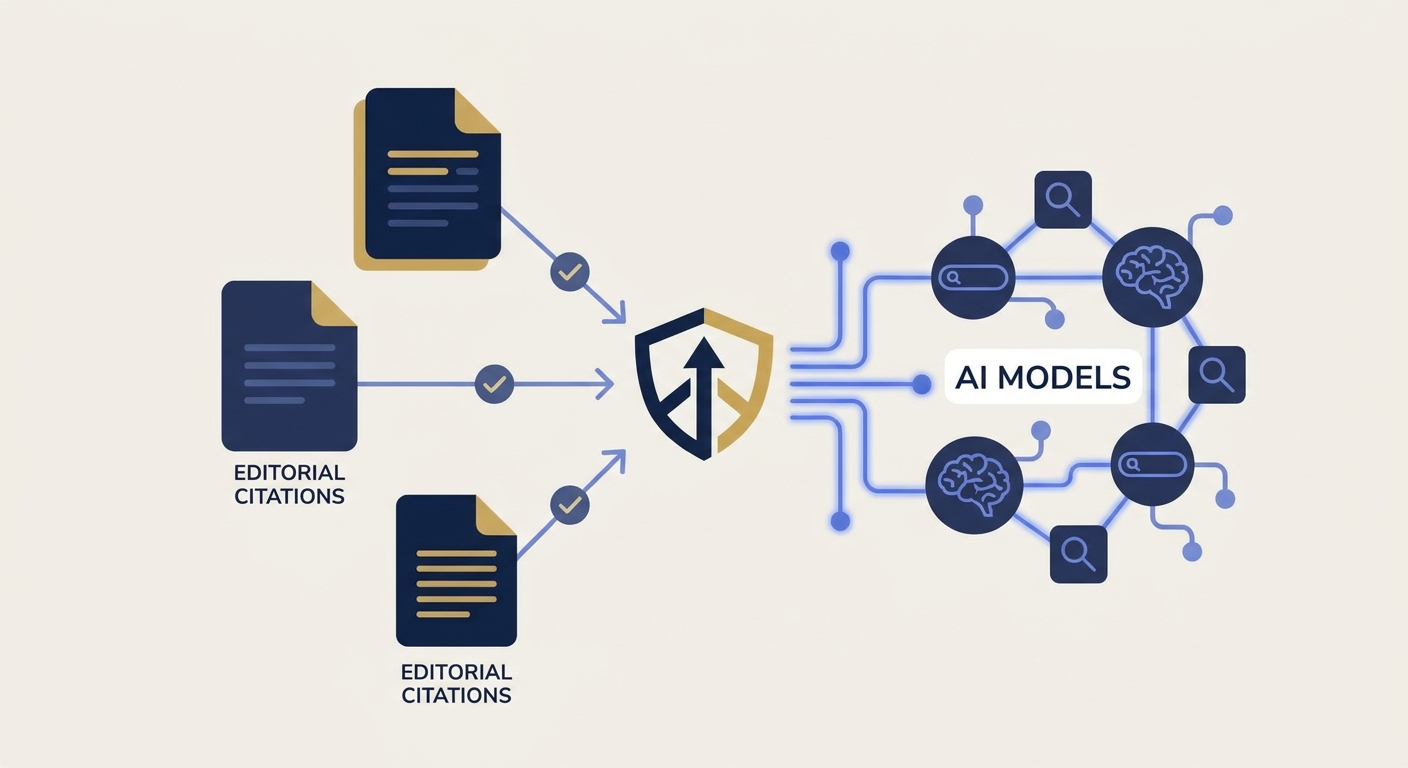
Digital PR is different. It’s about securing editorial mentions in high-authority media. When you land a feature there, you’re doing more than moving a needle on a dashboard. You’re building brand equity. You’re driving referral traffic that actually converts. Research suggests that data-driven placements can yield a 250–625% ROI compared to legacy link-building. If you want to see how these tactics differ, take a look at the evolution described in Digital PR vs. Link Building.
How Do You Create "Embeddable" Assets That Journalists Actually Want?
Journalists are drowning. They’re under immense pressure to produce content fast. They need facts, stats, and visuals to back up their claims. If you can provide a pre-made chart, an interactive calculator, or a clean infographic, you become their favorite person.
A "link magnet" isn't a blog post; it’s a tool. If you build a calculator that solves a specific, annoying problem in your industry, it will collect links while you sleep. This is the heart of a solid Content Marketing Framework. Every piece of content should serve the user and act as an acquisition asset.
How Can You Identify High-Value Opportunities?
You don't need to reinvent the wheel. Look at your competitors. A gap analysis shows you exactly where they’re earning their stripes. If they have a link from a massive site that you don't, ask yourself why. Did they publish a better study? Did they build a better tool?
Sometimes, the best opportunities are hiding in plain sight. Through our SEO Audit Services, I often find "low-hanging fruit"—broken links on other sites that point to dead pages. Reach out to the site owner. Offer your high-quality, up-to-date content as a replacement. You’re fixing their site and earning a link. It’s a win-win.
What Metrics Actually Matter for 2026 Linking Success?
For the love of all that is holy, stop obsessing over Domain Authority (DA) or Domain Rating (DR). Those are third-party metrics. Google doesn't use them. In 2026, the only things that matter are topical relevance and referral traffic.
A link from a niche site that actually talks about your industry is worth ten links from generic, high-DR "news" sites that have nothing to do with you. If a site sends you zero traffic and has no topical overlap, it’s a vanity metric. It’s noise.
As for the "No-Follow" vs. "Follow" debate? Let it go. A high-quality brand mention in a reputable publication is a win, period. As noted in recent BuzzStream Link Building Stats, the most successful campaigns prioritize brand presence and consistent, organic growth over the technicalities of the link attribute.
Conclusion: Building a Compounding Asset
A linking strategy isn't a sprint. It’s an investment. When you stop chasing the "quick win" of a cheap link and start focusing on becoming a recognized authority, your results will compound. By leveraging proprietary data, maintaining high standards of E-E-A-T, and focusing on genuine value, you aren't just building links. You’re building a fortress of domain authority that will survive whatever the search engines throw at us next.
Frequently Asked Questions
Are paid links still effective in 2026?
While they might provide a temporary boost, the risk of a SpamBrain penalty is too high for long-term strategies. Sustainable growth now relies on earned editorial links.
How long does it take to see results from a linking strategy?
Unlike paid ads, organic link building is a compounding asset. Most campaigns see significant authority shifts within 3–6 months of consistent, high-quality outreach.
What is the difference between Digital PR and standard link building?
Standard link building often focuses on quantity or directory placements. Digital PR focuses on newsworthiness, original data, and securing mentions in high-authority media outlets.
How do I know if a backlink is "safe"?
A safe link is one that would provide value to a reader even if the link didn't exist. If the primary purpose of the placement is to manipulate search rankings, it is likely a violation of Google's policies.