9 Link-Building Strategies You've Never Used This Way

TL;DR
- ✓ AI models prioritize high-authority backlinks as essential trust signals for factual verification.
- ✓ Replace mass-outreach templates with high-utility content that naturally earns authoritative digital citations.
- ✓ Transform technical support documentation into linkable assets for better search intent coverage.
- ✓ Use AI to personalize broken link building and create relevant, high-value thematic replacements.
If you’re still firing off "I love your blog, please link to me" emails in 2026, stop. You aren’t building a link profile; you’re building a graveyard of ignored messages.
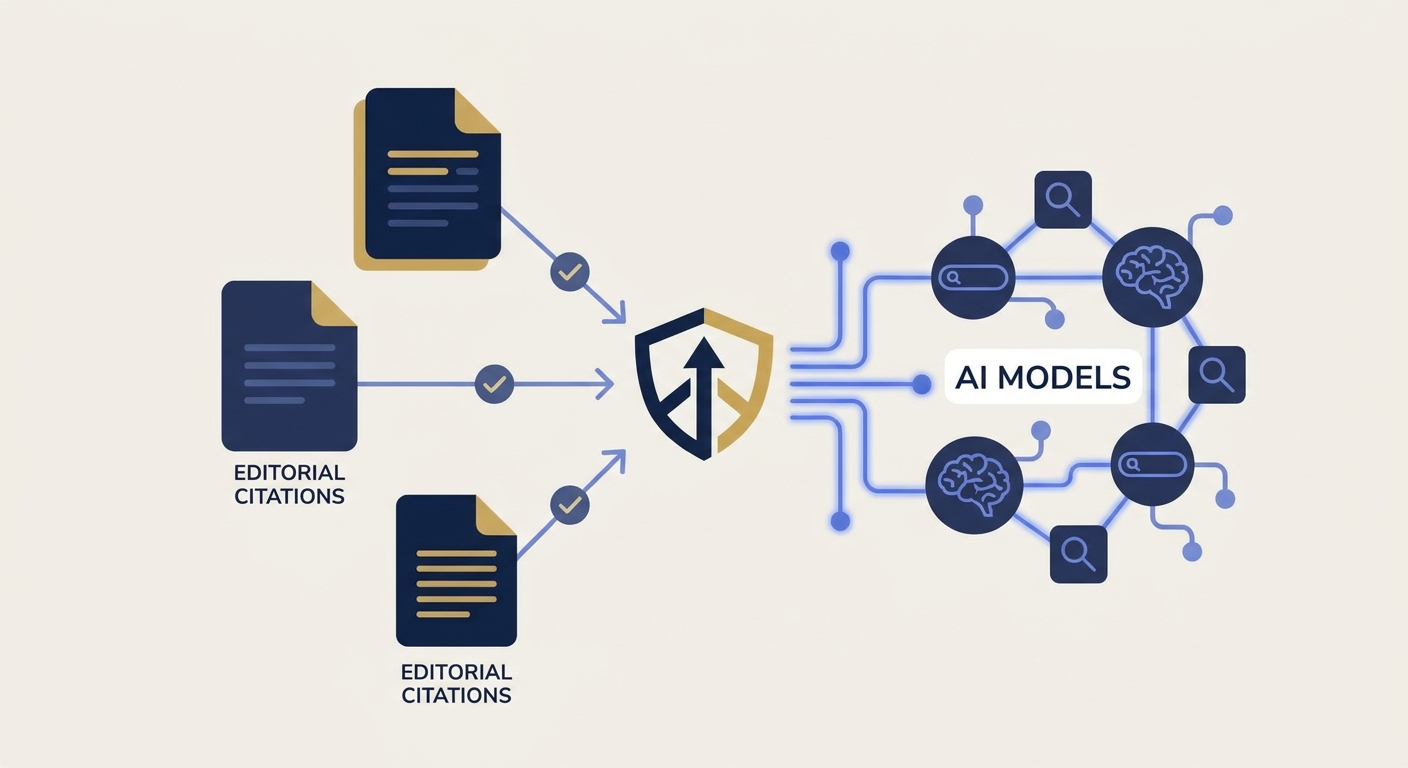
Let’s be real: link building has gone through a violent evolution. It’s no longer about gaming a search algorithm. It’s about becoming a verified source of truth for the AI agents that now mediate the world’s information. When a user asks an AI to solve a complex problem, that model isn't just pulling from a random database. It’s cross-referencing trust signals. Backlinks are the currency of that verification.
We are leaving the era of "tricking" Google and entering the era of "earning" citations. This shift demands that you bury your mass-outreach templates and pivot toward high-utility, product-led strategies that make your brand impossible for algorithms to ignore.
Why Do Backlinks Still Matter in the Age of AI?
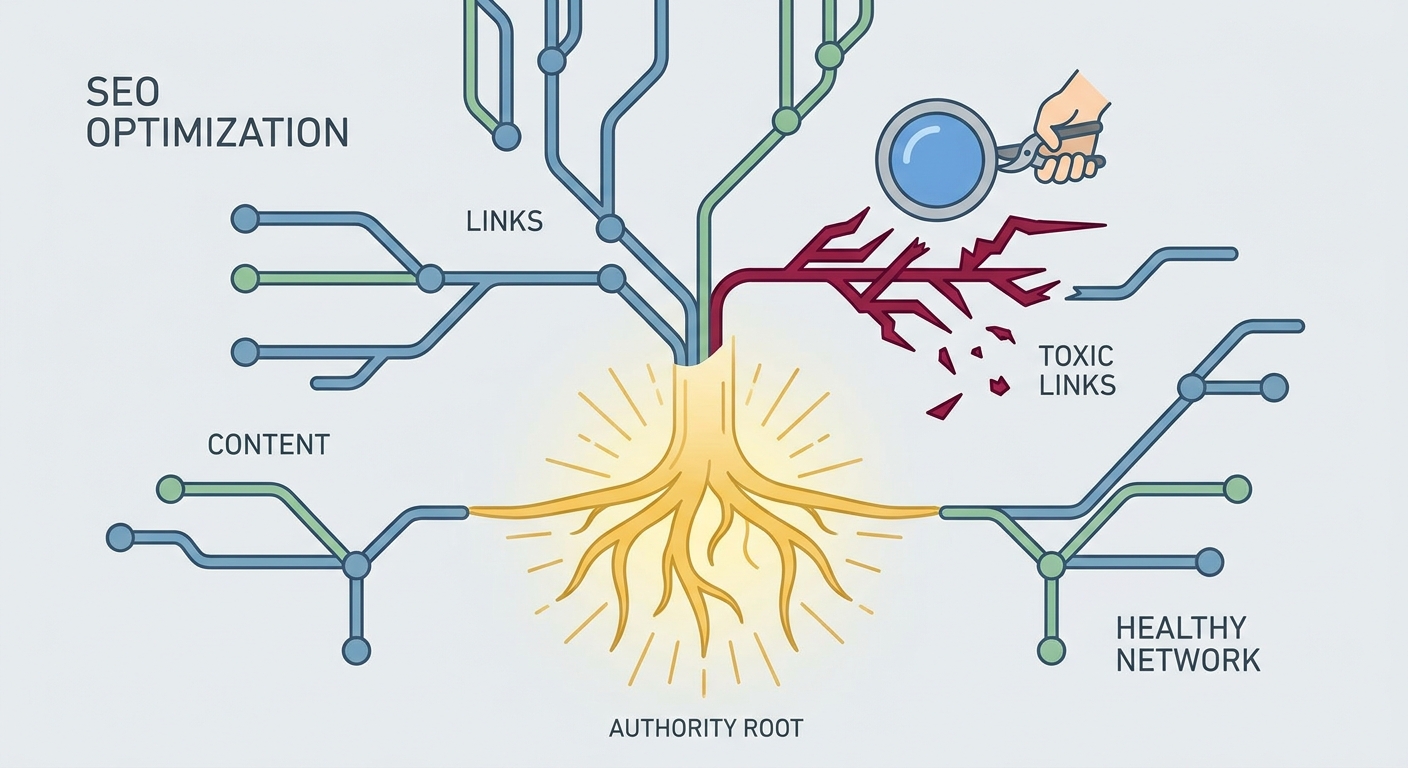
Listen, the rumor that AI killed the backlink is just that—a rumor. It’s a dangerous one, too. Large Language Models (LLMs) rely on the web’s existing link graph to determine what’s true and what’s trash. When an AI generates a response, it performs a weighted calculation of the sources it trusts.
Think of a domain with high topical authority as the "reliable friend" in a group chat. It’s consistently cited by other experts, so the AI prioritizes it during the "fact-checking" phase of query processing. As outlined in Google's Search Quality Rater Guidelines, the industry focus remains locked on E-E-A-T (Experience, Expertise, Authoritativeness, and Trustworthiness). A backlink isn't just a crawler path; it’s a digital endorsement that tells an AI agent, "This source is safe to quote."
1. The "Support Doc" Pivot
Most companies treat their technical documentation like a chore—burying it behind login screens or letting it rot in a forgotten "Help" folder. This is a massive missed opportunity.
Your support documentation is often the most linkable, high-intent content you own because it solves actual, painful problems. Instead of keeping it hidden, write a high-level, public-facing article that explains the strategy behind a feature, then link to your technical docs for the "how-to." By using an SEO Content Brief Template, you can ensure these pages are optimized for search intent. Suddenly, your dry manuals become authoritative assets that natural-language queries love to cite.
2. AI-Personalized Broken Link Building
Broken link building is the oldest trick in the book, but it usually fails because it’s robotic and lazy. If you want to win in 2026, you have to stop acting like a bot.
Don't blast a template. Use AI to analyze the target site’s specific content gaps, hunt down a 404 page, and draft a pitch that explains exactly why your asset is the perfect thematic replacement.
By handing the site owner a ready-to-use solution that actually improves their user experience, you stop being a nuisance and start being a partner.
3. The "Link Bait" Calculator
Static articles are fine, but interactive tools? They’re magnets. A blog post might get a link if the reader is feeling generous. A functional tool—like an ROI calculator, a compliance simulator, or a cost-savings estimator—earns links because it’s genuinely useful.
These tools live in browser tabs. When professionals write their own content, they link to your tool as a resource. And here’s the secret: keep it low-maintenance. You don't need a bloated web app. A well-designed, embedded calculator using clean JavaScript provides value that static text simply cannot touch.
4. Competitive Gap Analysis 2.0
Stop guessing. Use the Semrush Backlink Gap Tool to perform a surgical strike on your competitors.
Don't just look at who links to them; look at what they’re linking to. If a competitor has a massive backlink profile but their content is outdated or shallow, you’ve found a gap. Create a superior, modern version of the content they’re being linked for. Then, reach out to those same referring domains and show them why your resource is the new standard.
5. Product-Led Digital PR
Journalists and industry bloggers are drowning in generic "expert opinions." They’re bored to tears. What they actually crave is proprietary data—the kind only you have because of your platform’s usage metrics.
If you can aggregate anonymized data to show a real trend—like "How 500 SaaS companies actually use AI for customer support"—you become the primary source. This is the gold standard of digital PR. You aren't asking for a favor anymore; you are handing the media a scoop they can’t get anywhere else.
6. The "AI-Source" Outreach
Ever checked who Google’s AI Overviews are citing for your core keywords? Those sites are the gatekeepers of your niche.
Don't fight them. Join them. Reach out to the authors and editors of these AI-cited sites with a proposal for a guest contribution or a collaborative research piece. By embedding yourself into the sites that AI already trusts, you effectively "piggyback" on their authority. It’s the fastest way to get the AI to start citing you, too.
7. Passive Backlink Reclamation
You’re being talked about more than you realize. Use brand monitoring tools to catch unlinked mentions of your company, products, or executives.
When a site mentions you but forgets the link, they’ve already handed you a "warm" lead. Send a low-pressure email: "Hey, thanks for the mention! Would you mind adding a link so readers can find us easily?" It works like a charm because the author clearly already likes your brand.
8. The "Resource Page" Deep Dive
Industry "Best Of" lists are the low-hanging fruit of the SEO world. Whether it’s "Top 10 Tools for X" or "The Ultimate Guide to Y," these pages exist to link out.
The mistake? Sending a generic pitch. Use Siege Media Link Building Templates as a baseline, but tailor your approach. Show them exactly how your product fills a void in their list. Is a competitor on their list defunct? Is a category missing? Point it out. Earn your spot by helping them improve their page.
9. Media Request Scaling
High-value media inquiries move fast. If you’re slow, you’re invisible. Use AI to monitor these requests in real-time, filtering for keywords that match your specific expertise.
When a match hits, use an AI assistant to draft a response that focuses on the exact data or insight the journalist needs. For a deeper dive into how to execute this without losing your mind, check out our HARO Outreach Guide.
How to Measure Success: Metrics that Matter in 2026
We have to stop worshiping at the altar of Domain Rating (DR) and Domain Authority (DA). These are legacy metrics. They don't account for topical relevance or the nuances of AI citation.
Your success in 2026 should be measured by your "AI Citation Rate"—how often your brand is surfaced in AI-generated answers—and the quality of referral traffic. If a link doesn't send relevant humans or signal relevance to an AI, it’s just digital noise.
Conclusion: Building for the Future of Search
The future of link building isn't about volume; it’s about utility. If you focus on creating assets that people—and machines—actually need, the links will naturally follow. Stop trying to outsmart the algorithm and start trying to out-serve the user. By positioning your brand as a source of truth, you ensure that as search evolves into something more intelligent and agentic, your site remains the foundation upon which those answers are built.
Frequently Asked Questions
Does link building still matter in the age of AI Overviews?
Yes. AI models rely on backlinks as one of the primary indicators of a source's authority and factual validity. Without them, you remain invisible to the models that generate modern search answers.
What is the difference between organic link earning and manual outreach?
Organic link earning involves creating assets, such as tools or proprietary data studies, that naturally attract links because they provide inherent value. Manual outreach is the active, direct pursuit of links. In 2026, the industry is shifting heavily toward organic earning.
How many backlinks do I actually need to rank in 2026?
There is no magic number. A single link from a highly relevant, niche-authoritative site is worth significantly more than a hundred links from unrelated, high-DR domains. Focus on quality and topical alignment over raw volume.
Are "nofollow" links a waste of time?
Absolutely not. While they may not pass traditional "link juice," they drive referral traffic, build brand awareness, and serve as digital breadcrumbs that AI models use to map out your brand’s presence across the web.
How can I use AI for link building without sounding robotic?
Use AI to perform the heavy lifting, such as researching targets, finding broken links, or summarizing complex data. Always ensure the final outreach message is human-edited to reflect genuine value and specific alignment with the recipient’s content.