Link Building Packages Explained: What Should You Expect from Modern SEO Providers?

TL;DR
- ✓ Buying bulk backlinks is a high-risk strategy that triggers manual search penalties.
- ✓ Modern SEO prioritizes E-E-A-T signals for AI search and Generative Engine Optimization.
- ✓ Effective link building relies on digital PR and high-intent citations over link volume.
- ✓ Strategic partnerships with publishers create long-term authority rather than temporary ranking boosts.
If you’re still shopping for SEO services based on "X number of backlinks for Y price," stop. Right now.
In 2026, buying links by the dozen isn’t a strategy; it’s a fast track to a manual penalty. If an agency promises you a specific Domain Rating (DR) or a guaranteed count of links, they aren't selling you an advantage. They’re selling you a liability.
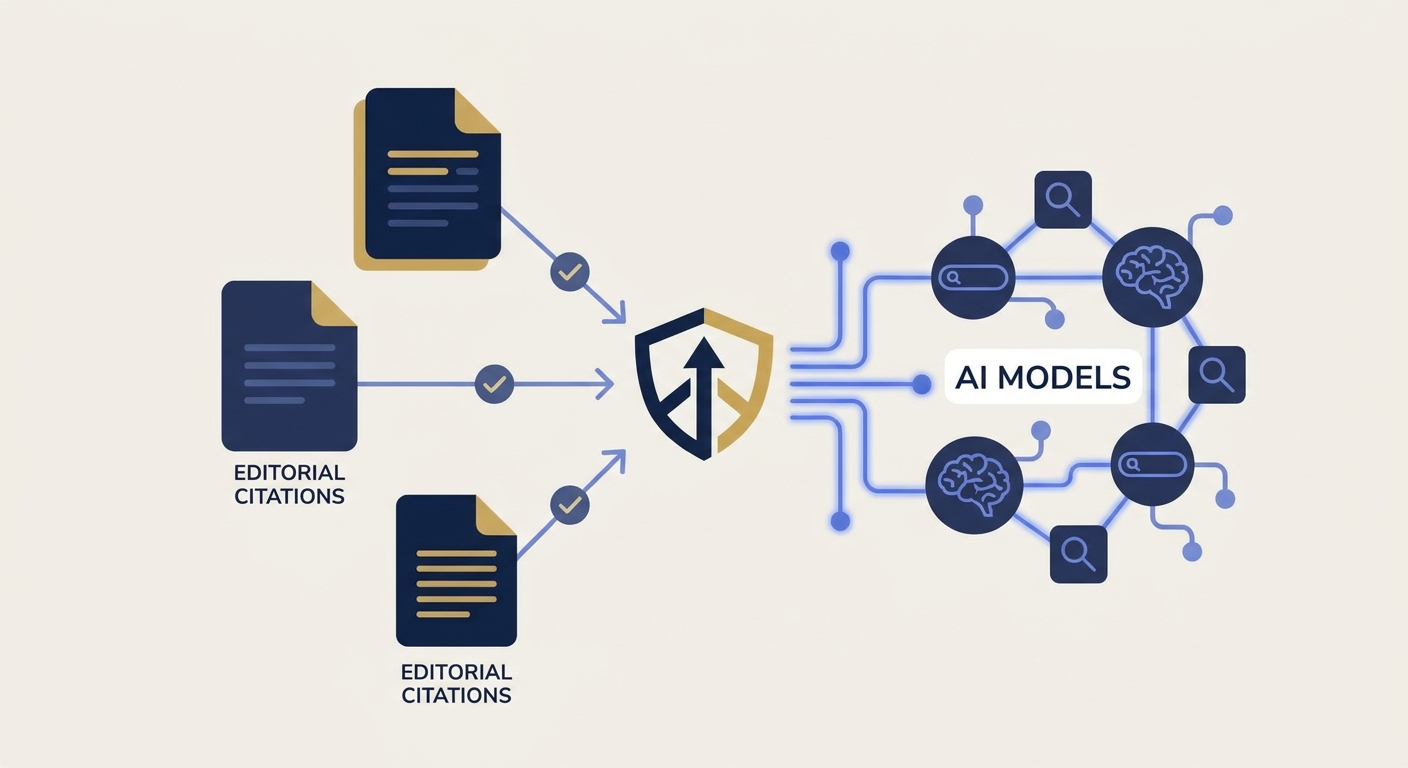
The game has changed. Today, link building isn't about gaming a spreadsheet. It’s about earning citations that fuel Generative Engine Optimization (GEO). It’s about building the E-E-A-T signals that Google AI Overviews and Perplexity actually listen to. If your SEO provider is still stuck in 2015, your site is invisible to the future of search.
Why the "Old Way" of Link Building is a Liability
The search landscape didn't just evolve; it fractured. We’ve moved past the era of "blue-link" SEO, where the goal was to manipulate a static list of results. We’re now in the age of AI-driven synthesis.
When a user asks an AI-powered engine a complex question, it doesn't scan for the most backlinks. It scans for authority, expert consensus, and evidence-backed citations.
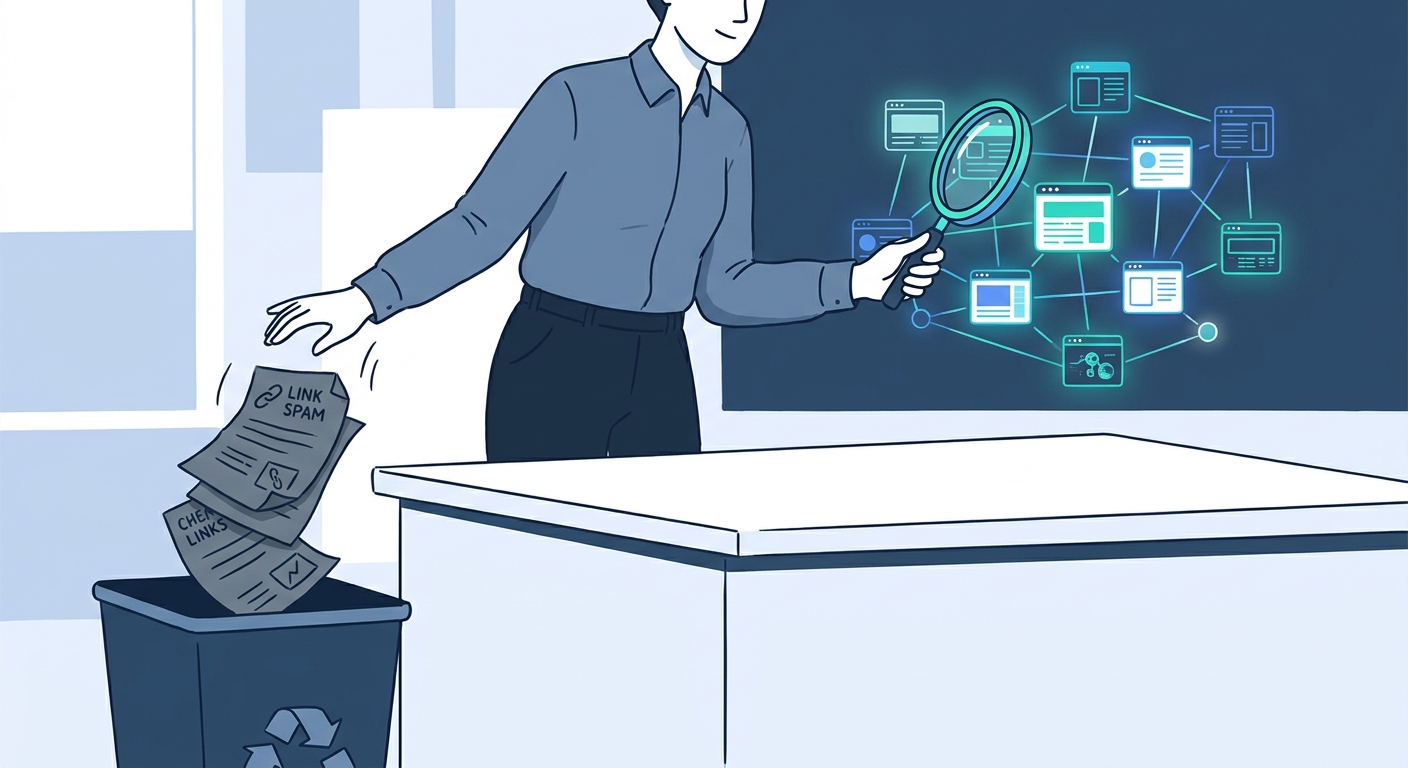
Legacy link building—think transactional guest posts on bottom-tier blogs, PBNs (Private Blog Networks), and bulk, robotic outreach—is dead. Worse, it’s dangerous. Search algorithms are now hyper-sensitive to "link velocity" patterns that scream paid manipulation. If your link building package looks like a list of low-quality placements, you’re paying an agency to build a case for your site’s demise.
Modern link building is about brand signals. It’s about being referenced by the entities your audience already trusts. It’s about moving from "link volume" to "authority signaling."
What Does a Modern Link Building Package Actually Look Like?
A modern authority-building package isn't a "package" at all. It’s a strategic partnership. It prioritizes relevance, context, and the ability to contribute to the global knowledge graph. The shift is stark: traditional models obsessed over the number of links. Modern models obsess over the impact of the citation.
This transition requires a robust Content Marketing Strategy as its bedrock. You cannot earn high-quality citations if your site lacks the data, the original research, or the unique perspective that journalists and industry experts crave. Before you spend a dime on outreach, check your own house. Does your site provide the value that justifies being linked to? If not, fix that first.
The Red Flags: What Should You Avoid in 2026?
If an agency leads with "Guaranteed DR 50+" or offers a flat monthly fee for a set number of guest posts, run. These are vanity metrics. They’re designed to look good on a report for your boss while offering zero long-term value to your search performance.
The biggest red flag? The "Guest Post Network." These are closed loops of websites owned by the agency or their "partners," created solely to host links for clients. They lack organic traffic, they lack topical relevance, and they are the first thing Google’s spam filters target.
Furthermore, as noted in Semrush Research on Link Signals, the value of a link is now tied to its context. A nofollow link from a high-authority, niche-relevant publication is worth infinitely more than a dofollow link from a site that has no business talking about your industry.
Demand transparency. If an agency can’t provide a list of target publications or explain why they’re targeting those specific sites, they’re hiding a "black box" operation.
How Do You Vet a Provider? The "AI-Ready" Framework
Vetting an SEO agency requires a total shift in the interview process. Stop asking "How many links per month?" and start asking questions that test their understanding of the modern search ecosystem.
The Interview Checklist:
- "Can you show me a recent AI Overview placement?" You want to know if they understand how to get your brand cited in the generated answers that appear at the top of modern search results.
- "Do you prioritize niche relevance over site authority?" A link from a smaller, highly respected industry blog is superior to a link from a massive, general-interest news site with no topical connection to your business.
- "How does your outreach align with our E-E-A-T goals?" They should be able to explain how their work contributes to your site’s perceived Experience, Expertise, Authoritativeness, and Trustworthiness.
Use platforms like the Clutch Directory to cross-reference their claims. Look for reviews that mention long-term growth and strategic alignment, rather than those that simply praise the "speed" of the links provided.
The Tactical Breakdown: Digital PR vs. Transactional Outreach
The most effective packages split their efforts between two distinct pillars: Strategic Digital PR and Targeted Transactional Outreach.
1. Strategic Digital PR
This is your "pull" method. It involves creating assets—original data studies, white papers, or expert-led opinion pieces—that journalists and industry writers feel compelled to cite. It’s harder, slower, and arguably more expensive. But it’s the only way to build a brand that AI search engines recognize as a legitimate authority.
2. Targeted Transactional Outreach
This is your "push" method. It involves identifying high-intent listicles or resource pages where your product or service belongs. As highlighted in the Ahrefs Study on AI Overviews, listicles and expert-cited articles are the primary sources for many AI-generated summaries. If you aren't in those lists, you’re invisible to the AI.
Why Your Technical Foundation Must Come First
It is a mistake to pour budget into link acquisition if your site is structurally broken. Before an agency sends a single email on your behalf, they must ensure your site is crawlable, indexable, and fast. We mandate an SEO Audit Services engagement for all new clients because a backlink pointing to a slow, broken, or "thin" page is a wasted investment. Authority flows through your site's architecture; if that architecture is blocked by technical debt, the "juice" of those links will never reach your high-value pages.
The ROI of Quality: Why "Cheap" Packages are a Liability
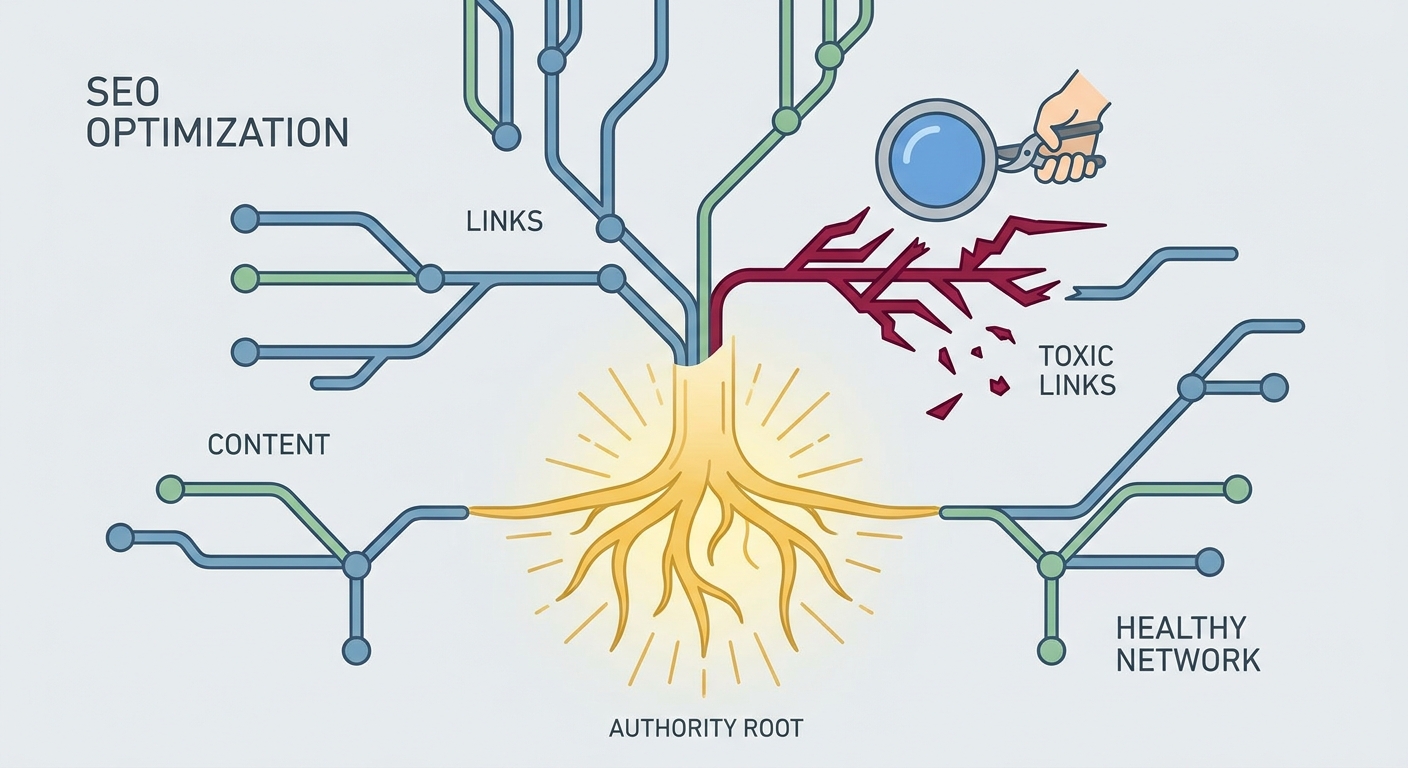
Let’s run the "Cost of Failure" calculation. A $500-a-month "link building package" might seem like a bargain, but what happens when that package triggers a manual penalty? What is the cost of your organic traffic dropping to zero? What is the cost of the six to twelve months required to clean up a toxic backlink profile?
High-quality, sustainable link building requires a 3-6 month runway to gain real traction. It involves relationship building, content creation, and meticulous outreach. If you want a "quick fix," you’re playing a game of chicken with Google’s algorithms. If you want sustainable growth, you invest in the kind of reputation-building that stands the test of time.
Frequently Asked Questions
Why do some link building packages guarantee a specific Domain Rating (DR)?
DR is a third-party metric created by Ahrefs to estimate the strength of a backlink profile. It is not, and has never been, a Google ranking factor. Agencies that "guarantee" a specific DR are selling you a metric they can manipulate, not the authority or traffic you actually need.
Is it better to buy guest posts or invest in Digital PR?
Digital PR is significantly better for long-term brand authority and AI visibility. While transactional guest posting can be useful if done with extreme care and relevance, Digital PR builds the kind of "citation-worthy" assets that allow your brand to be featured in high-authority media outlets, which is far more sustainable.
How do I know if a link building agency is using "spammy" tactics?
Look for a lack of transparency. If they refuse to show you publication targets, if they rely heavily on "DR" as their only metric, or if their outreach strategy feels generic and disconnected from your actual brand content, they are likely using automated, spam-heavy tactics that could put your domain at risk.
How long does it take to see results from link building in 2026?
Modern link building is a long-term play. Because we focus on building genuine authority and contributing to the digital ecosystem rather than spamming, you should generally expect a 3-6 month runway before seeing significant shifts in organic keyword rankings and AI visibility.