How do I measure link building success?

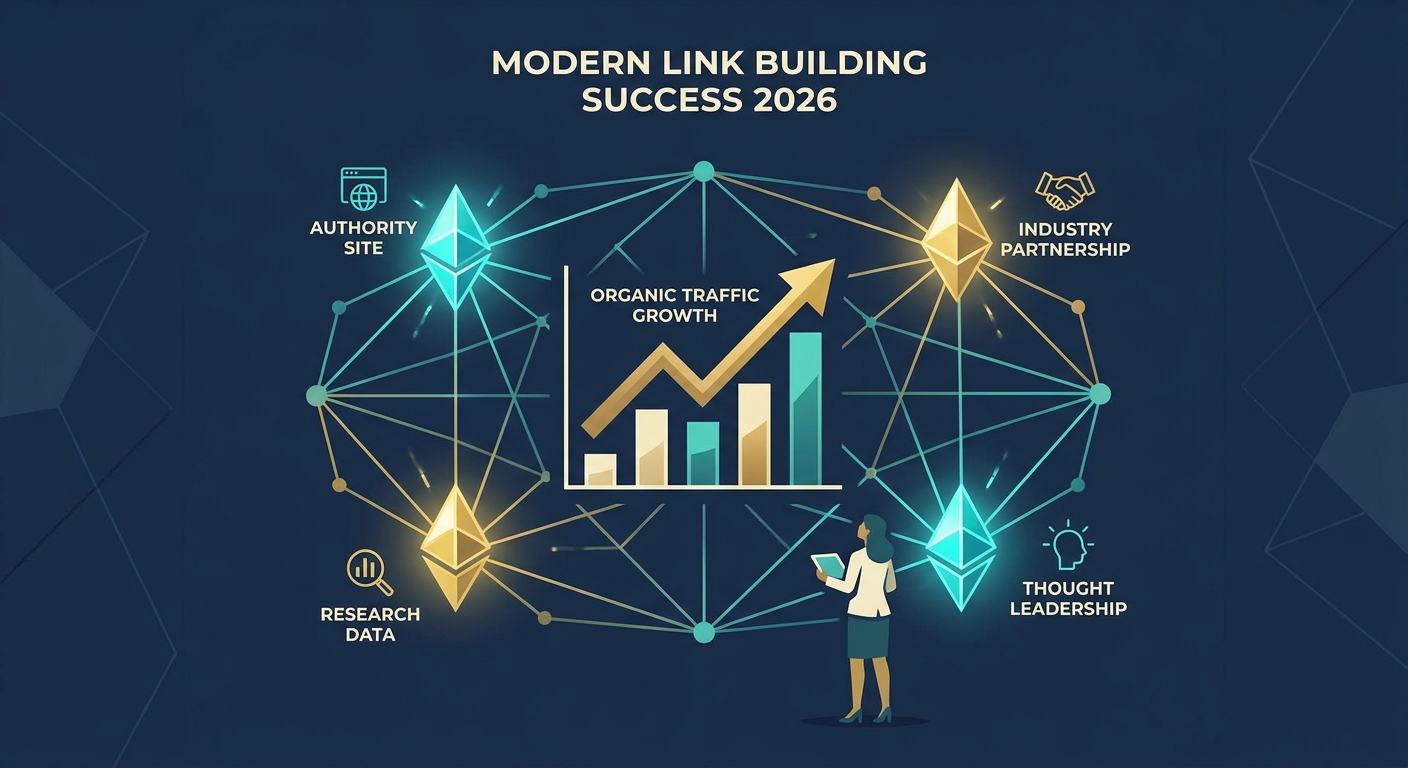
TL;DR
- ✓ Prioritize link relevance and authority over total backlink volume to boost rankings.
- ✓ Recognize that backlinks now function as essential citations for AI-integrated search results.
- ✓ Account for the three to six month lag effect when tracking organic traffic growth.
- ✓ Shift your strategy from vanity metrics toward high-intent organic traffic correlation.
Forget everything you thought you knew about link building in 2026. If you’re still chasing a higher total backlink count, you’re just making noise. That old, quantity-obsessed mindset is dead. In the era of AI-integrated search, a link isn't a tally mark on a scorecard; it’s a strategic asset.
True success isn't about how many links you have. It’s about the correlation between those links and high-intent organic traffic. You’re building authority, not a warehouse of junk. If you want to understand how the goalposts have shifted, check out The Evolution of SEO KPIs. It breaks down exactly why modern search performance has finally cut ties with those tired, old vanity metrics.
The Vanity vs. Value Metric Debate: What Actually Moves the Needle?
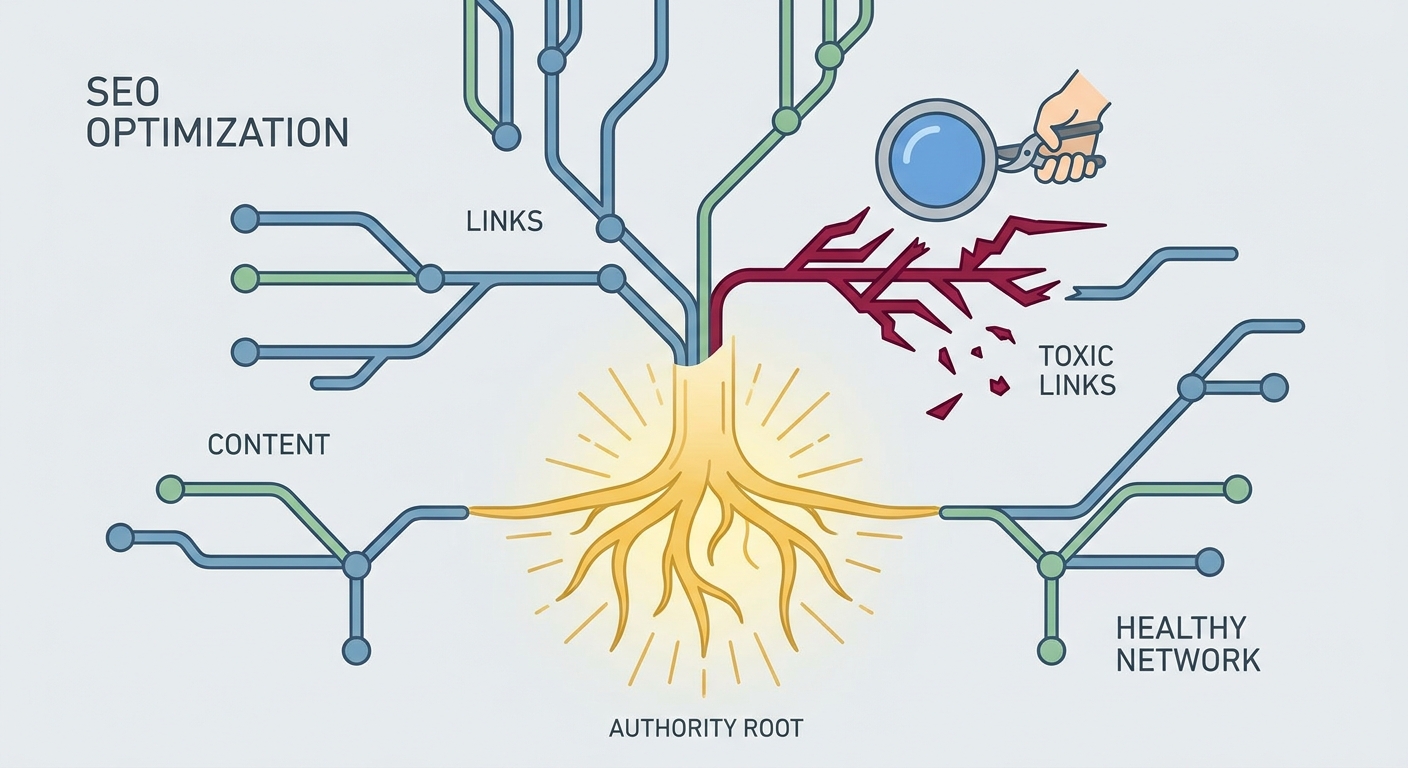
We’ve been addicted to vanity metrics for too long. "Total backlinks" is a dangerous KPI because it hides the truth. If you have 10,000 links from automated, bottom-of-the-barrel directories, you are miles behind a site with just 50 links from respected, industry-relevant publications.
Volume is a trap. It’s a red flag for search engines and a one-way ticket to a manual action. Instead, look for "Referring Domain Diversity." You want a healthy mix of reputable sources that tell the algorithm your site is the real deal. If you’re finding it impossible to strike that balance, our link building services focus entirely on high-authority, high-relevance placements that actually last.
Measuring Authority in the Age of AI Search
Welcome to the "Zero-Click" world. SearchGPT and SGE are now answering queries directly on the results page. Some people panic, thinking this means the end of SEO. They’re wrong. It just means the rules have changed.
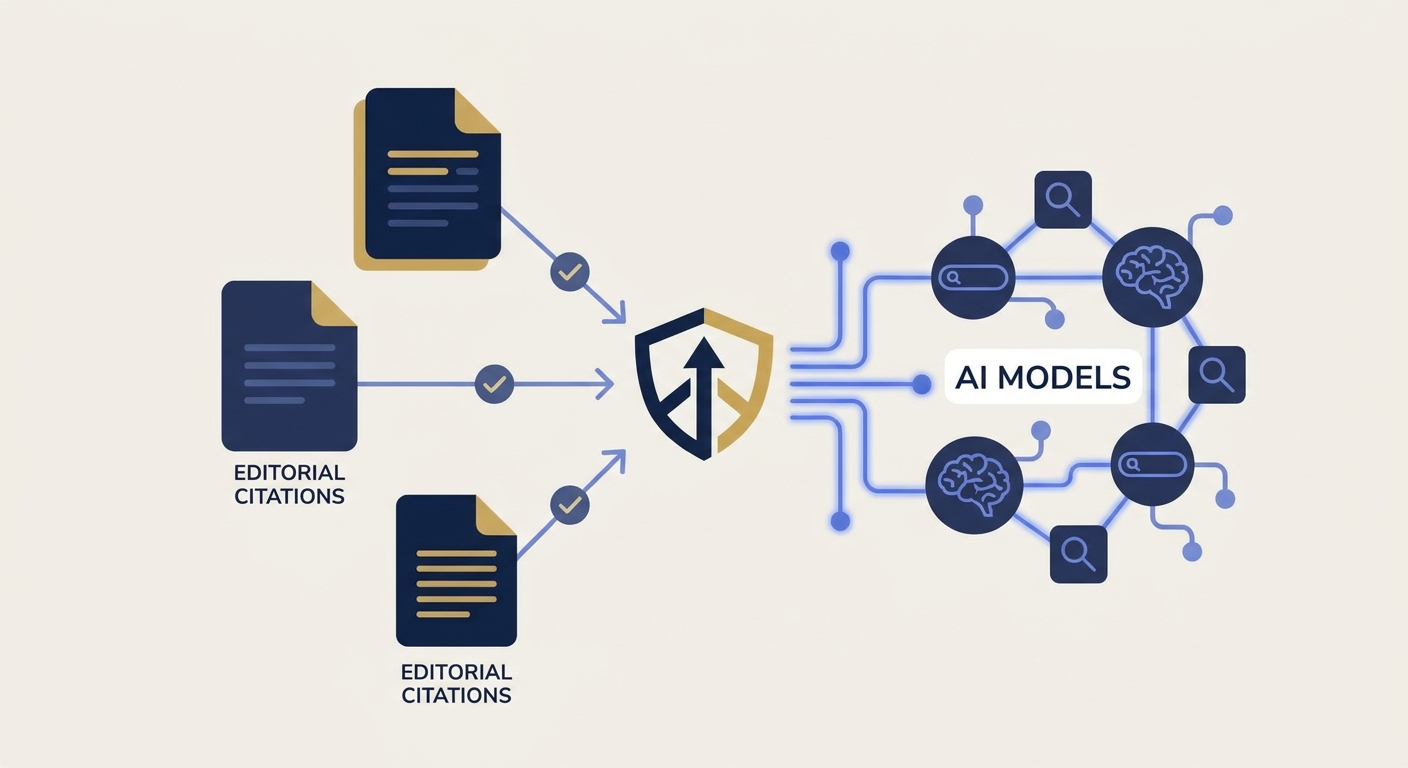
Backlinks have evolved into citations. They are the bedrock that trains and validates AI models. When an AI synthesizes an answer, it pulls from sources it trusts. Those high-relevance, high-authority links? That’s your new currency. You aren't just building links for people anymore; you’re building a citation network that positions your brand as the "source of truth."
The 2026 "Golden Ratio" is simple: Relevance > Authority > Traffic. A link from a niche site with moderate traffic will always beat a link from a massive, irrelevant news site. Always.
The Link Building Lifecycle: Tracking the "Lag Effect"
Link building isn't a "get rich quick" scheme. It’s a long-term play with a built-in "lag effect." You secure a link, but then you have to wait for the crawl, the index, and the algorithm update. It’s a process, not a toggle switch.
Expect a 3-to-6-month window before you see real movement. If you’re reporting to stakeholders, manage their expectations early. You aren't hunting for immediate spikes; you’re measuring the cumulative weight of your work over time. Map your outreach dates against your traffic analytics, and the correlation will eventually become obvious.
Core KPIs for 2026 Reporting
Stop leading with simple counts. If you want to impress the executive team, focus on these three pillars:
- Quality Metrics: Use Domain Rating (DR) and Trust Flow. They aren't perfect, but they give you a consistent framework to measure the "weight" of the sites linking to you.
- Efficiency Metrics: How much sweat equity does it take to get a win? Measure your "Conversion Rate per Pitch." Sending 500 emails to get two links isn't a strategy; it’s a waste of time. Refine your targeting. Improve your response rates.
- Visibility Metrics: Track brand mentions and referral traffic. Even a "NoFollow" link is a victory if it sends qualified users who actually buy your product.
Benchmarking Your Current Authority
Before you launch a new campaign, you need to know where you stand. Is your foundation solid, or is it made of sand? If your site has technical debt or a history of spammy links, fix that first. Use our SEO Audit Checklist to make sure your house is in order.
And for heaven's sake, keep your strategy aligned with Google's Official Link Schemes Guidelines. Staying within the lines is the only way to ensure your growth is sustainable and penalty-free.
Mapping Links to Business Impact
At the end of the day, it’s about revenue. You need to bridge the gap between backlink growth and the bottom line. We recently worked with a client by focusing on high-authority, niche-relevant placements over six months. We tracked their referring domain growth alongside their organic revenue. By the end of Q2, the correlation was undeniable. The increase in their domain authority boosted high-intent keyword rankings, leading to a 40% jump in organic revenue. That’s the kind of story executives want to hear.
The Essential 2026 Tool Stack
You need the right tools to play this game. Ahrefs and Semrush are the industry standards for competitive analysis. For outreach, tools like Hunter or BuzzStream are non-negotiable for managing your "Conversion Rate per Pitch." According to recent Link Building Statistics 2026, the winners are the teams that use automation to find prospects but keep the actual outreach hyper-personalized. Don't be a robot.
Creating Your Monthly Reporting Dashboard
Keep it simple. Executives don't want spreadsheets of raw data. Give them a dashboard that shows:
- The Trend Line: Referring domain growth month-over-month.
- The Quality Score: Average DR of your new links.
- The Business Impact: Organic traffic lift for target keywords.
- The Penalty-Free Guarantee: A summary of the manual outreach steps taken to ensure compliance.
When you present a visual narrative of how these links contribute to the bottom line, the conversation changes. You stop explaining "why" you’re spending money and start discussing how to scale this growth engine.
Frequently Asked Questions
Is Domain Rating (DR) the only metric that matters for link building?
No. DR is a useful proxy, but it’s not the whole story. Relevance, the traffic volume of the linking page, and the site's overall topical authority are far more important indicators of a link's potential to move your rankings.
How long does it take to see results from link building?
Typically, you should expect a 3–6 month window. This accounts for the time it takes for search engines to crawl the new link, update their assessment of your site's authority, and eventually adjust your rankings for your target keywords.
What is a "good" response rate for link building outreach?
A 5–10% response rate is standard for cold outreach. If your team is hitting above 15%, you are likely doing an excellent job of personalizing your pitches and identifying highly relevant prospects.
Should I track NoFollow links as part of my success metrics?
Yes. While NoFollow links do not pass direct PageRank, they are vital for brand visibility, referral traffic, and creating a natural-looking backlink profile. A site with zero NoFollow links can actually look suspicious to search algorithms.
How can I prove the ROI of link building to my executive team?
Stop reporting on "links built" and start reporting on "rankings improved" and "organic revenue generated." By mapping your link acquisition to the growth of specific revenue-driving pages, you can demonstrate a direct causal link between your SEO efforts and the company’s bottom line.