LLM SEO: How to Optimize Your Brand for Large Language Models

TL;DR
- ✓ Traditional SEO is evolving into Generative Engine Optimization for AI search models.
- ✓ Success requires becoming the ground truth for AI synthesis and citation.
- ✓ Optimize content to capture query fan-out and improve RAG retrieval probability.
- ✓ Focus on data-rich and highly quotable content to increase machine readability.
Forget the "ten blue links." That era is ancient history. We’ve moved into the age of the synthesis engine, where your brand’s survival depends on one thing: being the answer.
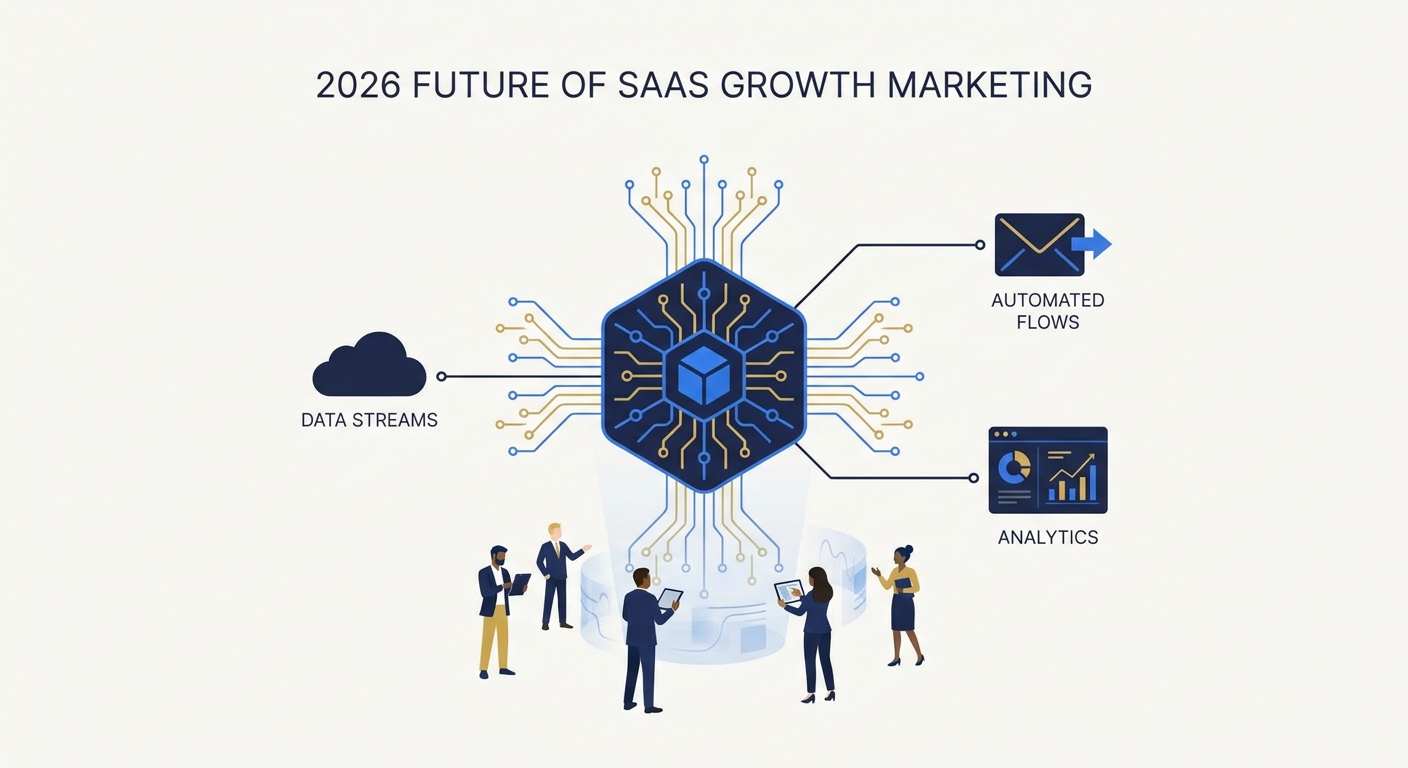
Generative Engine Optimization (GEO) isn’t just a new buzzword; it’s a complete shift in how we get found. When a user asks an AI—be it GPT-4, Claude, or Gemini—a complex question, they don’t want a list of websites to go explore. They want the truth, distilled into a single, authoritative response. If your brand isn't woven into that answer, you don't just lose a click. You stop existing in that user’s reality.
The Death of the "Ten Blue Links"
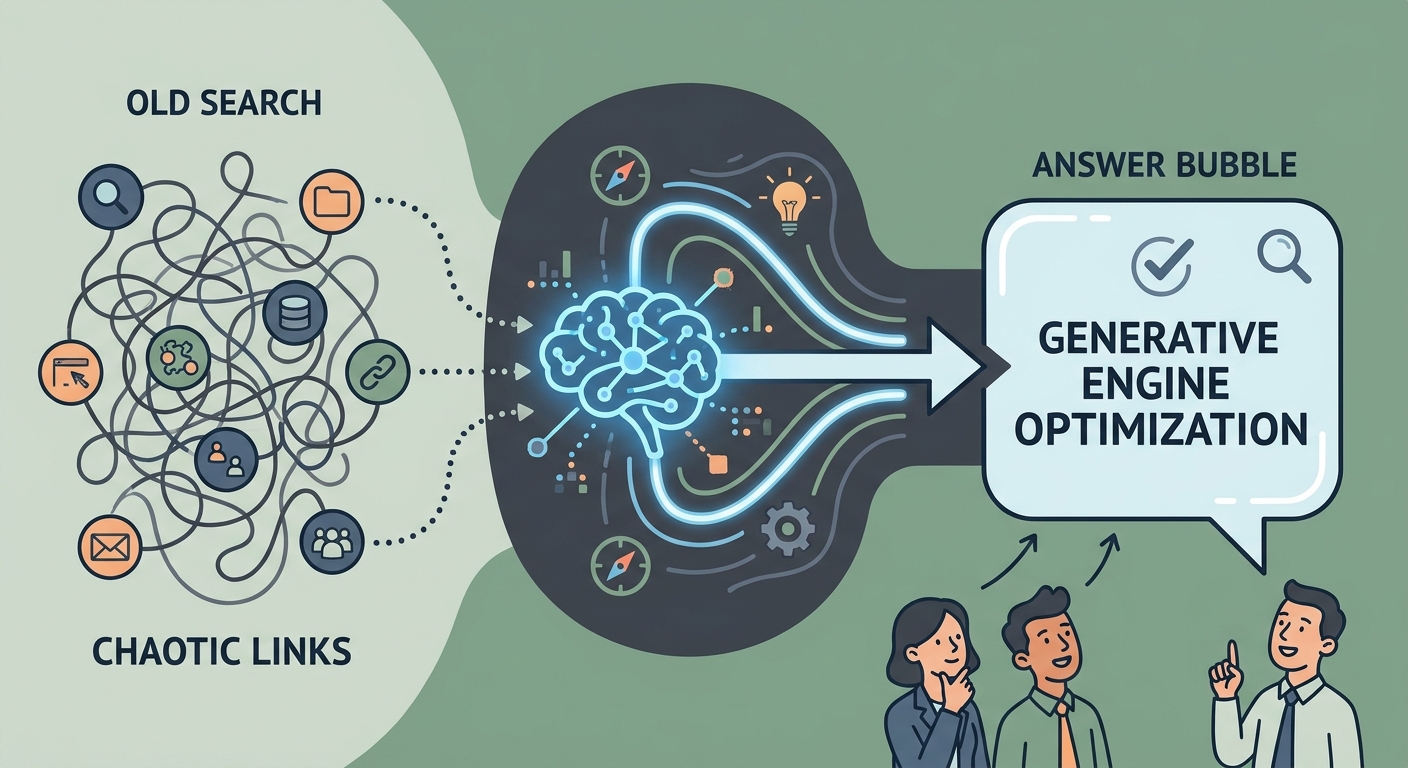
For twenty years, we played the SEO game: keyword stuffing, backlink farming, and praying to the Google gods for a higher SERP position. It was a predictable, if tedious, cycle.
But the game has changed. Today, users are looking for friction-free intelligence. They ask a question, and the LLM does the heavy lifting, synthesizing data from across the web into a coherent summary. The "ten blue links" model is failing because it forces the user to do the work. LLMs solve that problem. If you aren't part of the synthesis, you’re invisible.
Success in 2026 isn't about ranking; it’s about becoming the "ground truth." You want your expertise to be the foundation the AI builds its answer upon.
What is Generative Engine Optimization (GEO)?
Think of GEO as the art of making yourself machine-readable and highly quotable. While traditional SEO obsesses over human behaviors like clicks and dwell time, GEO focuses on machine-centric metrics: extraction probability and citation.
AI models use something called "Query Fan-out" to handle your questions. When you type a complex prompt, the model breaks it down into several smaller, sub-queries to scrape together a complete answer.
If you understand how these models pull apart a question, you can tailor your content to capture every branch of that "fan-out." You don't just want to be the answer; you want to be the source for every sub-part of the query.
How Does Your Content "Get Chosen" by AI?
The secret sauce is Retrieval-Augmented Generation (RAG). RAG allows an LLM to step outside its static training data, hit the web in real-time, and pull in verified facts before it spits out an answer.
To "get chosen," your content needs to be a "contextual snippet." Stop writing fluff. AI models hate hunting for the point. They want data-rich, concise, and clearly formatted paragraphs. If your content is buried in jargon or long, winding intros, the RAG mechanism will skip you. It will hand the spotlight to the competitor who delivers a sharp, 50-word answer that gets right to the heart of the user's intent.
What are the Core Differences Between Traditional SEO and GEO?
The shift is fundamental. Traditional SEO is binary—you either rank, or you don't. GEO is probabilistic. You’re either part of the model's trusted knowledge base, or you're left in the dark.
| Feature | Traditional SEO | Generative Engine Optimization (GEO) |
|---|---|---|
| Primary Metric | SERP Rank | Citation Frequency |
| User Goal | Click-through to site | Synthesis/Answer consumption |
| Content Style | Keyword-optimized long-form | Data-rich, "Answer-ready" snippets |
| Authority | Backlink volume | Semantic authority/Ground truth |
| Feedback Loop | Click-through rate (CTR) | Mention rate across LLMs |
How Do You Optimize Your Brand for AI Crawlers?
Technical health used to be about GoogleBot. Now, it’s a crowded room. You have to ensure your site is readable by a whole ecosystem of crawlers, including GPTBot and CCBot. A Technical SEO audit today must look at how these bots parse your structured data.
Schema is your best friend here. It’s a roadmap. When you use structured data, you’re labeling the content for the machine, saving it the guesswork. Use Organization and Person schema to define your identity, and leverage FAQPage schema to explicitly link your content to the questions users are actually typing into the AI.
Why Does E-E-A-T Matter More Than Ever in an AI World?
In a world where AI can hallucinate with absolute confidence, the "Trust Filter" is everything. LLMs are terrified of misinformation, so they prioritize sources that scream legitimacy. That’s Experience, Expertise, Authoritativeness, and Trustworthiness (E-E-A-T) in action.
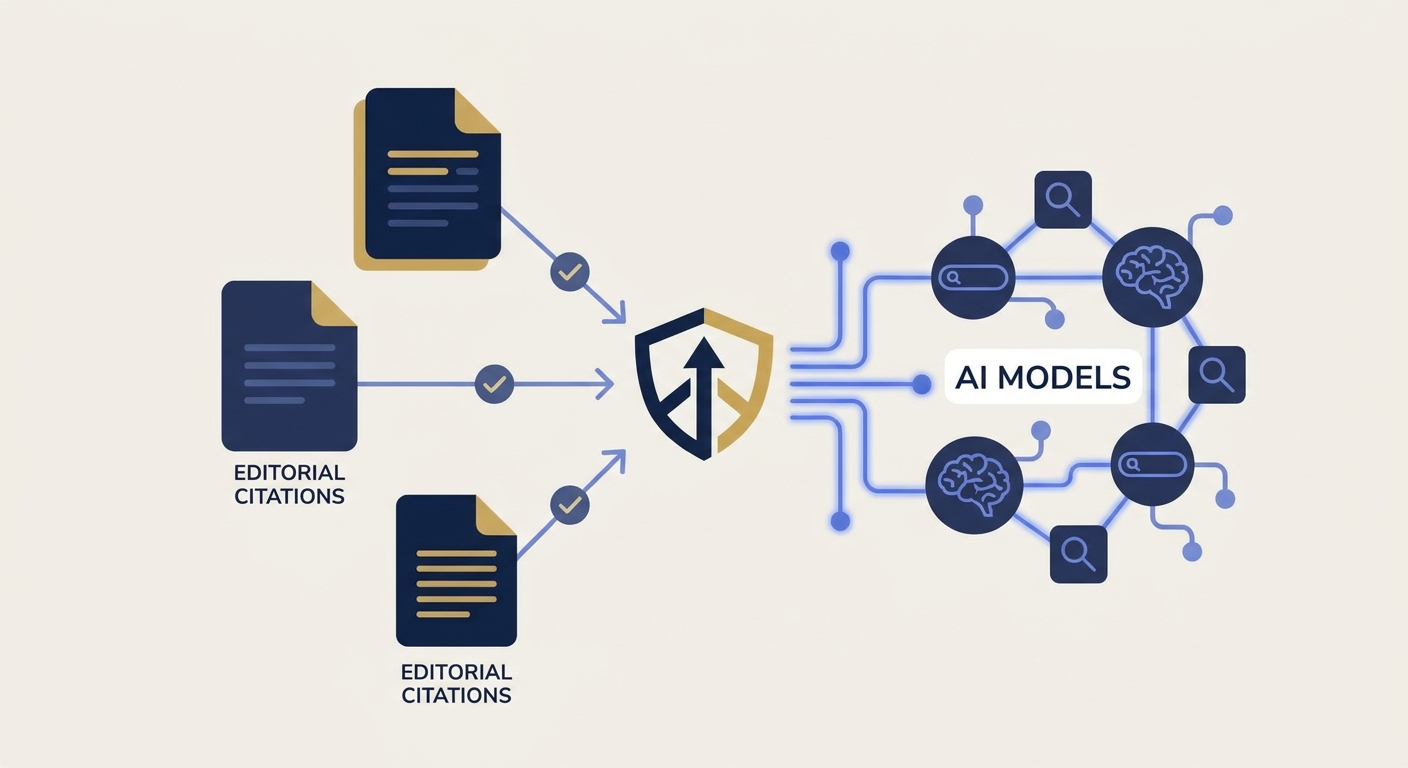
Stop writing generic content. Lean into proprietary data. AI models crave original research, surveys, and hard facts they can cite as evidence. When you build hub pages that act as the definitive reference point for your industry, you become the AI's favorite source. For a deeper look at how this fits into the broader ecosystem, refer to Google’s Guide to AI Features.
How Do You Structure Content for "Answer-Readiness"?
To be "answer-ready," you need to be modular. We use a Content Strategy Framework where every H2 is treated as a specific query. Directly under that heading, drop a 50-word "Direct Answer" block. Keep it conversational. Keep it human.
Search patterns are evolving. Users aren't just searching for "best CRM" anymore; they're asking, "What is the best CRM for a small creative agency that needs to automate billing?" That’s a 23-word prompt. By mirroring that level of conversational depth in your headings, you align your content perfectly with how modern AI processes intent.
The Non-Deterministic Reality: Managing Brand Mentions
Forget the spreadsheet of keywords. Since AI search is non-deterministic—meaning it might give a different answer based on the user's history or context—you can’t track your success like you used to.
Instead, track "Citation Frequency." Use brand monitoring tools to see how often you’re showing up when an LLM answers questions in your niche. If a competitor is getting all the citations, look at their content. Are they clearer? More concise? As Search Engine Land notes in their analysis of the future of search, the goal is to be the brand that the AI learns to trust as a reliable, cited authority.
Frequently Asked Questions
How is Generative Engine Optimization (GEO) different from traditional SEO?
Traditional SEO focuses on driving traffic to a website via search engine rankings. GEO focuses on making your brand’s content the primary source of information within an AI-generated answer, prioritizing visibility within the synthesis process rather than just the SERP.
Can I track my "rank" in ChatGPT or Perplexity like I do in Google?
No. AI search is non-deterministic, meaning the answer changes based on context. Instead of tracking rank, you should track "Citation Frequency" and "Brand Mention Rate" across various AI platforms to gauge your authority.
What is "Query Fan-out" and why does it matter for my content strategy?
Query Fan-out is the process where an AI model decomposes a complex user query into smaller sub-queries to gather comprehensive data. By identifying these sub-questions, you can create specific content blocks that answer the entire "fan-out" spectrum, increasing your chances of being cited.
Do backlinks still matter for AI search optimization?
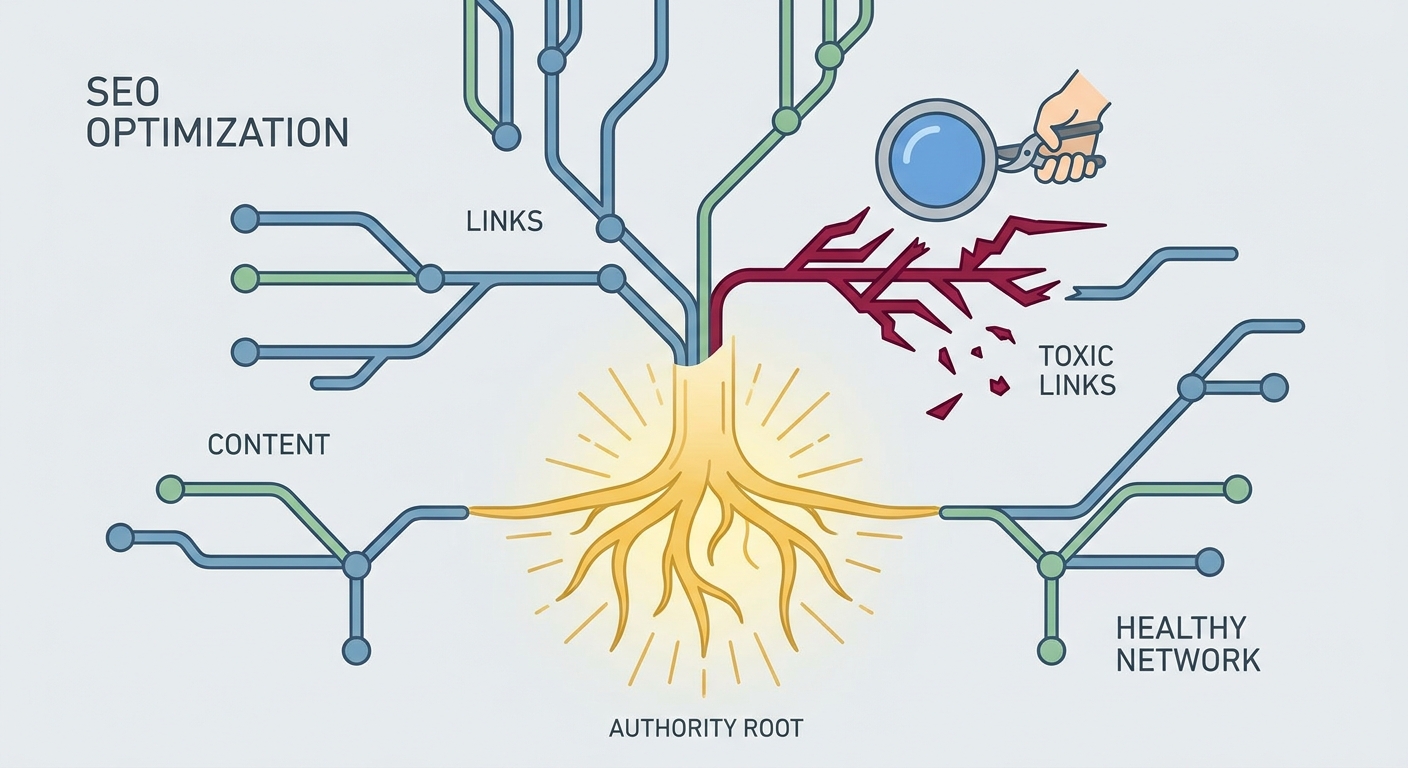
Backlinks still provide signal strength for authority, but they are less important than the quality of the content itself. AI models look for "ground truth" and expertise; while links help establish your site as a credible source, the clarity and accuracy of your content are the primary drivers of citation frequency.
How can I make my website more "crawlable" for AI models?
Ensure your robots.txt and sitemaps are optimized for AI-specific crawlers like GPTBot and CCBot. Additionally, use clean, semantic HTML and structured data (schema) to help AI models interpret your content’s purpose and authority without ambiguity.