Why B2B SaaS Marketing Needs a Dedicated Link Relationship Management Strategy

TL;DR
- ✓ Traditional link building is dead due to AI-generated content saturation.
- ✓ Link Relationship Management shifts focus from transactional links to strategic partnerships.
- ✓ Building genuine industry connections creates an uncopyable competitive moat for SaaS brands.
- ✓ Prioritize audience alignment and proprietary data over chasing vanity Domain Authority scores.
The era of "link building" as a transactional commodity is dead.
In the hyper-competitive B2B SaaS landscape of 2026, relying on templated cold outreach and guest post factories isn't just ineffective—it’s a liability. It screams obsolescence to Google and, worse, to your potential customers. If your marketing team still treats backlink acquisition like a volume-based chore of "securing a URL," you’re essentially building your digital house on sand.
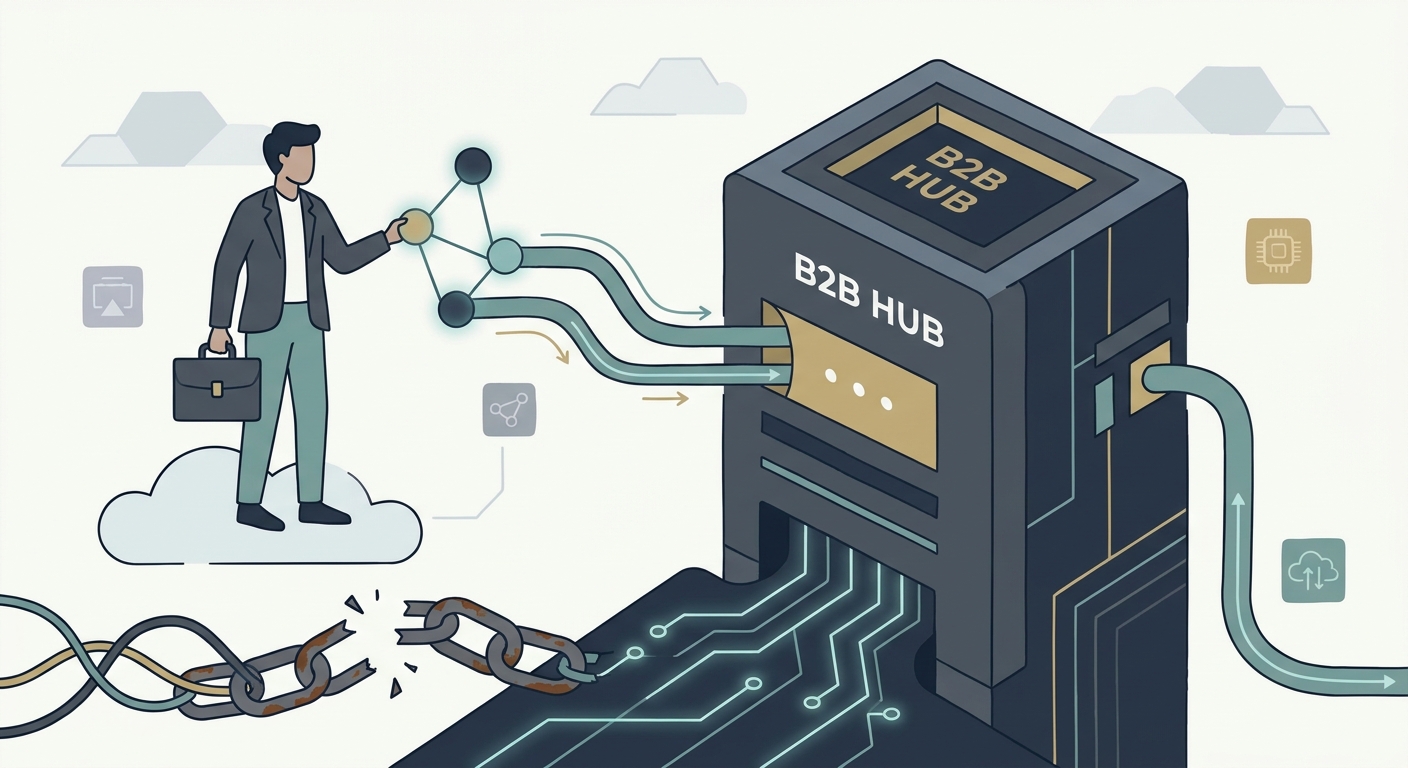
The only way to defend your organic authority against the relentless tide of AI-generated noise? Shift toward Link Relationship Management (LRM). This isn't just a rebrand; it’s a strategic pivot. You stop treating backlinks as trophies and start treating them as the byproduct of genuine, long-term industry partnerships.
Why the "Link Building" Playbook is Obsolete
For years, the industry was obsessed with Domain Authority (DA) scores and "spray and pray" outreach. You know the emails: robotic, soul-crushing, and completely useless. By 2026, search algorithms have become masters at sniffing out these synthetic footprints. When every competitor uses AI to churn out thousands of mediocre articles, the "link building" game has hit a wall of terminal saturation.
The fundamental flaw in the old playbook is the obsession with the link rather than the source. A link isn't a badge of honor; it’s a vote of confidence. When you treat that vote as a transaction, you ignore a simple truth: search engines are prioritizing topical authority and real-world brand signals. To understand how to move past these mechanical foundations, it is helpful to look at the basics of what link building was and recognize why that model no longer scales. To survive the current climate, you must build an ecosystem of peers who actually matter to your niche. This is the cornerstone of our SaaS SEO Framework, which prioritizes long-term visibility over short-term spikes.
What is Link Relationship Management (LRM)?
LRM is the systemic process of cultivating high-value, mutually beneficial partnerships with industry peers, editors, and subject matter experts. It’s a pivot from the tactical "how do I get this link?" to the strategic "how do I become a vital asset to this partner?"
You cannot outsource this to a low-cost agency to execute via mass-mailing. It’s a brand-building exercise. It involves identifying the publications, influencers, and platforms your target audience actually trusts—and then providing them with proprietary data, expert commentary, or co-marketing opportunities they can’t find anywhere else. When you stop chasing DA and start chasing audience alignment, you stop being a spammer and start being a resource.
Why is LRM a Competitive Moat for B2B SaaS?
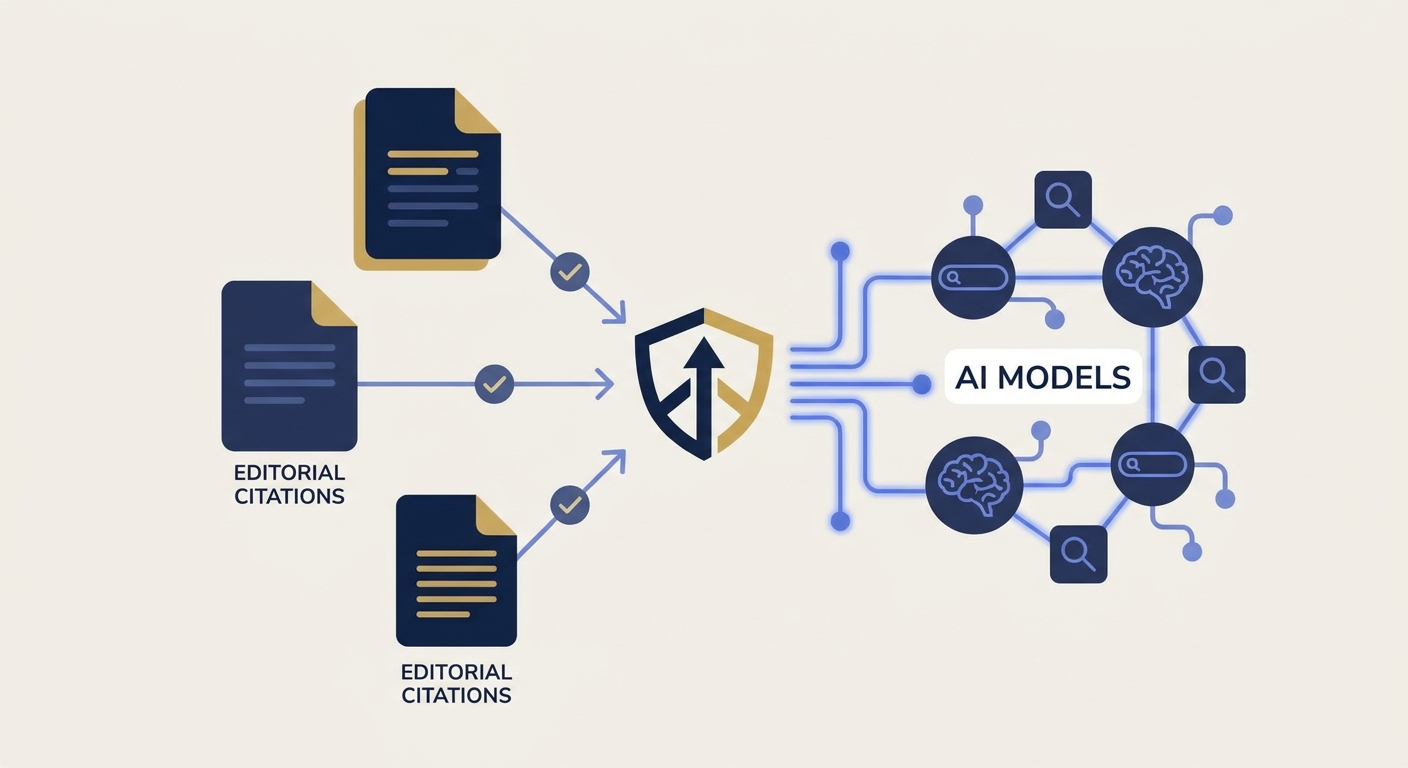
In an age where AI-driven content dominates search results for broad queries, your moat is built on things an algorithm can’t fake: relationships, proprietary data, and unique industry influence. LRM allows you to defend your high-intent, bottom-of-funnel rankings by ensuring your brand is woven into the fabric of the industry's most authoritative conversations.
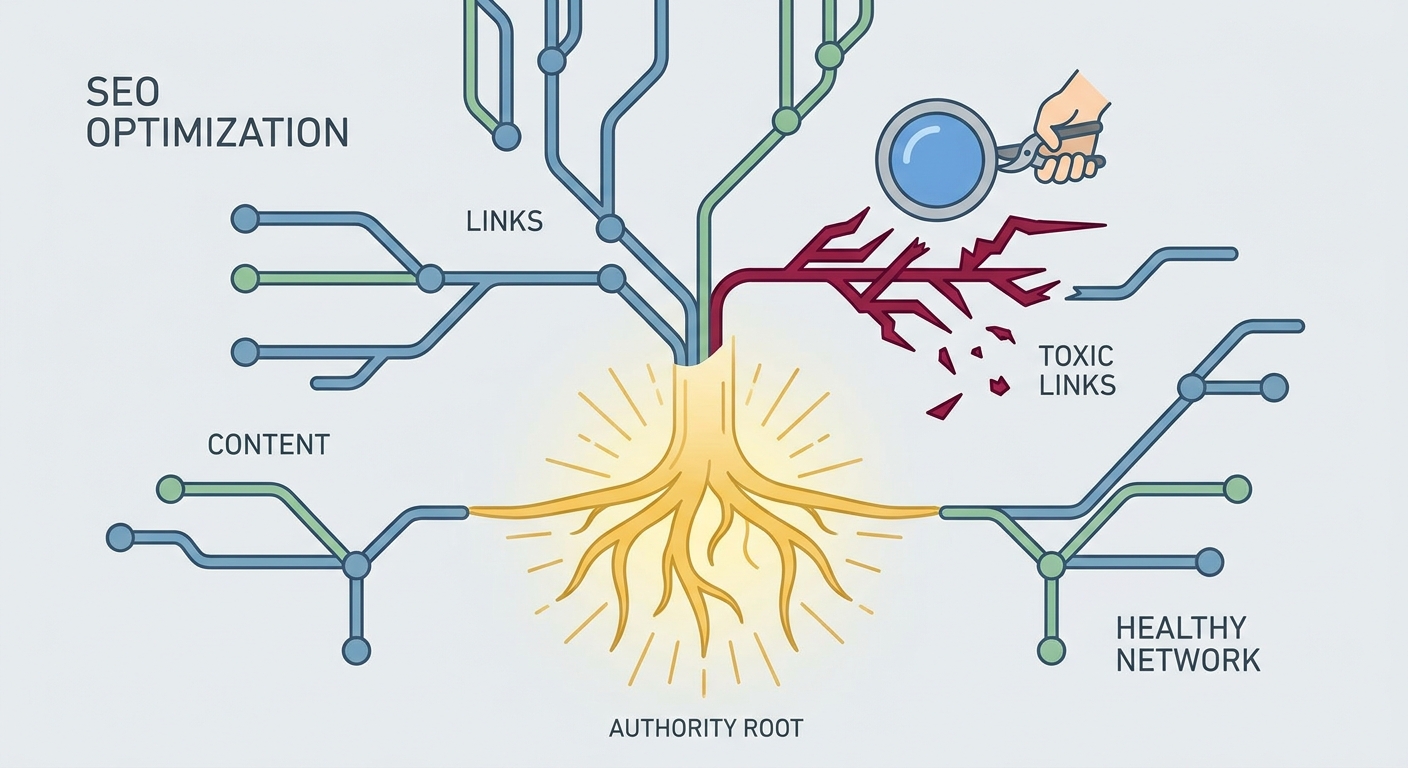
By fostering these relationships, you create a compounding network effect. A single transactional link provides a marginal benefit that fades over time. A relationship with an industry publisher or a key tech partner creates recurring opportunities for collaboration, guest research, and mentions that accrue over years. This is how you build an "Authority Moat"—a defensive perimeter that makes it exponentially harder for new, AI-led competitors to displace your most valuable landing pages.
How Do You Pivot from Outreach to Partnership?
The pivot starts by changing your value proposition. Stop asking for links. Start offering value that solves a genuine problem for the editor or the content creator.
The "Data-as-Link-Magnet" Strategy The most effective way to earn links in 2026 is to be the primary source of truth. Your SaaS platform likely sits on a goldmine of anonymized, aggregated data. If you can synthesize this into an annual "State of the Industry" report or a quarterly trend analysis, you stop being a solicitor and start being a publisher. Journalists and analysts are constantly hungry for original, data-backed insights. When you give them that, the links arrive naturally—often from sites that would never have responded to a standard "link exchange" email.
Funnel-Aligned Outreach Link acquisition must mirror your content strategy. If you’re trying to rank a high-intent case study for a Bottom-of-Funnel (BoFu) keyword, your outreach should target industry-specific review sites or professional communities where your buyers are making purchasing decisions. If you’re building Top-of-Funnel (ToFu) authority, your outreach should focus on broad industry reports or educational hubs. Aligning your link strategy with your B2B content marketing efforts ensures that every link you earn is driving not just "authority," but actual, qualified traffic that understands your value proposition.
What Does a High-Performance LRM Workflow Look Like?
A high-performance LRM workflow is iterative and deeply human. It mimics the lifecycle of a strong professional network.
Phase 1: Identification Stop looking for sites with high DA. Look for sites with high audience relevance. Ask yourself: "Does this site’s reader profile match my ideal customer profile?" A link from a niche developer forum is worth ten times more than a link from a massive, generalist tech blog that isn’t read by your actual buyers.
Phase 2: The Value Exchange In 2026, "links for links" is a losing game. Focus on co-marketing: webinars, shared research, cross-promotion of reports, or reciprocal content contributions that solve actual problems for the partner’s audience. When the partnership is genuinely helpful, the link is just the cherry on top.
Phase 3: AI-Enabled Nurturing While relationships are human, managing them should be intelligent. Use AI tools to monitor your existing link profile, track when partner content is updated, and identify windows—like when a partner publishes a new piece of content that could benefit from your data—to re-engage. Don't use AI to spam; use it to ensure you never miss an opportunity to strengthen a connection.
How Should You Measure Success in LRM?
If you’re still measuring success by the count of backlinks, you’re tracking vanity metrics. In the current SEO environment, as discussed in industry outlooks on the future of SEO, the focus must be on business outcomes.
Track "Contribution to Organic Pipeline" and "Assisted Conversions." Does the traffic coming from these high-authority partner sites actually convert into trials or demo requests? Look at the correlation between your LRM activities and the movement of high-intent keywords. If you’re building relationships with the right partners, you should see a steady rise in rankings for your most valuable pages, as search engines validate the authority you’ve built through these organic, high-relevance signals.
In-House vs. Agency: Who Should Own the Relationship?
The decision to manage LRM in-house or via an agency depends on your internal resources and the nature of your industry relationships.
In-house teams possess the institutional knowledge and product understanding necessary to create the high-value data and content required for effective LRM. However, they often lack the breadth of existing relationships that a specialized agency can bring to the table. For many SaaS companies, a hybrid approach is optimal: the in-house team owns the content strategy and the creation of "link magnets" (like proprietary research), while an agency specializes in the outreach, relationship maintenance, and ongoing monitoring of the "authority network." For a deeper dive into balancing these roles, explore the SaaS content marketing strategy guide for a comprehensive look at organizational structure.
Conclusion: The Long Game of Digital Authority
The shift to Link Relationship Management is not an optional upgrade—it is a necessity for survival. As the web becomes more crowded and search becomes more intelligent, the only way to sustain organic authority is to move from being a transactional player to being an essential industry partner.
Audit your current backlink profile today. If you see thousands of links from low-quality, irrelevant sites, you are carrying "transactional debt" that will only hinder your growth in the years to come. Start the pivot. Focus on the relationships that provide lasting value, and you will find that your organic authority becomes a permanent, defensible asset rather than a fragile, fleeting metric.
Frequently Asked Questions
What is the fundamental difference between Link Building and Link Relationship Management?
Link building is a transactional event focused on the acquisition of a single backlink. Link Relationship Management is a systemic partnership approach focused on recurring, high-quality, and mutually beneficial collaborations with industry peers and niche authorities.
How do I measure the ROI of link relationships in B2B SaaS?
Discard vanity metrics like raw link counts or Domain Authority. Measure ROI by tracking the organic traffic growth of specific, high-intent landing pages and their direct impact on demo requests, trial signups, and pipeline velocity.
Is cold outreach still dead in 2026?
"Cold" outreach is only dead if it is generic, automated, and lacks value. Modern outreach must be "warm"—grounded in shared industry insights, proprietary data contributions, or existing professional connections—to be effective.
How does AI impact link building strategies?
AI has commoditized low-quality content, making human-led research and relationship building the only way to maintain authority. AI’s role is now strictly operational, used for monitoring link health and managing communication cadences rather than generating spammy content.