What is the link building strategy in 2025?

TL;DR
- ✓ Abandon manipulative link schemes to avoid Google SpamBrain penalties in 2025.
- ✓ Audit your backlink profile to remove toxic debt from previous aggressive SEO campaigns.
- ✓ Focus on creating data-driven linkable assets that earn natural citations from industry peers.
- ✓ Prioritize content quality and relevance over total backlink volume for sustainable rankings.
Forget everything you’ve been told about "acquiring" links. That playbook is dead. In 2025, if you’re still treating backlinks like commodities—buying them, trading them, or mass-producing them—you aren’t building an SEO strategy. You’re building a ticking time bomb.
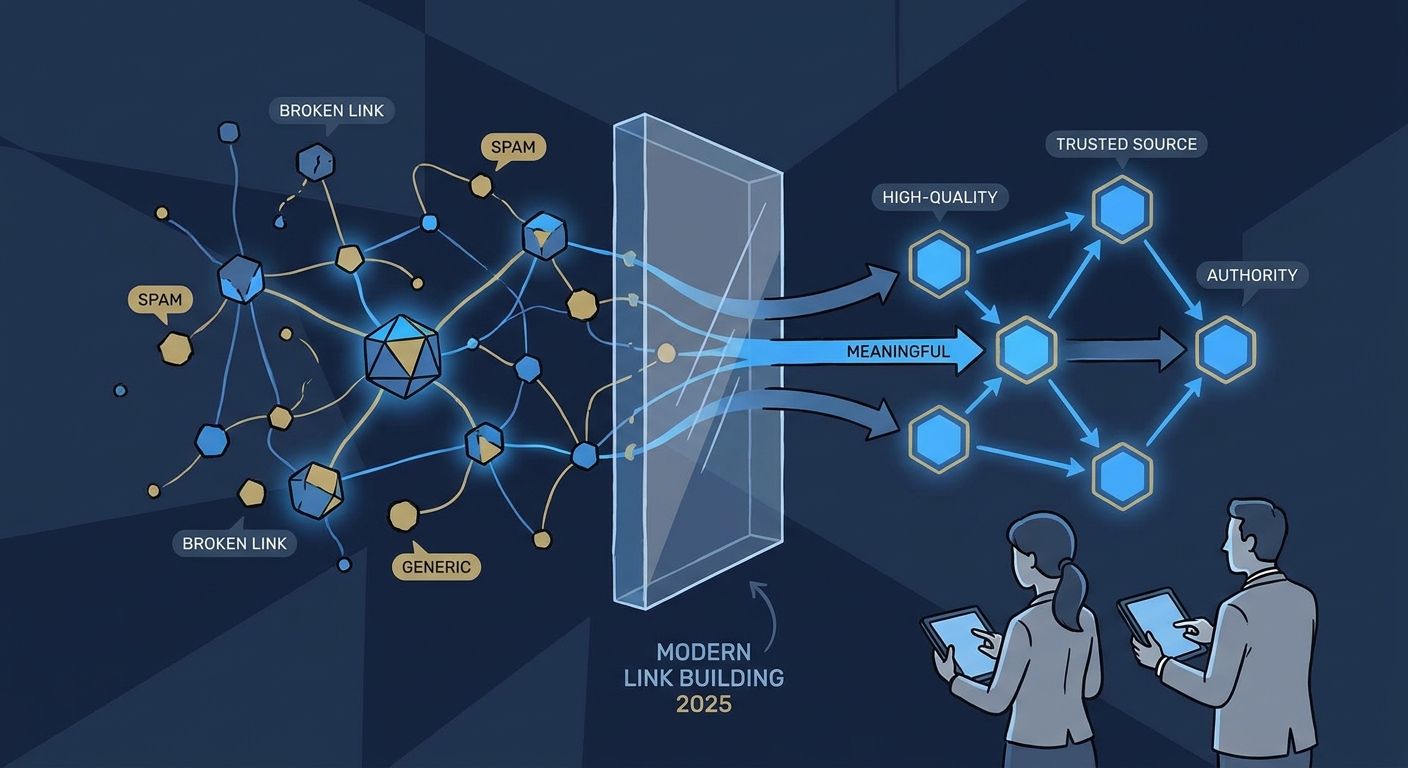
The search landscape has changed. Google’s SpamBrain algorithm is no longer just a blunt instrument; it’s a sophisticated filter that smells artificiality from a mile away. Success today isn't about volume. It’s about being cited. If your strategy doesn't revolve around creating assets that journalists, researchers, and peers actually want to talk about, you’re just shouting into the void while the algorithm works to demote your footprint.
Why the "Old Way" is a Liability
For years, the industry operated on a simple, flawed premise: links are votes. The candidate with the most votes wins. This logic birthed a dark ecosystem of PBNs (Private Blog Networks), guest post farms, and reciprocal link schemes. It was messy, it was easy to game, and it worked—until it didn't.
Google spent the last few years systematically tearing that model down.
They don't just look at the link anymore. They look at the context and the velocity. If you see a sudden, unnatural spike in your backlink profile, or your site is suddenly peppered with links from low-quality, topically irrelevant junk sites, you aren't gaining authority. You’re triggering a filter. The Google SEO Link Best Practices make it crystal clear: any link intended to manipulate rankings is a policy violation. In 2025, playing the "volume game" is a one-way ticket to a manual action or, at best, total stagnation.
Is Your Backlink Profile a Liability?
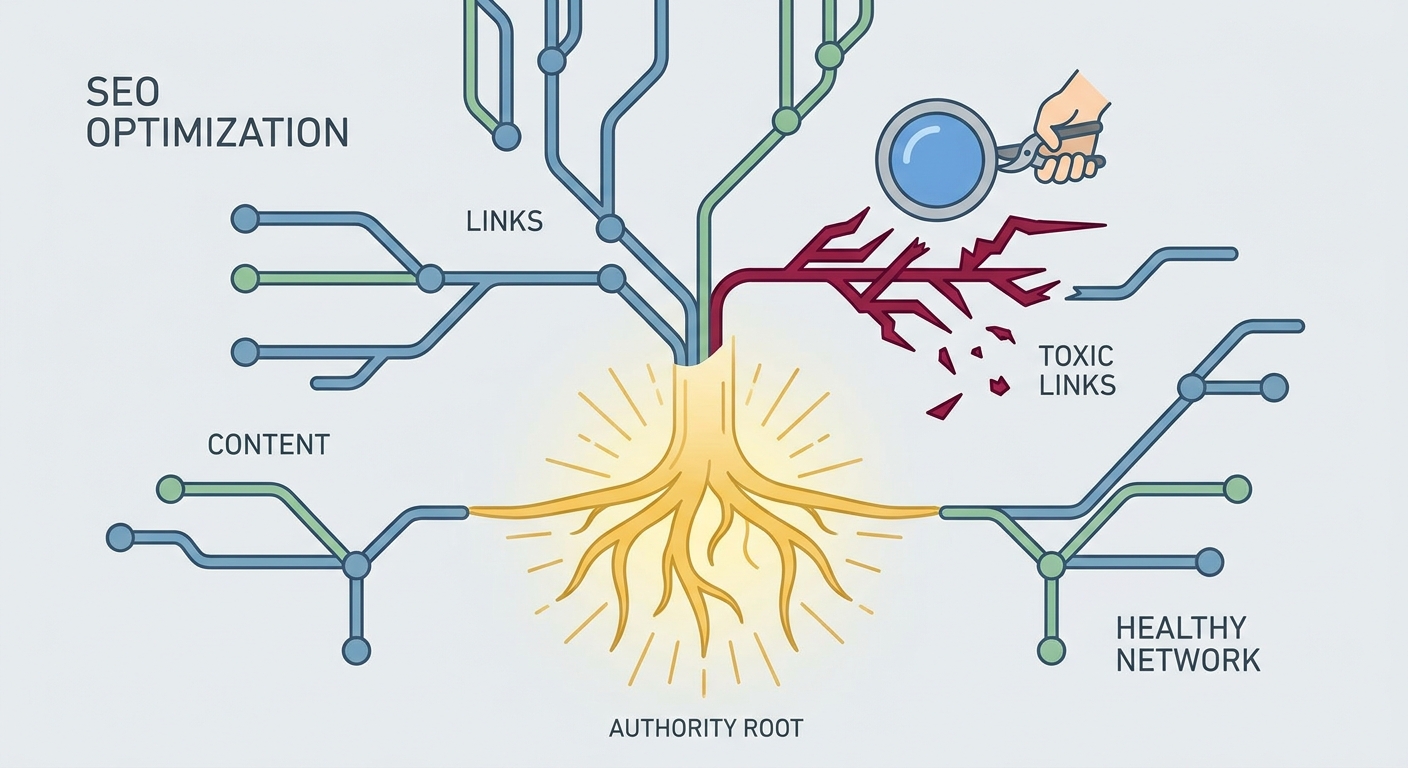
Before you chase a single new link, you need to look in the mirror. Many sites are currently held back by "toxic debt"—a backlog of spammy links from that "aggressive" SEO campaign you ran three years ago.
Look for the red flags. Do you have a cluster of guest posts on sites with zero organic traffic? Did your backlink count jump by hundreds in a single week? That’s not growth; that’s a red flag waving in front of an algorithm. I highly recommend you perform a comprehensive health check on your site using our Backlink Analysis Tool to spot these patterns before they cause permanent damage. If your profile is built on obvious footprints—like shared hosting IPs or repetitive anchor text—you’re basically handing Google the keys to your own demise.
How Do You Build a "Compounding" Link Strategy?
The secret to 2025 SEO is the "Linkable Asset." This is content so useful, so proprietary, and so damn interesting that it earns links passively. We’re talking about original industry studies, interactive calculators, or data visualizations that solve a real problem.
Unlike a standard blog post that gathers dust after a month, a data-driven report becomes a resource. When you publish original research, you aren't begging for a link. You’re providing the evidence journalists need to tell their own stories.
By focusing on assets that compound, you step off the miserable treadmill of constant, manual outreach. You build a foundation that grows stronger with every passing month.
The Digital PR Playbook: From Ideation to Placement
Digital PR is just a fancy way of saying "professional link building." It’s the bridge between your proprietary data and the publications that actually move the needle for your brand.
- Ideation: Stop writing about what you want to sell. Start writing about what people want to know. Use your internal data to answer industry-wide questions.
- Asset Creation: Journalists are swamped. They want clean charts, clear bullet points, and a narrative that fits their beat. If your asset isn't visually compelling and easy to digest, it’s not getting placed.
- Targeted Outreach: This is where most people fail. Mass emailing a template to 500 journalists is spam. Sending a personalized, thoughtful note to five journalists who actually cover your niche? That’s strategy.
The Cost-Benefit Reality
Not all links are created equal. You have to weigh the effort against the reward. Platforms like HARO or Connectively are popular, sure, but they are hyper-competitive. If you’re spending 40 hours a month pitching and only landing two links, you’re failing the ROI test.
According to Loganix: Link Building Tips (Data-backed), the most successful strategies today leverage existing brand authority to bridge the gap into high-tier placements. You aren't just looking for a link; you’re looking for a referral that brings qualified traffic. If a link doesn't send you real people, it’s rarely worth the sweat it took to acquire it.
The "Rule of 40": Protecting Your Rankings
Think of the "Rule of 40" as your insurance policy. No single tactic—whether it’s Digital PR, resource page outreach, or partnership links—should account for more than 40% of your total profile. By diversifying, you ensure that if one tactic loses its punch, your site stays standing.
You should learn how to integrate these links into your broader content marketing via our Content Strategy Guide to ensure that every link you earn is supported by relevant, high-quality on-page content. A link is only as powerful as the page it points to.
Measuring What Matters
Domain Rating (DR) is a vanity metric. It’s a proxy, not a result. In 2025, measure your success by organic keyword growth, referral traffic volume, and brand mentions.
If you want to see what a truly robust, multi-channel approach looks like, check out Backlinko: 170+ Link Building Strategies. The goal is to build a profile that looks natural because it is natural. A mix of citations, news mentions, and high-quality resource links that reflect a brand people actually trust.
Frequently Asked Questions
Is guest posting still a viable link building strategy in 2026?
Only if it provides genuine value. If you are posting on sites that exist solely to host guest posts, you are wasting your time and risking a penalty. Focus on guest contributions for high-authority, relevant industry publications where the primary goal is brand visibility, not just a backlink.
How long does it take to see results from high-quality link building?
Unlike black-hat tactics that provide a short-term spike, high-quality editorial links take time to index and pass authority. Typically, you should expect to see meaningful movement in your rankings within 3–6 months of consistent, high-value link earning.
What is the biggest risk in link building today?
The biggest risk is the reliance on paid link networks and low-quality guest post clusters. Google's AI is exceptionally good at identifying patterns in hosting and linking behavior. If your backlink profile looks "engineered," it is only a matter of time before it is devalued.
How many backlinks do I actually need to rank for a competitive keyword?
There is no magic number. You don't need a thousand low-quality links; you often need only a handful of highly relevant, contextually powerful links from authoritative sites in your niche. Focus on the quality and the "trust" of the linking domain rather than the raw count of your backlinks.