21 ACTIONABLE Link Building Strategies (With Examples ...

TL;DR
- ✓ Focus on quality endorsements rather than chasing high link volume.
- ✓ Leverage proprietary research to naturally attract high-authority editorial links.
- ✓ Use tenant SEO by building authority on platforms like Substack and LinkedIn.
- ✓ Implement relationship-first outreach by personalizing every connection attempt.
- ✓ Audit competitor gaps to identify warm leads for broken link building.
Link building in 2026 isn't a numbers game. Forget chasing some magic tally of backlinks. If you aren't being cited, you’re basically a ghost in the machine.
AI Overviews are the new front door to the web. If you want to be the primary source of truth for both the bots and the humans, you need to be the authority. The Ahrefs Link Building Study still holds up: there is an ironclad, undeniable link between high-quality backlinks and search visibility.
The "2026 Standard" is simple: stop treating links like digital poker chips. Start treating them like professional endorsements. Quality, topical relevance, and expert signals—that’s how you win now.
Phase 1: The Foundation – Building "Linkable" Assets
You can’t build a skyscraper on a swamp. Before you blast out a single outreach email, you need something worth linking to. You need assets.
The best way to earn a link? Own the data. When you publish your own research or industry surveys, you stop begging for links and start attracting them. This is the bedrock of a solid Content Marketing Strategy Guide. You’re turning your site into the go-to reference for journalists and peers alike.
Phase 2: High-Probability Link Channels
How Can You Leverage "Tenant SEO" to Build Authority?
Stop relying only on your own domain. The "1-2 Punch" of modern SEO is simple: build a footprint on third-party platforms like LinkedIn Newsletters or Substack.
Publish where your audience already hangs out. Build trust there. Then, use those "tenant" platforms to funnel that authority back to your "money" pages. It’s a bridge between your external reputation and your site’s actual search performance.
What is the "Relationship-First" Outreach Protocol?
The era of mass-emailing thousands of webmasters with a soul-crushing, robotic template? Dead. Use AI to do your homework—identify exactly who is writing about your niche and why they’d care about your work.
Your outreach shouldn't sound like a form letter. It should sound like a note from a colleague. Reference their specific work. Point out a gap they missed. Offer to fill it. Keep it human.
Phase 3: 21 Actionable Strategies
Category A: The "Quick Wins" (Technical & Reclamation)
- Unlinked Brand Mentions: Use monitoring tools to flag every time your brand is mentioned. If they wrote about you but didn't link, they already like you. A polite nudge usually gets the link.
- Broken Link Building 2.0: Don't just hunt for any broken link. Use AI to scan high-authority sites for broken pages in your topic cluster. When you find one, offer your content as the fix.
- The "Competitor Gap" Audit: If a site links to three competitors but ignores you, they’re already interested in your space. That’s a warm lead. Show them why your resource is the better version of what they’re currently citing.
- Image Link Reclamation: Are people using your charts or photos without credit? Use reverse image search. Find your assets, then send a friendly request for a link back.
- PDF/Resource Reclamation: Industry whitepapers often mention brands without linking. Search for your brand name inside relevant PDFs—you’ll be surprised how many authority citations you’re missing.
Category B: Content-Led Strategies (The "Link Magnets")
- Original Data/Industry Surveys: This is the gold standard. Provide data nobody else has, and you become the source.
- The "Skyscraper" Evolution: Find a successful listicle in your space. Update it with 2026 data. Make the design better. Then, reach out to everyone who linked to the original.
- Visual Assets & Infographics: Data is dry. If you can visualize complex industry shifts, you’ve created an asset people will naturally want to embed.
- "Expert Opinion" Roundups: Ask 10 industry leaders a punchy question. They’ll almost always link to the final piece to show off their contribution to their own audience.
- Case Studies: Real-world results are the ultimate proof of E-E-A-T. Show exactly how you solved a client’s problem, and you’ll attract natural links from people who want to cite the methodology.
Category C: Relationship & PR-Led Strategies
- Digital PR & HARO Hacks: By using HARO (Connectively) Tips, you can position your team as experts for journalists hunting for sources.
- Podcast Guesting: Every appearance is a high-quality backlink in the show notes. Focus on shows your audience actually listens to.
- Niche-Specific Community Contribution: Engage in Slack or Discord communities. Don't spam. Help people. The links follow the reputation.
- Strategic Partnerships: Find non-competing brands that serve your audience. Co-host a webinar or write a guest post. It’s a win-win.
- Newsletter Sponsorships: Sponsoring a high-intent newsletter puts you in front of the exact people who write the content in your space.
Category D: The "Advanced" Tactics
- Tenant SEO: Treat your LinkedIn or Medium profile as a secondary domain that feeds authority to your main site.
- Linkable Tools/Calculators: Create a utility—like an ROI calculator—that people need to use repeatedly.
- Scholarship/Grant Link Building: Offer a scholarship to students. It’s a classic, effective way to earn high-authority .edu links.
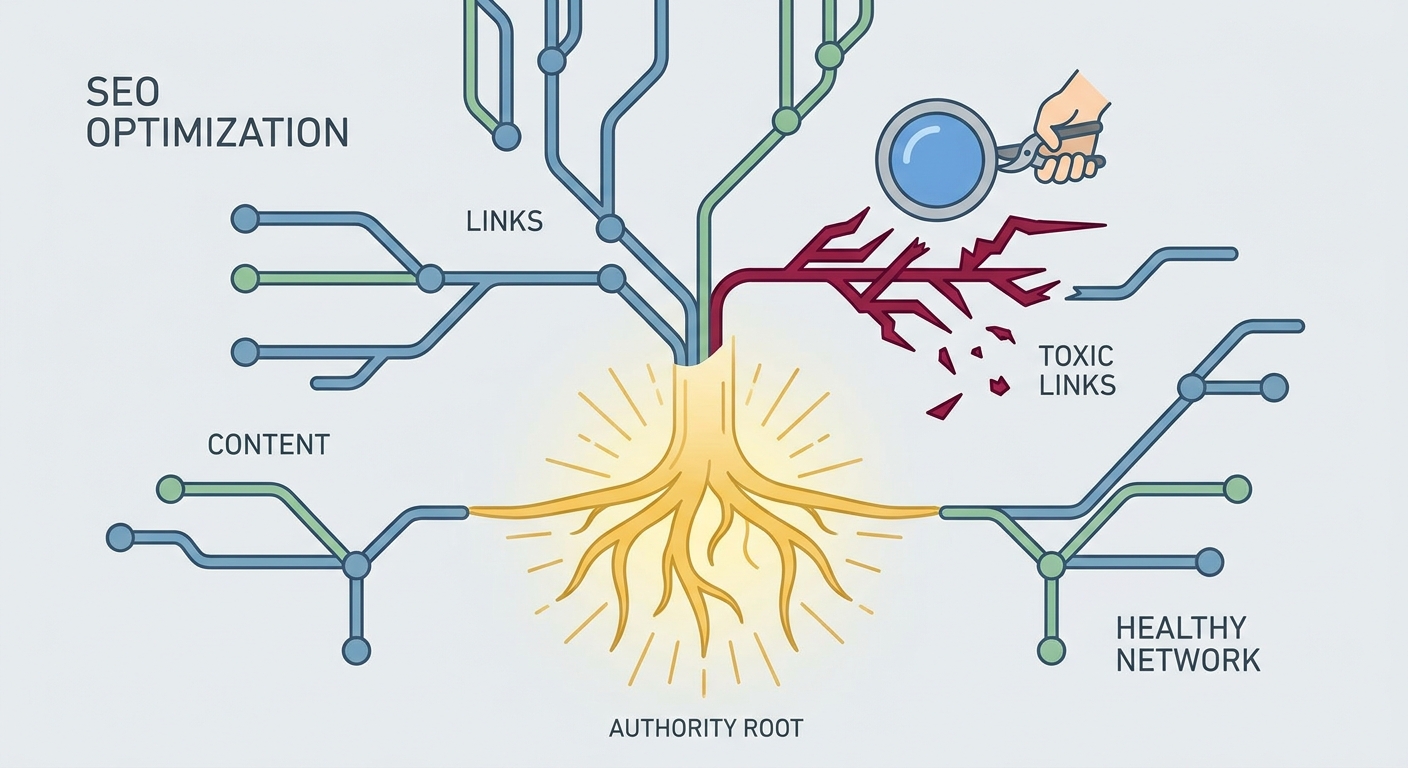
- Broken Redirect Chains: Audit your own internal link structure. Don't leak authority through old, broken, or redirected pages.
- Reverse Engineering Competitor Guest Posts: Search "Author: [Competitor Name]" to see where they’ve written. Pitch those editors with a better, fresher take.
- The "Expert E-E-A-T" Signal: Ensure your key team members are linked from their professional association profiles or board certifications.
Phase 4: Scaling Your Success
Link building is a grind. If you have the bandwidth, you can run these in-house, but it takes a dedicated person who gets digital PR. If your resources are stretched thin, checking out Our SEO Services might be the move to bridge the gap between "trying" and "building an authority engine."
Phase 5: The E-E-A-T Checklist
Before you finalize your strategy, audit your site against Google's Search Quality Rater Guidelines. In 2026, a link from a site that actually knows your niche is worth ten times more than a high-DR site that has nothing to do with your industry. If you want to go deeper into these tactics, Backlinko’s Link Building Guide remains an excellent resource for granular, actionable advice.
Frequently Asked Questions
Does link building still work in 2026 with AI search?
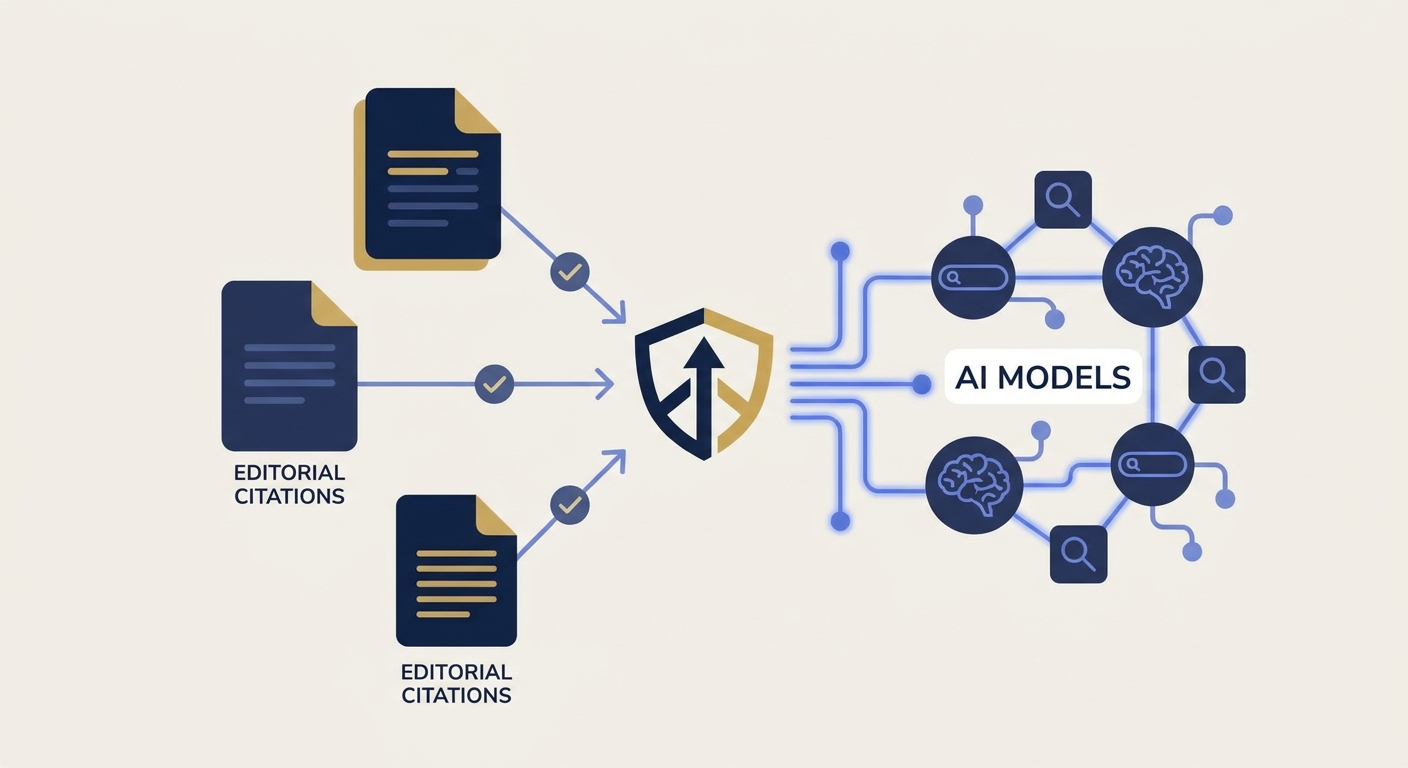
Yes. AI models look for citations to determine which sources are "authoritative." Backlinks are still the primary signal for that trust.
What is the most effective link building strategy for a new website?
Focus on the "low-hanging fruit": fix broken links, guest post for niche-relevant blogs, and create linkable assets like original data studies that provide value to journalists.
How many links do I need to rank for a competitive keyword?
There is no magic number. Stop chasing quantity. Match or exceed the "referring domain" quality of the top 3 competitors. Focus on topical authority.
Is guest posting still considered "white hat" in 2026?
Yes, as long as your goal is audience building and contributing value, not mass-producing keyword-stuffed fluff just to pass PageRank.
Where can I find more advanced link building resources?
For those looking to dive deeper into massive, granular link building tactics, we recommend checking out Backlinko’s Link Building Guide.