5 Proven Link Building Strategies to Boost Domain Authority in 2026

TL;DR
- ✓ Shift from chasing volume to building trust signals for AI search models.
- ✓ Prioritize E-E-A-T to ensure your links signal genuine expertise and brand authority.
- ✓ Create proprietary data-first content that journalists and bloggers naturally want to cite.
- ✓ Replace outdated outreach tactics with modern Digital PR and strategic newsjacking techniques.
- ✓ Conduct a comprehensive SEO audit before initiating any new link acquisition campaigns.
The ground beneath our feet has shifted. We aren't living in the era of "ten blue links" anymore. We’re in the age of AI-generated answers—a world where Gemini and SGE hold the keys to the kingdom.
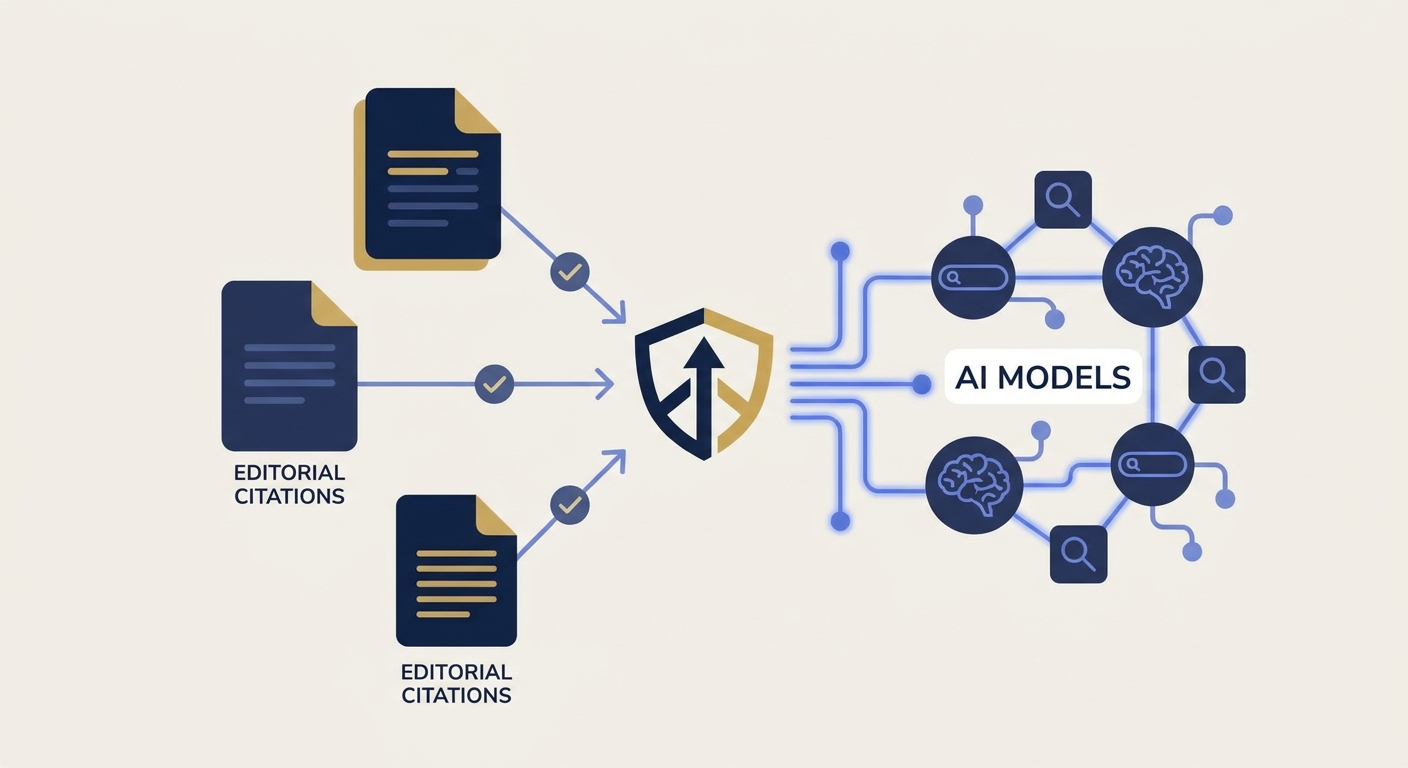
If you’re still hunting for backlinks like they’re just mindless votes, you’re chasing ghosts. Today, a backlink isn't a trophy; it’s a trust signal. It’s the proof AI models need to verify that your content is actually worth a damn. The numbers don't lie: 96% of the top 10 results boast over 1,000 unique domains. The delivery system for search has changed, but the architecture of authority? That’s still built on high-quality citations.
Before you start firing off outreach emails, do yourself a favor: conduct a comprehensive SEO audit. Ensure your house is in order before you invite the neighbors over.
Why Link Building Still Rules the Roost
People love to announce the death of SEO. They’ve been doing it for a decade, yet here we are. The game has simply evolved. We’ve moved past the "referral traffic" mindset—the idea that a link is just a digital highway—and into the era of "entity association." When a heavyweight publication links to your site, they aren't just sending you a reader. They’re vouching for your existence. They’re saying, "This brand is the real deal."
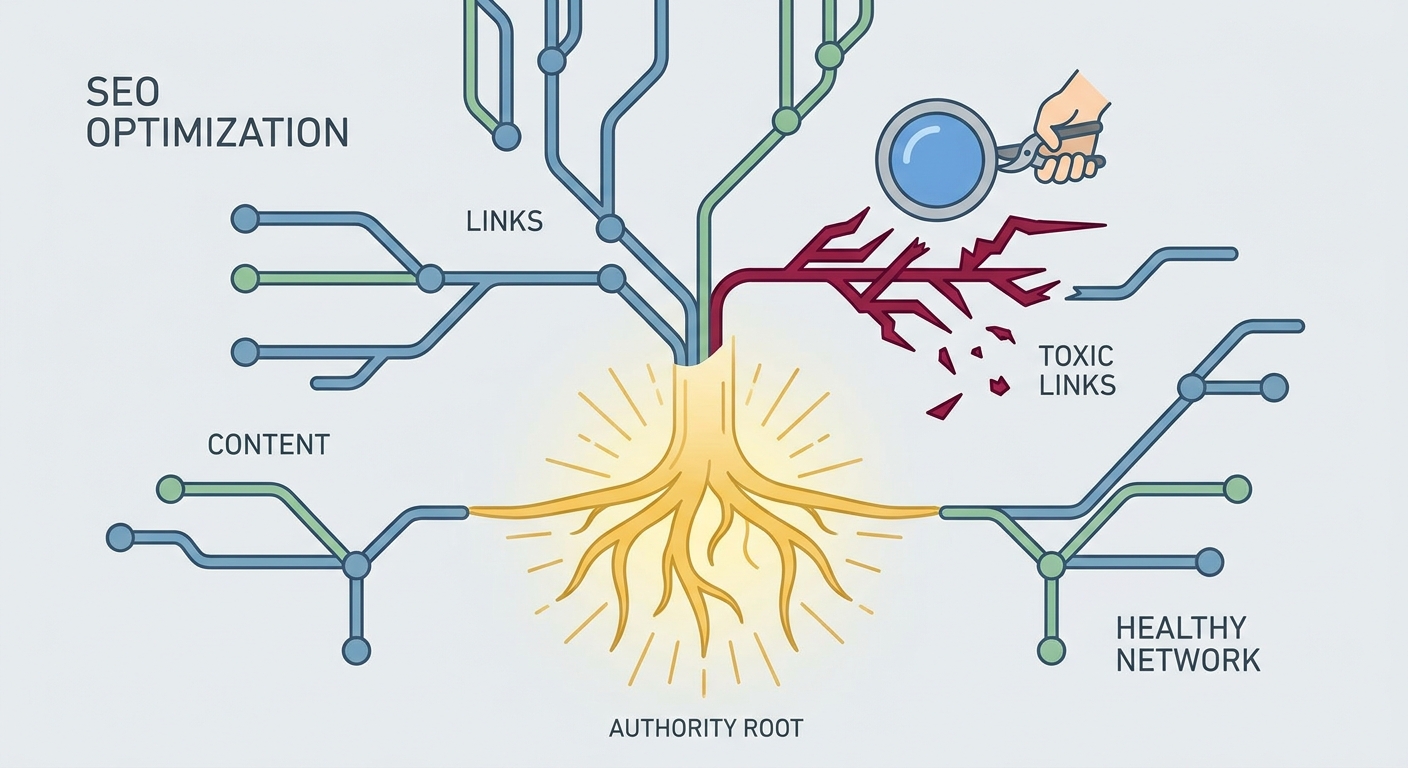
In 2026, the filter is E-E-A-T. Google’s algorithms aren't impressed by your volume. They’re impressed by your pulse. Does the linking site have an audience? Is the surrounding content actually relevant to your niche? Are the authors real, breathing experts? If you aren't building links that validate your expertise, you aren't building authority. You’re just planting a digital footprint that SpamBrain is going to wipe out eventually.
1. Creating "Link Bait" That Actually Sticks
The "Skyscraper" technique is dead. You know the one: find a popular post, write a slightly longer version, and hope for the best. It’s noisy, it’s lazy, and it rarely earns the kind of editorial links that move the needle.
In 2026, you need to be the source. Not the mirror.
You need "Data-First" content. Run your own surveys. Crunch your own proprietary customer data. Build an industry benchmark that nobody else has. Journalists and bloggers are tired of generic "how-to" fluff. They want data that makes their arguments look smarter. When you publish a report that uncovers a hidden truth in your industry, you aren't begging for links anymore. You’re providing a resource that writers are desperate to cite.
2. Digital PR: The Modern Backbone
If you’re still sending a thousand identical emails to random bloggers, stop. You’re burning your domain’s reputation for no reason.
Modern link building is just Digital PR. It’s about positioning your brand as the go-to expert for journalists who are already hunting for a story. Think "Newsjacking." When a massive trend hits, don't wait three days to write a blog post. Provide expert quotes, unique data, or a sharp, contrarian take to the writers covering that story right now. Keep a close eye on current Digital PR trends to see what the editors are hungry for. Be fast, be insightful, and be useful. The links will follow.
3. The Internal Link Strategy
Most SEOs are so obsessed with getting external links that they let their own site’s authority leak out through a mess of broken or shallow architecture.
Your "link magnets"—those high-authority data reports—should be the beating heart of your site. Use a "Silo" or hub-and-spoke model. If a report has earned fifty high-quality backlinks, it’s a powerhouse. Don't let that equity sit there. Link from that report to your core service pages. You’re funneling that trust directly into the pages that actually make you money.
4. Relationship-Based Guest Posting
The "Guest Post Farm" is a cesspool. If you’re paying for placements on sites that cover everything from plumbing to crypto gambling, you’re practically begging for a manual action.
In 2026, guest posting is about deep, narrow relevance. Work with partners who actually share your audience and hold themselves to high editorial standards. Always check against Google's Spam Policies. When you reach out, ask yourself: "Would I be proud to see this on the front page of a major publication?" If the answer is no, delete the email.
5. The Low-Hanging Fruit: Unlinked Mentions
People are talking about you. They’re mentioning your brand, your products, and your research. But they aren't linking to you.
This is the easiest win in the book. You aren't asking for a favor; you’re asking for a correction. It’s a simple, non-pushy email: "Hey, thanks for the mention! Would you mind making that a link so your readers can find our original data?" People are usually happy to oblige. If you need a framework for analyzing which mentions are worth your time, check out the Ahrefs Backlink Authority Guide. Focus your energy where it yields the most impact.
Avoiding the SpamBrain Trap
Google’s SpamBrain is a sophisticated machine learning system. It’s built to sniff out manufactured authority. If you’re using Private Blog Networks (PBNs), automated link software, or spamming directories, you are playing a losing game. A manual action—or even a quiet algorithmic demotion—will cost you far more than a few cheap links ever helped. Build for the long haul.
The Toolkit: Keep It Lean
You don't need an expensive, bloated software stack. You need precision. Use Ahrefs for prospecting. Use Hunter to find the right person to talk to. Keep an eye on HARO or Connectively for when journalists are literally asking for your expertise. Keep your process lean, fast, and human.
Conclusion: Playing the Long Game
Link building isn't a sprint. It’s a marathon. It requires the same patience and effort as building a reputation in the real world. If you find the process overwhelming or your team lacks the bandwidth for high-level outreach, don't be afraid to look into professional SEO consulting.
The goal isn't to "game" the algorithm. The goal is to build a digital presence so undeniable that both the search engines and the AI models powering them have no choice but to name you the leader in your space.
Frequently Asked Questions
Does link building still work in the age of AI search?
Yes, backlinks remain a primary indicator of trust and authority for AI models when verifying the credibility of a website.
What is the biggest mistake in link building in 2026?
Buying low-quality links or using automated outreach tools that spam webmasters; these trigger Google’s SpamBrain filters and lead to ranking penalties.
How long does it take for a backlink to impact Domain Authority?
It typically takes 3–6 months for search engines to crawl, index, and attribute the authority pass-through from a new backlink.
Should I focus on Guest Posting?
Only if the placement is highly relevant and the site has genuine traffic; avoid "guest post farms" at all costs as they are easily flagged by modern spam algorithms.