7 Essential Link Building Strategies to Boost Your Brand Authority in 2026

TL;DR
- ✓ Focus on reputation and digital PR instead of chasing low-quality backlinks.
- ✓ Use proprietary data and original research to earn natural editorial endorsements.
- ✓ Leverage podcast guesting to establish subject matter expertise and authoritativeness.
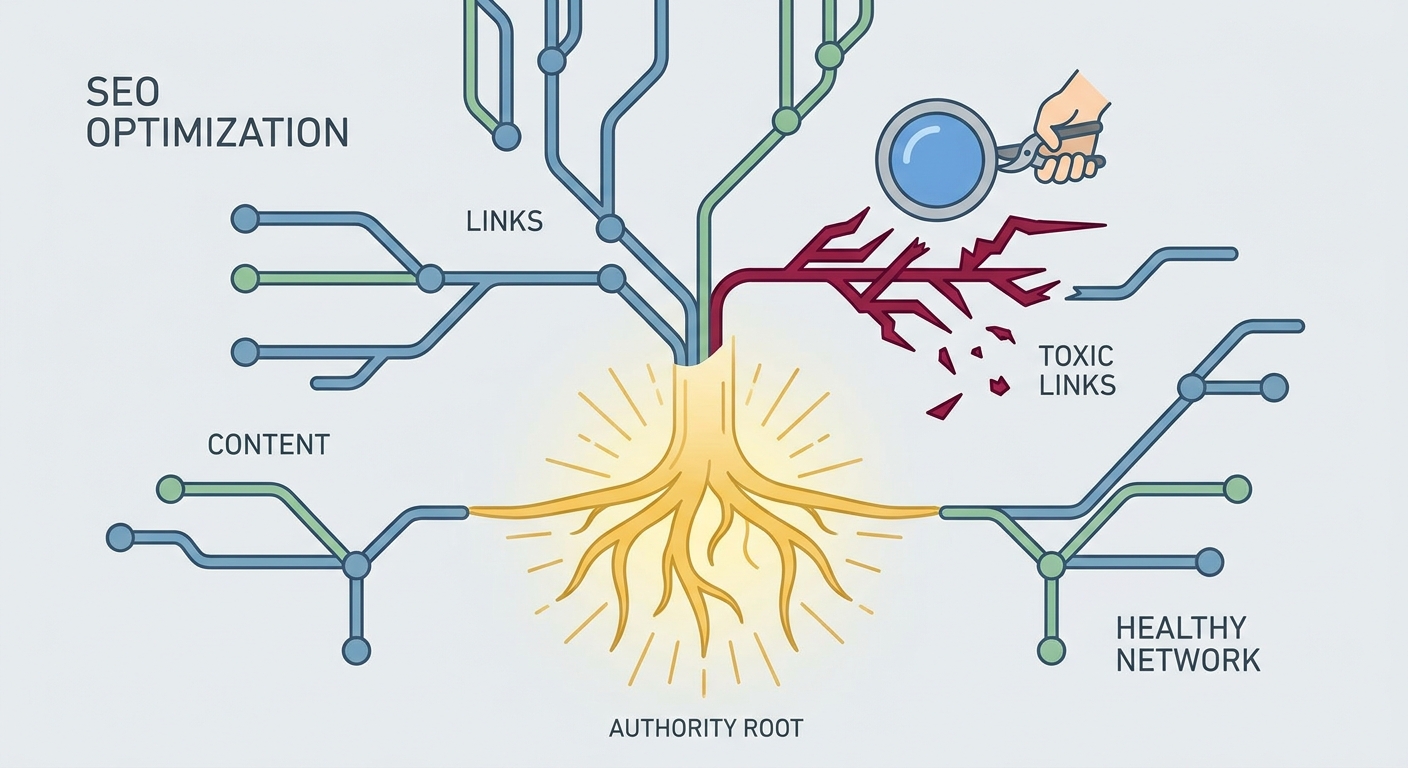
- ✓ Audit your backlink profile to remove toxic links hindering your domain authority.
Forget everything you know about "link building." In 2026, chasing backlinks like they’re Pokémon cards is a fast track to irrelevance—or worse, a Google penalty. If you’re still scouring shady directories or obsessing over your total link count, you’re playing a game that ended years ago.
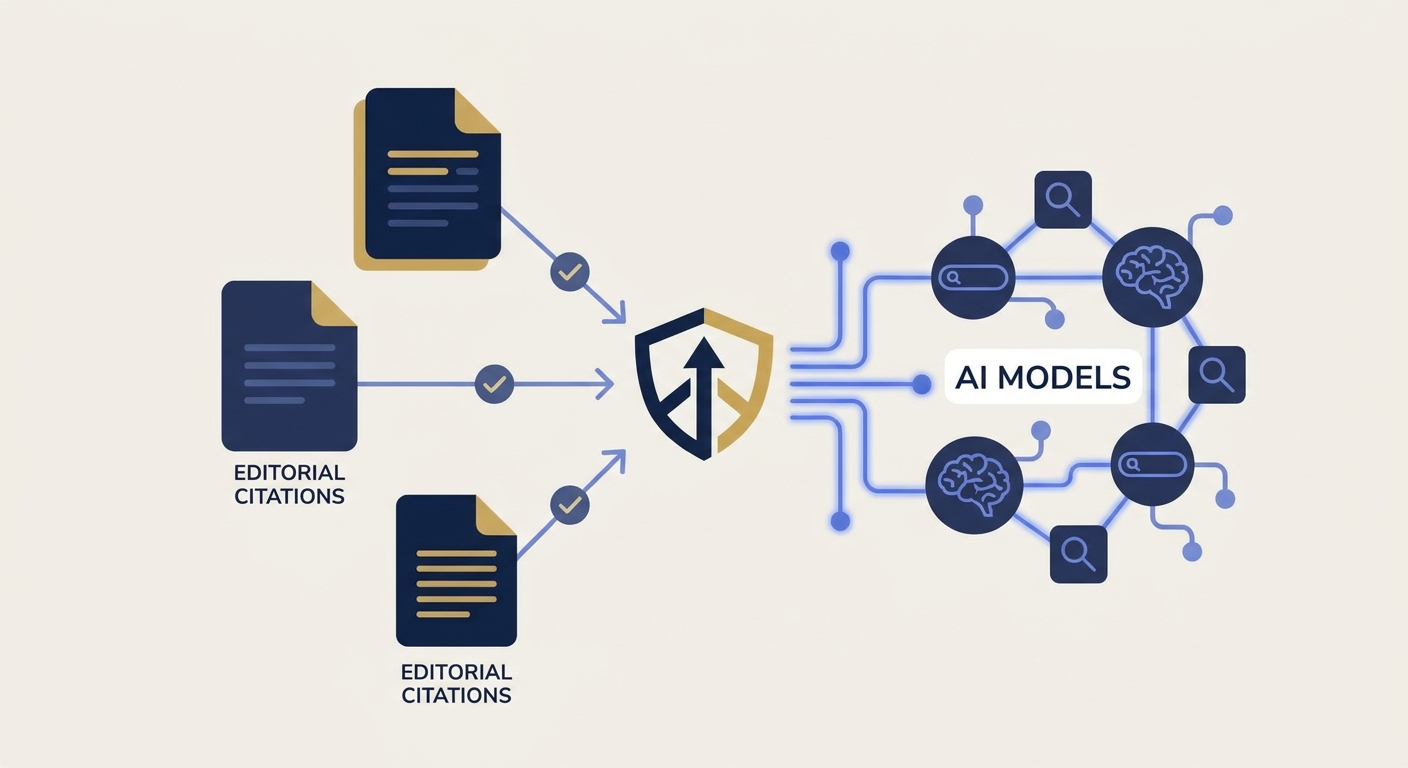
Today, search engines aren't just counting links; they’re measuring reputations. With AI models and Google's E-E-A-T Guidelines setting the bar, a link has to be more than a URL. It has to be a vote of confidence. A digital handshake.
You need to stop thinking like a "link builder" and start acting like a brand authority. Before you start reaching out, do yourself a favor: look at your current backlink profile. If it’s cluttered with junk, book some SEO Audit Services first. Don't build a skyscraper on a swamp.
Why the Old Playbook Is Garbage
The era of PBNs, mass-produced guest posts, and keyword-stuffed directories is dead. Good riddance. Search engines now view the web through a human lens. They can tell when you’re trying to game the system. If a link doesn't offer real value to a reader or serve as a genuine editorial endorsement, it’s invisible. Or, it’s a red flag.
Your backlink profile is a mirror. It shows the world—and Google—exactly how your brand sits in the industry. If you haven't cleaned up your footprint, you're just piling on more digital clutter. True authority isn't bought; it’s earned through contribution, visibility, and creating assets that people actually want to cite.
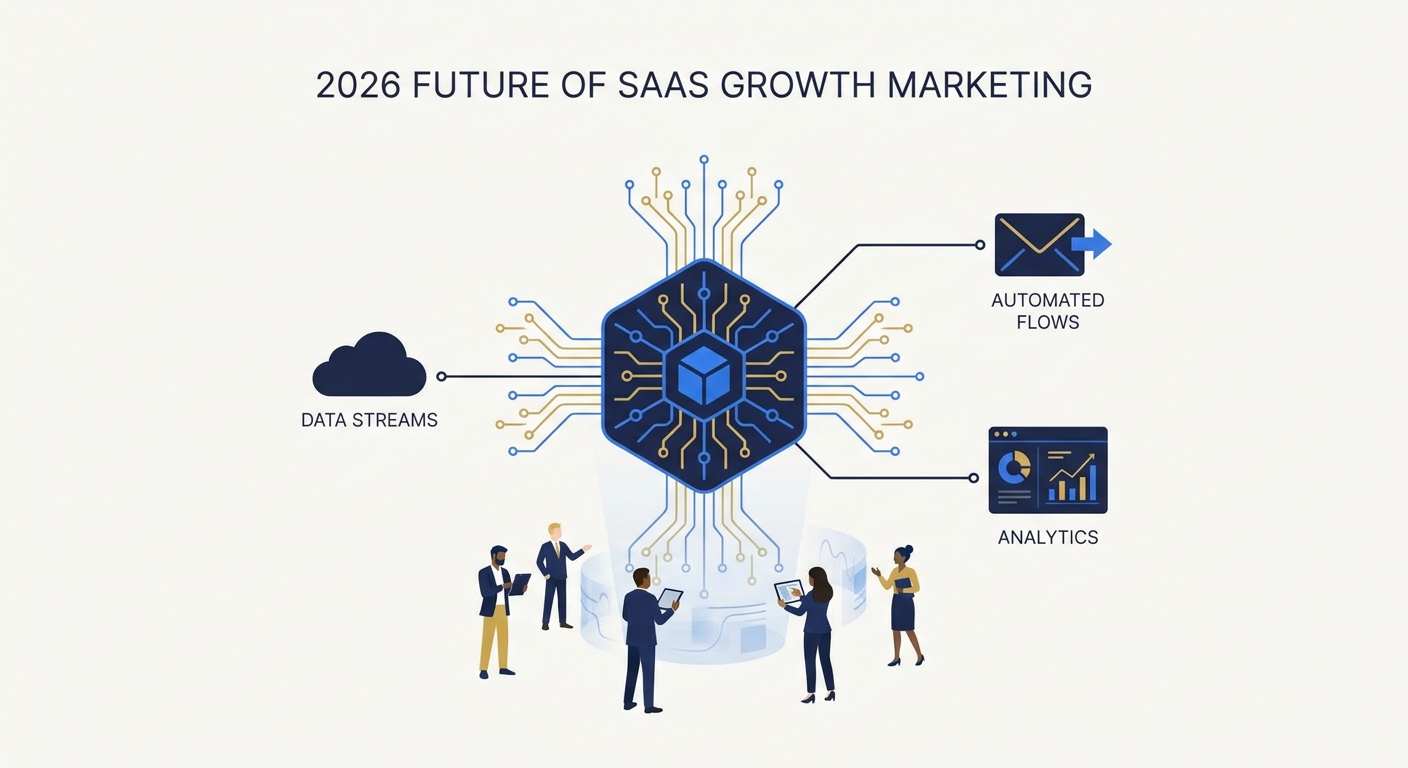
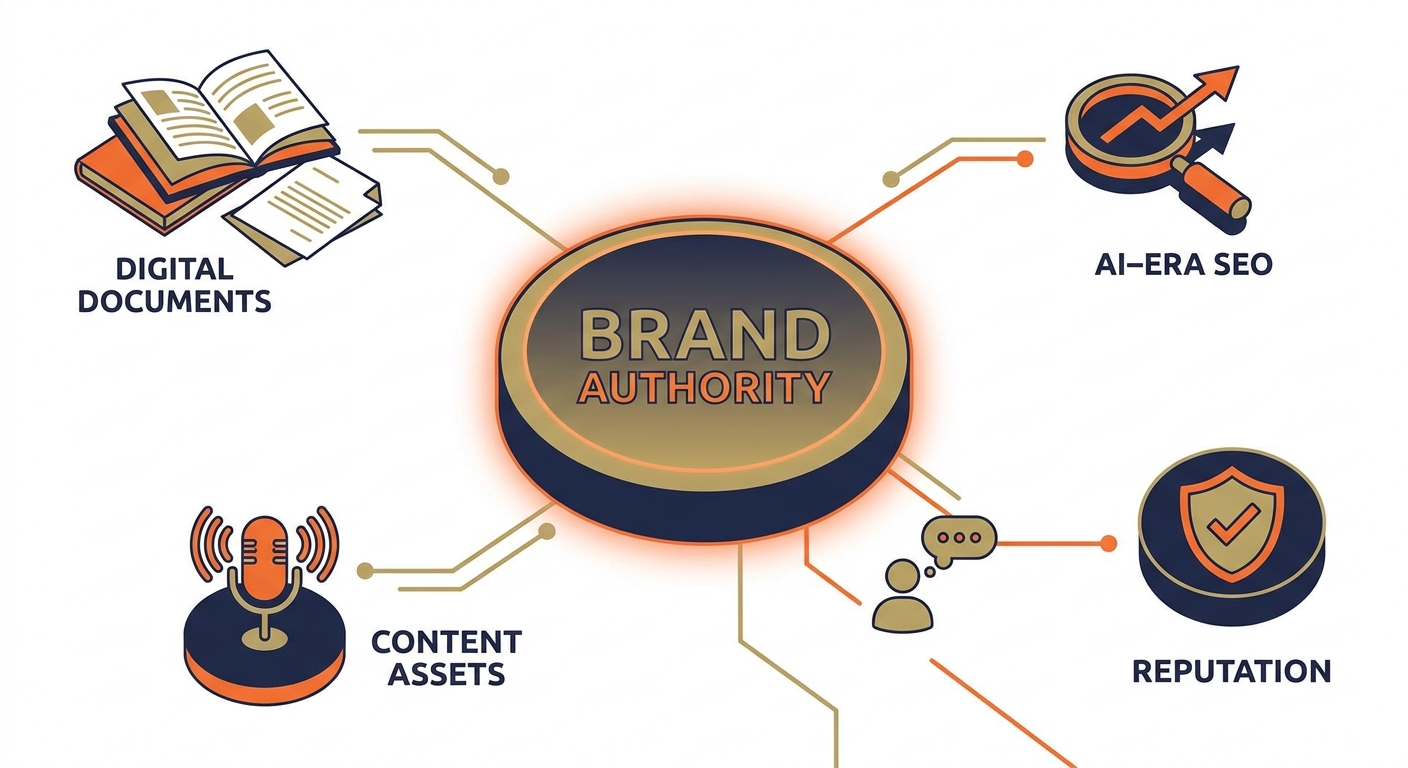
The New Ecosystem: A Shift in Focus
7 Proven Strategies to Build Authority in 2026
1. Digital PR and Original Research
Stop spinning generic "how-to" content. Everyone’s doing it, and nobody cares. To land spots in top-tier publications, you need something they don't have: proprietary data.
Run your own surveys. Analyze industry shifts. Publish a case study that actually says something new. When you become the primary source, the links follow you. If you need help turning dry data into a narrative that journalists crave, our Our Content Marketing Services team specializes in exactly that.
2. Podcast and Media Guesting
Want to prove you're an expert? Get on a microphone. Being a guest on high-authority podcasts isn't just about the backlink; it's about the "Authoritativeness" signal. When you share deep, nuanced insights, the show notes become a goldmine of contextual, high-value links. Use tools like HARO/Connectively to find journalists who are actively looking for the kind of expertise only you can provide.
3. Reclaiming Unlinked Mentions
It’s frustrating to see your brand mentioned in a killer article—without a link. This is the easiest win in the book. Set up alerts for your brand name. When you see a mention, send a polite, human note: "Hey, thanks for the shout-out on the study! If you think it’d help your readers to see the full data, would you mind linking to the source?" Most editors will say yes. It’s a win for them, a win for their readers, and a win for you.
4. Modernizing the Skyscraper Technique
The "Skyscraper" method is tired. Copying a competitor and adding 500 words is a waste of everyone's time. In 2026, "better" means "more useful." Head over to the Ahrefs Backlink Checker, see where your competitors are getting their links, and then ask: What did they miss? Is the data old? Is the design clunky? Is it just plain boring? Build something so much better that their version looks like a draft.
5. Strategic Content Partnerships
Stop looking at your competitors as enemies. Look for brands that share your audience but don't sell your product. Co-author a guide. Run a joint webinar. Write a white paper together. When you combine forces, you create something far more authoritative than either of you could manage alone. Plus, you get the benefit of their audience and their backlink profile.
6. Curated, Niche-Specific Directories
Generic directories are dead. But niche-specific hubs? Those are thriving. Look for professional associations and resource centers run by trusted trade organizations. These sites act as curators. If a directory requires a manual review or a membership fee to join, it’s probably legit. Getting listed there is a major trust signal.
7. Community and Forum Thought Leadership
Reddit, LinkedIn, and sector-specific forums are gold mines. But here’s the catch: don’t be a spammer. If you drop a link in every thread, you’ll get banned, and you’ll deserve it. Instead, show up. Answer the tough questions. Be the person who actually helps. When you build a reputation as an expert, your link becomes a natural reference point. It’s organic, it’s relevant, and it’s untouchable by automated filters.
How to Use AI Without Losing Your Soul
AI is a force multiplier, not a replacement for your brain. In 2026, the winners are the ones who use AI for the "grunt work"—finding backlink gaps, cleaning up lists, and summarizing research—but keep the human touch for the actual outreach.
Use AI to analyze a prospect's recent work so you can write one sentence that proves you actually read it. Never, ever send a template that starts with "I love your blog." If you’re using machines to find the right people, use your own humanity to build the relationship.
Measuring Success: The Brand Authority Metric
If you’re still obsessing over Domain Rating (DR), you’re looking at the wrong map. Modern link building is about "Share of Voice." Are you being cited in the same places as the industry leaders? Are your brand mentions growing?
Track your "Brand Mentions" as a primary KPI. When people talk about you—even without a link—your authority is rising. Think of your backlink profile as a living, breathing reflection of your reputation. If you’re truly out there providing value, the links will follow.
Frequently Asked Questions
Does "Link Building" still work in 2026?
Yes, but the goal has shifted. It’s no longer about volume; it’s about reputation. Links are now a vital signal of trust for both search engines and the AI models that power modern search.
How do I avoid Google penalties in 2026?
Stop buying links. Quit the PBNs. Stop guest posting on irrelevant, low-quality sites. Focus on earned media, editorial mentions, and real industry partnerships.
What is the most effective link-building strategy for 2026?
Digital PR and original research. When you create data that others need to cite, you don't have to chase links. People come to you.
How does AI change the link building process?
AI lets you analyze competitor gaps at scale and personalize your outreach. It does the heavy lifting, but it can’t replace the human judgment needed to build genuine professional relationships.