The Ultimate Guide to Link Building Services: How to Scale Organic Traffic in 2026

TL;DR
- ✓ Abandon low-quality link volume in favor of high-authority AI-citation strategies.
- ✓ Leverage digital PR and original data to become a trusted industry source.
- ✓ Target high-intent listicle placements to dominate modern AI-generated search results.
- ✓ Align your backlink profile with topical relevance rather than outdated Domain Rating metrics.
The era of chasing "link volume" is dead. If your 2026 strategy still relies on hitting a monthly quota of guest posts from bottom-tier blogs just to pad your Domain Rating, stop. You’re setting your marketing budget on fire.
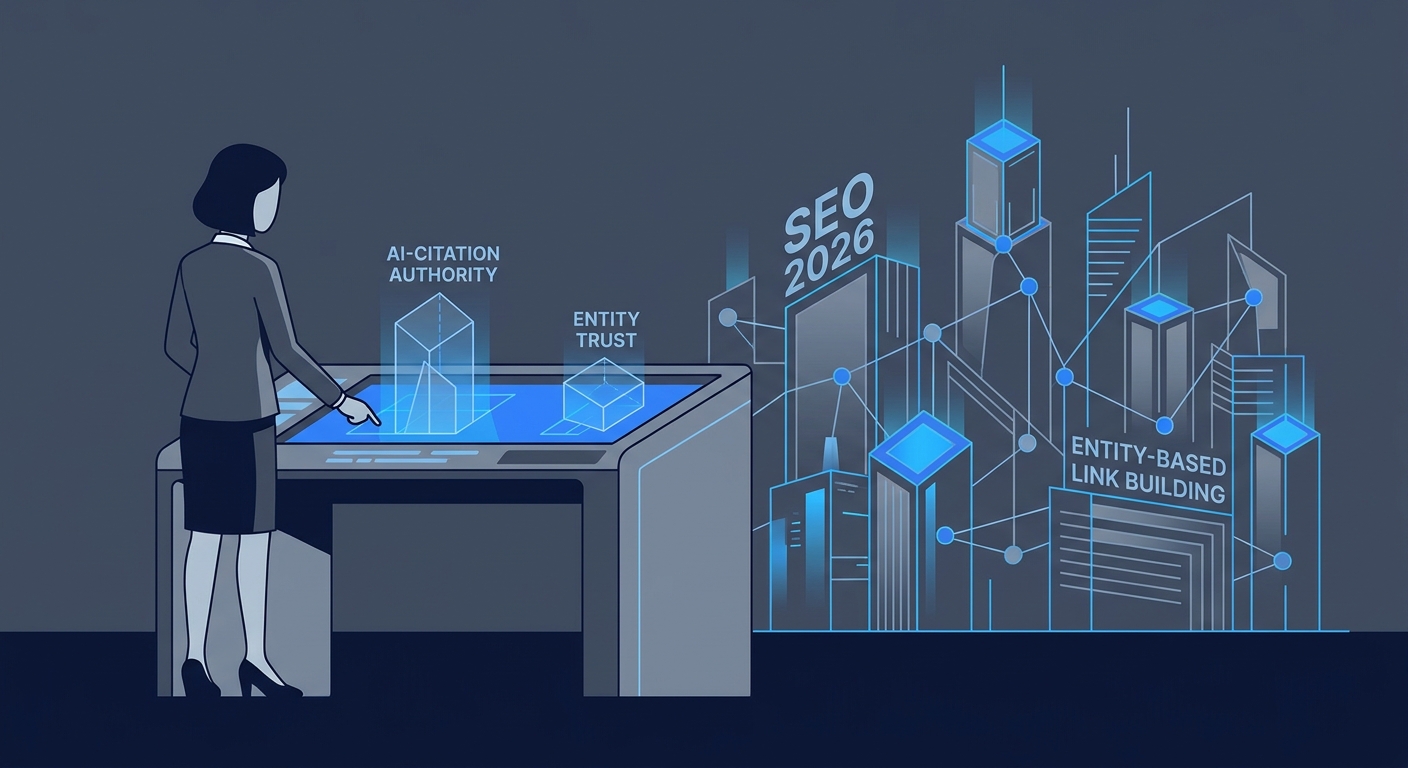
SEO has stopped being a numbers game. It’s no longer about how many links you can jam into your profile; it’s about "AI-citation authority." If you want to scale, you need to stop acting like a spammer and start acting like an entity—a source that search engines and their generative AI counterparts actually trust enough to quote.
Why Traditional Link Building is Officially Toast
For a decade, we played cat-and-mouse with Google. We obsessed over "10 blue links" and ignored what the user actually wanted. Back then, a Private Blog Network (PBN) or a massive blast of spammy guest posts could artificially inflate your visibility.
That wall has crumbled.
Modern search engines aren't simple index-retrieval machines anymore. With the rise of Search Generative Experience (SGE) and platforms like Perplexity, the goalpost has moved. The new objective? Be the primary source of truth. When an AI summarizes a complex query, it doesn't care about your DR. It cares about topical relevance and editorial consensus. If you’re still buying links from farms, you’re just handing Google a neon sign that says, "Please penalize my site."
How Do AI Overviews (SGE/Perplexity) Change the Game?
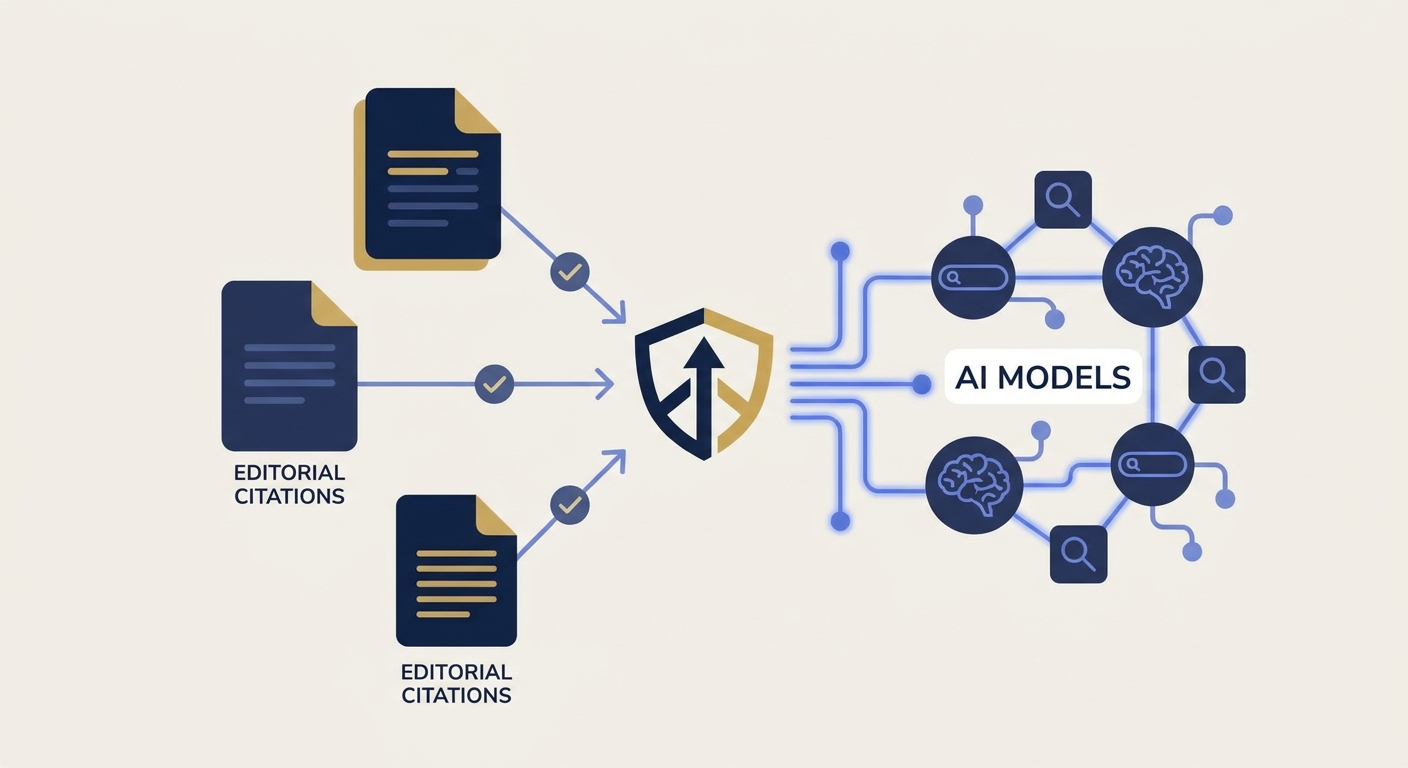
The shift toward AI-generated answers has fundamentally changed what constitutes a "valuable link." In the past, a link was a vote of confidence. Now, a link is a citation. If you want to scale, you need to be the source that the AI cites to support its claims.
According to the latest Ahrefs AI Overview Study, a significant majority of pages cited in AI responses already rank within the top 10 search results. This creates a "winner-take-most" scenario. The most effective way to secure this visibility is through "Listicle" placement. When users search for "best software for X" or "top strategies for Y," they are met with curated lists. Being featured on these high-intent resource pages is the new gold standard for visibility because it places your brand directly in front of a user who is already in the evaluation phase of the buying cycle.
Are You Chasing the Right Links? The 2026 Authority Matrix
Not all links are created equal. In 2026, the "Authority Matrix" is your compass. We constantly see brands obsessing over links from generic, high-DR news sites that have zero to do with their industry.
That link is noise.
Prioritize topical relevance. A link from a niche, industry-specific publication with a lower DR is infinitely more powerful because it screams to the algorithm that you’re a recognized player in your specific sandbox. We are also seeing a massive rise in the value of unlinked brand mentions. If you’re unsure where your gaps are, our SEO Audit Services are designed to map exactly where your topical authority is thin and where you need to build relationships to bridge that gap.
What Should You Look for When Vetting a Link Building Agency?
If you’re outsourcing, keep your guard up. The market is still flooded with agencies promising "guaranteed monthly link counts."
Run.
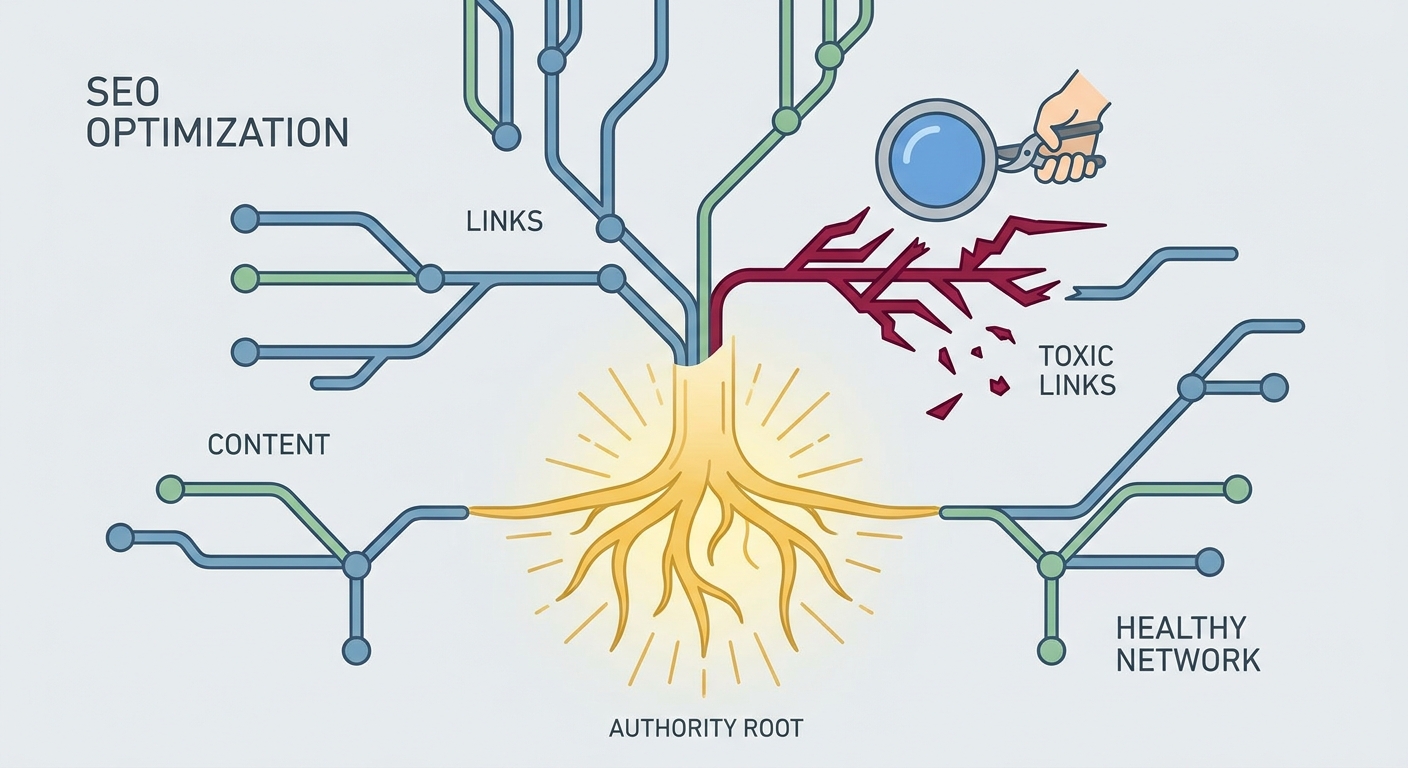
If they guarantee a specific number of links, they’re using a mechanized, low-quality network. It’s a ticking time bomb for your site’s health.
The Agency Vetting Checklist
- Editorial Standards: Do they have a real content process, or are they just "inserting" links into irrelevant, stale articles?
- Digital PR Focus: Do they build data-driven assets that earn links, or do they just spam "guest post" outreach?
- Transparency: Are they willing to show you the specific sites, or do they hide behind "confidential publisher lists"?
- Performance Metrics: Do they measure success by the number of links, or by growth in organic traffic and brand mentions?
What Proven Strategies Actually Move the Needle in 2026?
Why Digital PR is the New Standard
Digital PR isn't an "optional" layer of SEO anymore; it’s the foundation. By creating original data, proprietary studies, or unique industry surveys, you give journalists and editors a reason to link to you. When you create truly linkable assets, you stop "building" links and start "earning" them. If you are unsure where to start, The Complete Guide to Content Marketing provides a framework for building the kind of high-value, data-driven content that makes outreach effortless.
How to Master Listicle and Resource Page Outreach
Listicle outreach is about high-intent targeting. Find the "Best X" pages that are already ranking for your target keywords. Tools like Listicle.com can help you identify these opportunities, but the secret is in the pitch. Don't just ask for a link; provide value. Offer to update their list with fresh data, correct outdated information, or provide a unique expert quote that improves their article’s quality.
How to Scale Your Outreach Without Losing Personalization
The biggest mistake in modern outreach is the "spray and pray" approach facilitated by AI. While you can use AI to identify prospects, you must never use it to write the actual outreach emails. A human-led, relationship-based approach is the only way to cut through the noise. Scale your outreach by building a "relationship CRM" where you track interactions with editors, not just the links they provide.
How Can You Measure Link Building ROI Beyond Rankings?
Ranking is a destination, not a metric. To truly measure the success of your link building, you need to look at organic traffic growth, brand visibility, and, most importantly, "Share of Voice" in AI Overviews. If your link building efforts are working, you should see an increase in your brand's presence in generative search results. For a deeper dive into how to quantify these efforts, the Semrush Link Building Guide offers excellent foundational measurement tactics that move beyond the outdated "number of referring domains" trap.
Frequently Asked Questions
Should I still care about Domain Rating (DR) in 2026?
DR is a useful proxy for site health, but it should never be your primary goal. A site with a DR of 20 that is highly relevant to your industry is significantly more valuable than a site with a DR of 70 that is completely unrelated to your niche.
Are guest posts still effective for organic growth?
They are effective only if the content is high-quality, editorial-in-nature, and published on a site that has a genuine audience. Avoid any agency that offers "paid guest post" packages, as these are typically low-value link farms that provide zero long-term benefit.
How long does it take to see results from modern link building?
In the current landscape, you should plan for a 3–6 month window. Modern link building is about building authority, not gaming the system. It takes time for search engines to crawl these new signals, associate your domain with the new topics, and adjust your rankings accordingly.
Can AI help with my link building processes?
Yes, but use it exclusively for administrative tasks—prospecting, identifying broken links, or summarizing potential target sites. Never use AI to write your outreach emails or the content that earns the link; human-to-human connection is the bedrock of digital PR.
What is the difference between Digital PR and standard link building?
Standard link building focuses on the link itself as a transactional asset. Digital PR focuses on the brand—earning mentions, citations, and authority through high-value content and relationships. Digital PR is scalable and future-proof, whereas standard link building is increasingly fragile in the face of evolving search algorithms.