Link Building for Startups: How to Build Domain Authority from Zero


TL;DR
- ✓ Shift focus from vanity link counts to topical relevance and entity authority.
- ✓ Technical SEO and site performance are prerequisites for successful link building campaigns.
- ✓ Create proprietary data assets that AI cannot replicate to attract organic backlinks.
- ✓ Prioritize high-quality niche links over generic high-authority site placements.
If you’re a founder waiting for "Domain Authority" to magically bloom so your content can finally rank, you’re chasing a ghost.
In 2026, the web is drowning in AI-generated sludge. The old game—where you scraped backlink counts from low-rent directories and prayed for a bump in your Ahrefs score—is dead. Google doesn't care about your vanity metrics anymore. It cares about Entity Authority: the degree to which your startup is recognized as a legitimate, trustworthy player in a specific conversation.
Building authority from zero isn't about volume. It’s about proving your existence to the right people.
Why Traditional Link Building Strategies Are Failing Startups
The old playbook—buying cheap guest posts, spamming HARO requests with canned nonsense, and obsessing over your domain score—is a liability. As clarified in the Ahrefs Backlink Authority Guide, the search landscape has shifted. It’s no longer about the link; it’s about the source behind the link.
Startups face a brutal "cold start" problem. Your domain is a blank slate, and search engines are naturally skeptical of new kids on the block. You might be tempted to chase high-DA sites, but here’s the cold, hard truth: a generic link from a massive news site that has nothing to do with your industry is increasingly ignored by ranking algorithms.
Topical relevance is the only currency that matters now. If you’re running a FinTech startup, one link from a gritty, niche accounting blog is worth ten links from a "General News & Lifestyle" site. Stop chasing numbers. Start chasing relevance.
Are You Ready to Build? The Pre-Outreach Audit
Before you send a single email, take a good look in the mirror. If your site has broken crawl paths, slow load times, or thin, derivative content, you’re burning your reputation before you even start. Link building is just fuel. Your website is the engine. If the engine is busted, the fuel just creates a mess.
Before you start, run a Technical SEO Checklist to ensure your house is in order. A link is a vote of confidence; don't ask for a vote if your platform is falling apart.
Once your technical foundation is set, you need to define your "Link-Worthy Asset." If you haven't yet, read our Content Marketing Strategy Guide. People don't link to "How-To" posts about basic concepts anymore—AI writes those better than you do. They link to things that take effort, risk, and original thought.
What Does a "Link-Worthy Asset" Look Like in 2026?
"Un-AI-able" content is your only path to organic backlinks. If a machine can scrape the top five results for your keyword and synthesize a summary, nobody is going to link to your version of it. You need proprietary data. Period.
Think of the "Content-to-Link" pipeline as a refinery. You start with raw data—a survey of your own users, an analysis of internal trends, or a custom-built calculator—and you refine it into a narrative that journalists and bloggers actually want to cite.
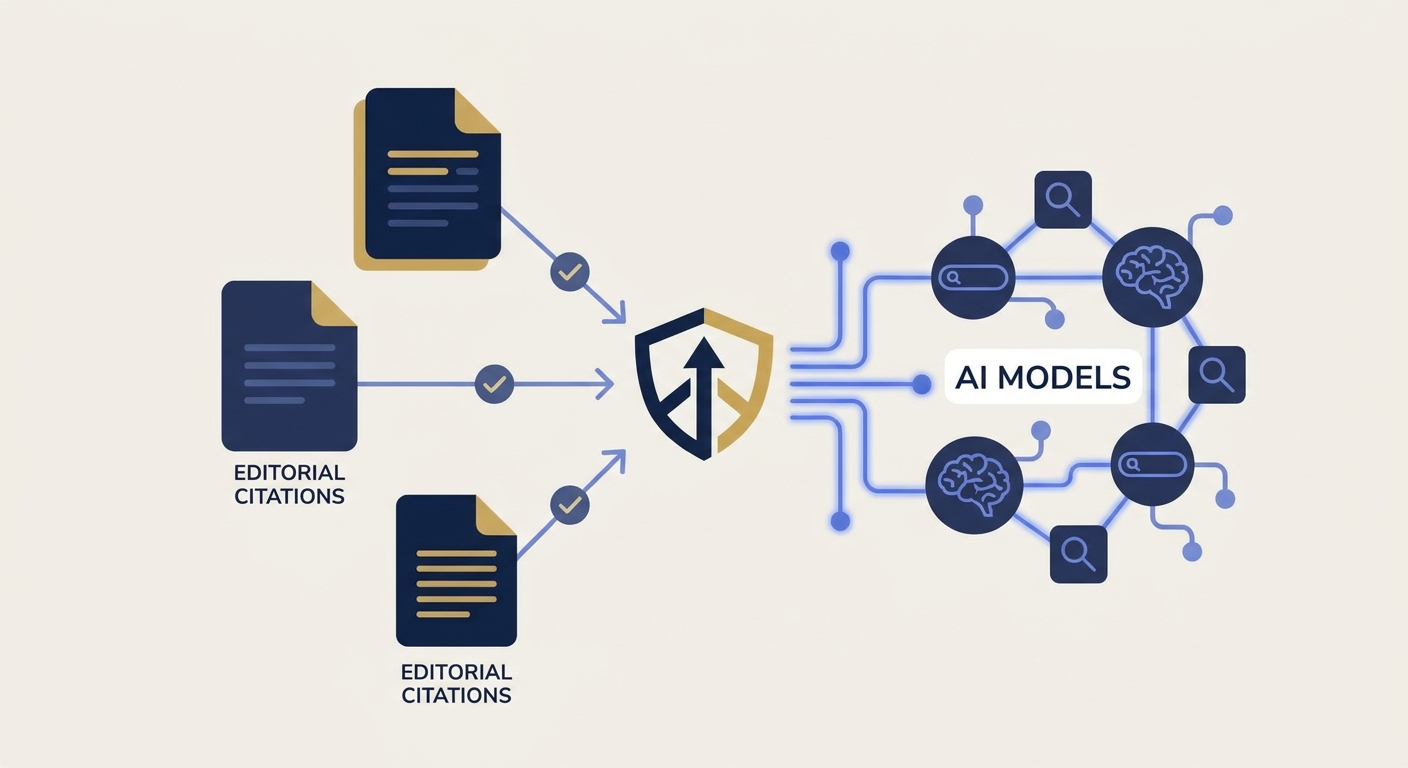
For example, if you are a B2B SaaS company, don’t write "The Best Ways to Manage Payroll." Instead, analyze the anonymous, aggregated payroll data of your 500+ users to release a "State of Remote Work Compensation 2026" report. That is primary source data. Journalists love primary data because it makes them look smart. When they cite you, you get the backlink, and more importantly, you get the authority.
How Do You Execute Digital PR Without a Massive Budget?
You don't need a PR agency on a $10k/month retainer. You need a story.
Start by leveraging "State of the Industry" reports. These are evergreen assets that demand citations. If you don't have enough data yet, use Featured (formerly HARO) to offer your expertise as a source for journalists. The key here is specificity. Don't just answer every query; answer the ones where you can provide a contrarian take or a unique data point.
Master the art of "Newsjacking." If a major regulatory change hits your industry, be the first to publish a breakdown of what it means for the average user. Post it on LinkedIn, tag the journalists who cover your space, and offer them the "why" behind the "what." You aren't begging for a link; you are providing a service to a writer who is under a deadline.
Is Outreach Still Necessary, or Should You Focus on Brand Mentions?
Outreach is only as good as your targeting. The days of mass-mailing 500 bloggers are over. You are now a sniper, not a carpet bomber.
Focus on translating unlinked brand mentions into backlinks. Use tools to monitor when your brand is mentioned but not linked, then send a polite, human-written email: "Hey, thanks for the shoutout. Would you mind making that a clickable link so your readers can find us easily?" It’s a 50% conversion rate tactic because you’re following up on an existing positive sentiment.
When you do cold outreach, use AI for the prospecting—finding the right podcasts, identifying the writers who cover your specific sub-niche, and finding their contact information. Do NOT use AI to write the email. If the email looks like a template, it goes to the trash. If it looks like a human being took the time to read their work and found a genuine point of connection, it gets a reply.
Which Link Building Tactics Should You Avoid at All Costs?
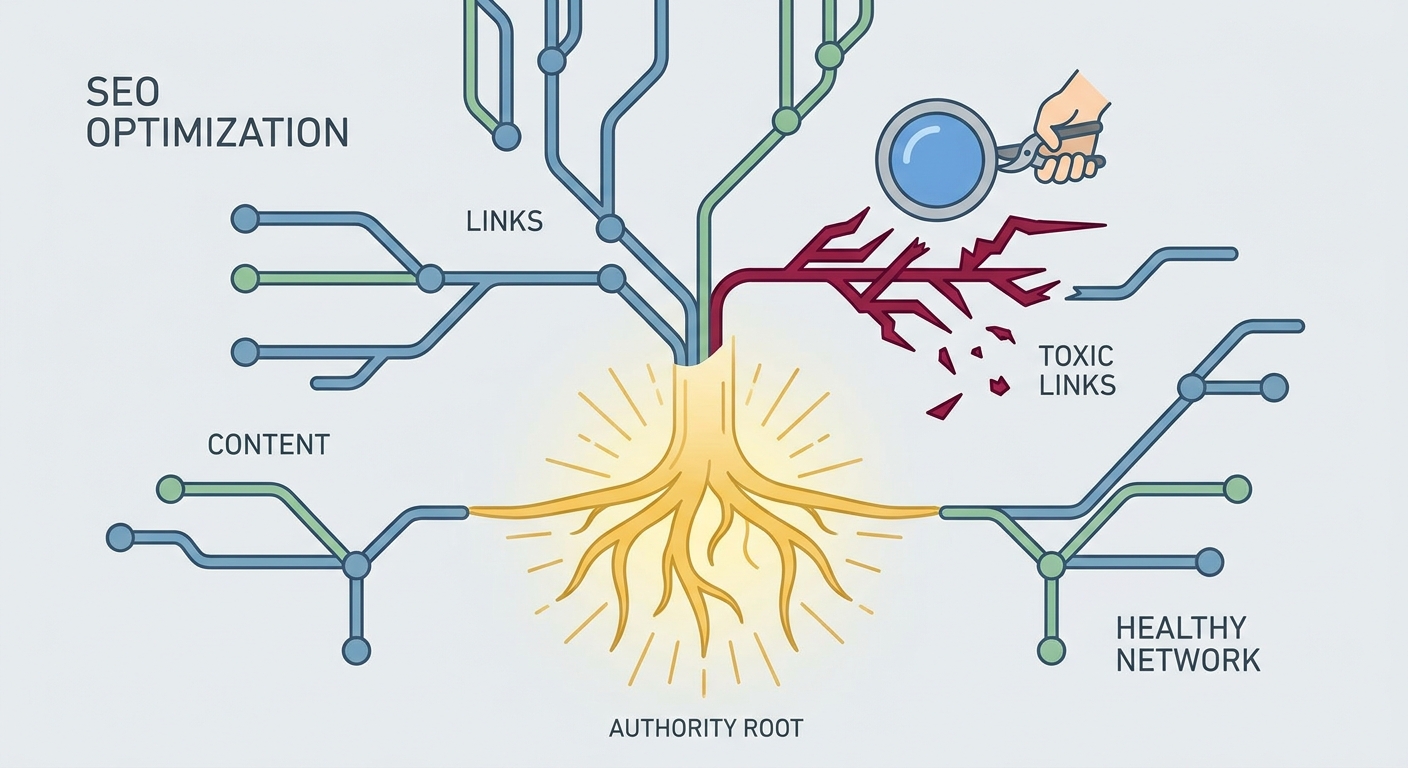
If a strategy feels "clever" or "hacky," it is a trap. PBNs (Private Blog Networks) are the fastest way to get your domain sandboxed by Google. Guest post farms—sites that exist solely to sell links to anyone with a credit card—are monitored by Google’s Link Spam Policies.
If you see a site that claims to have "High DA" but lists hundreds of unrelated articles on everything from crypto to gardening, run. These sites have absolutely zero topical authority, and Google’s systems are designed to discount these links or, worse, penalize the sites that receive them. You are building a business, not a short-term SEO scheme. Treat your link profile like a professional portfolio.
How Should You Measure "Success" Beyond Domain Authority?
Domain Authority is a vanity metric—a score invented by third-party software companies to sell you more software. It is not a ranking factor.
Instead, track "Topical Authority." Are your primary service pages ranking for the long-tail keywords that actually drive revenue? Are you seeing referral traffic from the sites where you’ve earned mentions? Success looks like a steady, upward trend in keyword rankings for your specific niche, followed by an increase in high-intent organic traffic. If your DA goes up but your traffic stays flat, you’ve spent your time on the wrong vanity project.
Frequently Asked Questions
How long does it take for a new startup to see results from link building?
Expect to put in 6 to 9 months of consistent, high-quality work before you see meaningful movement in organic search visibility. Authority is a compounding interest; it starts slow, but accelerates once you become a recognized entity in your sector.
Should I buy links to speed up my domain authority growth?
No. Never. Buying links is a direct violation of Google’s guidelines and puts your entire domain at risk of a manual penalty. It is a short-term gamble that almost always results in a long-term loss of investment.
What is the difference between Domain Authority (DA) and Topical Authority?
DA is a broad, site-wide score that doesn't account for context. Topical Authority is how well search engines understand your expertise in a specific subject. You can have a "low DA" but still rank #1 because your site is a highly relevant, trusted source for that specific topic.
Is guest posting still effective in 2026?
It is effective only if the publication is genuinely relevant to your industry and the content is high-value. If you are guest posting on a "General Interest" site that accepts posts from everyone, you are wasting your time.
How can I find relevant link building opportunities without expensive SEO tools?
Use Google Alerts to monitor industry keywords, stalk the backlink profiles of your direct competitors to see who is citing them, and use social media to identify the most active journalists and bloggers in your niche. You don't need a $500/month tool to find a human being who might be interested in your data.