How to Get Backlinks Fast Without Risking a Google Penalty

TL;DR
- ✓ Focus on creating proprietary data assets to attract high-authority organic backlinks naturally.
- ✓ Avoid manual link building tactics that trigger Google's SpamBrain and algorithmic penalties.
- ✓ Shift your strategy from high-volume outreach to high-value digital PR and research.
- ✓ Use a consistent cycle of asset creation and editorial distribution for sustainable growth.
The fastest way to earn high-authority backlinks without catching a Google penalty isn't a secret—it’s a shift in mindset. Stop "building" links. Start manufacturing demand.
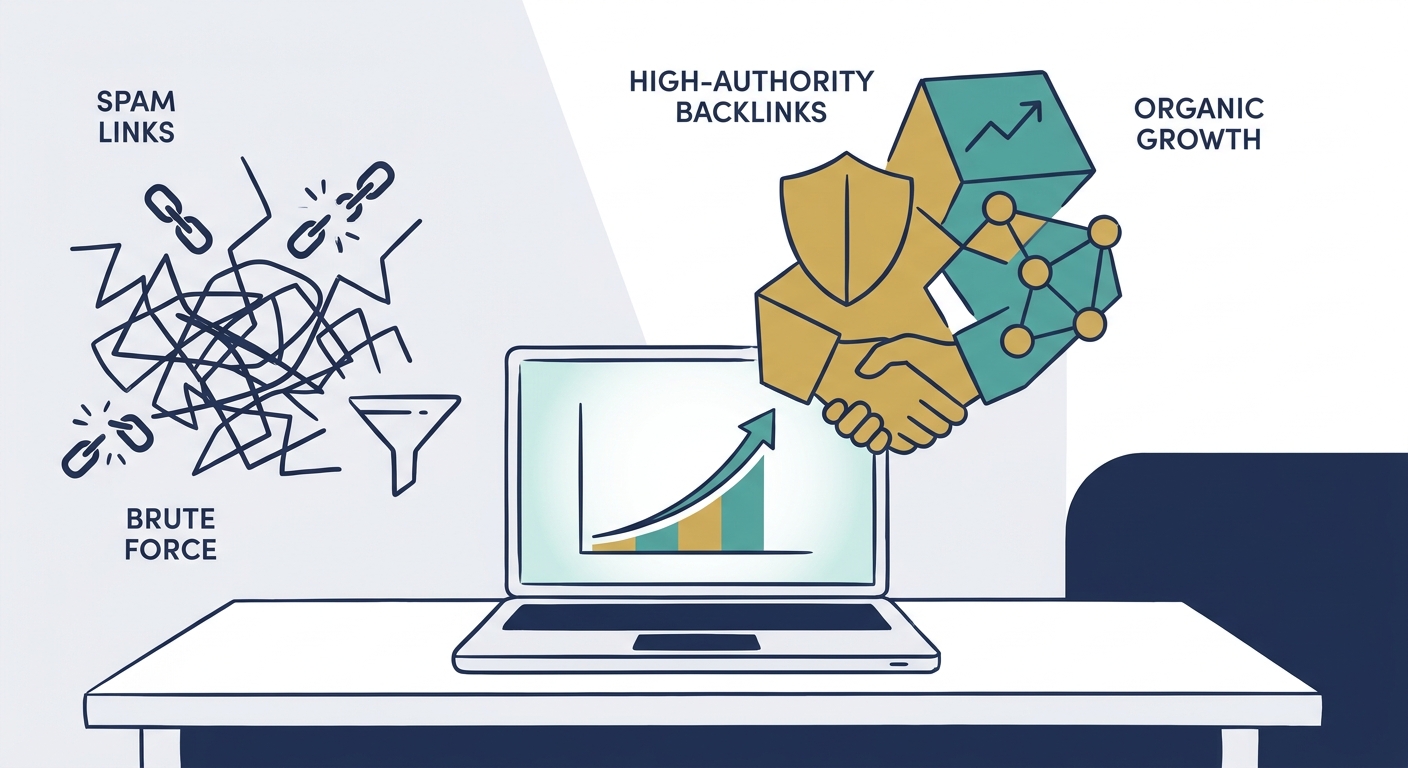
Most SEOs burn out because they mistake velocity for brute force. They spam outreach tools, buy cheap guest posts, and then act shocked when their rankings crater after a core update. In 2026, speed isn't about how many emails you blast out. It’s about how many journalists, editors, and industry peers find your content so indispensable that they have to cite it. If you’re tired of the "build-and-pray" cycle, pull up a chair. It’s time to turn your domain into a primary source of industry intelligence.
The "Speed vs. Safety" Paradox
There’s a low-level panic in the SEO community these days. Between SpamBrain and the relentless drip-feed of 2026 algorithmic updates, everyone is looking over their shoulder. Many pros think that to move fast, you have to cut corners.
That’s a trap.
The "Speed vs. Safety" paradox is simple: rushing manual link acquisition leaves a footprint that Google’s AI is specifically engineered to decapitate. But "preparedness"? That’s the real secret to velocity. When you invest in original research or proprietary data, you aren't just making a page; you’re building a lure.
True velocity is a byproduct of high-value assets, not high-volume outreach. When you provide the market with data they can't find anywhere else, the links don't just come—they arrive with the kind of organic momentum that Google’s algorithms actually reward.
Why Are Old-School Tactics Now "SEO Suicide"?
The web is a graveyard for sites that relied on PBNs, link exchanges, and massive, low-quality guest post campaigns. Google’s spam policies regarding link schemes aren't just suggestions. They are the architectural blueprints for how the search engine filters out noise.
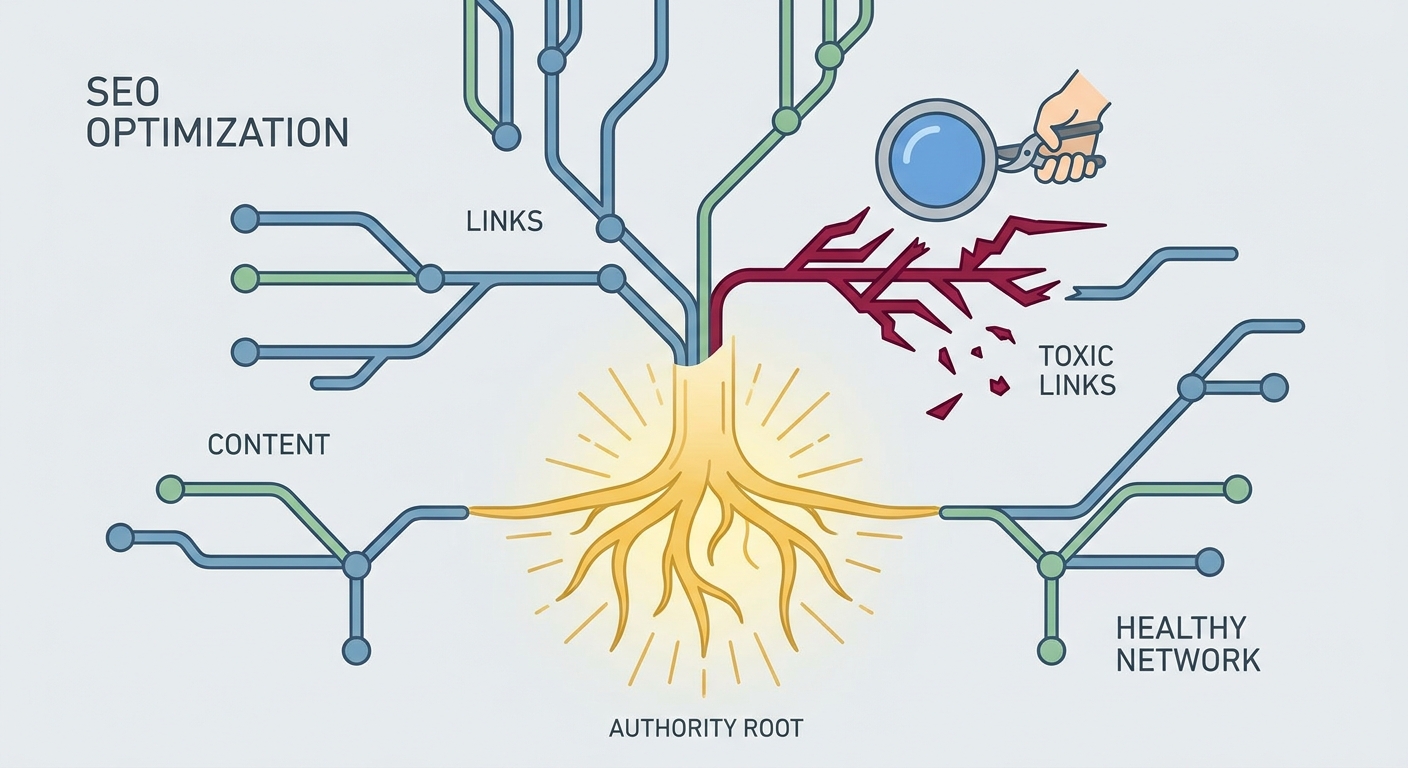
A few years ago, you could hide behind a veil of "guest posting." Not anymore. SpamBrain scans for patterns. If your backlink profile shows a sudden, unnatural spike from sites with zero topical relevance, or if your anchor text is stuffed with commercial keywords, you’re basically painting a target on your own back. Manipulative tactics aren't just "risky" today; they are a direct route to long-term suppression.
The Modern Framework: How to Earn High-Authority Links in 2026
To achieve sustained growth, you need a cycle. Stop thinking of links as a chore and start viewing them as the natural outcome of Digital PR and high-level research.
What Makes a Linkable Asset?
The currency of the modern web is original insight. A linkable asset is simply anything that makes a journalist’s life easier. That could be a comprehensive industry survey, a proprietary calculator, or a visual breakdown of complex market trends. If you’re struggling to produce these internally, leveraging professional content marketing services can provide the necessary technical and creative muscle to turn raw data into a narrative that media outlets actually want to link to.
How Does Digital PR Replace Traditional Link Building?
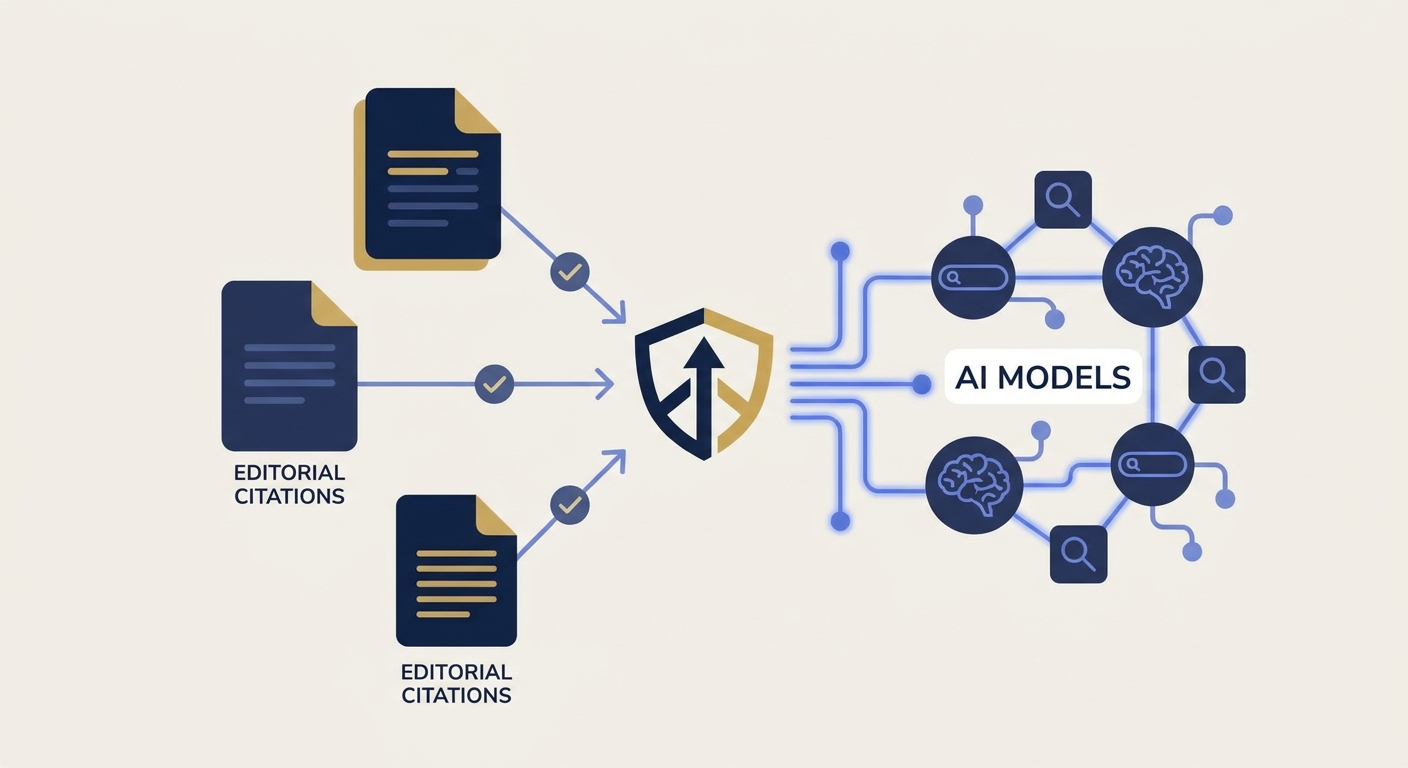
The transition from link building to Digital PR is the most vital pivot any brand can make right now. Traditional link building is transactional—you’re begging for a placement. Digital PR is editorial—you’re providing a source. According to industry insights on the difference between Digital PR and link building, the focus shifts from "getting a link" to "getting mentioned in a story."
That nuance is everything. When you are featured as an expert source in a major publication, that link isn't just a signal to Google; it’s a stamp of trust from a human editor. It's validation.
Are Your Current Tactics Putting You at Risk?
Before you try to scale, perform a brutal self-audit. If your site is built on a shaky foundation, adding more links will only make the collapse more spectacular when an update hits. Look for these "red flag" patterns:
- Sidebar/Footer Links: If you’re paying for these, stop. Immediately. They are the first thing Google’s algorithms look for when devaluing site-wide link placements.
- Link Exchanges: "I'll link to you if you link to me" is a manual footprint. It's easy to spot, and it's easy to devalue.
- The Guest Post Farm: If you are posting on sites that run thousands of unrelated articles, your link is effectively worthless—and potentially toxic.
Before driving new traffic, ensure your foundation is stable by performing a thorough technical SEO audit. If your site has crawl errors or indexation issues, your link building efforts are being wasted on a house with no roof.
The "Fast Growth" Checklist: Velocity Without Volatility
Growth is healthy. "Spiky" growth, however, is suspicious. To maintain a safe velocity, prioritize diversification. No single source—whether it’s one agency, one guest posting network, or one type of content—should account for more than 30–40% of your total link profile.
Relevancy is the new Domain Authority. A link from a DR 30 site that shares your exact, hyper-specific audience is worth ten times more than a link from a DR 80 site that has nothing to do with your niche. As noted in the latest industry insights on the future of SEO, topical authority is the primary ranking signal for 2026. If you are chasing DA/DR, you are chasing a vanity metric that doesn't exist in Google's ranking algorithms.
How to Execute: A Plug-and-Play Digital PR Pitch
The anatomy of a winning pitch is simple: Value First, Ask Second. Stop sending emails that say, "I love your blog, can I write for you?" That’s noise. Instead, try this structure:
Subject: Data regarding [Industry Trend] for your upcoming piece on [Topic]
Body:
- The Hook: "I noticed your recent coverage of [Topic] and thought you might find this data point interesting—we just finished a study on [X] and found that [Y] is happening."
- The Value: Provide a bulleted summary of 3 key, surprising findings from your research.
- The Asset: "I’ve put together a full report and some infographics here. Feel free to use the data or the charts in your reporting—no credit required, though I appreciate it if you do."
- The Soft Close: "Happy to answer any questions if you need more context for your story."
By offering the journalist a story they can write now, you become a resource rather than a solicitor.
Measuring Success: Moving Beyond Vanity Metrics
If you are measuring success by how many backlinks you have, you are looking at the scoreboard while the game is still being played. Instead, track the metrics that actually correlate with revenue:
- Referral Traffic: Is the traffic coming from these links actually converting into leads or sales?
- Branded Search Growth: As your authority grows, more people should be searching for your brand name directly.
- Keyword Ranking Velocity: Are your target pages climbing the SERPs?
If your DR is going up but your traffic is stagnant, you are building a vanity profile, not a business asset.
Frequently Asked Questions
Can I buy links if the site is high-quality?
Even if a site has high authority, paying for links is explicitly against Google’s guidelines. Google’s algorithms look for "footprints"—patterns of transactional behavior that signal you are bypassing the editorial process.
How long does it take for a backlink to impact my rankings?
While a link can be crawled in days, the "weight" of that link often takes 3–6 months to fully reflect in rankings. Google must re-calculate the authority of your page based on the new signal and observe user engagement metrics.
Is guest posting dead?
Guest posting is not dead, but "large-scale, low-quality" guest posting is. If you are providing genuinely unique, valuable research to a site that shares your exact audience, it remains a highly effective, safe strategy.
What is the difference between link velocity and link volume?
Link volume is the total number of links; link velocity is the rate at which you acquire them. A sudden, massive spike in volume is a red flag for Google. Sustainable growth involves a steady compounding velocity that matches your content publication schedule.
How do I know if I have been hit by a link penalty?
If you see a sudden, drastic drop in organic traffic that correlates with a core algorithm update, you may be experiencing a quality-related penalty. The most effective recovery path is to disavow toxic links and pivot immediately to an "earned" authority strategy.