The Future of Digital PR Services: Connecting Content Marketing with Link Acquisition

TL;DR
- ✓ Modern Digital PR has evolved into the central nervous system of growth marketing.
- ✓ Stop chasing quick links and focus on proprietary data to earn media authority.
- ✓ Use category ownership strategies to align content marketing with your SEO goals.
- ✓ Google E-E-A-T guidelines are the essential blueprint for building legitimate domain trust.
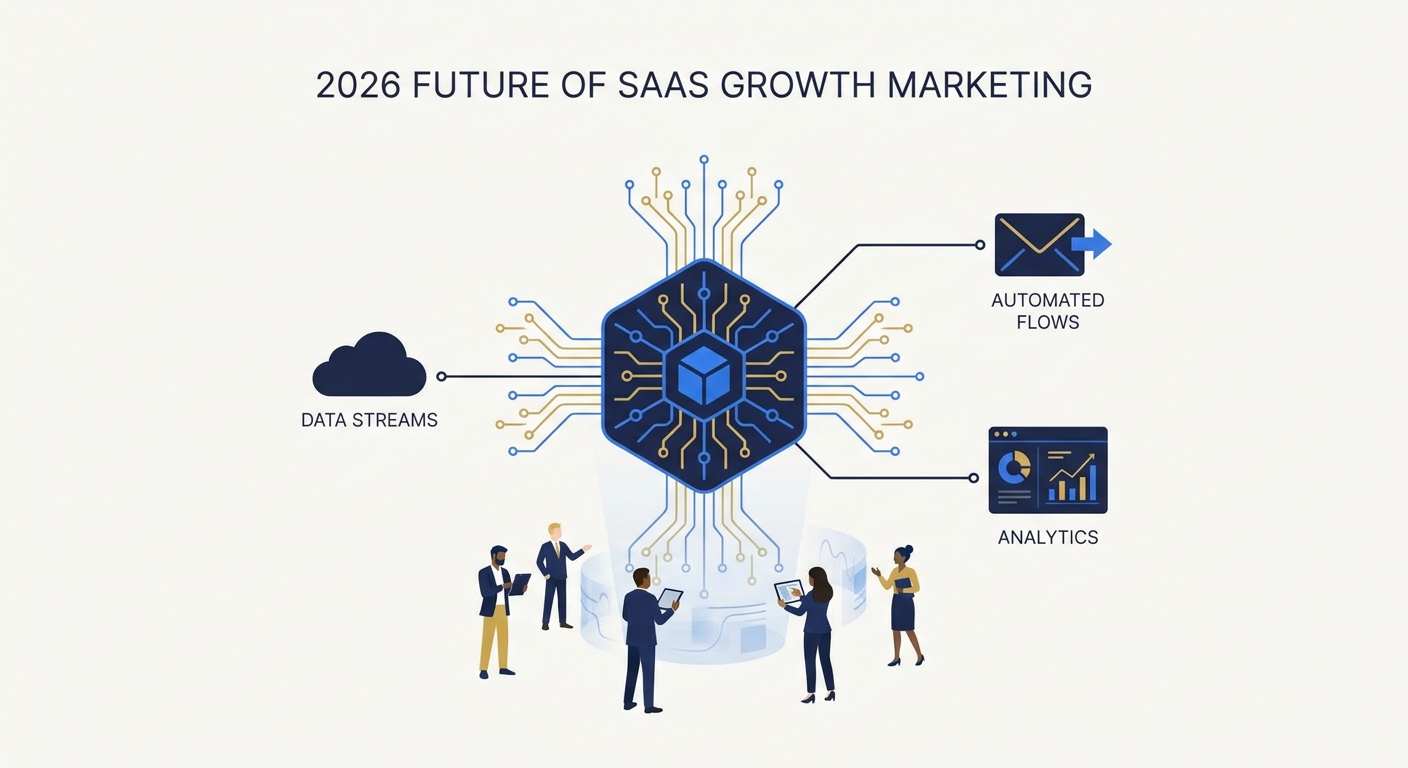
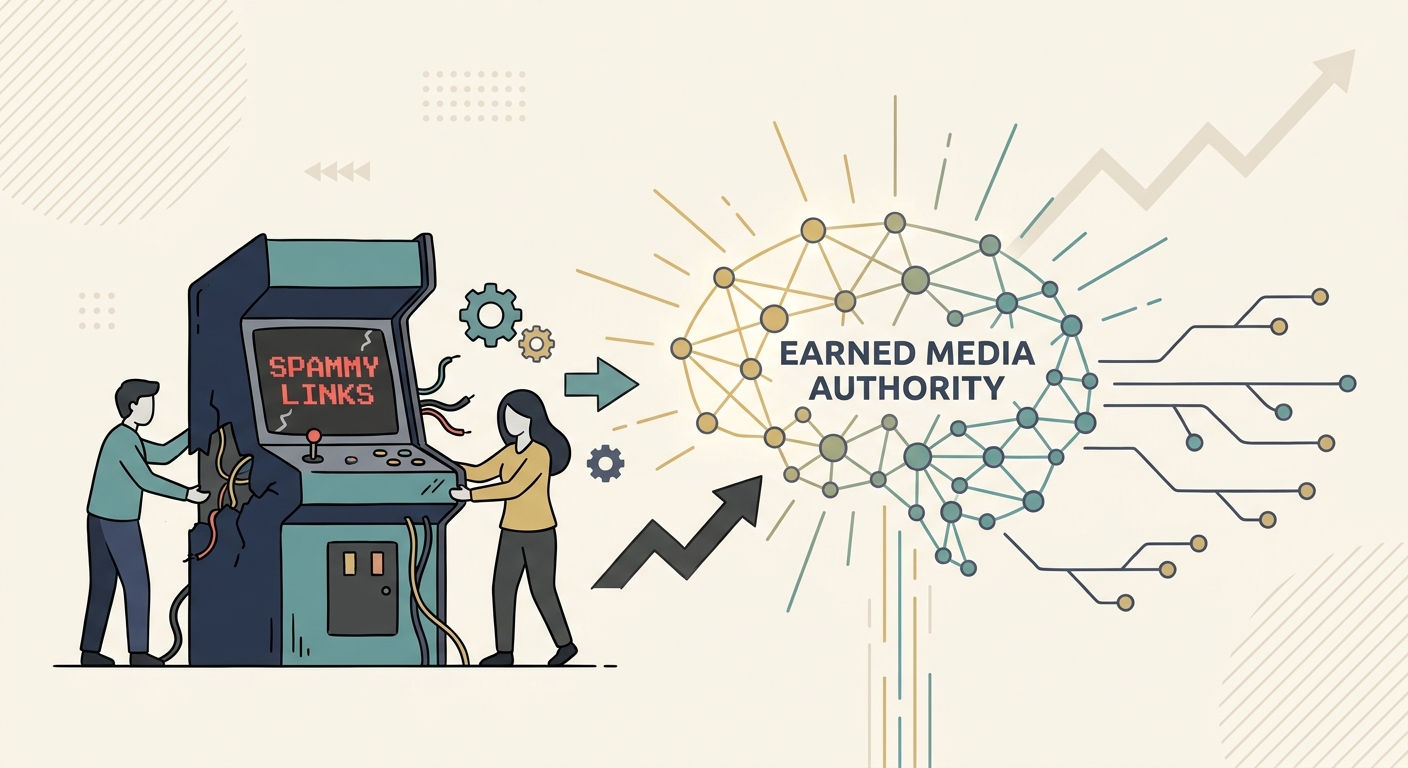
Digital PR has grown up. It’s no longer that awkward teenager chasing quick link-building hacks; it’s now the central nervous system of modern growth marketing. If you’re still counting backlinks like they’re arcade tokens in 2026, you’ve already lost. The era of transactional, spammy link acquisition is dead. It’s been buried. In its place, we have something far more resilient: Earned Media Authority.
This isn’t just a rebrand. Search engines have gotten too smart to be fooled by cheap tricks, and AI models are now hungry for something specific: proprietary data, genuine expertise, and brand ubiquity. Digital PR is the bridge between creative content and high-performance SEO. It’s how you signal to both the humans reading your site and the algorithms deciding who gets to be seen.
The Evolution of Digital PR in 2026
We used to live in a world of silos. PR teams chased "brand mentions" while SEO teams obsessed over rankings, rarely speaking the same language. That wall has crumbled. Today, the brands winning are the ones treating Digital PR as the rocket fuel for their entire marketing stack. This integration isn't just a nice-to-have; it’s vital. As Aira’s take on the evolution of Digital PR points out, this discipline has matured into a strategic pillar that shapes your entire brand narrative, not just your backlink profile.
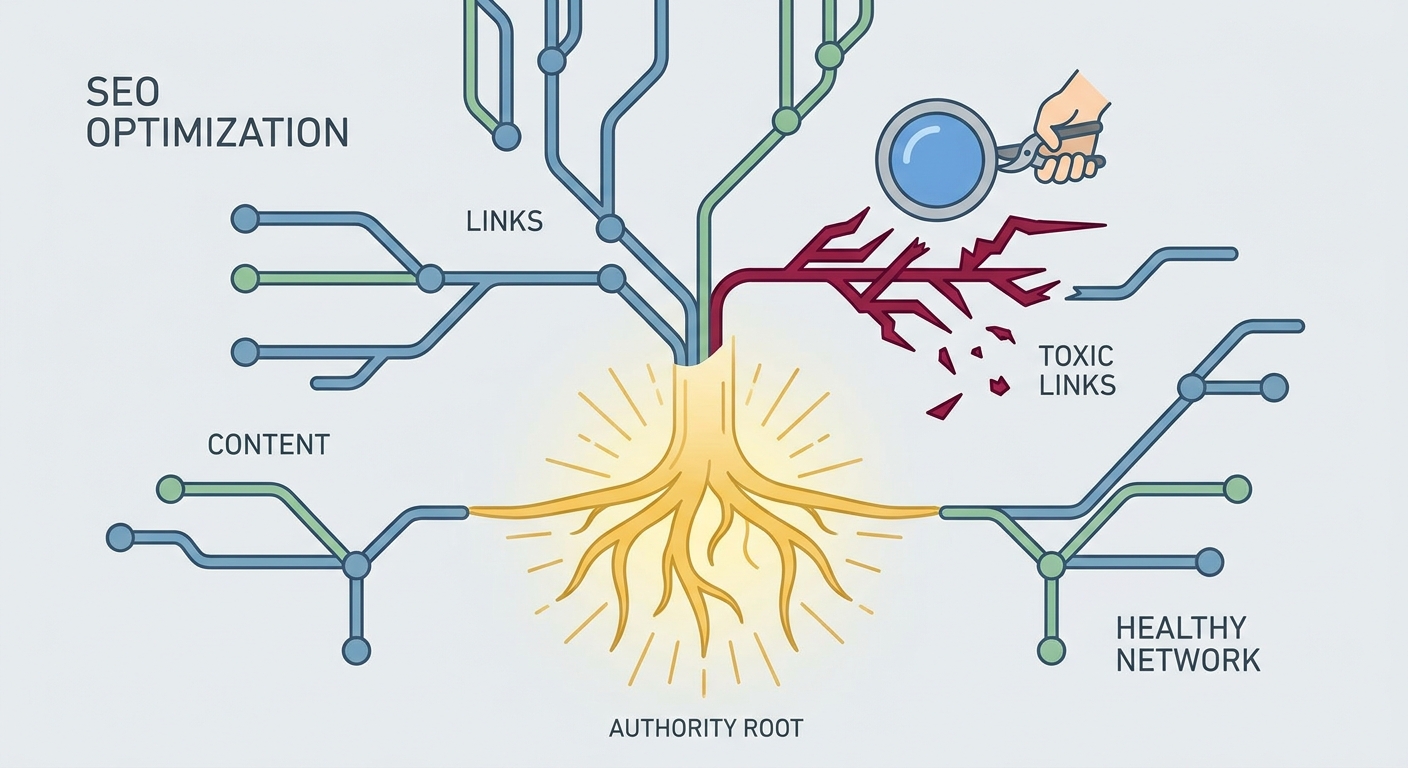
At the core of this shift is trust. Look at Google’s E-E-A-T guidelines. They aren't suggestions; they’re the blueprint. When an authoritative publication cites your brand, it’s not just a "vote of confidence." It’s an industry verification. It’s a signal to the machine that your domain is a legitimate player in your space.
Building a Category Ownership Strategy
Stop fighting over generic keywords. If you’re trying to rank for everything, you’re ranking for nothing. To win, you need to pivot from "link building" to "Category Ownership."
Forget the tired, survey-based pitches that journalists delete by the dozen. If you want attention, you need proprietary data storytelling. Do you have a unique index of industry trends? A deep dive into customer behavior that no one else has? A weird, counter-intuitive observation about your market? That’s your gold. That’s your source of truth.
See how it works? Your data fuels a pillar page. That page is the anchor for your PR pitch. When journalists link to that data, they’re linking to your authority. Then, your sales team takes those high-profile mentions and drops them into their pitch decks. A PR win isn't just a vanity metric—it’s a conversion tool.
Digital PR as the Key to AI-Driven Search Visibility
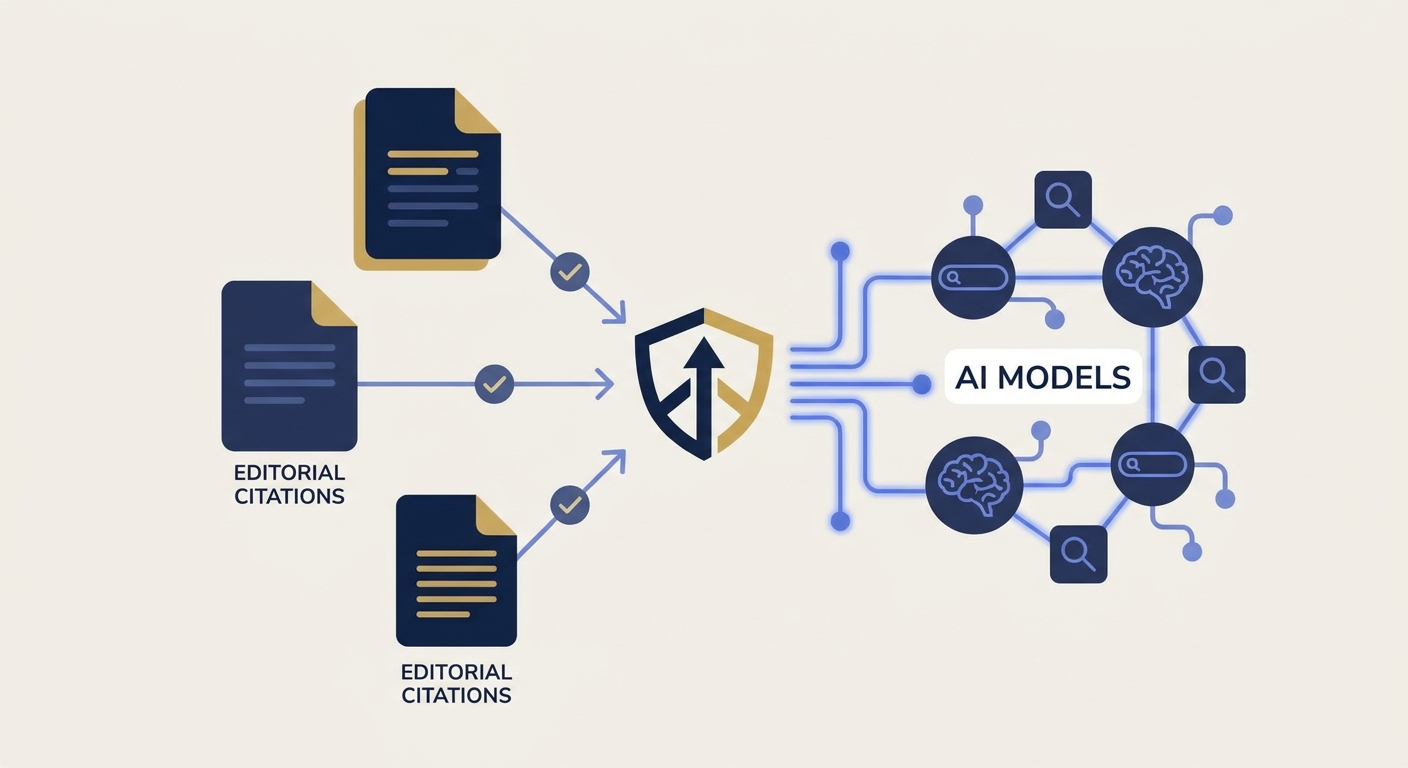
We’re living through the "AI-Answer" gap. People are tired of clicking through ten blue links. They want answers, and they want them now, usually from a chatbot. These models are starving for authoritative, primary sources. If your brand isn't the one providing the data, you won't show up in those summaries. You’ll be invisible.
It’s time to stop worshipping Domain Authority (DA). It’s a vanity metric that belongs in 2015. Focus on "AI-Visibility" and "Share of Voice." If you want to train the algorithm, you have to be the expert. When the AI synthesizes an answer for your niche, your domain needs to be the one it cites.
Bridging the Gap to Bottom-Funnel Revenue
The wall between PR and Sales? It’s gone. If you’re a modern marketing team, you know that earned media is a massive sales enabler. Think about the last time you bought a high-ticket item. Did you feel better knowing they’d been featured in a top-tier publication? Of course you did. That’s the "trust anchor" effect.
As McKinsey’s insights on full-funnel marketing suggest, the best companies fuse brand-building with hard-nosed sales tactics. Don't hide your PR wins in a dusty "Press" folder. Put them in your email sequences. Add them to your social retargeting. Use them in sales presentations to validate the buyer's choice. If you’re struggling to connect the dots, our Content Marketing Framework is designed to ensure every piece of content—from a tweet to a press release—actually earns its keep.
The Pre-Launch Health Check
Before you invite the world—and those high-authority journalists—to your site, check your plumbing. There is nothing worse than landing a massive feature in a top publication, only to send that traffic to a slow, broken, or confusing landing page.
A PR campaign is an investment. If your site isn't "link-ready," you’re just watching potential revenue evaporate. Run a rigorous SEO Audit first. Find the technical bottlenecks. Fix the conversion friction. If the user experience is garbage, a backlink is just a temporary boost that disappears the second the user hits the "back" button.
The Value Exchange: Partners, Not Targets
The fastest way to fail at Digital PR is to treat journalists like leads in a cold-calling funnel. They don't owe you anything. Stop begging for favors. Instead, ask yourself: "What have I created that a journalist needs to tell their story?"
When you provide complex data visualizations, expert commentary, or industry-first research, you aren't asking for a favor. You’re providing a service. The link becomes an afterthought because you’ve made their job easier. That’s the pivot. You aren't a beggar; you’re a partner.
Debunking the Myth: Is Link Building Dead?
"Link building" as a transactional, commodity-based grind? Yes, it’s dead. If your strategy is based on buying or trading links, you’re building your house on sand.
Real authority is earned. When you commit to deep research and category-defining content, the links follow naturally. It’s the difference between an SEO strategy that survives the next algorithm update and one that gets wiped out by it. Stop chasing links. Start chasing authority. The links will be there to greet you when you arrive.
Frequently Asked Questions
How do I measure the ROI of Digital PR if the placements don't always include a backlink?
Focus on secondary engagement metrics: brand sentiment, referral traffic spikes, and search volume for your brand name. If a top-tier publication mentions your brand, track the lift in direct and branded organic search traffic. Use multi-touch attribution to see how those mentions influence the conversion rates of your bottom-funnel leads.
Is manual link building dead in 2026?
Transactional link building—where you exchange money or favors for a link—is effectively dead. However, relationship-based outreach is more alive than ever. The focus has shifted from "acquiring a link" to "building a relationship with a publisher" who trusts your data enough to cite it regularly.
How does Digital PR affect my rankings in AI-powered search engines?
AI models are trained on vast datasets of authoritative content. By consistently being the primary source for industry data, you become a "node" of truth in the AI’s training set. When a user asks an AI about your industry, your brand is more likely to be cited as the definitive source, which increases your visibility in the generative experience.
What is the difference between a PR campaign and a Content Marketing campaign?
A content marketing campaign is generally inward-facing, designed to capture and nurture traffic on your own domain. A Digital PR campaign is outward-facing, designed to leverage the authority of third-party platforms to build your brand’s reputation. They overlap when your PR campaign uses your proprietary content as the "hook" to earn those external placements.