Link Building Strategies Every eLearning Marketer Should ...


TL;DR
- ✓ Shift focus from bulk link volume to building high-value niche authority.
- ✓ Create data-backed linkable assets that journalists and educators naturally want to cite.
- ✓ Leverage the academic angle to secure high-trust .edu backlinks for your site.
- ✓ Use digital PR and data snippets to earn mentions in major industry publications.
If you’re still wasting time on bulk directory submissions or trading cheap, low-quality guest posts, you’re actively sabotaging your site’s future. Let’s be real: the 2026 eLearning landscape isn't about volume anymore. It’s a war of attrition for "Niche Authority."
Link building has evolved. It’s no longer about inflating vanity metrics to impress your boss. It’s the engine that drives sustainable enrollments and—more importantly—cuts your reliance on those soul-crushing paid ad budgets. To win today, treat your backlinks like investments in your brand’s reputation. Ensure every link points to a source of genuine expertise that search engines and students actually trust. If you need a roadmap for weaving these tactics into a broader strategy, our Ultimate Guide to eLearning Marketing is the bridge between technical SEO and long-term brand building.
Why Should eLearning Marketers Prioritize "Linkable Assets"?
The era of begging for links is effectively dead. If you’re sending "please link to us" emails, stop. Today, you must build "Linkable Assets"—content so useful, data-rich, or downright essential that journalists, educators, and industry pros feel compelled to cite you without being asked.
Think of an original research report on instructional design trends or a white paper that finally solves the "outcome gap" in digital certifications. These aren't just blog posts; they are the bedrock of industry knowledge.
When you invest in original data, you unlock the "Academic Angle." University departments are notoriously stingy with their digital real estate. They guard their links like gold. However, they are always starving for verified data to bolster their curriculum. By providing primary research—instead of rehashed marketing fluff—you stop being a vendor and start being a partner. That’s how you land those coveted .edu backlinks. It’s the ultimate signal to Google that your site is an educational authority, not just another sales page.
What Are the Link Building Strategies That Actually Move the Needle?
How Do You Execute Digital PR for eLearning?
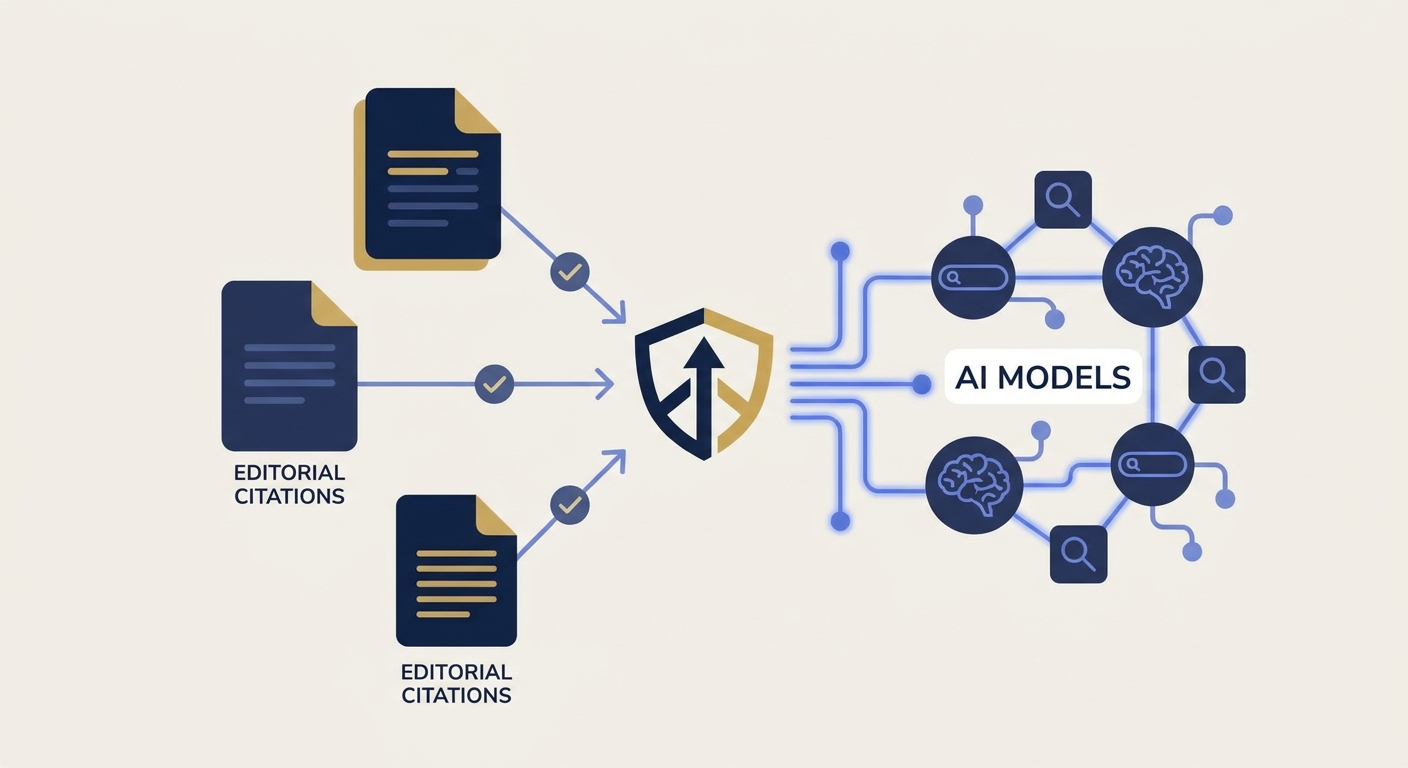
Digital PR is how you force your brand into the conversation at major tech and education outlets. The secret weapon? The "Data Snippet." Journalists are constantly on deadline. They don't have time to synthesize complex industry shifts. If you hand them a concise, chart-ready takeaway from your own proprietary survey, they’ll cite you as the primary source every single time.
You should also be active on Connectively. By positioning your instructional designers or your CEO as subject matter experts, you can answer journalist queries that demand real-world experience. When you offer a nuanced, thoughtful quote, you aren't just getting a link. You’re earning a mention in a high-authority publication that builds trust with students before they ever hit your course catalog.
Can You Still Use "Resource Page Outreach"?
Yes, but only if you drop the sales pitch. Resource pages on university sites or industry hubs have one job: helping students find tools. If your site features a free, interactive tool—like a Course Cost Calculator or a Career Path Mapping tool—you aren’t a salesperson anymore. You’re a utility provider.
The art of the "non-salesy" pitch is simple: lead with value. When you email a university librarian, don't ask them to link to your course. Ask them if your free calculator would be a useful addition for their students. When you lead with genuine utility, the link becomes a natural, welcome byproduct.
How Does Expert Collaboration Build Trust?
The best links come from other experts. Period. Expert roundups—where you interview ten leading voices in instructional design about the future of AI in the classroom—create a "halo effect" for your domain. When these experts share your piece on their own platforms, you’re suddenly exposed to their high-authority, niche-specific audiences.
Also, treat guest contributions with surgical precision. Forget the "SEO guest post" farms. Focus on writing for the top-tier eLearning publications where your audience actually hangs out. One high-quality, long-form article on a respected industry site is worth more than fifty generic guest posts on obscure blogs.
Which "Black Hat" Traps Must You Avoid at All Costs?
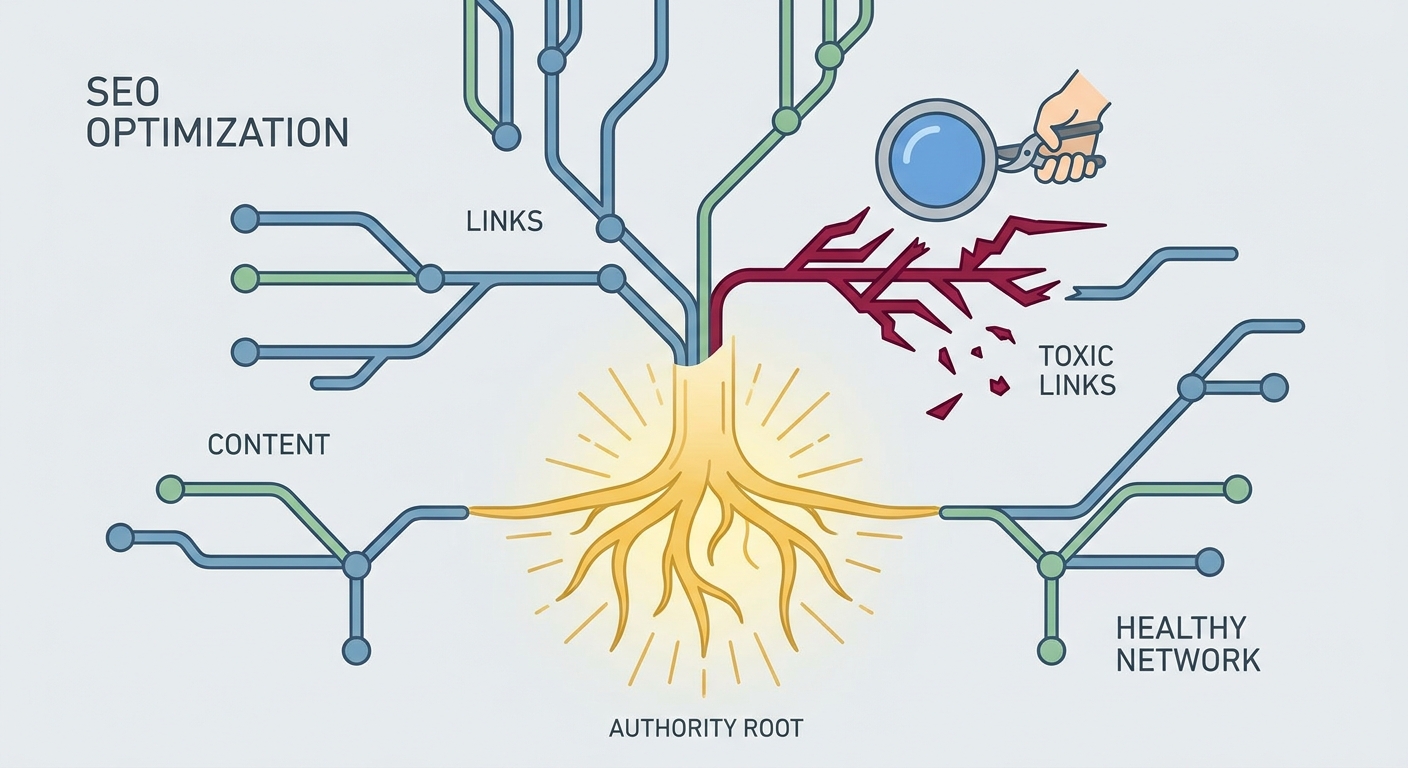
If a service promises you a "guaranteed" number of backlinks for a flat fee, run. These "link bundles" are almost exclusively built using private blog networks (PBNs) or mass link exchanges. Both are transparent violations of Google's Link Spam Policy.
The risk isn't just a temporary dip in rankings. It’s the permanent tarnishing of your domain’s reputation. Google’s algorithms in 2026 are scary-good at spotting "unnatural patterns." If you suddenly gain 500 links from random, low-traffic sites, the engine will flag your domain as spam. Stick to manual, transparent outreach. It’s slower, sure, but it’s the only way to build a site that survives every algorithm update.
How Should You Measure Link Building ROI?
Stop obsessing over Domain Authority (DA). It’s a third-party metric, not a Google ranking factor. Instead, measure your link health using the Ahrefs Backlink Checker to audit your profile, then dive into your own analytics to track actual referral traffic.
The true ROI of a backlink is simple: does it drive qualified leads? If a link from a niche industry blog sends 50 visitors to your site, and 5 of them request a demo, that link is a massive success. Track these conversion paths. If your backlinks bring in high-intent traffic, you’re winning. If they just drive "ghost traffic" that bounces in two seconds, your targeting is off.
Troubleshooting: Why Is Your Link Building Campaign Stagnant?
If your outreach is hitting a wall, it’s usually one of two things: your content is too promotional, or you’re targeting the wrong crowd. If you’re trying to build links to a "Buy Now" product page, you will fail. People link to information, tools, and research—not checkout pages. Direct your outreach to your "linkable assets," and then use internal linking to funnel that authority to your eLearning Course Catalog.
Also, keep an eye on your anchor text. If every link you earn says "best online course," you’re screaming "spam" at the search engine. Real-world links look natural: some use your brand name, some are naked URLs, and some are descriptive phrases. Keep it human.
Conclusion: Building Long-Term Authority
In 2026, link building is really just a way of proving your expertise. It’s a rhythmic, slow process of creating high-value content, finding where that content solves a problem for someone else, and starting a conversation. By prioritizing the human element—expert roundups, research, and truly helpful tools—you build a backlink profile that isn't just "safe"; it becomes a moat against your competitors. Focus on the long game, ignore the "get-ranked-quick" schemes, and watch as your organic growth compounds over time.
Frequently Asked Questions
Does DA (Domain Authority) still matter in 2026 for eLearning SEO?
While it’s a useful metric for high-level benchmarking, it is secondary to relevance. A link from a smaller, highly-regarded educational blog or an industry-specific publication is worth significantly more than a link from a massive, unrelated site.
What is the most effective way to earn links for a new eLearning course?
Focus on creating a "Linkable Asset"—a unique study, an interactive infographic, or a comprehensive industry guide that provides data or tools others want to cite. New courses rarely earn links on their own; they need a "hook."
How do I know if a link-building service is using black-hat tactics?
If a service guarantees specific rankings, promises massive bundles of links for a low price, or refuses to explain their outreach process, it is almost certainly a risk to your site. Always prioritize agencies that focus on manual, transparent, and research-based outreach.
Why is digital PR more effective than traditional guest posting today?
Digital PR focuses on creating assets that earn links through utility and data, whereas traditional guest posting can often result in low-quality, "filler" content. Search engines are currently prioritizing content that demonstrates human-verified expertise and original research.