DoFollow vs Nofollow Backlinks: What Really Matters for SEO

TL;DR
- ✓ Google treats Nofollow links as hints rather than absolute directives for ranking.
- ✓ Modern SEO success depends on brand signals and relevance instead of just link type.
- ✓ High-traffic Nofollow links often outperform low-quality DoFollow links from spammy sites.
- ✓ Context and source authority are the primary metrics for evaluating backlink value today.
The obsession with "DoFollow" links is a ghost from a past life. It’s a digital security blanket for SEOs who think if they just hoard enough of these signals, Google will grant them a throne.
Here’s the cold, hard truth: chasing DoFollow links as your only metric for success is a one-way ticket to irrelevance. It’s 2026. Google’s algorithm has grown up. It doesn't just count links anymore; it interprets intent, hunts for brand signals, and measures real-world authority.
DoFollow links still matter, sure. But they aren't the only currency in town. Modern search engines treat link attributes like suggestions rather than absolute commands. A high-traffic, relevant Nofollow link from a site your customers actually visit? That’s worth more than a dozen DoFollow links from some dusty, low-quality blog farm that nobody reads.
What Exactly Are Link Attributes?
At the technical level, your backlink profile is just a collection of HTML tags. These tell search engines how to read the connection between your site and another. By default, a link is "DoFollow"—it’s essentially you standing on a soapbox, vouching for the destination, and passing along a piece of your own site’s authority.
But the internet is a messy place. To keep things from turning into total chaos, Google needed a way to clean up the noise. Enter the rel attribute.
When you slap rel="nofollow" onto a link, you’re basically telling the crawler: "I’m linking here, but I’m not necessarily endorsing this." Then there are the specifics, like rel="sponsored" for paid placements and rel="ugc" for the Wild West of blog comments and forums. You can check out Google’s Official Definition of Link Attributes to get into the weeds, but don't overthink it. These are just labels to help the machine understand the context.
How Does Google Actually Treat "Nofollow" Links Today?
The 2019 shift from "Directive" to "Hint" was the final nail in the coffin for the old-school link-spamming industry. Back in the day, black-hat SEOs used Nofollow tags to hoard authority while hiding their tracks. Google caught on. They realized the system was being gamed.
Today, when the algorithm sees a link, it checks the attribute, sure—but then it looks at the bigger picture. It weighs the source’s trustworthiness, the surrounding content, and the context of the mention.
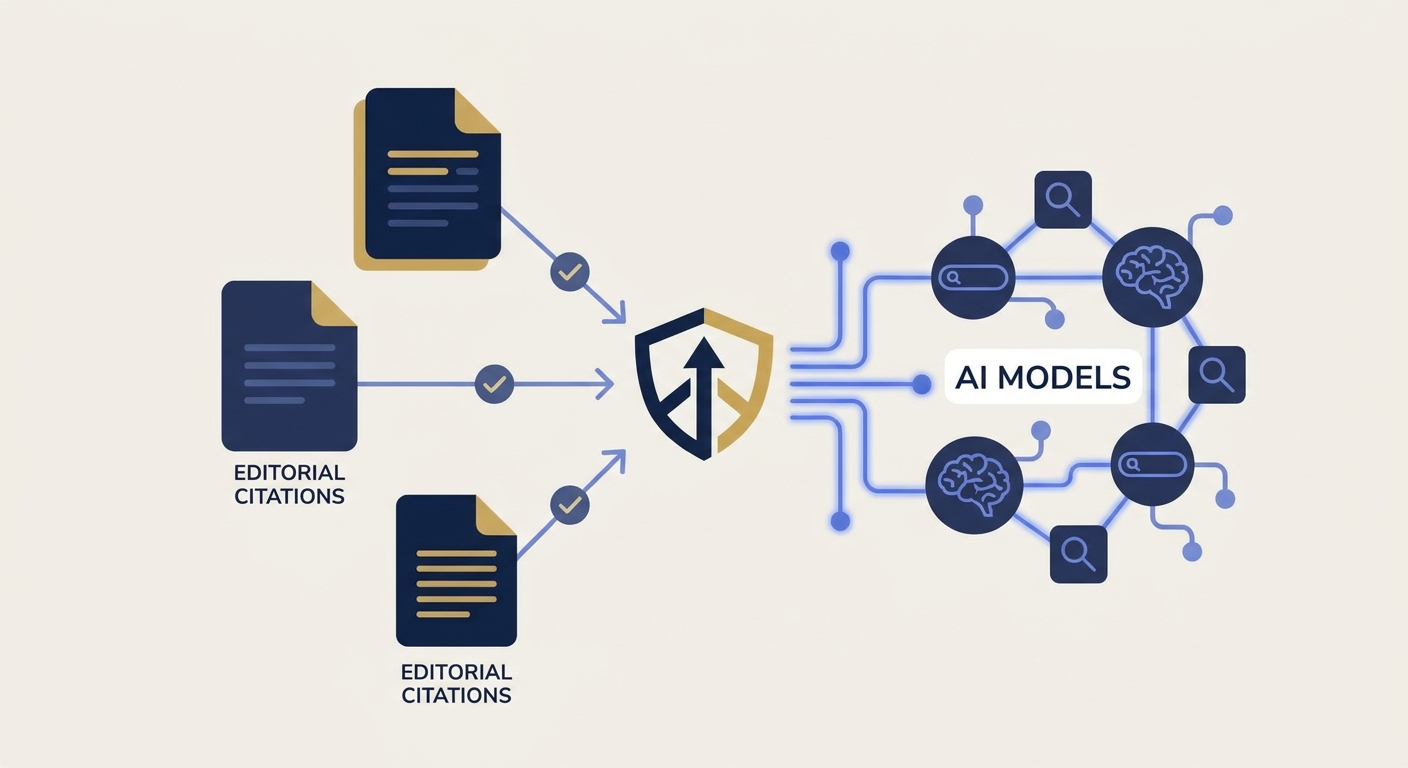
Google isn't just looking for a "follow" signal. It’s looking for a signal of human relevance. If a link is buried in a footer or a spammy comment section, that link is junk, regardless of the tag. But if you’ve got a link embedded in a high-authority editorial piece? The algorithm is going to factor that into your site's reputation, tag or no tag.
Why Should You Care About Nofollow Links?
If you’re ignoring Nofollow links, you’re leaving money on the table.
Think about referral traffic. Let’s say there’s an active, high-intent thread on Reddit that links to your site. It’s Nofollowed. Who cares? If it drives five hundred users to your landing page who are ready to buy, you’ve achieved something far more valuable than a tiny "link juice" boost. That’s direct, qualified traffic. It converts. It signals to Google that your brand is a destination worth surfacing in the SERPs.
Then there’s the E-E-A-T factor—Experience, Expertise, Authoritativeness, and Trust. When your brand is mentioned across major industry news sites, forums, and social platforms, you’re building a footprint. Google’s bots are getting scary good at identifying "brand sentiment." If real people are talking about you and linking to you—even if those links are Nofollow—you’re building the kind of digital authority that’s impossible to fake with low-quality DoFollow link farms.
What Does a "Healthy" Backlink Profile Look Like in 2026?
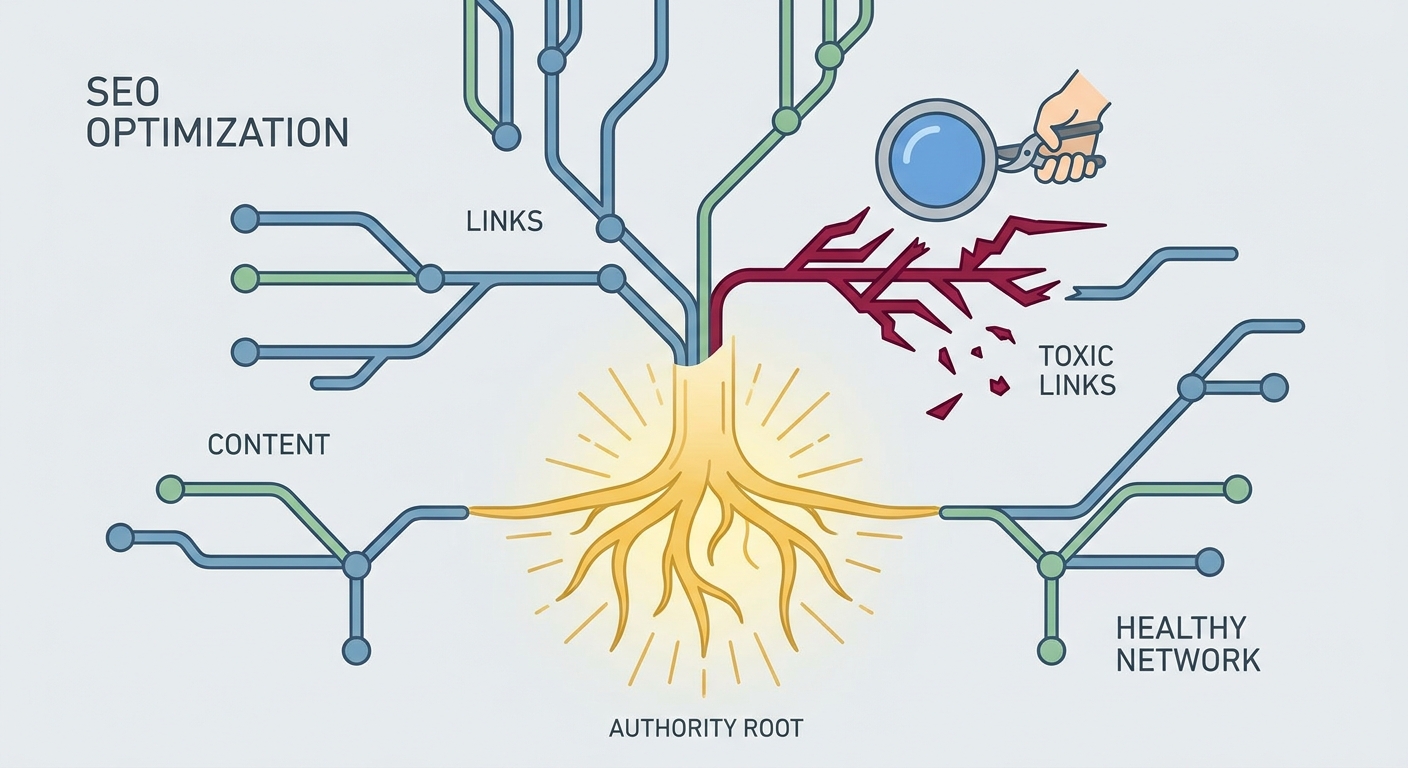
A backlink profile that’s 100% DoFollow? That’s not a badge of honor. That’s a giant red flag. It screams "manipulation" to any modern search engine.
A natural, healthy profile is messy, organic, and diverse. Industry data suggests that a split where 30% to 50% of your links are Nofollow is a sign of a legitimate, growing business.
If you’re staring at your analytics and feeling lost, our SEO services can help you run a deep audit. We look for whether your profile acts like a living ecosystem or a manufactured construct. Remember: Google isn't looking for perfection. It’s looking for the footprint of a real business that actually provides value.
How Can You Build a Balanced Link Profile?
Diversity is the secret to longevity. You want a mix: high-authority media placements, industry-specific directories, and social mentions.
Look at platforms like Connectively (formerly HARO). They are excellent for earning high-authority media coverage. Often, these placements carry a Nofollow attribute, but the exposure is unparalleled.
When you diversify, you stop playing the boring game of "link counting" and start playing the game of "brand building." If you want to master the art of earning high-quality links that satisfy both the search engine and your human audience, check out The Ultimate Link Building Guide. The goal is to get your brand in front of the right people in the right places. When you do that, the backlinks—DoFollow or not—will follow naturally.
When Should You Use Nofollow on Your Own Site?
As a site owner, you are the gatekeeper. You should never "pass" authority to sites you don't trust. Using the correct attributes is just good digital hygiene.
Selling ad space or accepting paid guest posts? Use rel="sponsored". Got a comment section where users can post their own links? Use rel="ugc" to keep your backyard clean. By properly qualifying your outbound links, you protect your own reputation and signal to Google that you’re a pro who understands how the web works.
Conclusion: Stop Counting Links, Start Building Authority
The era of technical link manipulation is dead. In 2026, the value of a link is determined by the human behavior it triggers. A link is only as good as the trust it conveys and the interest it generates. Stop worrying about "juice." Start worrying about whether your content helps your audience.
If you focus on creating stuff that people actually want to share, and you put your brand where your audience actually hangs out, the technical stuff will take care of itself. Build a brand. Stop building a spreadsheet.
Frequently Asked Questions
Do nofollow links help my Google rankings in 2026?
Indirectly, yes. While they don't always pass direct "link juice," they drive referral traffic, build brand awareness, and contribute to a natural backlink profile that Google prefers.
Should I stop asking for dofollow links?
No, but you should stop obsessing over them. Focus on acquiring links on sites where your target audience actually spends time; the attribute often becomes secondary to the traffic value.
How many nofollow links is "too many"?
There is no magic number, but if your profile is 100% dofollow, it looks unnatural. Aim for a healthy mix (30–50% nofollow) to appear as a legitimate, organic brand to search algorithms.
Does it matter if a link is marked 'sponsored' or 'ugc'?
Yes, these help Google categorize the link context. Using the correct attribute is a best practice for site health and helps you avoid manual actions while maintaining search trust.