Content Partnership Management: The New Standard for High-Quality Backlink Building


TL;DR
- ✓ Replace low-value guest post outreach with strategic content partnerships.
- ✓ Build topical authority by co-authoring research and sharing proprietary data.
- ✓ Focus on brand mentions and co-citations to signal trust to search algorithms.
- ✓ Transition from transactional link building to long-term digital neighborhood networking.
Link building is broken. If you’re still cold-emailing strangers, begging for a "guest post" spot on a site you’ve never read, stop. You’re wasting your time. Worse, you’re actively hurting your site’s reputation in the eyes of Google and the new wave of AI search engines.
Content Partnership Management (CPM) is how the pros are handling it now. It’s not about "chasing links"—it’s about building a digital neighborhood where you actually belong.
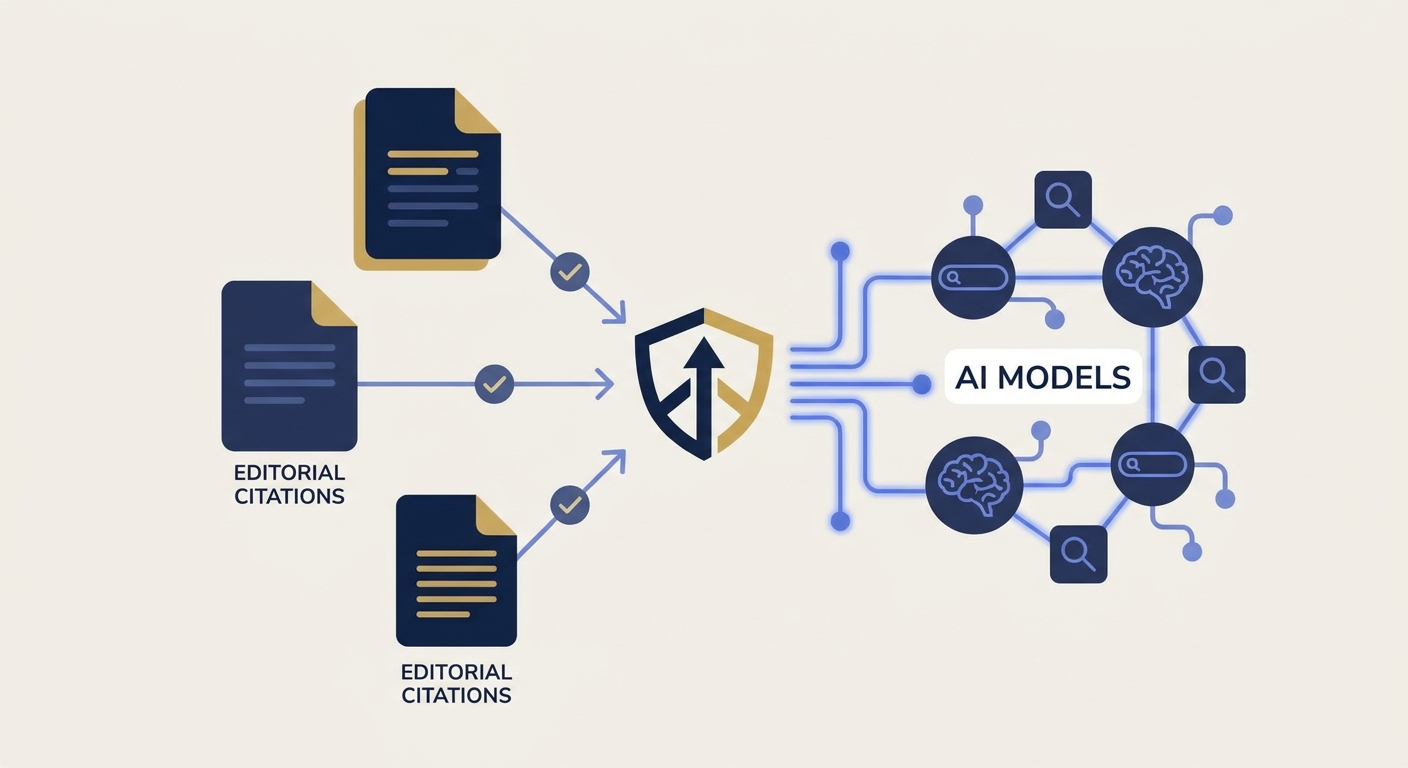
In a world where Perplexity and Google’s AI Overviews prioritize topical authority and genuine expert consensus, the old "link-at-all-costs" game is a liability. It’s time to trade the transactional spam for a model based on shared research, data collaboration, and real-world networking. This is how you build a brand that lasts through 2026 and beyond.
Why Traditional Link Building Is Becoming a Liability
Look at the average "SEO-optimized" blog today. It’s a graveyard of thin, repetitive guest posts. These articles are written for bots, not humans, and they provide zero value to the reader. If your backlink profile looks like a list of random blogs that have nothing to do with your niche, you aren’t building authority. You’re building a house on sand.
Google’s core updates aren’t just suggestions; they’re a warning. If your link profile is stuffed with low-effort content, you are a target.
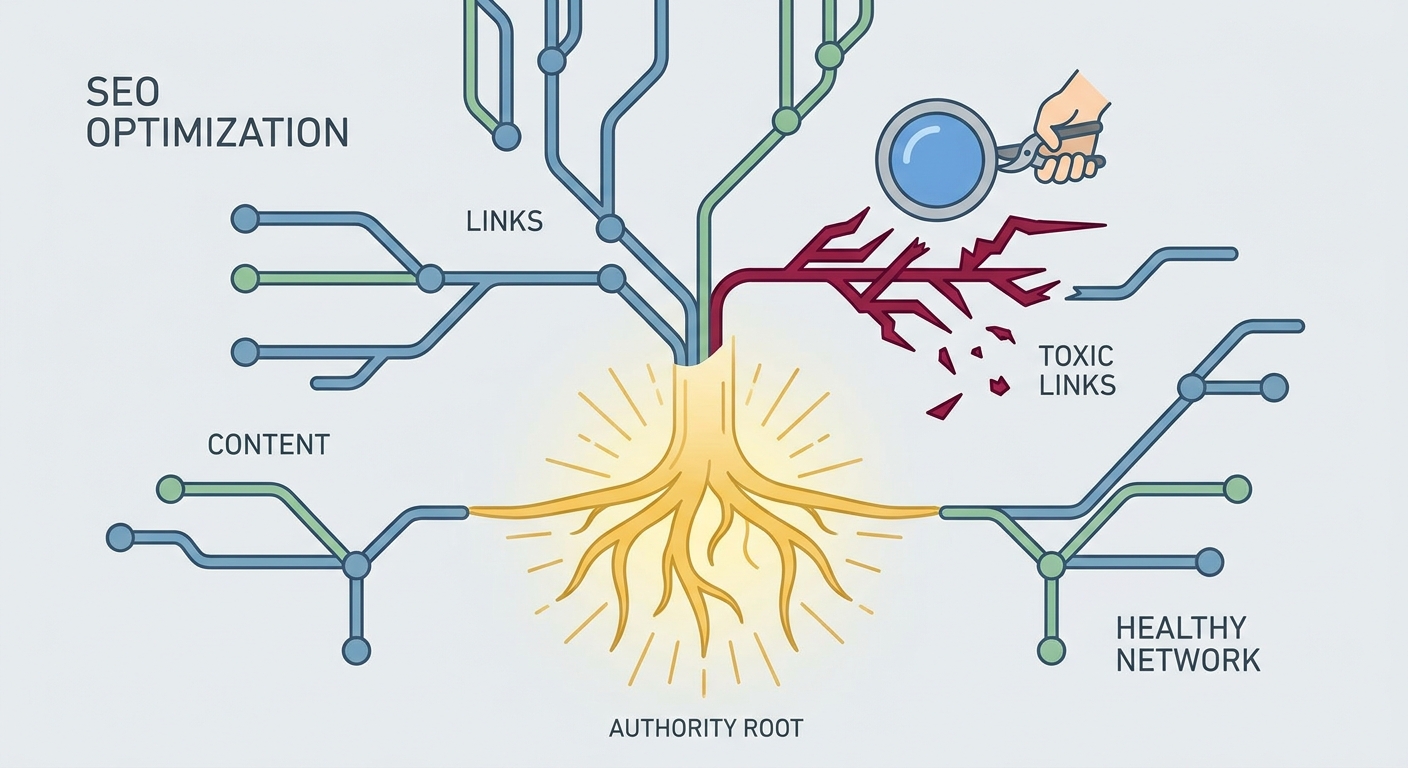
The industry is finally waking up to the fact that the future of backlinks lies in the entity providing them, not the volume. When you obsess over Domain Authority (DA), you fall into the trap of link-swapping and buying—tactics that keep your site in a perpetual state of "at-risk."
Instead, focus on "Brand Mentions." When a reputable, non-competitive site references your brand or cites your original data, they’re signaling trust to the algorithm. It’s simple: be a leader, not a spammer.
What Does a Modern "Content Partnership" Look Like?
A modern content partnership is a high-level collaboration between two organizations that share an audience but aren't fighting for the same customers. Think of it as a strategic alliance where the currency is value, not a link.
Forget the "guest post" email. Instead, try this:
- Co-author a deep-dive industry report.
- Trade proprietary data sets to create a unique study.
- Host an expert roundtable where both parties bring their best insights to the table.
This transforms your outreach from a nuisance into a legitimate business opportunity. By aligning your [content marketing strategy](Insert URL) with these partners, you create a flywheel of authority. You’re not just getting a backlink; you’re getting a co-citation that confirms your expertise to both users and the algorithms.
How Do You Build a Partnership CRM?
The biggest mistake teams make? Managing relationships in a static spreadsheet. Relationships are dynamic. A spreadsheet doesn't tell you how a partner feels, what they need, or when they last engaged with your brand.
Your CRM should be a living, breathing document. Track when you last provided value—maybe it was sharing a custom graphic or a snippet of research—and when they last advocated for your brand. By integrating your outreach directly with your content calendar, you ensure that every piece of content you produce has a distribution partner already baked into the workflow.
The Step-by-Step Workflow for High-Value Partnerships
Step 1: Identifying Partners
Stop looking for "links." Look for "hubs"—sites that consistently link out to high-quality, research-driven content. You can leverage [SEO Audit Services](Insert URL) to identify which sites move the needle in your niche. The goal is simple: find non-competitive players who are already talking to your ideal customer.
Step 2: Value-First Outreach
The "I love your blog, can I write for you?" email is dead. It belongs in the trash. Your outreach must be data-driven. Lead with something of value. Did you create a proprietary chart? Do you have an internal survey that challenges a common industry myth? Use these assets to open the door. For more on how to structure these interactions, check out outreach best practices.
Step 3: The "Anti-Guest Post" Manifesto
When you pitch a partner, pitch a project, not a post. Suggest a co-authored whitepaper or an expert guest appearance. This moves your request from "I need a link" to "Let's build something significant together." This is the core of modern, white-hat link building tactics, where the quality of the content is the primary driver of the link, rather than the arrangement itself.
How Do You Measure the ROI of Partnerships?
If you’re still reporting "number of links" to your stakeholders, you’re losing the budget argument. In 2026, you need to measure the quality of the connection. Track referral traffic, sure. But more importantly, track "co-citation authority"—how often your brand is mentioned alongside your partners in industry news or AI search summaries.
Brand sentiment is the hidden metric that matters. Are you being linked to by sites that are actually respected, or are you just buried in a list of twenty other "guest contributors"? Reporting on the growth of your "Partner Ecosystem" is far more compelling to leadership than a spreadsheet of URLs.
Strategic Implementation: From Theory to Execution
To scale this, you need a "Partnership Database." This isn't just a list; it’s a repository of industry relationships. Set clear expectations: what is the frequency of collaboration? Who is doing the creative heavy lifting?
You can't automate the relationship itself, but you can automate the process of keeping the CRM updated and the outreach cadence consistent. When you treat your partners like long-term business collaborators rather than link-targets, you move from playing a game of SEO to building an enduring digital brand.
Frequently Asked Questions
How is "Content Partnership Management" different from traditional guest posting?
Traditional guest posting is typically transactional, low-effort, and focused on volume. Content Partnership Management is a long-term strategy focused on building professional relationships, shared audience growth, and co-branded content that carries inherent value for both parties.
How do I identify a high-quality link partner in 2026?
Look for sites that share your target audience, have high-quality original content, and are actively engaged in your industry niche. They should have a clean, meaningful backlink profile and consistent traffic, rather than just high DA metrics.
Does Domain Authority (DA) still matter for backlink quality?
While DA remains a useful vanity metric for quick comparisons, relevance and topical authority are far more important in 2026. A link from a smaller, highly relevant niche site is almost always more valuable than a generic, irrelevant link from a high-DA site.
What should I offer a partner if I don't have original data or research?
You can offer your own expert insights, help them with content distribution, provide high-quality graphics or infographics, or facilitate an expert interview. The goal is to solve a problem for them, not to ask for a favor.
How many touchpoints are typically required before a partnership is established?
In a modern digital environment, it rarely happens in one email. It often takes 3-5 high-value touchpoints—such as sharing a resource, engaging with their social content, and providing feedback on their work—before a formal partnership proposal is accepted.