The Best Free Link Building Tools Worth Using in 2025

TL;DR
- ✓ Modern link building success relies on manual outreach rather than automated spam tactics.
- ✓ Master Google search operators to uncover high-intent link opportunities for free.
- ✓ Use professional free tools like Ahrefs backlink checker to vet potential target sites.
- ✓ Build a lean tool stack to maintain full control over your backlink profile.
- ✓ Focus on relevance and quality to avoid manual actions from Google penalties.
Building authority in 2025 isn’t about running massive, automated email blasts or purchasing "link packages" that promise to skyrocket your rankings overnight. Those tactics are relics of a bygone era. If you’re still buying links, you’re basically handing Google a map to your own demise—one-way ticket to a manual action.
Modern link building is a craft. It’s manual, it’s high-intent, and it favors relevance over raw volume. If you want to move the needle without burning thousands on enterprise subscriptions, you need to adopt a "Stack Mentality." This means curating a lean, professional-grade toolkit of free resources that allows you to execute precise, human-centric outreach. Before you start, give the Google SEO Starter Guide a read to ensure your site actually deserves the authority you’re trying to build. Success today requires a disciplined workflow, not a company credit card.
What Are the 4 Pillars of a Modern Link Building Workflow?
If you jump straight into outreach without doing your homework, you’re just spamming. It’s that simple. A professional, effective workflow is divided into four distinct stages: Discovery, Enrichment, Outreach, and Monitoring.
How Do You Build a Professional-Grade Tool Stack for $0?
The "Stack Mentality" is about choosing tools that do one thing perfectly rather than relying on all-in-one suites that do everything mediocrely. When you build your own stack, you gain control. You aren't at the mercy of some "black box" algorithm telling you what a good link looks like. You become the architect of your own backlink profile. For a broader look at how these off-page efforts tie into your site’s health, check out our SEO Strategy Guide.
Stage 1: Finding Prospects Without Paying for Databases
Most people fail at prospecting because they use generic, bloated lists. Stop doing that. Use Google Search Operators to find the exact pages that want to link to you. Master these operators—like site:competitor.com "keyword" -site:yourdomain.com—and you’ll uncover opportunities your competitors are too lazy to find. If you need a refresher on the syntax, the Ahrefs Google Search Operators Guide is the gold standard for digging deep into the SERPs.
Once you have a list of potential sites, vet them. The Ahrefs Backlink Checker (Free Version) is an absolute lifesaver here. Peer into a target site’s backlink profile. Are they linking to high-quality content, or are they just a conduit for spam? Finding "link gaps"—where your competitors have earned a link but you haven't—is the fastest way to build a list of high-intent targets.
Stage 2: Finding the Right Human to Contact
You have a list of URLs. Now, stop emailing "[email protected]." You need a name and a verified email address. This is where Hunter.io (Free Tier) becomes your best friend. It bridges the gap between a dead-end inbox and the actual editor or content manager who can say "yes."
In 2025, cold outreach etiquette is non-negotiable. Don't be a bot. Your email should be short, deeply personalized, and focused on the value you provide to their audience. If you’re just asking for a link, don’t be surprised when you’re ignored.
Which Free Tools Are Actually Worth Your Time? (The Tool-to-Task Matrix)
| Tool | Category | Best For |
|---|---|---|
| Google Search | Research | Prospecting via operators |
| Hunter.io | Enrichment | Finding verified emails |
| Ahrefs Free | Analysis | Backlink gap analysis |
| Google Search Console | Monitoring | Link health and performance |
Are You Falling for These "Zombie" Tools? (The Overrated List)
If a tool’s primary value proposition is a proprietary metric like "Domain Authority" or "Domain Rating," be careful. These are vanity metrics. They are incredibly easy to manipulate and usually ignore topical relevance. I’ve seen sites with massive "authority" scores that are nothing more than glorified link farms. When you chase these numbers instead of genuine relevance and traffic, you’re wasting your time on "zombie" targets that provide zero value. Trust your eyes over an arbitrary number. If the site looks like it was built for bots rather than humans, close the tab and move on.
Capturing "Low-Hanging Fruit" with Free Tools
The easiest links to build are the ones you’ve already earned but haven't received credit for.
- Tactical Guide: Finding Unlinked Brand Mentions: Set up free Google Alerts for your brand name. When you see a mention that doesn't link to you, send a polite, human-written email. Thank them for the mention and ask if they’d mind adding a hyperlink so their readers can find you easily. It’s a 30-second task with a high success rate.
- Tactical Guide: Executing a Broken Link Building Campaign: Use your free backlink checkers to find broken links on relevant blogs. When you find a 404 error, reach out to the site owner. Point out the broken link, and suggest your own relevant content as a replacement. It’s a value-exchange that actually helps them fix their site. For a deeper dive, read our guide on How to Conduct a Link Audit.
Agency Secrets: The "Human-in-the-Loop" Advantage
The secret top agencies won't tell you? They spend more time vetting than outreaching. An AI can write a template, but it cannot judge the soul of a website. You must manually review every single prospect.
By manually checking for recent content and "link farm" signals—like a high volume of unrelated guest posts or gambling/crypto links—you protect your site’s reputation. A single link from a relevant, human-run site is worth more than a hundred automated links from junk sites. Stick to the process, keep it personal, and the results will follow.
Frequently Asked Questions
Can I really build high-quality links using only free tools?
Yes. High-quality link building is about the quality of your content and the relevance of your outreach, not the price of your tools. Free tools provide the data; your manual vetting and personalized writing provide the conversion.
What is the biggest risk of using free backlink tools?
The biggest risk is data inaccuracy. Free versions of tools often have limited databases, which might lead you to believe a site is smaller or less relevant than it actually is. Always cross-reference your findings with Google Search Console.
How often should I check my backlink profile?
You should monitor your backlink profile via Google Search Console at least monthly to ensure no toxic links are accumulating. For active outreach campaigns, review your progress weekly to refine your search parameters.
Are automated link-building tools safe in 2025?
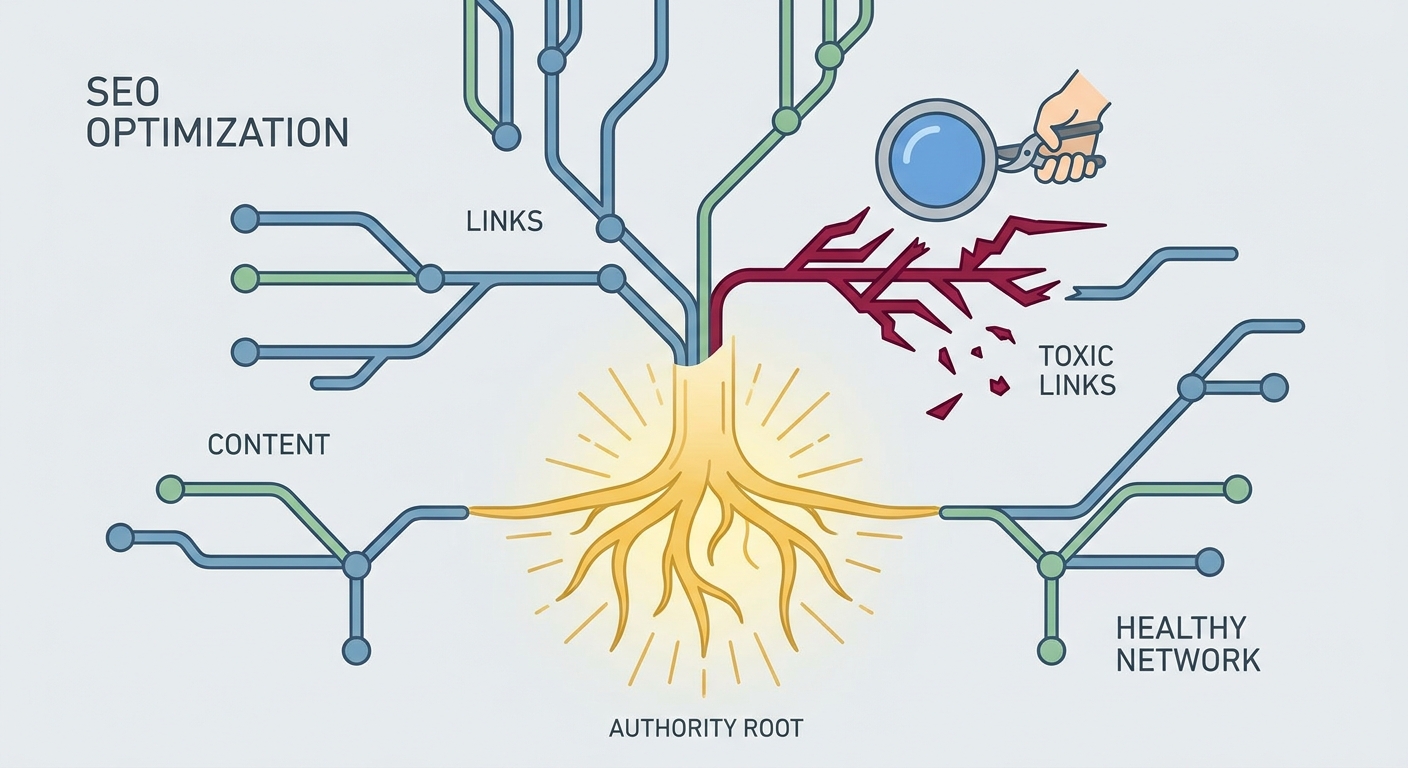
Generally, no. Google’s spam updates are increasingly sophisticated at identifying patterns of inorganic link acquisition. Any tool that promises to "automate" your links is likely creating a footprint that will eventually trigger a penalty.
What is the most effective manual link-building tactic for beginners?
Unlinked brand mentions are the most effective tactic. Because someone is already talking about you, the friction to get them to add a link is extremely low, and the relevance is inherently high.