How to Choose the Best Link Building Agencies: A Guide for B2B Marketing Leaders

TL;DR
- ✓ Avoid agencies selling mass-produced guest posts that create digital landfill.
- ✓ Prioritize Digital PR and linkable assets over outdated spammy outreach tactics.
- ✓ Demand links from sites with actual monthly organic traffic and industry relevance.
- ✓ Focus on building topical authority to succeed in the AI-driven search era.
If you’re still hunting for a link building agency based on how many "DR 70+" sites they can spam your URL onto, stop. Seriously.
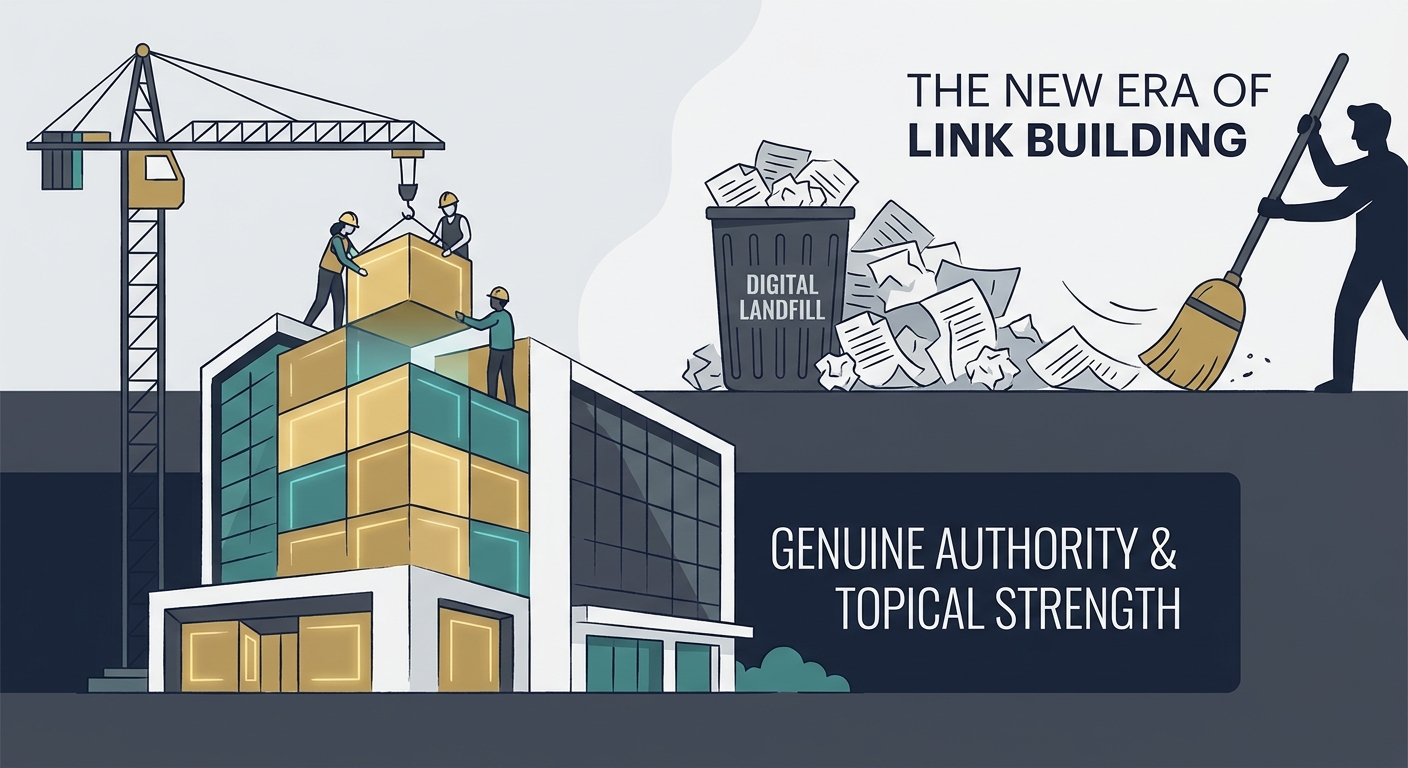
In 2026, the game has shifted. If you’re paying for mass-produced guest posts, you aren’t building authority—you’re buying digital landfill. Google and its AI-driven counterparts have evolved; they’ve moved past the "blue link" era and into a world where topical authority, verifiable citations, and genuine human engagement are the only currencies that matter.
For B2B marketing leaders, the stakes couldn't be higher. If your agency is running the same playbook they used in 2022, they aren't just failing to grow your organic presence. They are actively putting your domain’s long-term health at risk.
Why the "Old Ways" Are Effectively Dead
Remember when SEO was just about stacking links? That world is gone. Today, when a decision-maker asks an AI-Answer Engine a complex, industry-specific question, they don't want a list of ten random articles. They want a synthesized, credible, and cited answer.
Traditional guest posting—the bread and butter of the last decade—has morphed into a liability. We’ve all seen them: those "high-authority" blogs that cover everything from plumbing tips to enterprise SaaS, all while hosting thousands of irrelevant, low-quality posts. These sites are digital clutter. They lack real human readership, and modern algorithms treat them with the suspicion they deserve.
If you want to build a foundation that actually survives the next algorithm update, you need to rethink your approach. Start by checking out our B2B Content Strategy Guide. You’ll see that content shouldn't just be "linkable by request"—it needs to be linkable by design.
What Does "Modern B2B Link Building" Look Like in 2026?
Modern link building is essentially high-end Digital PR. It's not about begging for a link; it’s about creating "linkable assets." Think proprietary data, original research, and unique industry insights that publishers actually want to cite because it makes their own work look smarter.
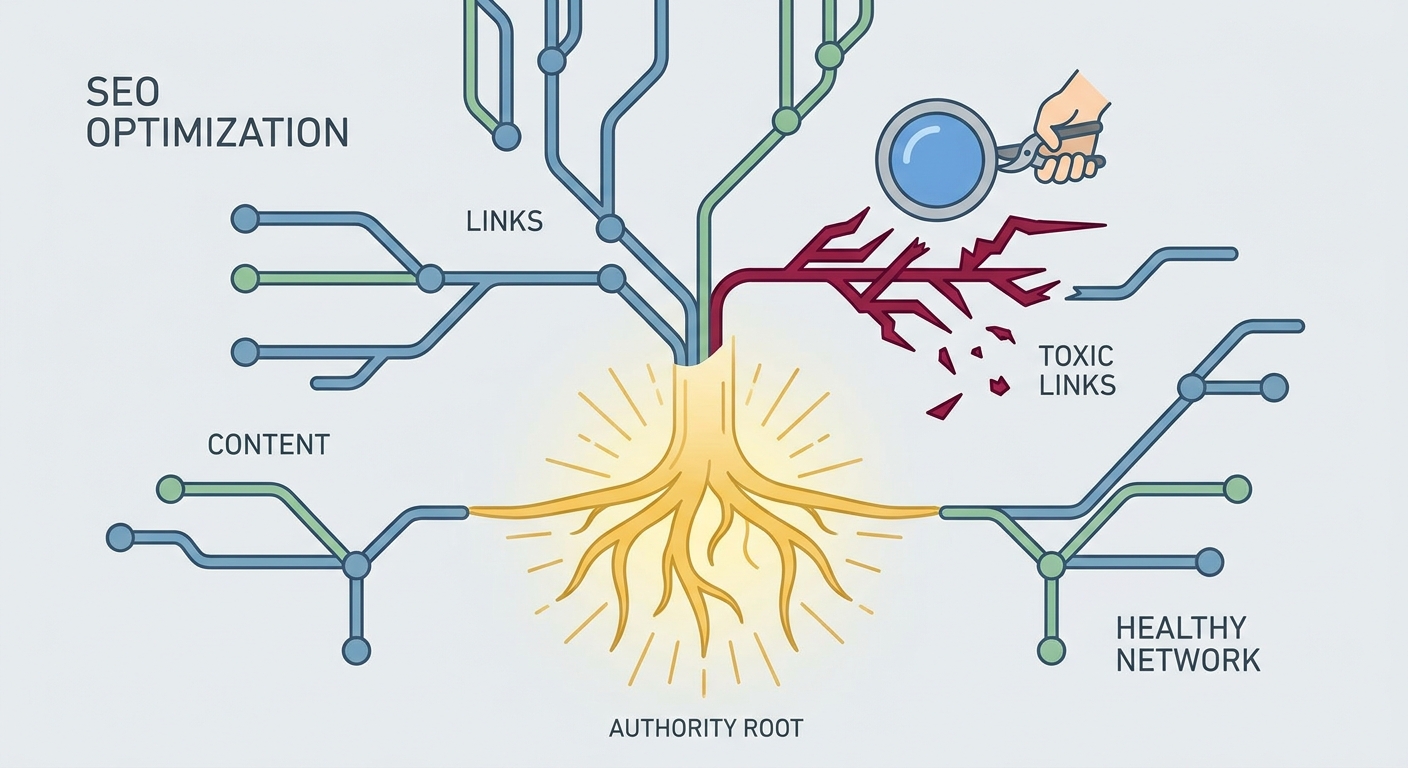
Then there’s the "Traffic-First" mandate. This is the new gold standard. A link from a site with a DR of 80 but zero organic traffic? That’s a "ghost town" link. It’s invisible to humans, and search engines are getting better at ignoring them, too. You need to demand links from sites that actually have real, breathing, monthly organic traffic.
How Do You Vet for AI-Visibility?
If you want to stump a potential agency, ask them this: "How does your work influence our presence in AI Overviews?"
As Google’s AI Overviews Guide makes clear, the search experience is prioritizing synthesized answers. It’s not about keyword matching anymore; it’s about being the source the AI trusts. Research from the Authoritas AI Visibility Study confirms that the winners in AI-generated answers are often totally different from the winners in traditional SERPs.
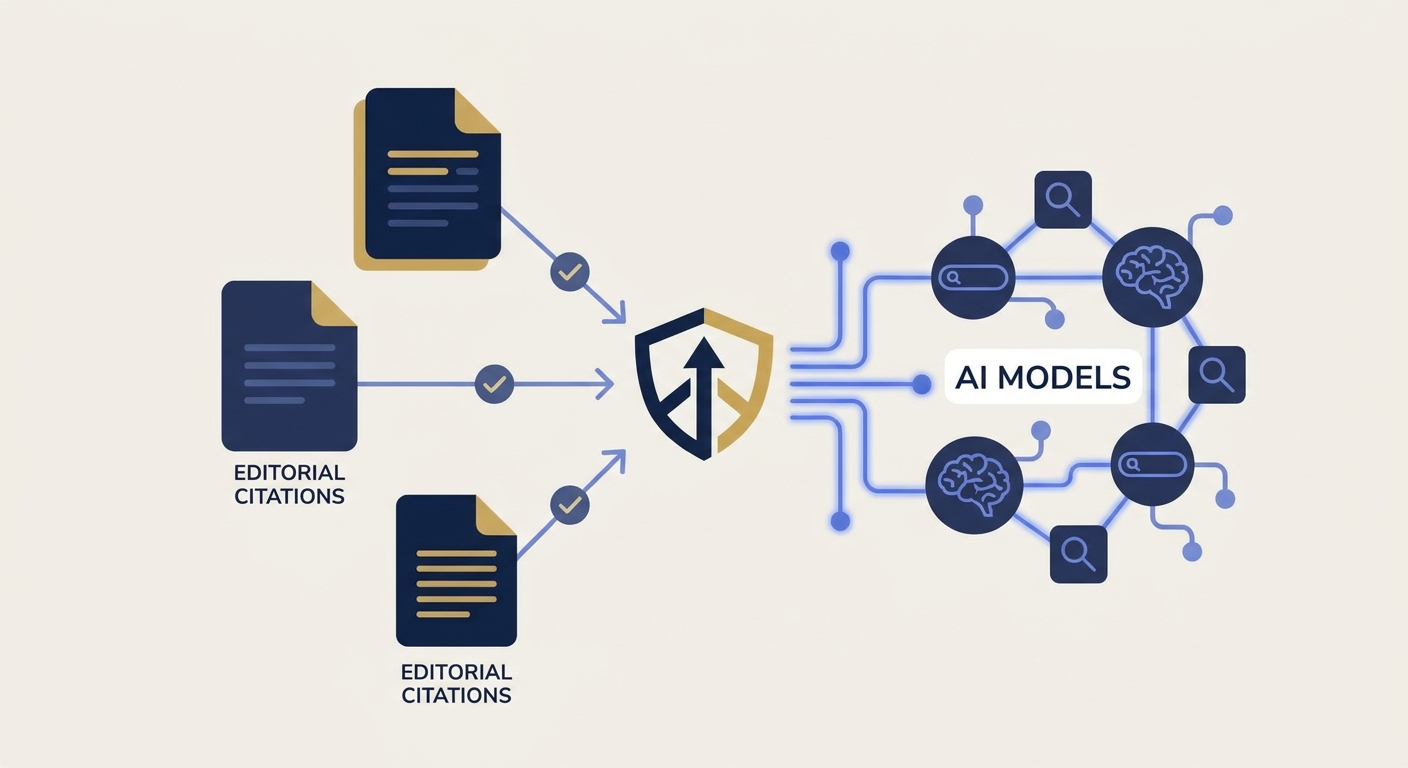
Your agency needs to focus on "citations"—getting your brand or data mentioned in authoritative, high-context environments. If they can’t explain how they do that, they’re still playing a game that ended two years ago.
The Vetting Framework: Red Flags vs. Green Flags
When you’re interviewing a prospective agency, be ruthless. It’s your budget and your reputation on the line.
Red Flags:
- Guaranteed DR Promises: Any agency promising a specific Domain Rating number is likely using PBNs (Private Blog Networks) or automated link farms. Run.
- Refusal to Disclose Placements: If they won't show you their work, it’s because they’re ashamed of it. Transparency is non-negotiable.
- Low-Quality Guest Post Farms: If their "network" consists of generic, catch-all blogs that touch on every topic under the sun, they are a liability.
Green Flags:
- Topical Authority Focus: They want to understand your business. They ask about your expertise and want to align outreach with your core subject matter.
- Content-Led Strategy: They suggest building a data study Before they pitch a single journalist. They treat you like a partner, not a transaction.
- Transparent Reporting: They talk about referral traffic, brand mentions, and pipeline, not just "link counts."
The "One in Five" Rule: For every five links an agency proposes, at least one should be capable of driving actual, measurable referral traffic to your site. If they can’t meet this, they’re building for the algorithm, not for your business growth.
What Metrics Should Your Contract Actually Include?
Stop paying for "number of links." It’s an outdated model that incentivizes spam. According to the Gartner Search Trends Report, generative AI is fundamentally changing how users search, making "brand authority" your most important defensive metric.
Demand that your Statement of Work (SOW) includes:
- Editorial Standards: All placements must meet strict word count and editorial quality guidelines.
- Traffic Minimums: At least 40% of your links must come from domains with a minimum of 5,000 monthly organic visitors.
- Content-Led Deliverables: A defined number of linkable assets (data studies or original research) that the agency must produce.
How to Conduct the Discovery Call: 5 Questions to Ask
If they stumble on these, keep looking:
- "Do you own the sites you place links on?" (If they say "yes," you’re talking to a PBN owner, not an agency.)
- "How will this campaign influence our AI Overview presence?" (Listen for talk of data-led citations and source credibility.)
- "How do you ensure these sites have actual organic traffic?" (They should be verifying traffic with Ahrefs or Semrush, not just looking at DR.)
- "What is your process for creating linkable assets?" (If they say "we write posts for you," they’re just doing guest posting.)
- "Can you provide a case study showing pipeline impact?" (Can they link a piece of PR to a demo request? If not, they don't understand your business.)
If you’re worried your site health is already compromised, don't just jump into link building. Start with our SEO Audit Services to get a clear picture of where you stand.
The Vetting Scorecard: A Downloadable Tool for B2B Leaders
Use this weighted system to keep your discovery calls objective.
| Criteria | Weight | What to Look For |
|---|---|---|
| Traffic Quality | 40% | Average organic traffic of target domains |
| Topical Relevance | 30% | Deep alignment with your industry niche |
| Content Strategy | 20% | Quality of linkable assets (data/research) |
| AI Potential | 10% | Ability to secure citations in answer engines |
Case Study Vignettes: From Rankings to Revenue
Snapshot 1: The Data-Led Win A cybersecurity SaaS client was hitting a wall. Instead of more guest posts, their agency produced a proprietary data study on "2026 Cloud Security Vulnerabilities." This asset was cited by three top-tier industry publications. The result? Not only did their DR climb, but they saw a 15% spike in direct demo requests from high-intent domains linking to the study. That’s authority.
Snapshot 2: The "Ghost Town" Caution A B2B marketing leader was sold on 50 links in three months. The DR jumped, but traffic didn't budge. An audit revealed that 45 of those 50 links were on "ghost town" sites—domains with high metrics but zero real-world traffic. The agency gamed the metric, but they failed the business. Don't be that leader.
Frequently Asked Questions
Should I prioritize Domain Rating (DR) or actual organic traffic when vetting an agency?
Always prioritize organic traffic. A high DR site with no traffic is a "zombie" site. It provides zero value to your brand authority and is easily flagged as low-quality by modern algorithms.
How does AI change the way I should evaluate a link building agency?
You need to ask how they secure "citations" in AI models. If they only mention keyword rankings and traditional backlinks, they are using outdated strategies that ignore the reality of AI-Answer Engine Optimization.
How long does it take to see results from a professional link building campaign?
In the 2026 landscape, expect 3-6 months for initial traction and 9-12 months for significant authority growth. Quality, data-led Digital PR is a long game, but the results are durable and defensible.
What is the difference between traditional link building and Digital PR?
Traditional link building focuses on manual outreach to get links on any site that will take them. Digital PR focuses on creating high-value assets—like data studies or expert insights—that earn links naturally because they provide genuine utility.
Why should I be concerned about "Ghost Town" sites in my backlink profile?
"Ghost town" sites have inflated metrics but zero real-world human readers. These provide no SEO value and can signal to search engines that your backlink profile is manufactured, which can lead to manual actions or rank suppression.