8 B2B Link-Building Strategies That Never Go Out of Style

TL;DR
- ✓ Shift your focus from link volume to building high-level entity authority.
- ✓ Leverage original research reports to earn high-quality backlinks naturally.
- ✓ Use newsjacking to provide expert commentary on trending industry topics.
- ✓ Optimize data for LLMs to increase visibility in generative search summaries.
- ✓ Target mental availability within industry circles to drive long-term authority.
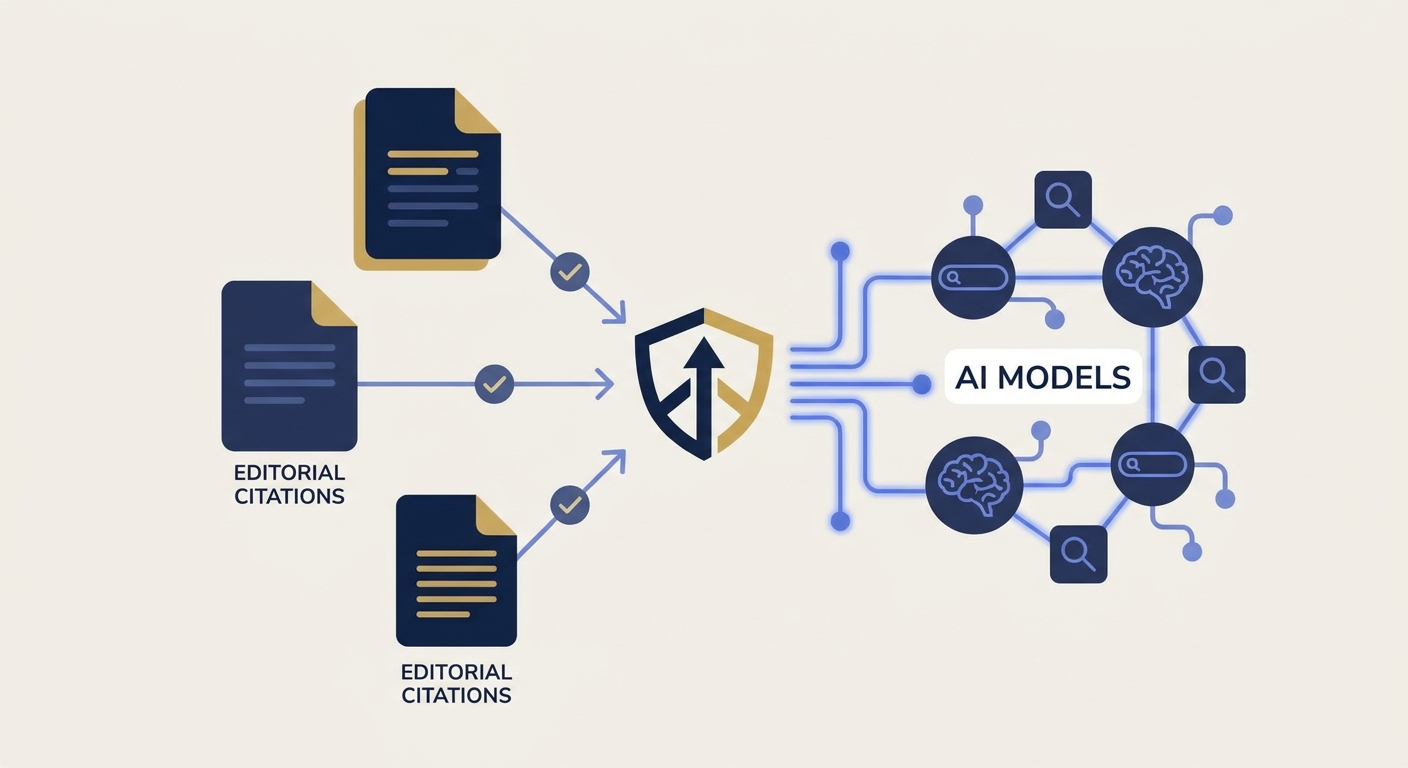
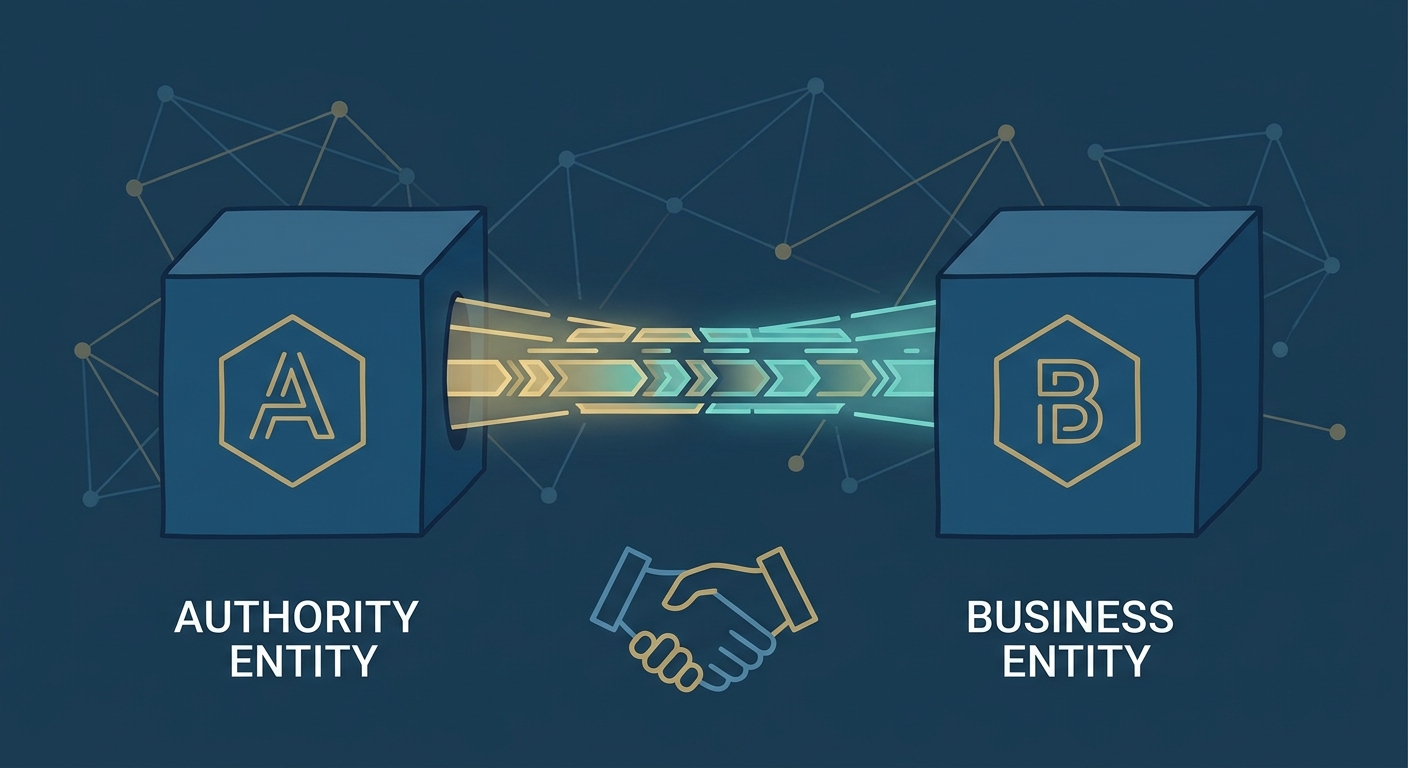
B2B link-building isn't dead. It’s just grown up. We’ve finally moved past the embarrassing era of directory spam and awkward, transactional link swaps that fooled no one. In 2026, the game is dictated by Generative Engine Optimization (GEO). Large Language Models (LLMs) don't care about your "link volume." They care about Entity Authority—the digital consensus of your brand’s reputation, expertise, and real-world citations.
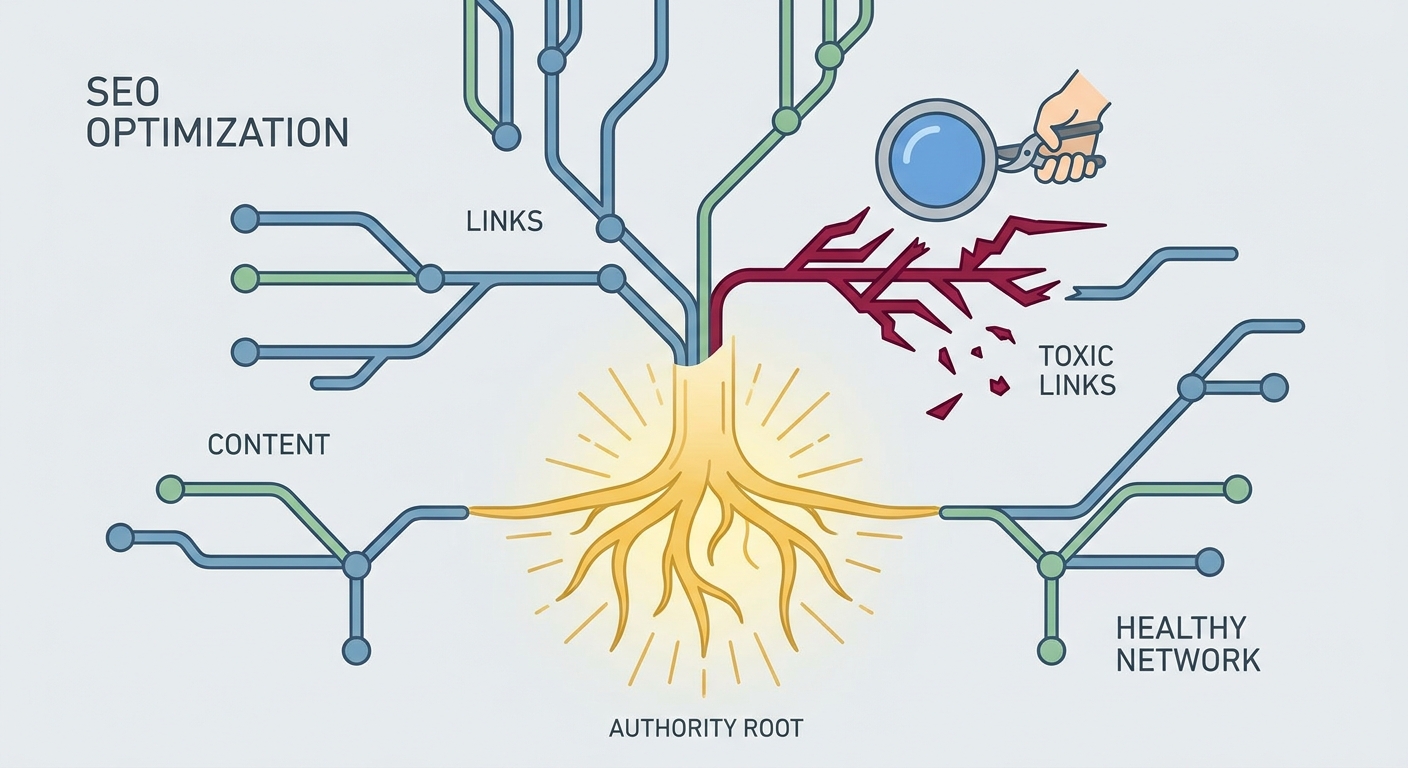
A single link from a respected, niche-relevant publication is worth more than a thousand automated directory entries. To win, stop chasing numbers. Start building the kind of signals that prove your brand is an indispensable pillar of your industry. If you’re still ignoring Google's Link Spam Update Policy, you aren't just failing to rank—you’re actively poisoning your domain’s future.
How Does the Modern B2B Link-Building Landscape Work?
The shift toward "Entity-First" SEO means we’ve stopped optimizing for keyword strings and started fighting for a seat at the table in the industry’s knowledge graph. Modern B2B buyers live in "Dark Social"—those untraceable conversations on Slack, LinkedIn DMs, and private forums where actual purchasing decisions happen.
Your link-building goal? Increase your "Mental Availability" within those circles. When a high-authority site links to your research or tools, they aren't just passing "link juice." They’re telling search engines—and potential buyers—that your brand is the entity to trust.
The 8 B2B Link-Building Strategies That Never Go Out of Style
1. The Power of Original Research
Journalists and analysts are perpetually starved for proprietary data. When you publish an annual "State of the Industry" report, you aren't just writing a blog post; you’re building a link magnet. By turning internal, anonymized company data into public benchmarks, you provide the primary source material that others feel compelled to cite. Need help structuring your data for maximum impact? Check out our Content Marketing Services to see how we turn raw numbers into cited authority.
- Pro-Tip (2026 Nuance): Structure your data in clear, machine-readable tables. LLMs are tuned to extract these formats, making your report much more likely to be cited in AI-generated search summaries.
2. Digital PR: Stop Pitching, Start Newsjacking
Cold outreach is exhausting. Newsjacking is effective. Instead of begging for links, monitor industry trends and offer your brand's unique data or expert perspective to journalists covering those topics in real-time. For more on mastering this approach, refer to these Digital PR Best Practices. When you become the go-to source for a reporter, the links follow naturally.
3. Resource Page Outreach
Resource pages—the "Best Tools for X" lists—are high-intent goldmines. Most marketers blow it by sending generic, robotic pitches. Don't be that person. Add value. If you notice a resource page is missing a modern tool or contains outdated software, reach out to the site owner with a helpful, specific suggestion. Position your link as a utility for their readers, not a favor for your SEO.
4. Interactive Tools
Whitepapers are static. Interactive tools are sticky. An ROI calculator, a compliance self-assessment, or a diagnostic tool provides immediate, tangible utility. A "Cloud Savings Calculator" secures links because it solves a problem. It’s a tool people want to share with their audience.
5. Expert Roundups
The "Contributor Quote" strategy is a cornerstone of networking for a reason. Reach out to industry peers for their take on a specific challenge, feature them in your content, and notify them when it goes live. Most will share it with their own networks, amplifying your reach and securing high-quality, relevant links from their personal or brand sites.
6. Unlinked Mention Reclamation
Your brand is likely being discussed across the web without a corresponding link. Use brand-monitoring tools to catch these "hidden" mentions and reach out to the author. A quick, polite note—"Thanks for the mention, would you mind making that a clickable link so your readers can find us?"—has a surprisingly high success rate. Before you start, ensure your own site is clean by running an SEO Audit Checklist to ensure you aren't pointing these new links toward broken or low-value pages.
7. Broken Link Building
Broken link building isn't dead; it’s just evolved. It works best when you identify high-authority resources that have gone stale. Offer your modern, updated content as a superior replacement. It’s a win for everyone: the site owner fixes a broken user experience, and you earn a relevant, high-quality backlink.
8. Partner & Customer Co-Marketing
The ecosystem approach is the ultimate defense against algorithm changes. Partner with non-competing, complementary B2B brands to create joint webinars, co-authored reports, or shared case studies. You aren't just swapping links; you are cross-pollinating audiences and establishing your brand as a core member of an authoritative industry ecosystem.
How to Measure Success Beyond Referral Traffic
If you’re still obsessing over raw referral traffic, you’re looking at a vanity metric. In 2026, the focus must be on Entity Authority and Niche Relevance. A link from a low-traffic but highly respected trade journal is infinitely more valuable than a link from a high-traffic site that has nothing to do with your industry.
What Common Pitfalls Should You Avoid in 2026?
The biggest trap? The "paid guest post" network. If a site looks like it exists solely to sell links, search engines already know it. Avoid these link farms like the plague. For a comprehensive look at what to avoid, review Backlinko’s Link Building Guide to ensure your tactics remain firmly in the "white-hat" territory. If a site’s content looks like it was generated by a bot, has no human personality, and accepts posts on every topic under the sun, walk away.
Frequently Asked Questions
Does link building still matter in the age of AI search (GEO)?
Yes. Links serve as "votes of confidence" that help LLMs and AI search engines establish which entities are the primary authorities on a given topic.
What is the primary difference between B2B and B2C link-building strategies?
B2B link building focuses on long-term industry authority, professional credibility, and relationship-driven outreach, whereas B2C often relies on viral content, social reach, and mass-market appeal.
How many backlinks do I need per month to see meaningful SEO results?
There is no magic number. Focus on the "Quality Threshold." One link from a top-tier industry publication is worth more than 50 links from low-authority blogs.
Are guest posts dead in 2026, or just evolving?
Low-quality guest posting on link farms is dead. However, contributing high-quality, expert-led content to reputable industry publications remains a highly effective way to build authority.
How do I ensure my link-building efforts aren't flagged as spam?
Always prioritize relevance and transparency. If you are adding value through data, tools, or expert insights, you are building a legitimate brand profile. If you are paying for links or participating in exchange schemes, you are inviting penalties.