AI Overview SEO: How Google's AI Mode Is Changing Organic Rankings

TL;DR
- ✓ Traditional organic rankings are shifting toward AI-powered answer engines.
- ✓ Source-worthiness is the new gold standard for appearing in AI citations.
- ✓ Shift to an answer-first content strategy to satisfy AI requirements immediately.
- ✓ Leverage structured data and primary research to become an authoritative knowledge base.
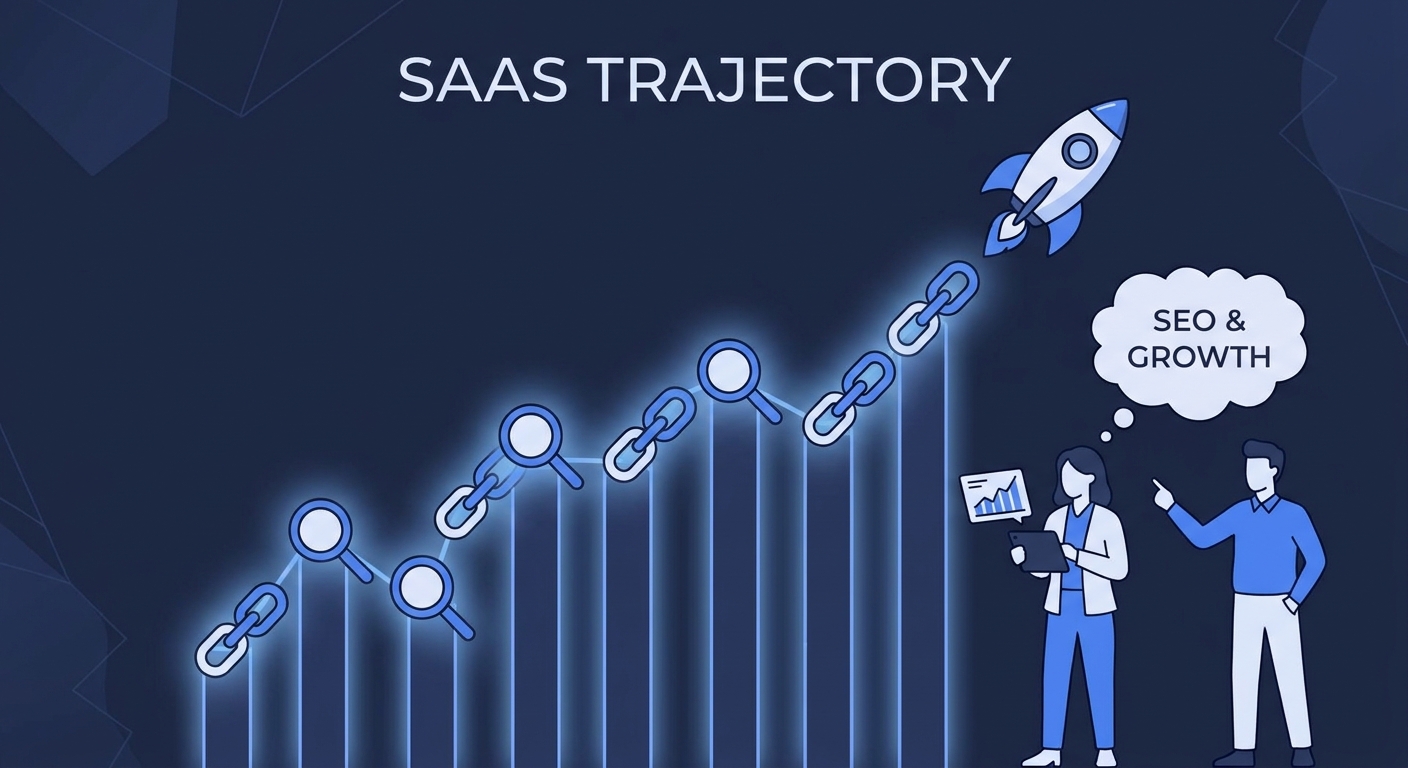
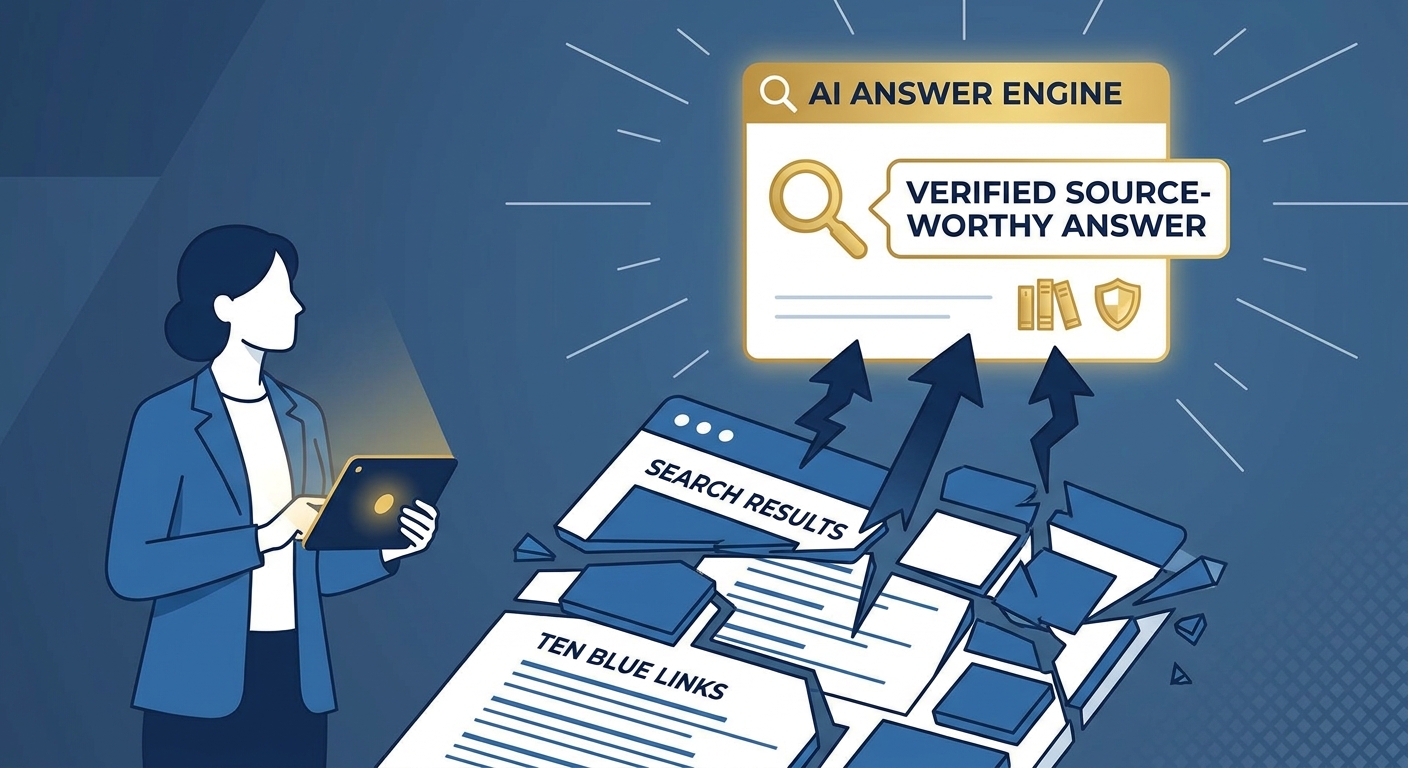
The "10 blue links" are dead. You know it. I know it. Google finally admitted it when they started cramming AI Overviews (AIO) at the top of the SERPs.
If you’re still obsessing over ranking #1 for a specific keyword, you’re chasing a ghost. That game is over. We aren't living in a "search engine" world anymore—we’ve moved into the era of the Answer Engine. And in this new, messy landscape, your organic ranking is practically a vanity metric.
The new gold standard? Source-Worthiness.
It’s not enough to have a high Domain Authority or a slick backlink profile anymore. You need to be the source that the AI trusts enough to synthesize, verify, and cite. If you aren't in the carousel, you’re invisible.
The Shift: From Search to Synthesis
For two decades, SEO was a game of cat and mouse. You built content, you stuffed it with intent, you chased backlinks, and you hoped the algorithm liked your layout. Google served up a list, and the user did the heavy lifting of clicking, reading, and synthesizing the information themselves.
Now? Google does the heavy lifting for them.
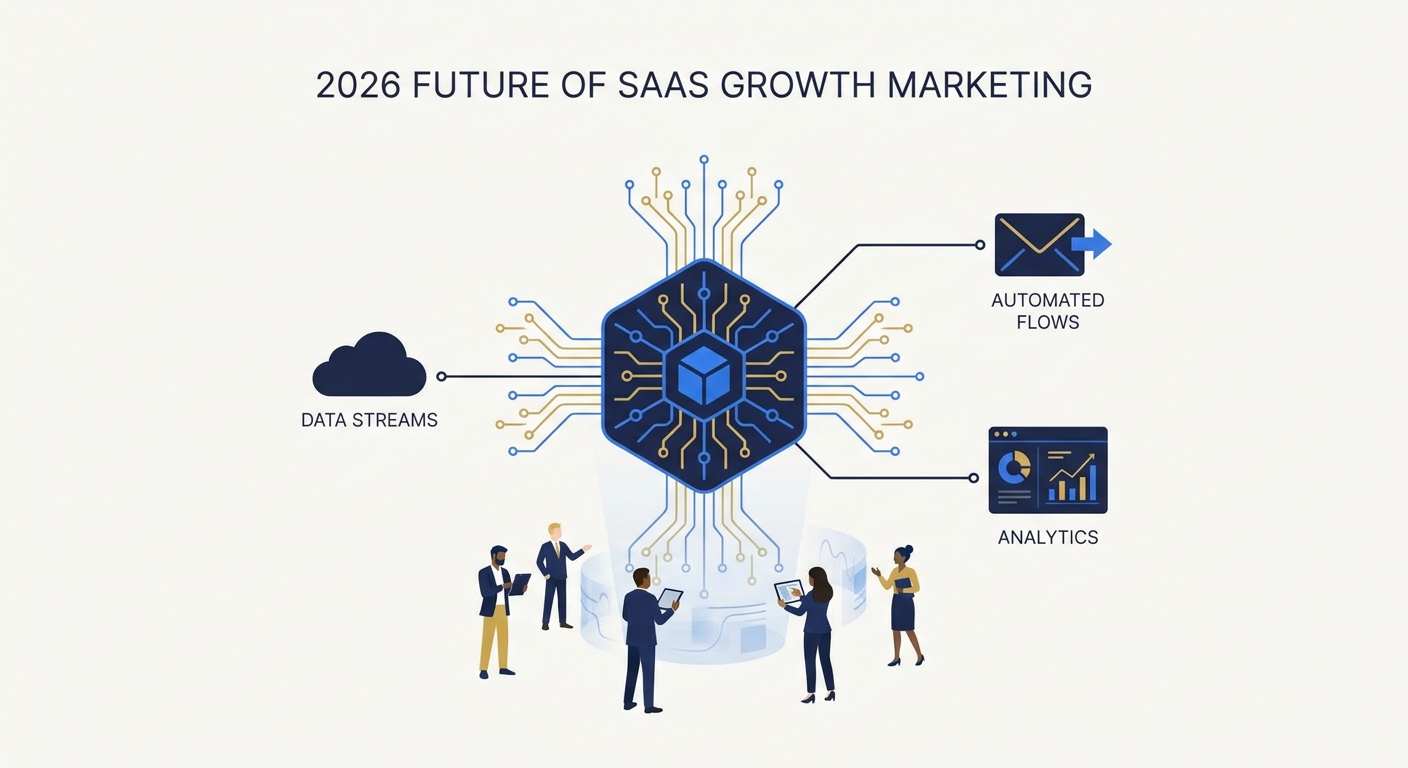
When a user asks a complex question, the AI scans the web, grabs the best snippets, and writes a summary. If your site doesn't have the specific, high-intent data that the AI wants to "borrow," you’re out. You aren't just competing for a click; you’re competing to be the foundational knowledge base for an algorithm.
Is "Source-Worthiness" the New Link Equity?
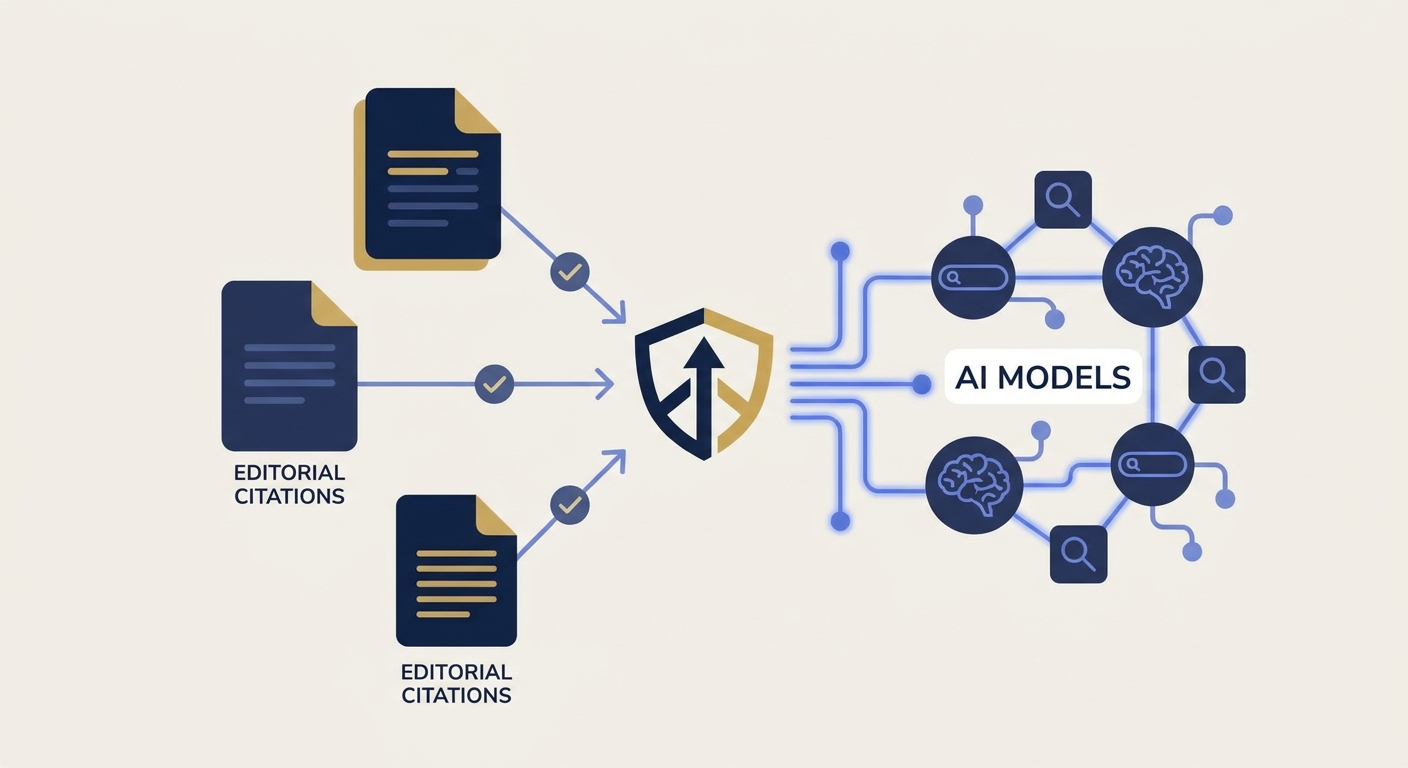
Think of it this way: In the old days, a link was a vote. Today, a citation is a validation.
When the AI pulls a paragraph from your site to answer a query, it’s effectively saying, "This is the source of truth." That is the ultimate SEO win. But here’s the kicker—the AI doesn't care about your clever meta descriptions or your perfectly optimized H2s. It cares about:
- Information Density: Can you explain a complex concept in three sentences?
- Entity Clarity: Is it obvious who you are and what you’re talking about?
- Primary Data: Are you citing original research, or just summarizing what someone else wrote?
If you’re just regurgitating the top three results on Google, the AI will skip you. Why would it cite a parrot when it can cite the bird that actually sang the song?
The Anatomy of an AI-Ready Page
If we’re abandoning the old SEO playbook, what do we replace it with? You need to restructure your content to be "digestible" for a machine, without losing the human touch that keeps your actual readers from clicking away.
1. The "Answer-First" Approach
Stop burying the lead. In the past, we wrote 300 words of "fluff" to lead into an answer. Today, put the answer at the very top. Use a clear, concise definition. If the AI can’t find the answer in the first 100 words, it’s moving on to the next site.
2. Structured Data is Your Best Friend
Schema markup isn't just "nice to have" anymore—it’s mandatory. If you want the AI to understand your content, you need to speak its language. Use FAQSchema, HowToSchema, and ArticleSchema to map out exactly what your content is. Don't leave it to chance.
3. The "Expertise" Factor
Google’s E-E-A-T (Experience, Expertise, Authoritativeness, and Trustworthiness) just got a massive promotion. If your content is written by a generic "Content Marketing Manager" with no verifiable expertise in the field, the AI will likely ignore it. You need to prove you’ve actually done the work.
The Future of Organic Traffic
Will traffic drop? Probably. If the AI answers the question on the SERP, why would the user click through?
This is the hard truth of the new SEO. You aren't going to get the same volume of clicks you did in 2019. But the traffic you do get will be higher quality. When someone clicks through from an AI citation, they aren't looking for a basic definition—they’re looking for the deep dive. They’re looking for the expert.
You have to shift your focus from "Volume" to "Authority."
How to Pivot Without Panic
Don't delete your old content. Audit it.
Look at your highest-performing pages. Are they answering questions, or are they just ranking for keywords? If they’re just ranking for keywords, rewrite them. Add a "Key Takeaways" section at the top. Add a table of data. Add a unique perspective that no one else has.
The AI is a scavenger. If you provide the freshest, most accurate, and most dense information, you become the feast.
Final Thoughts: Stop Fighting the Ghost
The "10 blue links" aren't coming back. The industry is moving toward a model where the best, most verifiable information wins, regardless of how many backlinks you have.
Stop worrying about where you rank in the list. Start worrying about whether you’re the source the AI is citing. If you can master the art of being the "Source of Truth," you won't need to worry about the algorithm updates. You’ll be the one the algorithm relies on.
FAQ: Navigating the AI Era
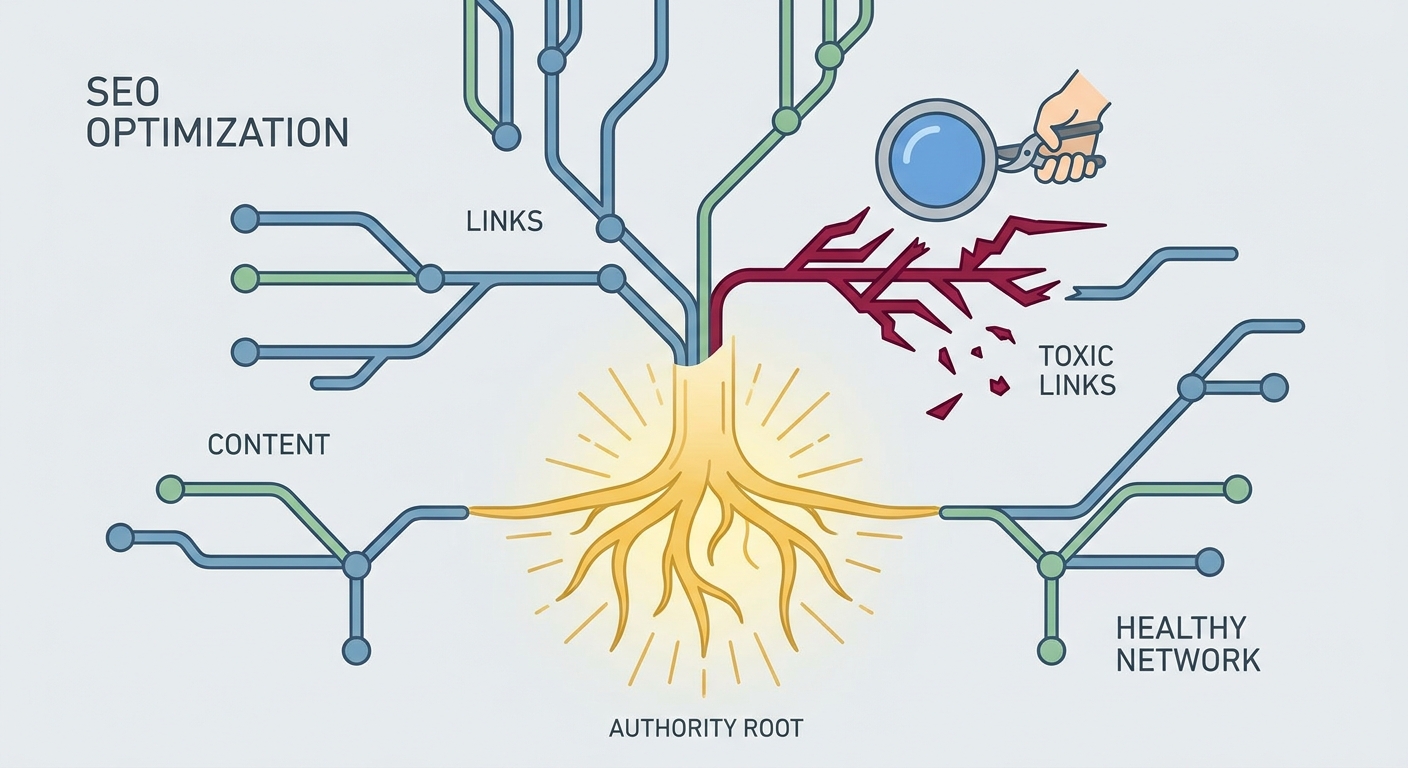
Q: Should I stop focusing on backlinks? A: Absolutely not. Backlinks still signal trust to the broader algorithm. But they are no longer the only lever you can pull.
Q: Is long-form content dead? A: No. But "bloated" long-form content is. If your 3,000-word post is just 500 words of substance stretched thin, the AI will hate it. If it’s 3,000 words of deep, unique, expert insights, it’s more valuable than ever.
Q: How do I know if I’m "Source-Worthy"? A: Check your own site. If you ask your own pages a question, does the answer appear clearly within the first paragraph? If not, you’ve got work to do.