20 Advanced Link Building Tips To Boost Your Rankings

TL;DR
- ✓ Shift from spammy link volume to building high-authority digital reputation.
- ✓ Leverage proprietary data and research to attract natural, high-value backlinks.
- ✓ Align your outreach strategy with modern Google Search Essentials and AI-driven signals.
- ✓ Replace outdated skyscraper methods with utility-focused, expert-led content assets.
- ✓ Diversify your approach using data-driven survey reports and visual linkable assets.
Link building in 2026 isn't about hacking an algorithm anymore. It’s about building a digital reputation that's impossible to ignore. If you’re still obsessed with raw backlink volume or paying for bottom-of-the-barrel guest posts, you aren't just blowing your budget—you’re basically begging for a manual penalty.
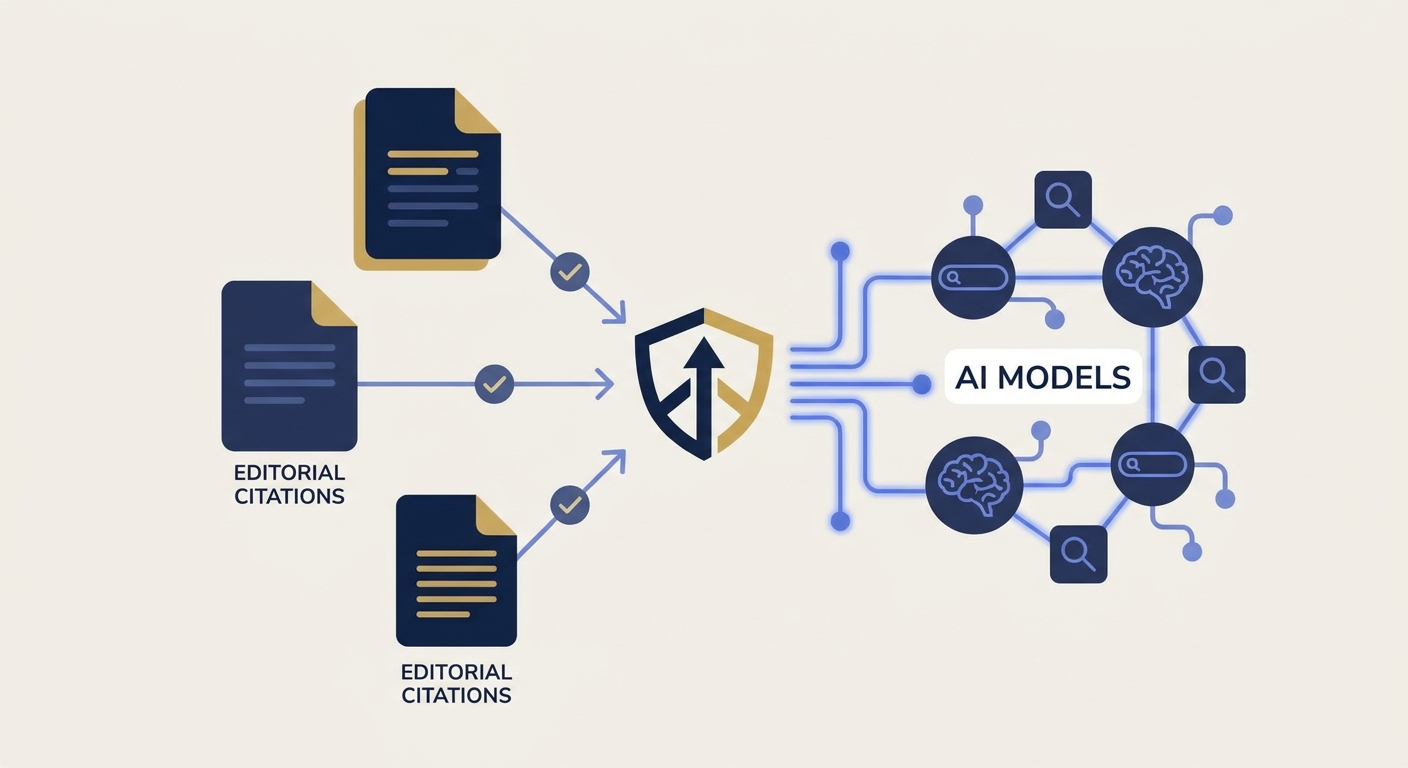
Google’s AI Overviews (SGE) have changed the game. They prioritize trusted brand mentions and high-authority signals over a pile of spammy links. To win today, you have to stop acting like a spammer and start acting like a publisher. You aren't just building links; you’re building a reputation that earns the right to be cited by the heavy hitters in your industry.
1. The Foundation: Why Does Link Building Still Matter in 2026?
The industry has moved past the era of SEO spam and into the era of "Earned Media." Google is relentless about policing link manipulation, as laid out in their Google Search Essentials (Link Spam) documentation. If your strategy relies on shortcuts, you’re building your house on sand.
You need to align your efforts with high-level authority signals. If you want to understand the shift in how authority is calculated, I recommend reviewing our Advanced SEO Strategy Guide, which breaks down the mechanics of modern domain trust. A backlink today is a digital vote of confidence from one expert to another. If your content doesn't deserve that vote, no amount of outreach will save you.
2. How Do You Build "10X Better" Content for the Skyscraper 2.0 Approach?
The old-school Skyscraper technique—finding content that ranks and slapping a "better" version together—is dead. In 2026, "better" doesn't mean more words. It means more utility. You’ve got to integrate proprietary data, primary research, and interactive elements that AI models can’t just scrape from the web. If you need a blueprint for this, consult our Content Production Framework to ensure your assets are built to attract links, not just filler traffic.
[VISUAL: MERMAID - The "Research-to-Asset" Cycle]
3. What Are the Most Effective Advanced Link Building Tactics for 2026?
To stay ahead, you need to diversify your attack. These 20 tactics balance short-term wins with long-term authority.
Bucket A: Data-Driven Authority (Tips 1-5)
- Original Industry Surveys: Stop quoting others. Send out a survey to your list or use a platform like Pollfish to gather proprietary data. A "State of the Industry" report is a goldmine because journalists are always starving for fresh, citable stats.
- Proprietary Data Graphs: When you have data, visualize it. Journalists hate wall-of-text reports but love an embeddable chart that proves a point. Design these assets so the "Source" link is clearly yours.
- Predictive Analysis: Use your internal data to forecast trends. If you can accurately predict a shift in your niche, you become the primary source for every outlet covering that story.
- Case Study Re-purposing: Take your internal success stories and strip out the "salesy" language. Rewrite them as objective, third-party analyses that highlight the "how" rather than the "who."
- Visual Asset Library: Create a dedicated page for your infographics, diagrams, and charts. Make them easy to download and embed with a clear citation request.
Bucket B: Relationship-Led Digital PR (Tips 6-10)
- The "Relationship CRM" Strategy: Stop viewing journalists as targets. Use a CRM to track your interactions. Did they cover your story? Follow up with a personal thank you and a "heads up" on future research.
- Expert Roundups 2.0: Forget the low-effort mass emails. Reach out to 5-10 genuine industry heavyweights for a specific, difficult question. The scarcity of the request increases the likelihood they will link to the final piece.
- Newsjacking with a Twist: When a major story breaks, don't just comment. Provide a unique data-driven perspective that adds context the initial reporting missed.
- Podcast Guesting: Being a guest on a respected podcast in your field allows you to build audio authority. Ensure the show notes include a direct link to a relevant, high-value asset on your site.
- The "Help a Reporter" (HARO/Connectively) Upgrade: Quality over volume is the rule here. Spend two hours crafting the perfect, expert-backed pitch rather than sending 50 generic ones.
Bucket C: Technical & Competitive Intelligence (Tips 11-15)
- Reverse-Engineering Competitor Profiles: Use tools like Ahrefs or Semrush to see who is linking to your competitors. Don't go for the low-hanging fruit; target the sites that consistently link to high-quality resource pages.
- Broken Link Building (The Modern Way): Focus on high-authority, relevant resource pages. When you find a 404, don't just ask them to replace it with your link. Explain why your content is a better, more current alternative to what was lost.
- Resource Page Audits: Find "outdated" resource pages that haven't been updated in years. Offer to help the webmaster by providing a comprehensive, updated list of current tools or guides.
- Unlinked Brand Mention Recovery: Set up Google Alerts for your brand name. When someone mentions you but forgets to link, send a friendly, "Thanks for the mention, would you mind making that a link so your readers can find us?" email.
- Competitor Gap Analysis: Identify the sites that link to three or more of your competitors but haven't linked to you yet. This is your "low-hanging fruit" list for outreach.
Bucket D: Future-Proofing & Risk Management (Tips 16-20)
- Anchor Text Diversity: Avoid "exact match" anchor text at all costs. Over-optimizing your anchors is the fastest way to trigger a spam filter. Use branded and natural anchors to keep your profile looking organic.
- Tiered Link Building (The White-Hat Way): Don't point every link to your money pages. Link to your "Linkable Assets" (research reports, data pages), then use internal linking to push that authority to your commercial pages.
- The "Zero-Click" Authority Play: Understand that search engines track brand entities. Even if a link doesn't have a
rel="follow"tag, a citation from a major publication helps build your site's "Entity Authority." - Content Lifecycle Updates: Your old content is a goldmine. Refresh it with new data and reach out to the people who linked to the original version to let them know you've updated the source.
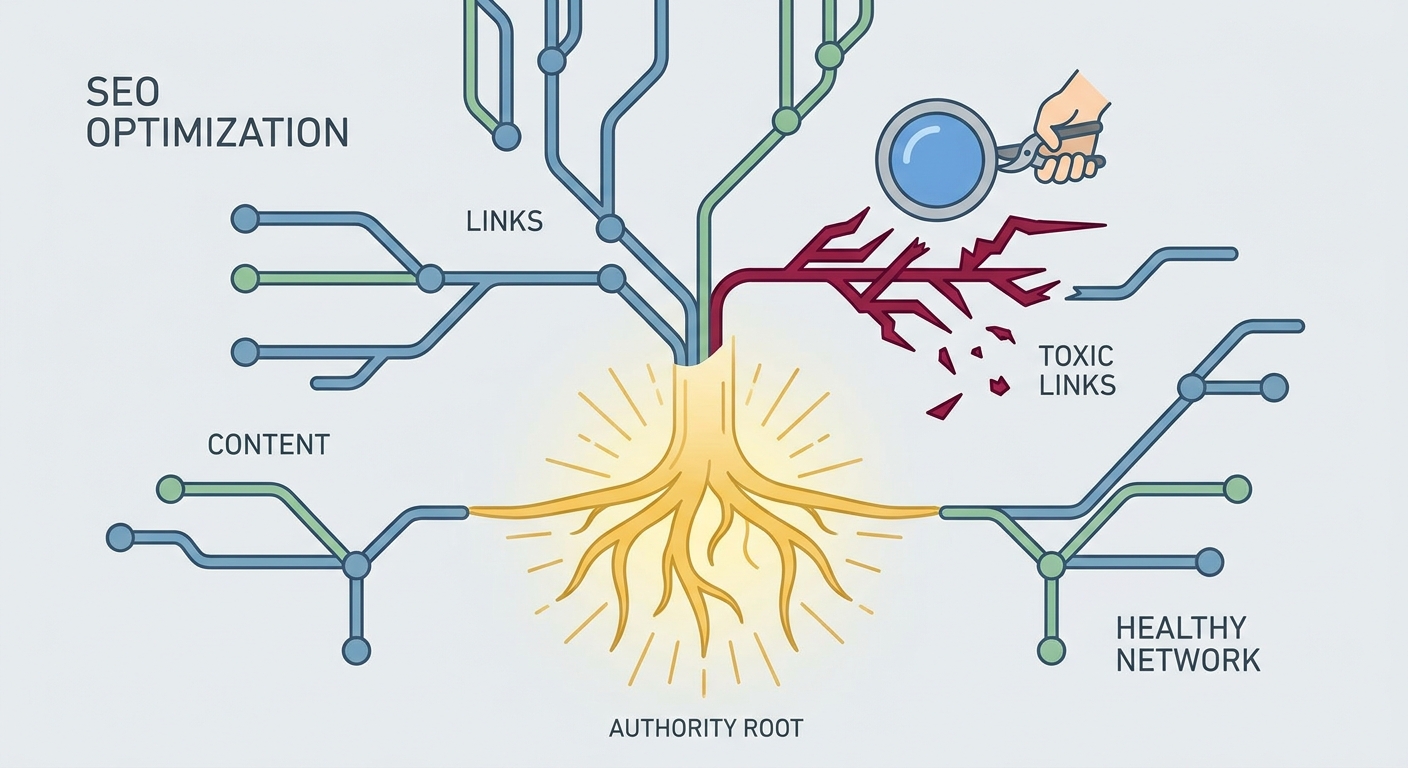
- Disavow Hygiene: Every six months, audit your backlink profile. If you find toxic, spammy links that you cannot remove manually, add them to your disavow file to protect your domain strength.
4. How Do You Execute a Scalable Outreach Campaign?
The era of "spray and pray" outreach is over. If your email looks like a template, it’s going to the trash. A scalable campaign requires a hybrid approach: use automation to identify the stakeholders, but use human intelligence to craft the value proposition. You are not asking for a favor; you are offering a resource that makes the journalist's or blogger's job easier.
[VISUAL: MERMAID - The "Outreach Funnel"]
5. Where Can You Learn More About Scaling These Tactics?
If you want to master the art of the link, you have to keep learning. For those who want to see these tactics in action on a massive scale, I highly recommend checking out Backlinko’s Link Building Strategies, which serves as a definitive library for advanced practitioners. Additionally, for a deeper dive into the ethics and execution of high-quality acquisition, the Earned Media Backlinks Guide is an essential reference for any serious SEO.
Frequently Asked Questions
Does link building still work in 2026?
Yes, but the focus has shifted from quantity to authority. Links are now a primary signal for "trust" in an AI-driven search landscape.
What is the biggest mistake in link building today?
Relying on automated outreach and low-quality guest posts, which can trigger Google's spam filters and permanently damage your domain's trust score.
How do I know if a backlink is "good" or "bad"?
A good link comes from a relevant, authoritative site that would have traffic even without search engines. A bad link is often paid for, irrelevant, or part of a link exchange scheme.
How long does it take to see results from link building?
Unlike paid ads, organic link building is a long-term play. Expect 3–6 months to see significant movement in rankings as the search engine re-evaluates your site's authority.