What are advanced link building strategies?

TL;DR
- ✓ Shift from volume-based outreach to building genuine editorial authority and relevance.
- ✓ Create proprietary data and research to transform your site into a linkable asset.
- ✓ Replace cold emails with Digital PR strategies to earn high-quality editorial backlinks.
- ✓ Use original narratives to position your brand as a primary source for journalists.
If you’re still treating link building like a numbers game, you’re playing a losing hand. In 2026, Google’s algorithms don’t care how many emails you’ve blasted out or how many low-tier guest posts you’ve managed to shove onto the web. They care about one thing: Editorial Authority.
If your outreach strategy still involves generic templates and "link requests," you aren't building a brand. You’re just creating a digital paper trail that Google’s AI is increasingly smart enough to ignore—or worse, penalize. The game has shifted. It’s no longer about volume; it’s about the surgical pursuit of relevance.
The Foundation: Why "Linkable Assets" Are Non-Negotiable
You can’t build a skyscraper on a swamp. Before you spend a single dime on outreach, look at your own backyard. Is your site actually worth linking to?
This is where Content Marketing Services become the bedrock of your entire SEO strategy. If your site is just another "me-too" blog with thin, recycled advice, nobody is going to link to you. Why would they? You aren’t providing value. You’re just asking for a favor. If you want links, you need proprietary data, original research, or functional tools—like interactive calculators—that solve a real problem for the reader.
The modern link cycle is a closed loop of value creation and promotion.
When you lead with data, you stop being a beggar and start being a source. Journalists, bloggers, and academics are perpetually starved for credible information. When you provide the data that supports their narratives, the dynamic shifts. It’s no longer a transactional, cold outreach email; it’s a helpful, professional exchange.
Why Digital PR is the King of Modern Authority
"Link building" as we knew it in the early 2020s is dead. Digital PR has replaced the grind. The ROI of conducting a massive, industry-specific survey dwarfs traditional outreach because it gives media outlets a story they actually want to tell.
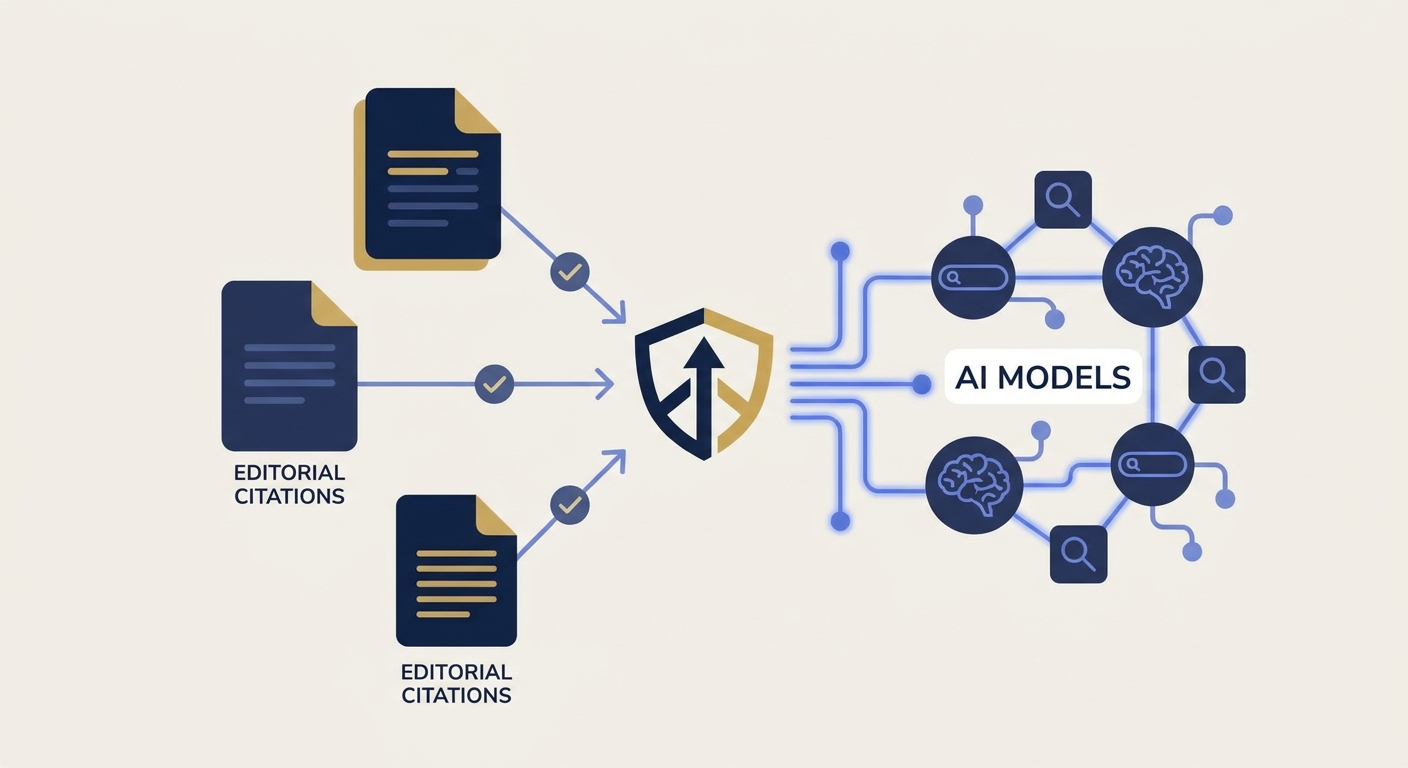
Don't just send an email. Offer a narrative. Maybe you’ve analyzed a shift in consumer behavior or found a gap in current industry projections. As outlined in this Digital PR Guide, the secret is moving from "link solicitation" to "information distribution." When you have a compelling data point that challenges conventional wisdom, you don't have to beg for a link. The link becomes a natural byproduct of the journalist citing your work as their primary source. That’s how you win.
The Modern Framework for Outreach Personalization
If your response rate is hovering below 3%, your outreach is either irrelevant or lazy. In 2026, the "spray-and-pray" method is a death sentence for your domain reputation. The benchmark for high-level outreach is a 10–25% response rate.
How do you get there? Stop using templates.
You need to identify specific content gaps on the target site. Don't just ask for a link; show them how your asset improves the article they’ve already published. Address the editor by name. Reference their recent work. Explain exactly why your contribution adds value to their audience.
Also, get off the crowded platforms. Everyone is fighting over the same scraps on the old HARO. Move toward more targeted sources like Connectively, Qwoted, or Featured.com. These platforms allow you to position yourself as an expert source, making the link acquisition feel like a natural extension of your professional contribution rather than a forced SEO tactic.
Assessing Link Quality: The Relevance Shift
Stop obsessing over Domain Authority (DA) or Domain Rating (DR). Those metrics are vanity figures. Google’s algorithms are far more adept at measuring topical relevance.
A link from a DR 45 blog that is hyper-focused on your specific niche is worth ten times more than a link from a generic DR 80 "news" site that covers everything from crypto to gardening. When auditing potential backlink opportunities, look for editorial standards. Does the site look like a guest post farm? Are they churning out dozens of low-quality, unrelated articles every week? If the answer is yes, run. For a safer, more sustainable approach, follow the principles in this Safe Link Building Guide to ensure you’re building a profile that won’t trigger a manual action.
Maintaining a Natural Link Profile
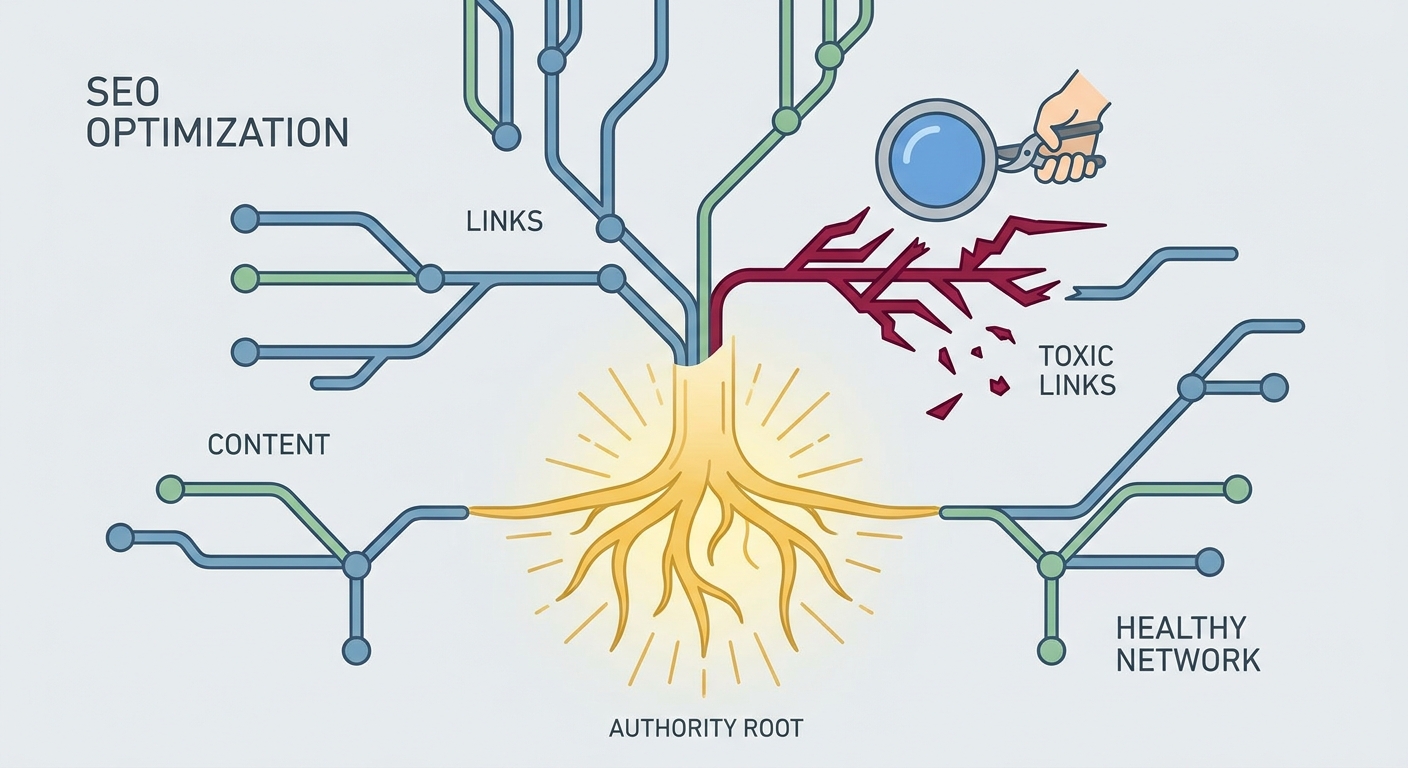
Aggressive, unnatural link velocity is a giant red flag. Your backlink profile should look like a living, breathing ecosystem, not a manufactured product.
For 2026, a healthy, natural anchor text distribution typically looks like this:
- 40% branded anchor text
- 30% generic (e.g., "click here," "this study")
- 20% keyword-rich
- 10% naked URLs
If you’re unsure where your current profile stands, it is wise to perform an SEO Strategy Audit before initiating any new campaigns. Over-optimizing your anchor text with exact-match keywords is a quick way to lose the trust you’ve worked so hard to build. Maintain a steady, consistent velocity that matches your actual content production.
Proven Tactical Blueprints for 2026
Digital PR is the heavy hitter, but tactical link building still has its place when executed with precision.
- Resource Page Outreach: Identify pages in your industry that curate "best of" lists. Don’t just ask to be included. Check if your content is genuinely better or more current than what’s currently listed. If it is, pitch the update.
- Broken Link Building: This remains a high-conversion tactic, but only if your content is a perfect topical match. If a site links to a dead 404 page that was a comprehensive guide on your topic, you have a golden opportunity to provide a superior, updated replacement.
For those looking for a broader catalog of foundational tactics, check out Backlinko’s Link Strategies.
| Feature | Old School Link Building | 2026 Authority Building |
|---|---|---|
| Strategy | Volume-based outreach | Editorial authority/Digital PR |
| Focus | Domain Authority (DR/DA) | Topical relevance/Context |
| Content | Thin, SEO-focused posts | Proprietary data/Original research |
| Goal | Link quantity | Brand reputation/Visibility |
The Path Forward
The future of link building is indistinguishable from the future of high-quality content marketing. Stop thinking about links as "points" to be scored. Start thinking about them as votes of confidence from your peers.
If your work is cited, if your data is used, and if your expertise is sought after, the links will come. Prioritize editorial standards. Cultivate real relationships with journalists. Stop chasing shortcuts. Your goal is to become an indispensable resource in your industry. When you achieve that, the link profile will take care of itself.
Frequently Asked Questions
Are backlinks still a Google ranking factor in 2026?
Yes, backlinks remain the second most important ranking signal. However, the algorithm has shifted its weight from raw volume to contextual editorial quality. A link from a trusted, relevant source acts as a vote of confidence that helps Google verify your topical authority.
What is the difference between "Link Earning" and "Link Building"?
Link earning is the practice of creating high-quality, data-driven assets that naturally attract citations and backlinks because they are genuinely useful. Link building is the proactive strategy of promoting those assets to relevant publishers to ensure they are discovered and cited.
How do I know if a website is worth getting a backlink from?
Evaluate the site based on topical relevance, editorial quality, and organic traffic growth. Avoid sites that appear to be "guest post farms" or those that lack a clear, original editorial voice, regardless of their DR/DA score.
Is guest posting still safe in 2026?
Guest posting is safe and effective when performed on high-quality, relevant platforms that curate their content and maintain high editorial standards. It becomes dangerous when you use it as a scale-based, low-effort tactic to blast your brand across irrelevant, low-quality sites.