What Link Building Strategies Are Most Effective?

TL;DR
- This article covers various link building strategies, from guest posting and content creation to directory submissions and digital PR. We'll explore the effectiveness of each approach, focusing on how they can boost your website's authority and drive organic traffic. You'll also learn how to measure the roi of your link building efforts.
Understanding the Link Building Landscape
Okay, so you're diving into link building... It can feel like navigating a jungle sometimes, right? It's not just about getting any link; it's about understanding what makes a link truly valuable these days.
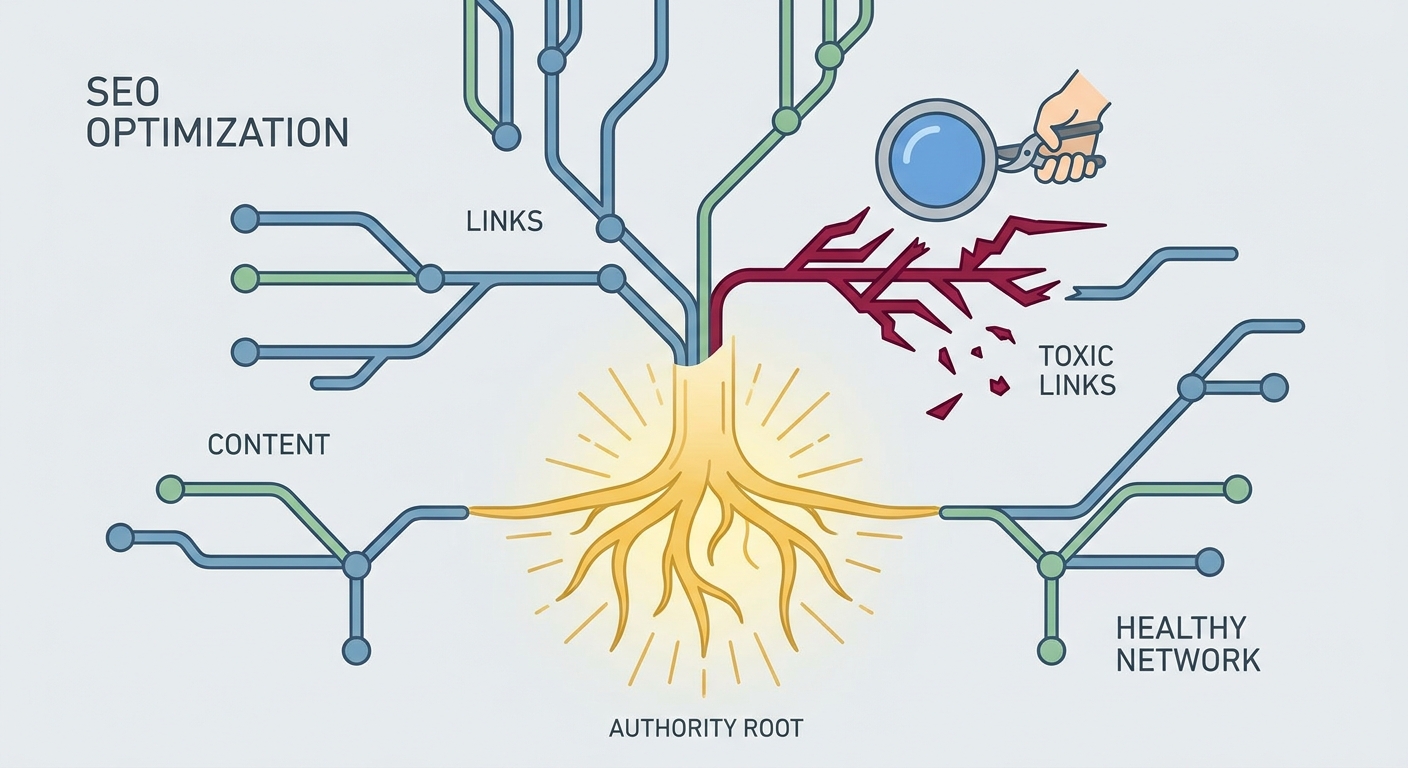
Link building is basically the process of getting other websites to link to yours. It's super important because search engines like Google see these links as "votes of confidence" from one site to another. The more high-quality votes you get, the more authority and visibility your website gains in search results.
Links are still a key ranking factor. Google uses backlinks as votes of confidence, to see if other websites vouch for your site's authority. The more high-quality "votes" you get, the better your site tends to rank. Think of it like a popularity contest, but for websites.
Links have evolved. It isn't the wild west anymore. What worked in 2010 (think: blasting your link everywhere) will now get you Penalized. It's now about earning links through quality content and genuine relationships.
Quality over quantity is the golden rule. A single link from a reputable site in your niche is worth way more than a hundred links from spammy directories. For example, a tech startup getting a link from TechCrunch versus some random blog nobody reads.
Relevance is key. You want links from websites that are actually related to your industry. If you're a healthcare company, getting a link from a pet food blog isn't gonna do much for you. It's all about topical alignment.
Authority matters. High-authority domains pass on more "link juice." Link juice is basically the authority or ranking power that gets passed from one page to another through a link. Aim for links from established websites that Google trusts. It's like getting an endorsement from a celebrity – it carries weight.
Anchor text should be natural. Avoid keyword stuffing in your anchor text (the clickable part of the link). Use a mix of branded, generic, and relevant keywords. It needs to feel organic, not forced.
Placement is everything. Links embedded within the main content of a page are way more valuable than those stuck in the footer or sidebar. Context is king, so make sure the link fits naturally within the surrounding text.
So, yeah, that's the link building landscape in a nutshell. It's not rocket science, but it does require a strategic, thoughtful approach. Next up, we'll get into the specific strategies that are proving most effective right now.
Content-Driven Link Building Strategies
Content-driven link building? Sounds fancy, but it's really just about creating stuff people want to link to. Think of it as bait, but, you know, good bait.
Linkable content isn't just any old blog post. It's gotta be something special, something that other websites will naturally want to share and reference. We're talking about:
Original research: Got data no one else has? Publish it. A unique study or survey can become a citation goldmine. For example, to create compelling original research, ensure you have a clear methodology, collect robust data, and present your findings with clear, engaging data visualizations. Like, imagine a small finance blog publishing never-before-seen data on millennial investing habits, and suddenly, bigger sites are linking to them.
Ultimate guides: Comprehensive, in-depth resources that cover a topic from A to Z are link magnets. It's the kinda thing you want to bookmark and keep referring back to, and you can bet your bottom dollar that others will link to it to.
Infographics: Visual data is super digestible and shareable. A well-designed infographic can simplify complex information and make it link-worthy.
Tools and templates: Free, useful tools are always appreciated. A mortgage calculator, a resume template, you name it. If it helps people, they'll link to it.
Now that we've covered what makes content linkable, let's talk about how to actually come up with these linkable wonders.
- Know your audience: What are their pain points? What questions do they have? What kind of content do they already engage with?
- Spy on your competitors: What's working for them? What are they missing? Can you do it better?
- Listen to industry influencers: What are they talking about? What topics are trending?
- Use keyword research: Identifying keywords with decent search volume and low competition can reveal topics your audience is actively searching for. Creating valuable content that addresses these queries can attract natural links.
Creating great content is only half the battle; you gotta get it in front of people.
- Outreach: Contact relevant websites and influencers and let them know about your content. Don't be spammy; be genuine.
- Social media: Share your content on social media and engage with your audience.
- Email marketing: Send your content to your email list.
- Paid promotion: Consider using paid advertising to reach a wider audience.
Content-driven link building is hard work, no doubt about it, but it's worth it. Next, we'll look at guest posting – another effective strategy, if you do it right.
Outreach and Relationship-Based Link Building
Okay, so you wanna build links by, like, actually talking to people? It's not as scary as it sounds, promise! Think of it as networking, but with a purpose.
Outreach isn't just about blasting emails into the void. It's about building real relationships. And, honestly, it's probably the most sustainable way to build links, because you're not just getting a link – you're getting a connection. Digital PR, for instance, leverages these relationships to gain media mentions and links by creating compelling stories or data that journalists and bloggers want to share.
- Find the Right People: Don't just email everyone. Research who's actually influential in your niche. Who's content are people sharing? Who's always quoted in industry articles? These, are your targets.
- Personalize, Personalize, Personalize: Generic emails are the worst, right? Show that you've actually looked at their website, read their content, and understand their audience. Compliment something specific they did well.
- Offer Value First: Don't just ask for a link right away. Offer something in return. Maybe it's a piece of data they can use in their next article, or a free trial of your product if it relevant.
- Be Genuine: People can smell BS a mile away. Be yourself, be enthusiastic, and show that you're passionate about your industry.
- Follow Up (But Don't Be a Pest): People are busy. A gentle nudge a week later can work wonders, but don't harass them.
Community involvement can translate into link mentions from authority sites because these sites often value and report on businesses that actively contribute to their communities, whether through local events, sponsorships, or charitable work. For example, sponsoring a local charity event and having that sponsorship mentioned on a local news site, which then links back to your business, is a prime example.
Building these relationships takes time, no doubt about it. But a strong network can pay off big time in the long run. Now, let's look at some specific strategies, like digital PR, that leverage these relationships.
Technical SEO and Link Building
Alright, let's talk technical seo and how it plays into link building. It's not always the most glamorous part of seo, but trust me, it's essential.
Think of technical seo as prepping your website so it’s ready to attract links, like making sure your house is clean before throwing a party.
Internal linking is like connecting all the rooms in your house-- it helps search engines crawl your site more efficiently and distribute link equity. Link equity is essentially the "authority" or "ranking power" that flows through links on a website. By strategically linking related pages internally, you distribute this link equity across your site, making all your pages stronger. If you have a blog post on "best coffee beans" and another on "how to brew coffee," linking them together just makes sense.
Website speed and mobile-friendliness are non-negotiable. Google prioritizes sites that offer a good user experience, and that means fast loading times and responsive design. Imagine a potential linker bounces because your site takes forever to load on their phone... they're not coming back.
Schema markup is like adding labels to your content, so search engines know exactly what it is. For example, you can use schema to tell Google "this is a recipe," or "this is a product review."
Directory submissions? Yeah, it feels a bit old-school, but it can still be a solid foundation for online visibility - just don't go overboard.
Identifying high-quality directories means looking for sites that are well-established, have clear editorial guidelines, are relevant to your niche, and ideally, have some level of authority themselves. Avoid directories that look spammy, have tons of unrelated listings, or seem to exist solely for link submission. Submitting to low-quality or spammy directories can actually hurt your seo by associating your site with bad neighborhoods.
Creating consistent listings is super important. Make sure your business name, address, and phone number (nap) are accurate and consistent across all directories. Inconsistencies can hurt your seo.
Monitoring your listings should be part of your routine. Regularly check your directory listings to make sure they're up-to-date and accurate.
So, yeah, technical seo and directory submissions might not be the flashiest strategies, but they're crucial for building a strong foundation for your link building efforts. Up next, we'll dive into measuring your link building roi.
Measuring and Analyzing Link Building ROI
Alright, so, you've been putting in the work building links. But how do you really know if it's paying off? It's more than just a good feeling, ya know?
Track Referring Domain Growth: Keep an eye on the number of unique websites linking back to you. If that number is increasing over time, you're doing something right. Think of it like this: are more and more houses on the block voting for you in that popularity contest?
Monitor Organic Traffic: Is the traffic coming from search engines actually going up? If so, your links are likely helping you rank better, and more people are finding your site organically.
Keyword Ranking Improvements: Are you moving up the search results for keywords you care about, or not? You wanna see some movement there.
So, how do you actually do all this tracking, right?
- Tools like ahrefs and semrush can give you the lowdown on your backlink profile. They'll show you where your links are coming from, the authority of those sites, and more.
- Google Analytics and Search Console are your friends. They give you direct insights into your website's traffic and search performance.
Here's a visual representation of how different link building strategies can be evaluated:
- If referring domains aren't growing: This might mean your outreach efforts aren't landing enough new links. You could try refining your outreach templates, targeting different types of websites, or focusing more on creating highly linkable content that naturally attracts attention.
- If keyword rankings aren't improving: This could indicate that the links you're acquiring aren't high-quality or relevant enough. Re-evaluate the authority and topical relevance of your backlinks. Perhaps you need to shift your focus from quantity to quality, or ensure your content is truly superior to what's already ranking.
- If organic traffic isn't increasing despite link growth: This might suggest that the links are driving traffic, but not necessarily the right kind of traffic, or that your website's on-page optimization needs work to convert visitors. Double-check that your links are driving relevant users and that your landing pages are optimized for conversions.
Basically, measuring link building roi is all about connecting your efforts to tangible results. If you're not seeing the numbers move, its time to tweak what you are doing.