Link Building in 2025 - Strategies for success, and what's ...

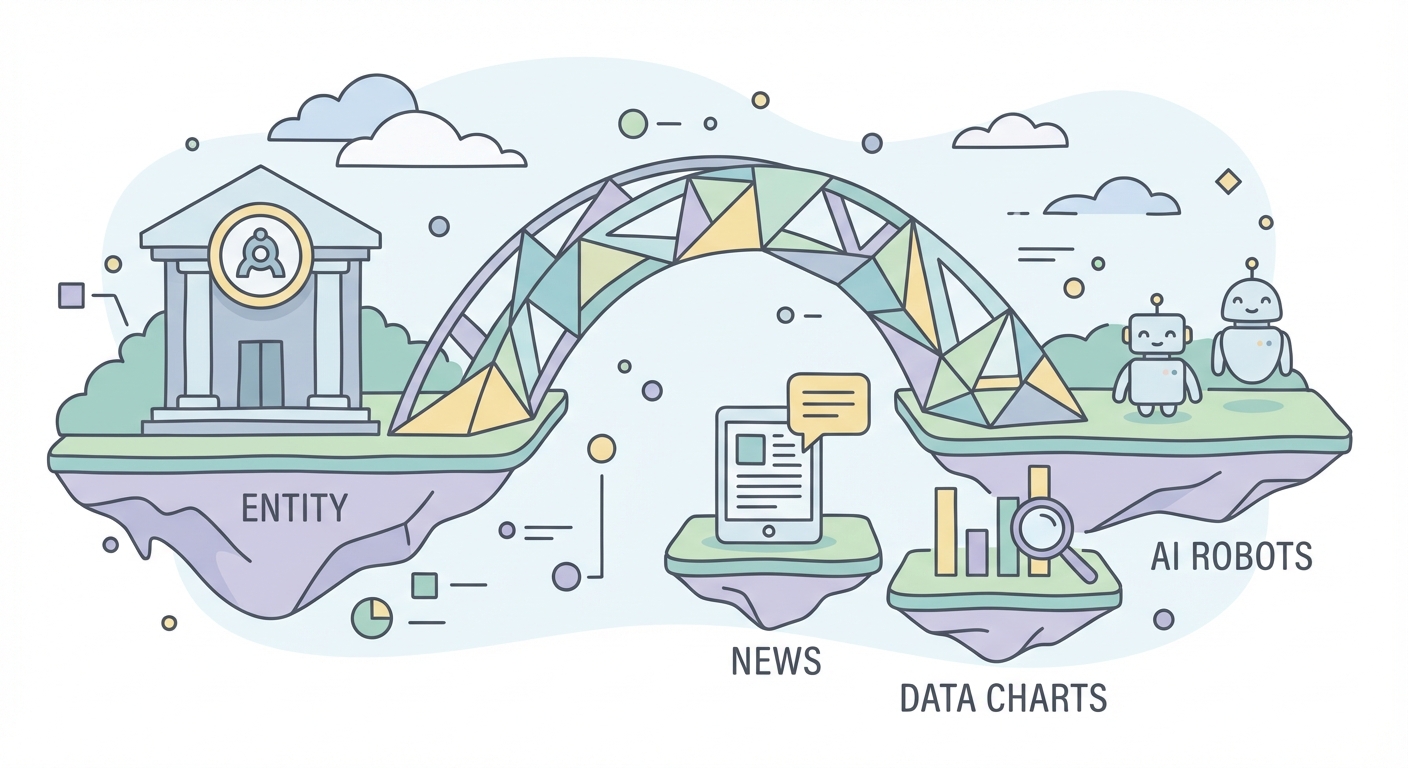
TL;DR
- Traditional guest posting is being replaced by high-authority Digital PR.
- Google now prioritizes Entity Validation and trust signals over domain metrics.
- Generative Engine Optimization (GEO) is essential for AI citation visibility.
- Niche relevance has officially become more valuable than high DA scores.
- Links now serve as critical data sources for LLMs and AI.
Link Building in 2025: Strategies for Success & What’s Coming in 2026
The "old" playbook—buying guest posts on DA50+ sites and praying for a rankings boost—isn't just outdated. It’s a liability.
If you spent the last year watching competitors get wiped off the map by core updates while you white-knuckled your way through volatility, you already know the truth: the game didn't just change. It ended. We aren't hunting for blue hyperlinks anymore. We are hunting for citations.
In the era of AI Overviews and Generative Engine Optimization (GEO), Google has stopped counting votes and started validating entities. The algorithm has mutated from a popularity contest into a complex trust engine obsessed with Entity Validation and Trust Signals.
If your backlink profile looks like a ledger of paid transactions rather than a web of genuine endorsements, you are building on quicksand. Success in 2025 demands a hard pivot to Digital PR, relevance-first acquisition, and preparing for a reality where being cited by an AI is infinitely more valuable than ranking #1.
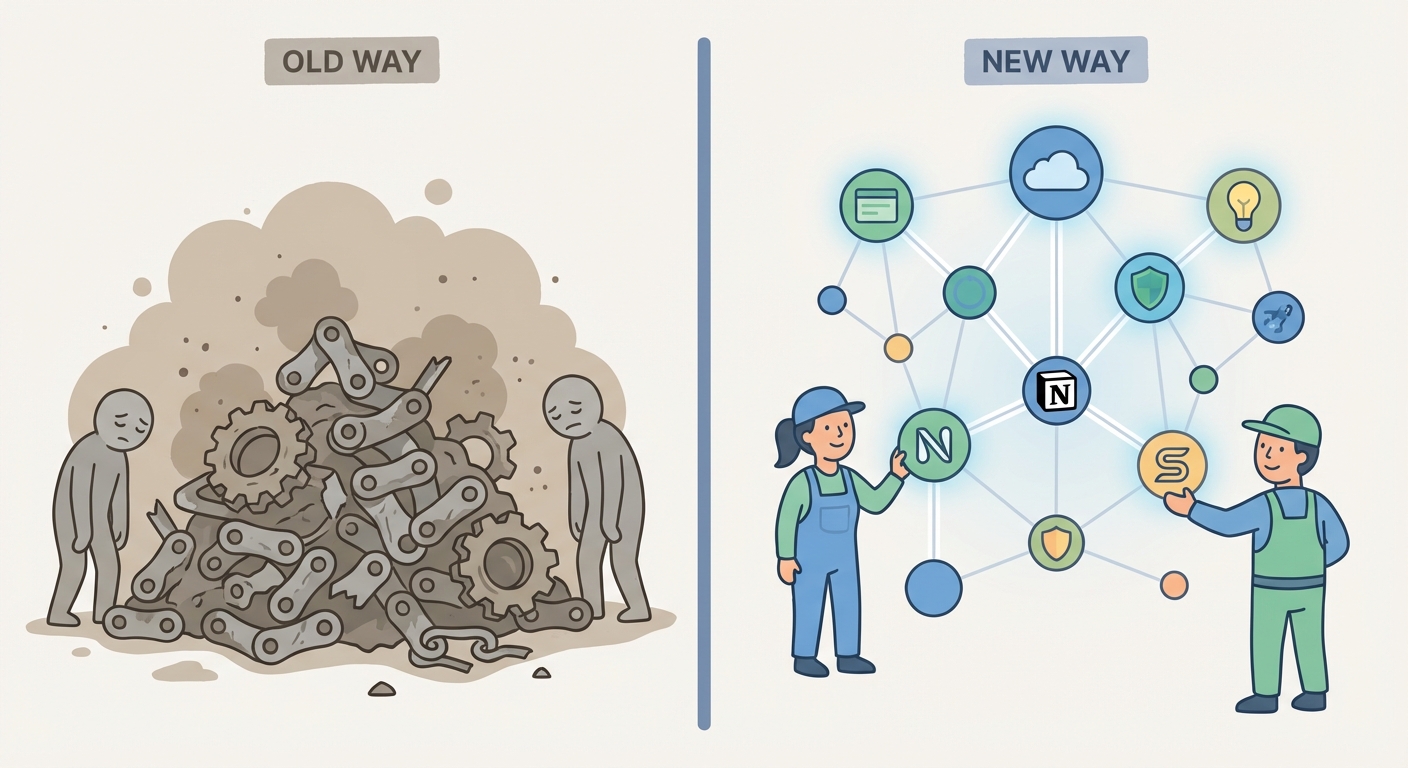
The State of the Union: How Link Building Was Terraformed
Are you still sending cold emails asking webmasters to "kindly link back" to your generic blog post? If so, you’re fighting a modern war with a musket. The landscape hasn't just shifted; it has been terraformed.
The Rise of "Generative Engine Optimization" (GEO)
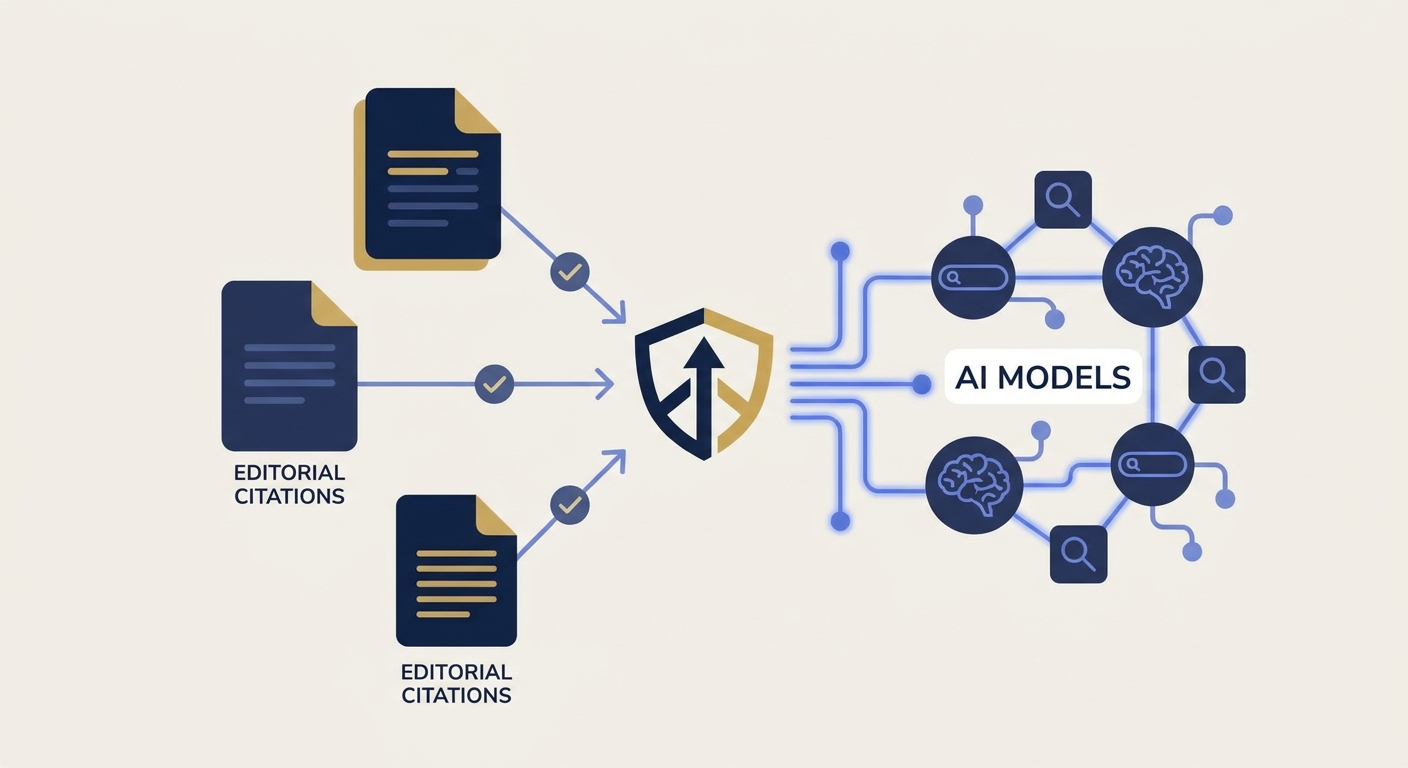
Links are now fuel for AI Overviews. When a user asks Google (or ChatGPT, or Gemini) a complex question, the engine doesn't just scan for keywords. It synthesizes an answer based on trusted sources.
Think about that. Being cited as a source in an AI answer drives higher intent traffic than a standard organic ranking ever could. Why? Because the user has already been qualified by the AI. By the time they click your citation, they aren't looking for general info—they are looking for the source of truth.
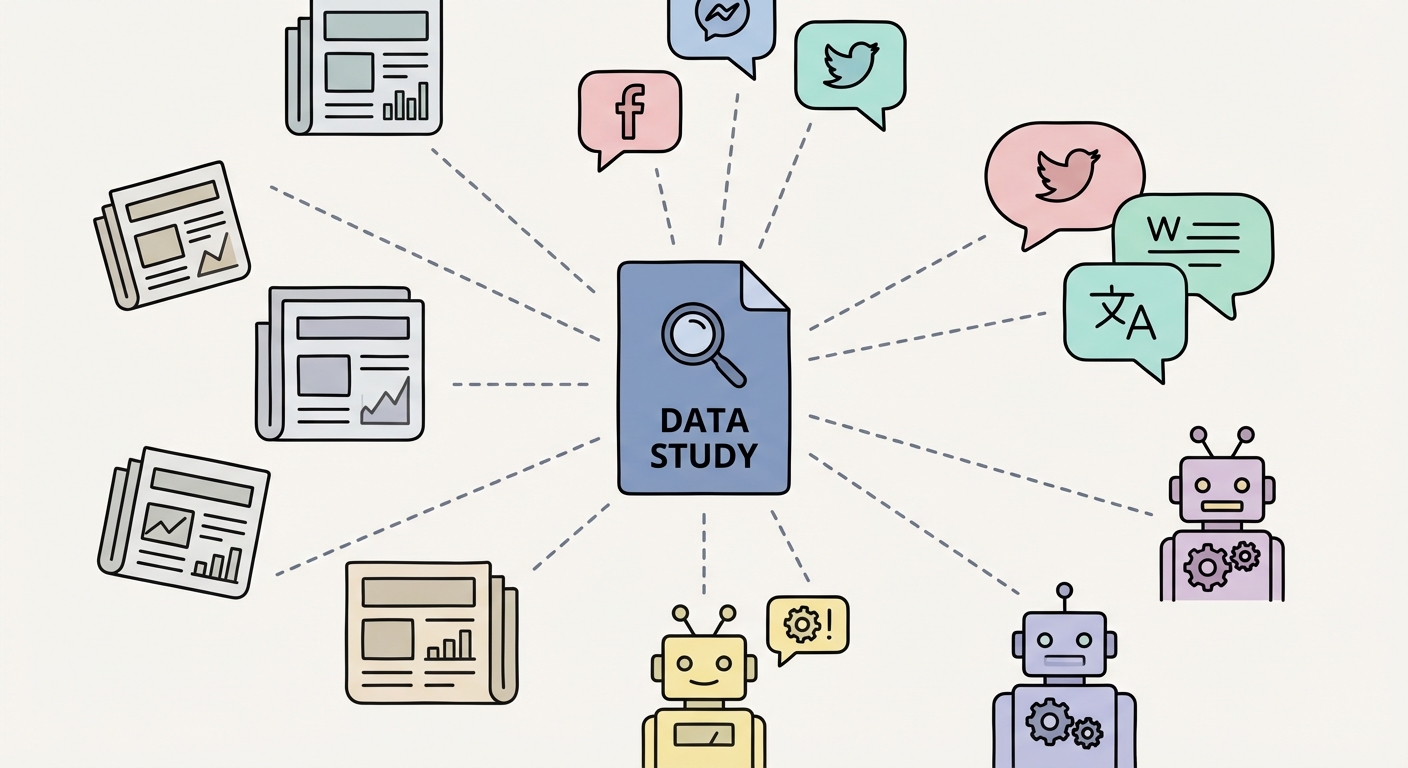
This is why Digital PR is eating traditional link building for lunch. According to FatJoe's link building stats, budgets are aggressively shifting toward Digital PR because news sites are the primary data sources for Large Language Models (LLMs).
Here is the simple math: If the New York Times or an industry-leading journal cites your data, the AI trusts you. If a random "mommy blog" links to you because you paid them $50 via PayPal, the AI ignores you.
Why "Relevance" Finally Killed "Authority"
Stop obsessing over Domain Rating (DR) or Domain Authority (DA). Seriously. Stop. These are third-party metrics that Google does not use and does not care about.
I've seen clients pass up a link from a hyper-relevant, DR30 niche blog in favor of a link from a DR70 "general news" site. That is a rookie mistake.
Topical Authority is the new currency. A link from a site that exclusively covers your specific industry carries significantly more weight than a link from a massive aggregator that writes about crypto, gardening, and CBD oil on the same Tuesday.
Google’s semantic understanding is too advanced to be fooled by raw power metrics. It wants context. It wants to know that the relationship between the two sites makes sense. If the connection isn't logical, the link is worthless.
What to Avoid: The "Toxic" Tactics of 2025
The quickest way to burn your site to the ground in 2025 is to use the playbook from 2023. Google has been handing out manual actions like Halloween candy, and the targets are obvious.
The End of "Site Reputation Abuse" (Parasite SEO)
For years, SEOs exploited a massive loophole called "Parasite SEO." They would rent a subfolder on a high-authority news site (like a major newspaper) and fill it with "Best CBD Gummies" or "Best Casino" content. The goal? Piggyback on the newspaper's authority to rank for competitive terms without doing any real work.
That party is officially over.
Google’s March 2024 updates introduced a specific policy against Site Reputation Abuse. As detailed on the Google Search Central Blog, this practice is now a primary target for spam removal. If you are relying on "renting" authority rather than building it, you are sitting on a ticking time bomb. This isn't just an algorithmic devaluation; it's a kill switch for rankings.
Is Guest Posting Dead?
Let’s be nuanced here. "Scaled" guest posting is dead. Buried. Gone.
The "spray and pray" method of blasting 500 emails to sites that have "Write for Us" pages is a waste of budget. These sites are often link farms in disguise—zombie sites that exist solely to sell links.
How do you spot them?
- They have no topical focus.
- They publish 10 articles a day on 10 different topics.
- They sell links openly on marketplaces.
However, relationship-based guest posting is very much alive. Contributing a high-value, expert article to a respected industry publication is still one of the best ways to build authority. The difference is intent. Are you writing to educate an audience, or are you writing to get a dofollow link? Google knows the difference.
You need to run every potential partner through a strict filter. Referencing Google's spam policies on "scaled content abuse" can save you from a penalty.
Use this decision logic before you pitch:
The 3 Core Strategies for Success in 2025
So, if we can't buy links and we can't spam guest posts, what do we do? We build entities. Here are the three strategies that are actually moving the needle right now.
1. Digital PR & Data-Led Stories
This is the "safe" scalable method. Instead of begging for links, you create something journalists need to cite.
The strategy is simple but labor-intensive: run a survey, scrape public data, or analyze your own internal data to find an interesting trend. Then, pitch that story to journalists. When they cover the story, they cite you as the source.
These links come from Tier-1 media (Forbes, NYT, Industry Journals) which are impossible to fake. You cannot buy these. You have to earn them.
However, this strategy fails without linkable assets. If you don't know how to create data-driven content, you need to look at your Content Marketing strategy first. You can't pitch a story if you don't have a story.
2. The "Niche Edit" (Snipe) Approach
This is my favorite tactic for quick wins. A "Niche Edit" (or link insertion) involves finding an existing article on a relevant site that is already aged, indexed, and receiving traffic.
You reach out to the editor and suggest an addition to the article—a paragraph of genuine value that happens to include a citation to your resource.
Why does this work better than a new guest post? Because the page already has authority. It’s already trusted by Google. A link from a page that has been live for three years and has its own backlinks passes "link juice" almost instantly. A new guest post might take months to gain traction.
3. Entity Building & Unlinked Mentions
Treat your brand as an "Entity" in the Knowledge Graph. Sometimes, people are already talking about you, but they aren't linking to you.
Use tools to scan the web for mentions of your brand name, your proprietary products, or your key executives. Reach out to the authors and say, "Thanks for the mention! Would you mind linking that to our official page so your readers can find the original source?"
It’s high-conversion outreach because they have already acknowledged you. You aren't selling anything; you are just closing the loop.
The "AI Citation" Playbook: Optimizing for 2026
We need to stop thinking about 2025 and start preparing for 2026. The future isn't just search; it's answer generation.
To get picked up by ChatGPT, Gemini, or Claude, you need to format your content for machines, not just humans.
- Use Data Tables: AI loves structured data. If you have a comparison, put it in a table.
- Provide Direct Answers: Don't bury the lead. If the H2 is "What is the cost of link building?", the first sentence should be "The cost of link building ranges from..."
- Cite Primary Sources: Be the hub that connects to other trusted nodes.
The Role of Nofollow: Here is a hard truth: "Nofollow" links matter. While they don't pass traditional PageRank, they act as massive trust signals. A nofollow link from Wikipedia or a YouTube video description tells the AI, "This entity is real and active." If your link profile is 100% "dofollow," it looks manipulated. A natural profile has noise. Embrace the noise.
Budget & Execution: What Does High-Quality Link Building Cost?
Let's talk about the elephant in the room: Money.
If you are paying $50 per link, you are buying spam. Period. The reality check for 2025 is that high-quality links are expensive because they are labor-intensive. A single high-quality link often costs $500+ or requires 20+ hours of outreach labor.
You aren't just paying for the link. You are paying for the strategist, the content creator, the prospector, and the relationship manager.
According to a BuzzStream industry report, the time investment for manual outreach has only increased as webmasters get bombarded with AI-generated spam emails. Response rates are down, which means the effort required to get a "Yes" is up.
Outsourcing vs. In-House: You have a choice. You can build an internal team (which requires hiring, training, and tools), or you can hire an agency. If you lack the internal resources to execute a complex Digital PR campaign, managed link building services are often more cost-effective than building a department from scratch. Just ensure the agency focuses on relevance, not just volume.
The Foundation: Audit Before You Build
Imagine building a luxury penthouse on a crumbling foundation. That is what happens when you build great links to a site with a toxic history.
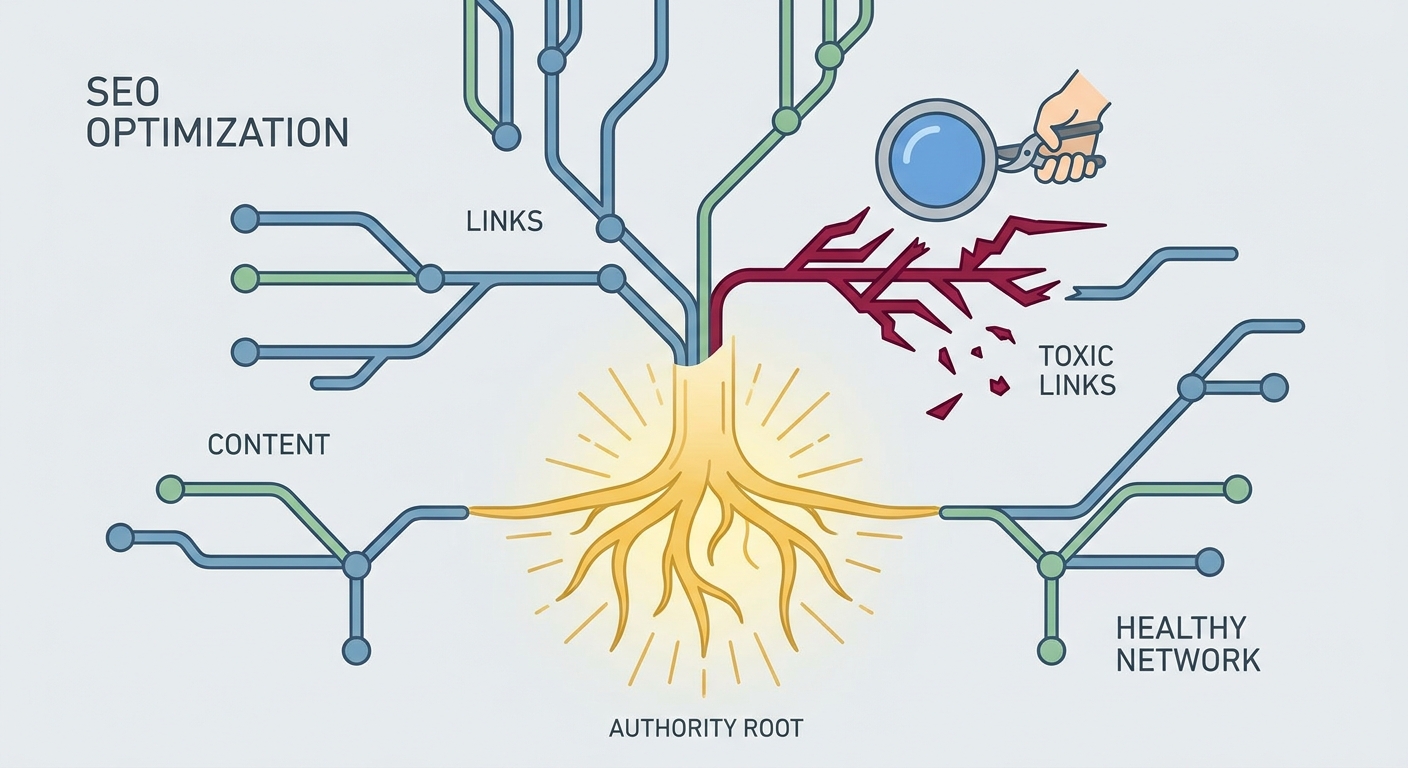
Before you spend a dime on new links, you must conduct a Toxic Link Audit. If you have old, spammy links from the "wild west" days of SEO (directory spam, comment spam, PBNs), you need to disavow them. With Google's new spam policies, these aren't just ignored; they can actively drag you down.
Ensure your link profile is clean with a comprehensive SEO audit before starting a new campaign. You need to stop the bleeding before you can heal the patient.
Summary: The Future of Link Building (2026 Prediction)
The term "Link Building" is going to fade. It carries too much baggage. By 2026, we will be talking about "Authority Management" and "Digital PR."
The algorithm is getting closer to human intuition every day. If a human wouldn't click the link, the algorithm won't value it. The future belongs to those who build relationships, not just backlinks. Focus on being the authority in your space, and the links will follow—not as the goal, but as the inevitable result of being excellent.
FAQ: Common Questions on Link Building
1. Is guest posting dead in 2025? No, but "scaled" guest posting on irrelevant sites is. Focus on high-quality contributions to niche-relevant blogs where you can actually provide value to the reader.
2. Do "nofollow" links help with AI Overviews? Yes. While they don't pass "link juice" in the traditional sense, they act as trust signals and traffic drivers, which AI models use to verify entity authority and relevance.
3. How does Google's "Site Reputation Abuse" policy affect me? It means you can no longer "rent" space on high-authority news sites for quick rankings. This strategy now carries a high risk of manual penalties and should be avoided entirely.
4. What is the most important metric for backlinks now? The organic traffic and topical relevance of the linking page, not just the Domain Rating (DR) of the homepage. A link from a page with zero traffic is worth zero value.
5. How many links do I need to rank in 2025? It's about quality, not quantity. One link from a high-traffic, relevant industry leader is worth 100 links from generic directories. Stop counting links and start counting relationships.