Link Building Strategies and Tactics That Still Work in 2025

TL;DR
- Shift from link quantity to the 'Public Receipt' authenticity model.
- Avoid sudden link velocity spikes to prevent triggering spam filters.
- Digital PR and data-led storytelling are the top 2025 tactics.
- Focus on verifiable proof of real-world relationships and authority.
Let’s be real. Link building in 2025 isn't just harder; it’s a bloodbath.
If you are still blasting out 500 cold emails begging for a "guest post" on a site that clearly exists only to sell links, stop. You aren't just wasting time. You are actively painting a target on your back for Google. The era of "spray and pray" outreach is dead. Buried. Gone.
Here is the stat that keeps SEOs up at night: 95% of all pages on the web have zero backlinks.
If you want your site to inhabit that elite 5% that actually ranks, relying on luck or dusty 2023 tactics won't cut it. The algorithm has evolved. It doesn't just count "votes" anymore. It looks for "Public Receipts"—verifiable proof that your website is a legitimate entity participating in the real world.
This isn't about tricking a robot. It's about convincing a highly sophisticated AI that you matter. We are going to strip away the fluff and look at the only strategies that actually move the needle right now: Digital PR, the new age of AI Overview optimization, and the passive link magnets that work while you sleep.
The "New Rules" of Link Building in 2025
Google’s "SpamBrain" updates were an extinction event for lazy SEOs. The engine stopped looking at how many links you have and started obsessively analyzing who is linking to you.
The shift is subtle but violent: we have moved from an economy of "Votes" to an economy of "Authenticity."
The "Public Receipt" Mental Model
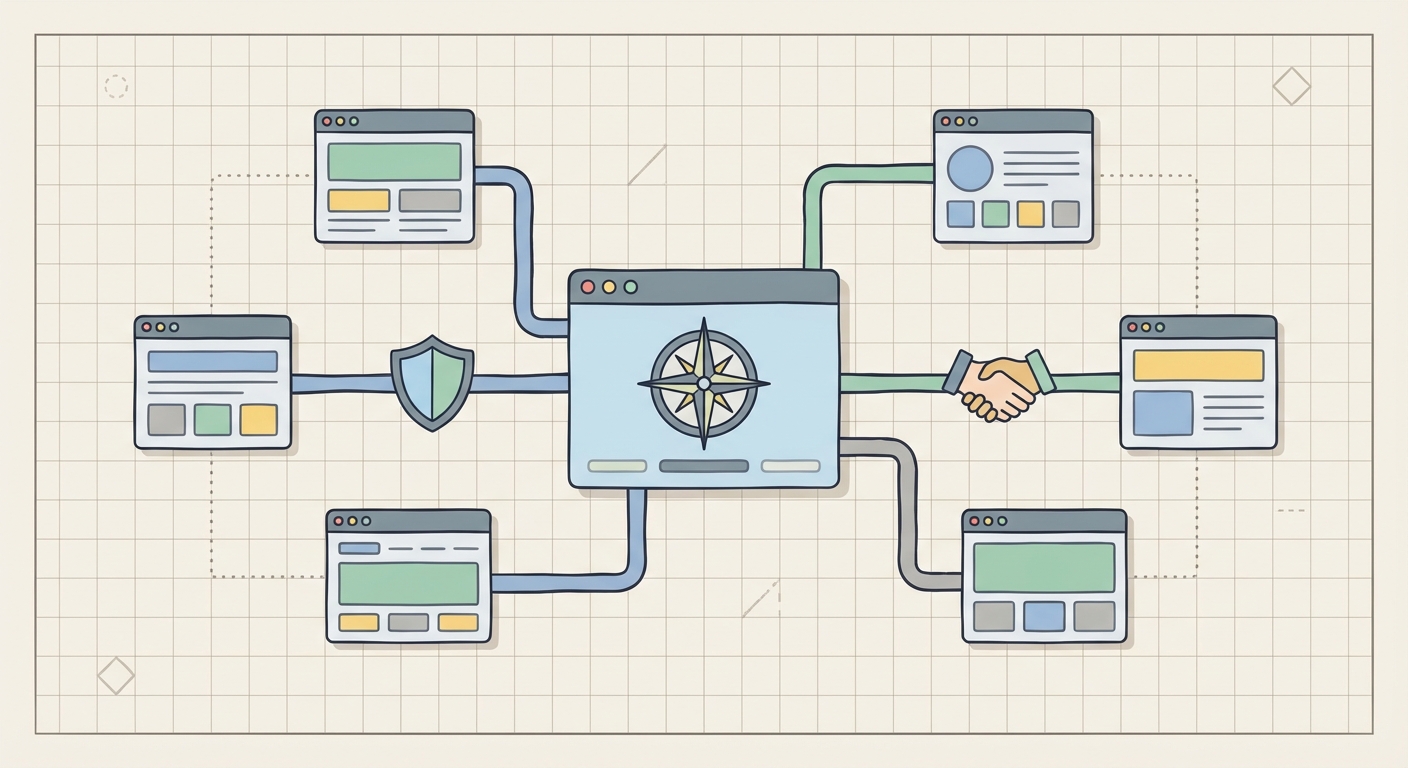
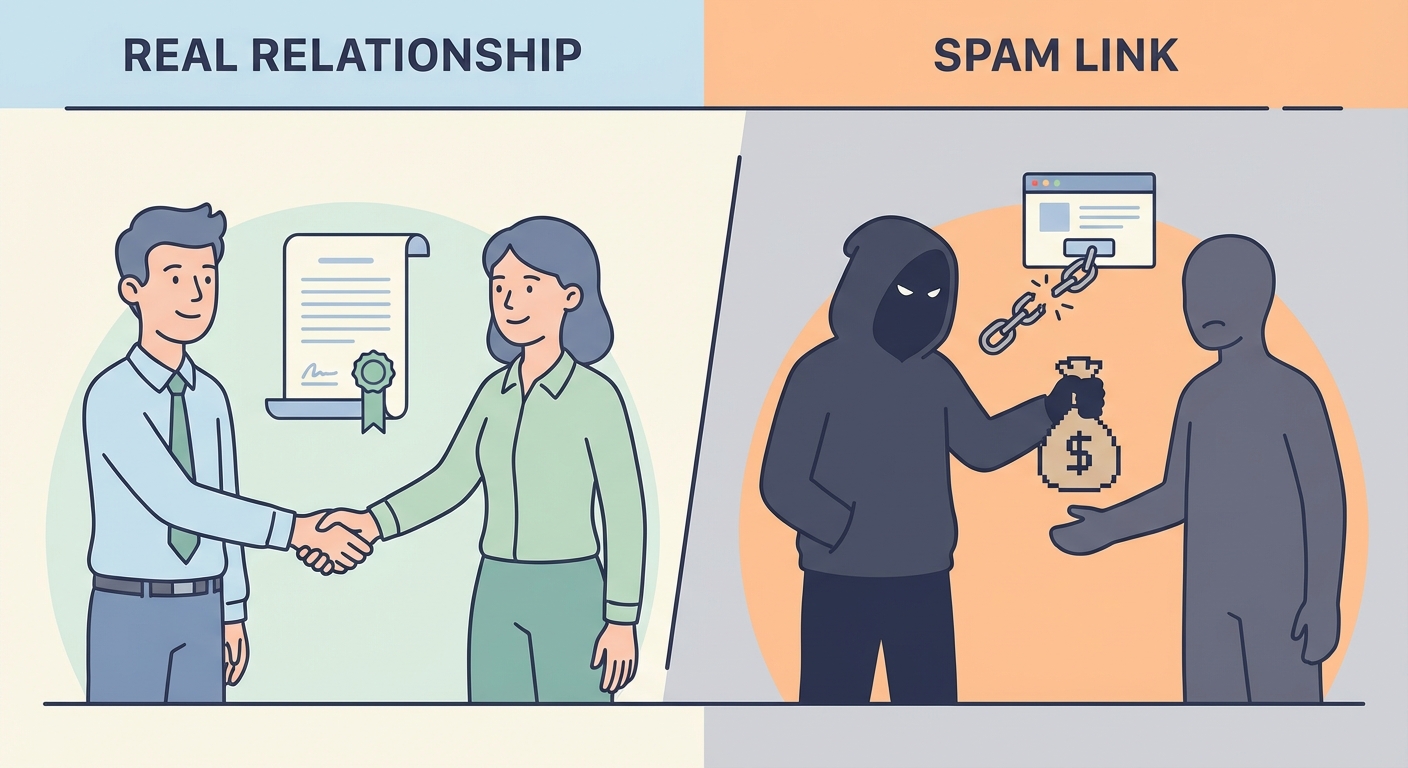
Stop thinking of a backlink as a vote. Think of it as a Public Receipt.
In the real world, a receipt proves a transaction occurred. A handshake proves a meeting happened. A citation in a research paper proves you contributed knowledge. In the digital world, a link is the receipt of a real-world relationship.
Think about it. If a local bakery in Ohio suddenly gets 500 links from "Tech Crypto Blogs" in Russia, does the math check out? No. A reasonable person wouldn't expect that relationship to exist.
Google’s AI now mimics that "reasonable person." If the link doesn't look like a receipt for a genuine interaction, it gets devalued. Or worse, it flags your site for manual review.
Velocity is a Trap
The fastest way to kill your rankings in 2025? A spike in link velocity.
If your site has been dormant for three years and suddenly acquires 50 links in a week, you haven't "gone viral"—you've triggered a spam filter. The winners in this landscape play the long game. Slow, steady, consistent acquisition always beats the sugar rush of a link blast.
Strategy 1: Digital PR and Data-Led Storytelling
There is a reason why 48.6% of SEO experts now rate Digital PR as their top tactic. It is the only strategy that scales safely.
When you earn a link from a massive publication like The New York Times or an industry giant like HubSpot, you aren't just getting "link juice." You are getting a stamp of approval that no spam update can touch.
The "Newsjacking" Approach
Journalists are starving for data. They have tight deadlines, demanding editors, and a desperate need for a "hook" to make their stories credible.
You provide that hook.
This doesn't require a five-figure budget. It requires original data. You can run a survey, scrape public records (like census data), or analyze trends in your industry.
For example, if you are in the HR space, don't write "Why Remote Work is Good." Boring. Instead, publish "The 2026 Remote Work Report: Why 40% of Gen Z is Returning to the Office."
That is a headline a journalist can use. They cite you as the source. You get the link.
However, this strategy hinges on having something worth linking to. You cannot pitch thin content. You need to focus on creating a content strategy that prioritizes "linkable assets"—pages designed specifically to hold data that others want to cite. We have seen this exact approach drive massive authority gains in our own Digital PR case studies.
Strategy 2: Leveraging Unlinked Mentions for AI Visibility
Here is the gap most SEOs are missing: The blue hyperlink isn't the only thing that matters anymore.
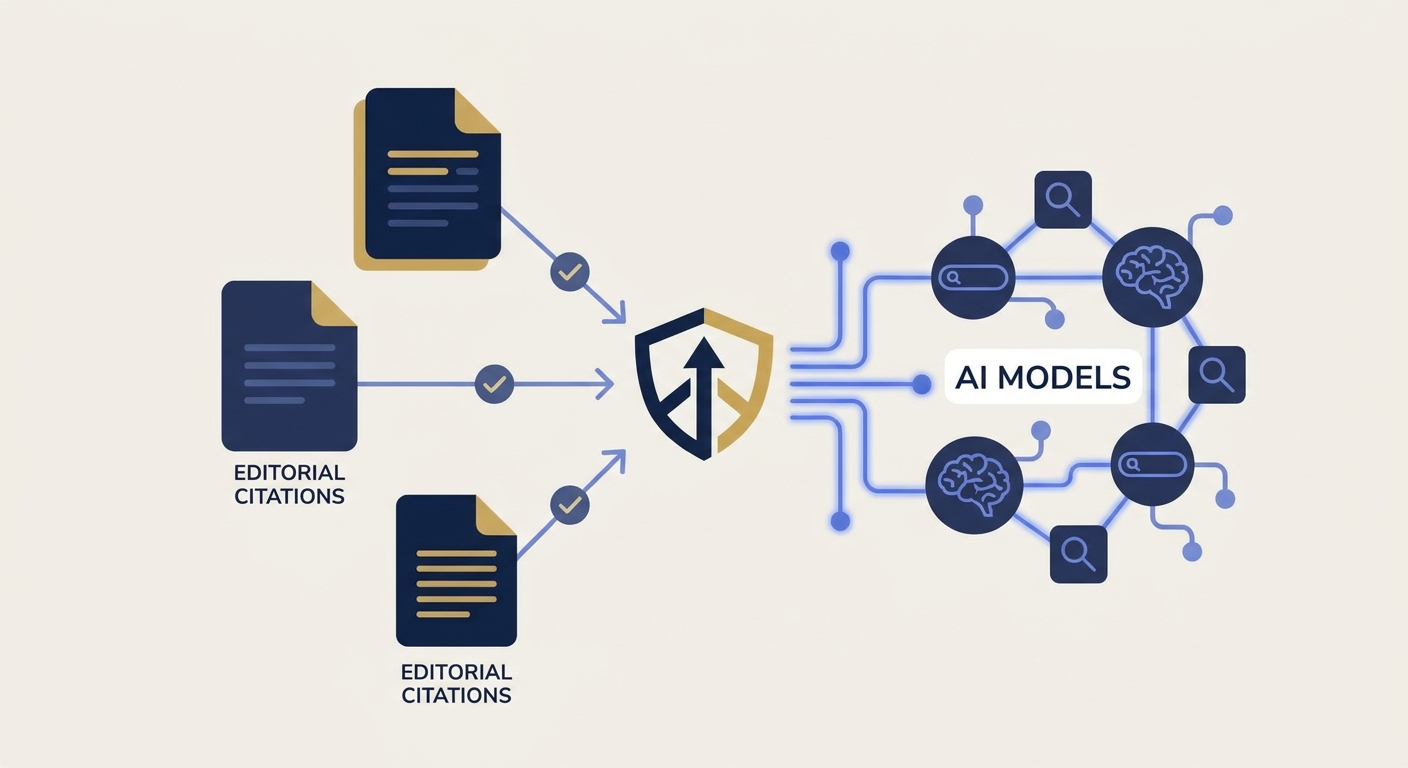
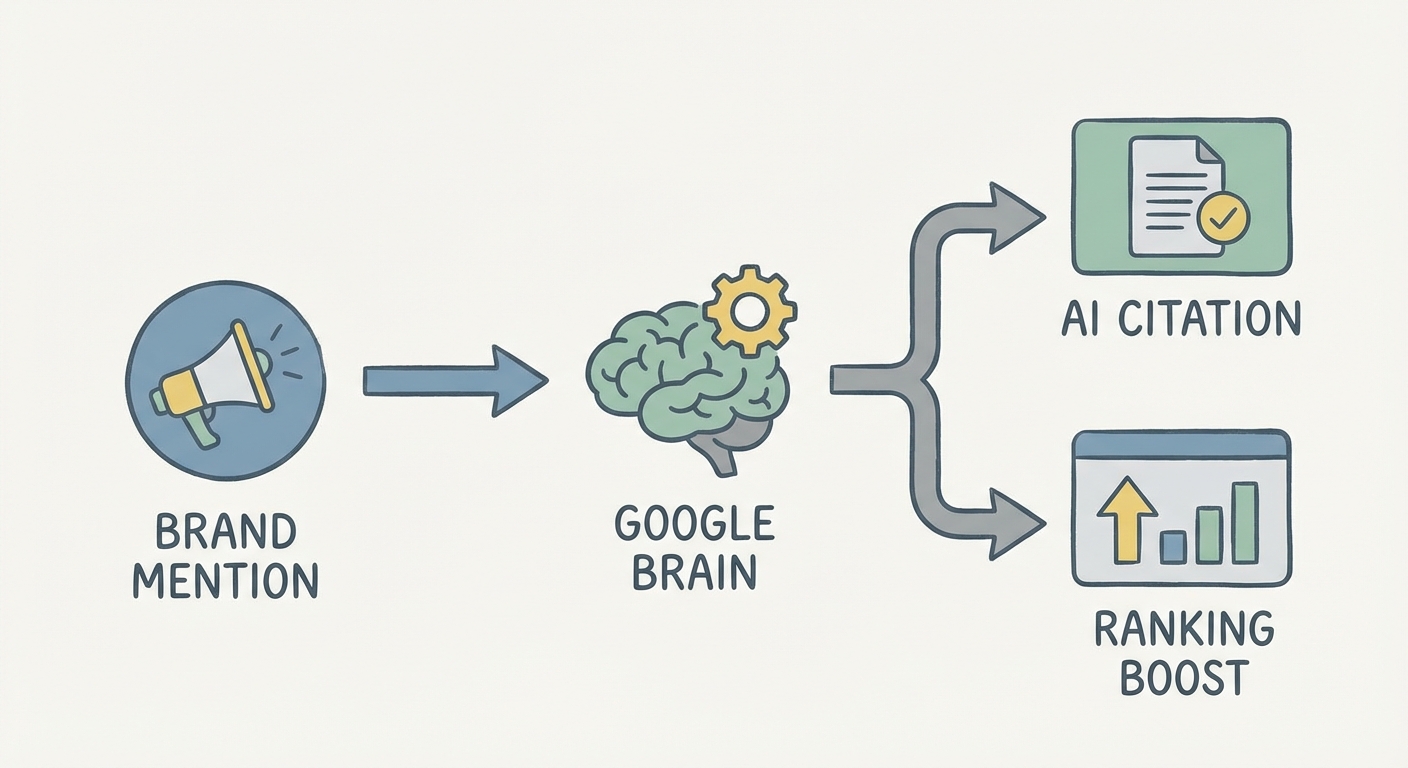
With the dominance of Google’s AI Overviews (formerly SGE), the Knowledge Graph is king. Google’s AI reads the entire web. When a high-authority site mentions your brand—even if they don't hyperlink it—the AI sees it. It associates your brand entity with the topic.
The "Dual Threat" Tactic
You need to aggressively hunt down these unlinked mentions. Tools like Ahrefs, Talkwalker, or even simple Google Alerts can notify you whenever your brand name appears online.
When you find a mention without a link, reach out. But don't beg for SEO juice. Frame it as a user experience fix:
"Thanks for mentioning us! I noticed you didn't link to the source, which might make it hard for your readers to find the data you referenced. Here is the link if you want to add it."
This is a dual threat. If they add the link, you get the ranking boost. If they don't, you still have the citation feeding the AI Knowledge Graph, which is critical for showing up in AI-generated answers.
Strategy 3: Relationship-First Tactics (Beyond Cold Email)
Cold email outreach has a conversion rate that rounds down to zero. The inbox is a war zone. To win, you have to bypass the inbox entirely and build a relationship first.
Podcast Guesting: The "New Guest Post"
Traditional guest posting is exhausted. Editors are tired of pitching. Podcast hosts, however, are desperate for guests.
Being a guest on a relevant industry podcast is the highest-ROI use of your time in 2025.
- The Link: Almost every podcast has "Show Notes" on their website. They link to their guest’s home page and social profiles. These are high-authority, contextual links.
- The Content: You get 45 minutes of audio content you can repurpose into blog posts, social clips, and newsletters.
- The Relationship: You spend an hour talking to an influencer in your niche. That relationship is worth ten cold emails.
The Reciprocal Linking Myth
Let's kill this zombie idea right now: linking back to someone who linked to you will not get you penalized.
In the natural web, friends link to friends. Partners link to partners. It is abnormal not to link back to people you work with. Ahrefs’ study on reciprocal links proved definitively that reciprocal linking is common among the top-ranking pages on the internet. As long as it’s not a "link scheme" (I link to you only if you link to me), it is perfectly safe.
Strategy 4: Passive Link Magnets (Tools & Stats)
The best link building strategy is the one where you don't build the links at all. You earn them while you sleep.
Interactive Assets > Text
People love linking to tools. A "Mortgage Calculator," a "Schema Markup Generator," or a "Pixel-to-Rem Converter" will earn 3x more backlinks than a 2,000-word guide on the same topic.
Why? Because tools are useful. They solve a specific problem. Other bloggers link to them because it adds value to their readers.
The "Stat Page" Strategy
If you don't have the dev resources to build a tool, build a Stat Page. Curate the most up-to-date statistics for your industry into a single, well-formatted page.
- "Email Marketing Statistics 2025"
- "SaaS Churn Rates by Industry"
When a blogger is writing an article and needs a stat to back up their point, they search for it. If your page ranks, they grab the stat and cite you as the source. It is the path of least resistance for them, and the path of highest return for you.
Strategy 5: Link Reclamation (The Quickest Win)
This is the low-hanging fruit you are leaving to rot. Link reclamation is about fixing what is already yours.
- Broken Backlinks (404s): Other sites link to pages on your site that no longer exist. You moved content or deleted a product, and now that "link juice" is hitting a 404 wall. Run a crawl, find these 404s, and 301 redirect them to the most relevant live page. You instantly reclaim the authority.
- Image Reclamation: If you create custom graphics or infographics, people will steal them. Use Google Lens or a reverse image search tool to find sites using your art without credit. A polite email asking for attribution usually works.
Outreach Templates That Actually Convert
Most outreach emails scream "Delete me." They are long, sycophantic, and clearly automated.
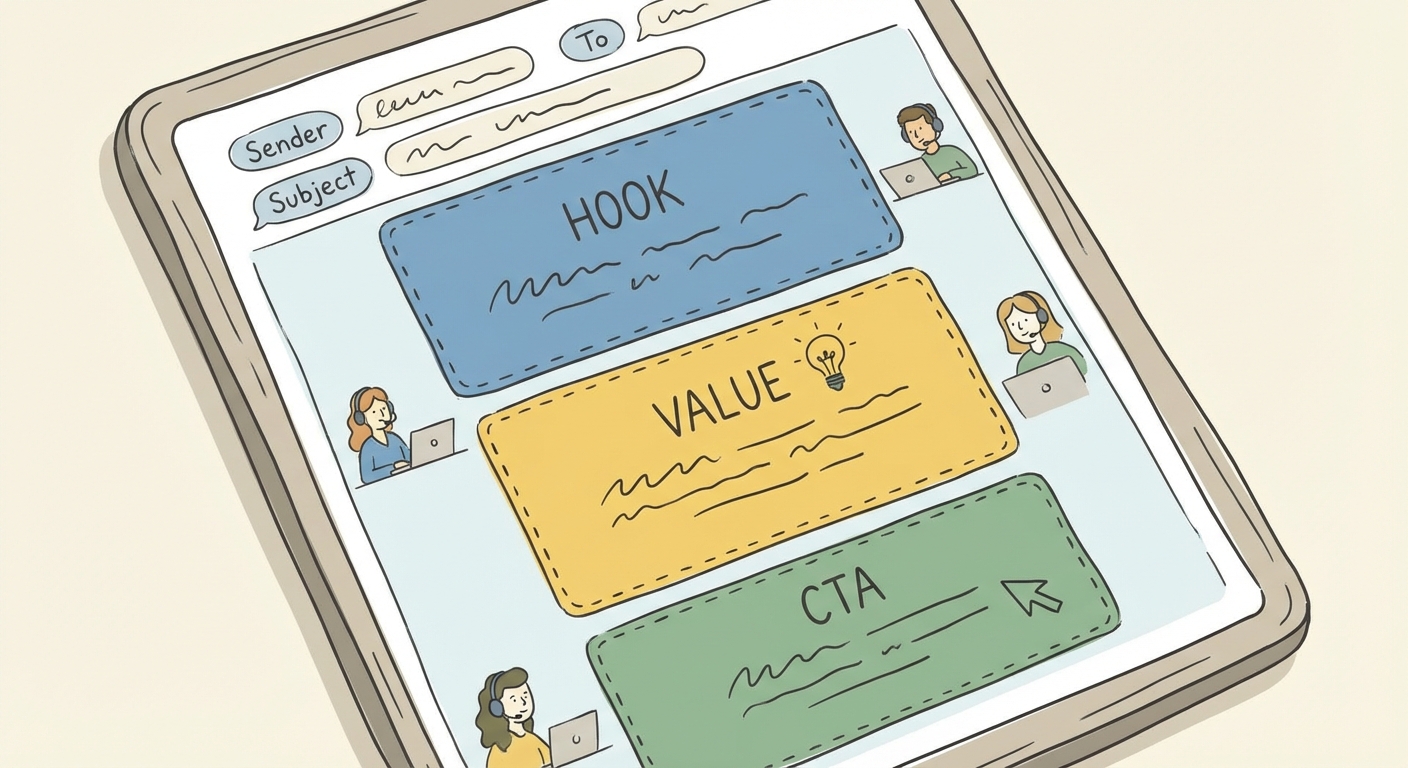
The "Anti-Template" approach is about brevity. Respect the recipient's time.
The Script:
Subject: Quick question re: [Topic]
Hi [Name],
I was researching [Topic] and saw you mentioned [Data Point] in your recent article. Great find.
We actually just published a new dataset that updates those numbers for 2025. It might be a useful addition for your readers so they have the current stats.
Here is the link: [Link]
No pressure either way, just thought it added value.
Best, [Your Name]
Notice what is missing? No fake flattery ("I loved your post!"). No begging. Just value delivery.
What to Avoid: The "Danger Zone"
The line between aggressive SEO and "Black Hat" spam is thinner than ever.
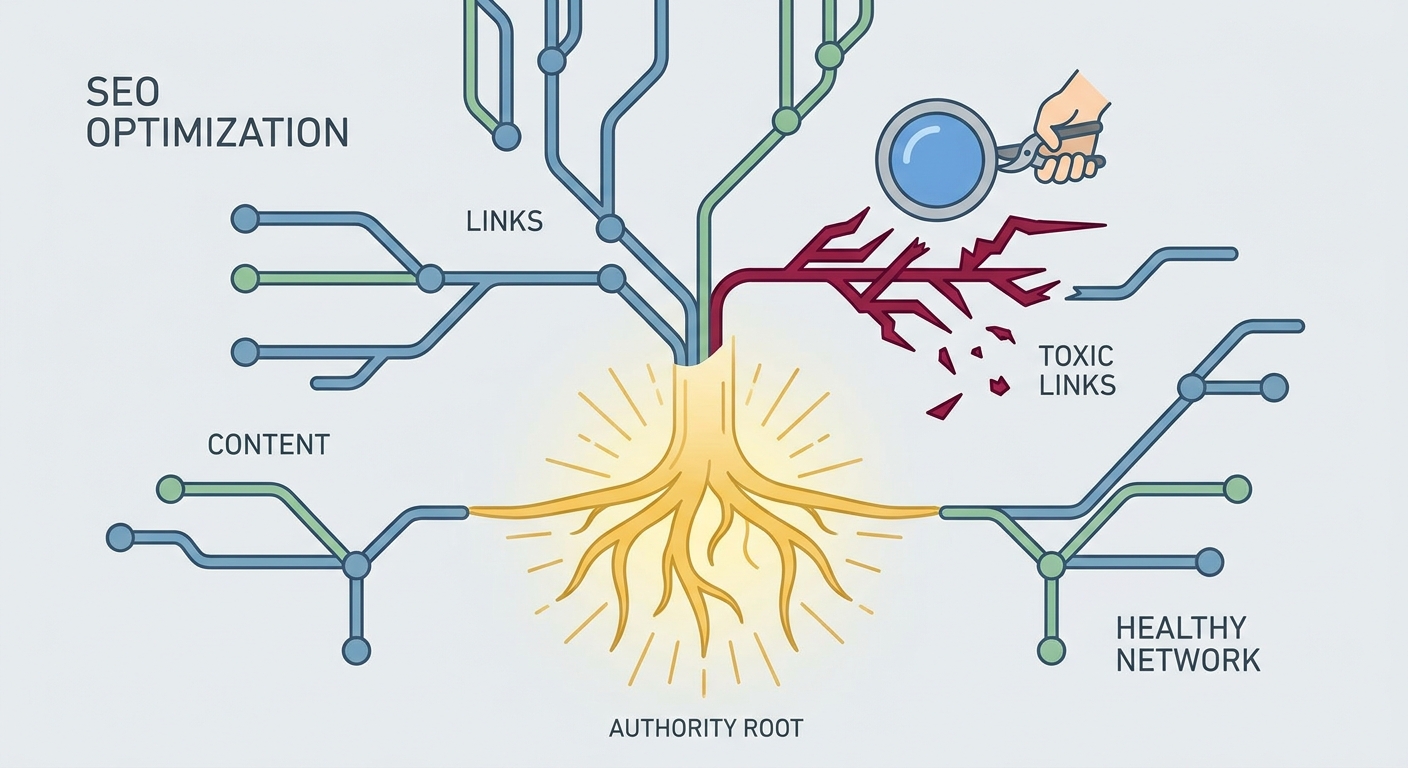
Avoid Private Blog Networks (PBNs) like the plague. These are networks of fake sites built solely to link out. Google’s ability to detect network patterns is terrifyingly good. Once a PBN is burned, every site it linked to gets flagged.
Also, be wary of "Guest Post Farms." If a site has a "Write for Us" page in the main navigation and covers every topic from "Crypto" to "Gardening," it is a farm. A link from there is toxic.
Google is not ambiguous about this. Google’s Spam Policies explicitly state that any tactic meant to deceive ranking systems can lead to removal. If you have to ask "will this get me banned?", the answer is probably yes.
Conclusion
The game has changed. In 2025, link building is no longer about brute force; it is about precision and provenance.
You need to ask yourself a simple question before you send a single email: "How do I give a publisher a genuine reason to cite me?"
If you can answer that with data, tools, or unique insight, the links will follow. If you can't, no amount of outreach will save you.
For those just starting, Moz’s Beginner’s Guide to Link Building remains the gold standard for understanding the fundamentals. But if you already know the theory and simply lack the time to execute high-level Digital PR or relationship building, our team provides managed link building services to handle the heavy lifting for you.
FAQ
Does guest posting still work in 2026? Yes, but the bar is higher. Guest posting only works on sites with real traffic and engaged audiences. If you are posting on "content farms" that exist just to sell links, you are doing more harm than good.
How many backlinks do I need to rank? There is no magic number. It depends entirely on your competition. Perform a "Gap Analysis" of the top 3 results for your target keyword. If they have an average Domain Authority of 60, you need to aim for that tier of authority, not just a raw number of links.
Are AI-generated articles good for link building? Generally, no. Publishers want unique human insights and original data. AI content is viewed as "commodity content"—it’s generic and rarely attracts natural links because it doesn't offer anything new.
What is the safest link building strategy? "Passive Link Building" is the safest. By creating high-value assets like data studies, calculators, or free tools, you aren't asking for links; you are earning them naturally because your content provides utility.