Our 10 Best Link Building Strategies and Why They Work

TL;DR
- Shift from high-volume backlinks to high-precision, authoritative citations.
- Focus on E-E-A-T to satisfy AI models and search algorithms.
- Use Digital PR and original data to earn passive links.
- Quality and relevance now outweigh total backlink quantity for ranking.
- Strategies for becoming a cited source in AI-driven search results.
Stop listening to the gurus telling you to blast thousands of emails to rank on Page 1. The math has changed. Recent data shows the median number of backlinks for top-ranking pages is often just 13.
Thirteen. That’s it.
In 2026, the game isn't about volume. It’s about precision. It's about being a "cited source." If you’re still spraying generic templates to thousands of webmasters and praying for a 1% conversion rate, you’re playing a game that ended five years ago.
The strategies that actually move the needle today focus entirely on Authority and Trust (E-E-A-T). You need Google’s algorithms—and the new wave of AI Overviews (AIOs)—to recognize you as a legitimate entity worth referencing.
We’re stripping away the fluff. No spammy tactics. No black hat risks. Here are the 10 strategies that build genuine authority.
Why Link Building is Different in 2026
To pick the right strategy, you have to understand the shift in the ecosystem. For two decades, a link was a "vote." The more votes you had, the more popular you were.
Today? A link is a "citation."
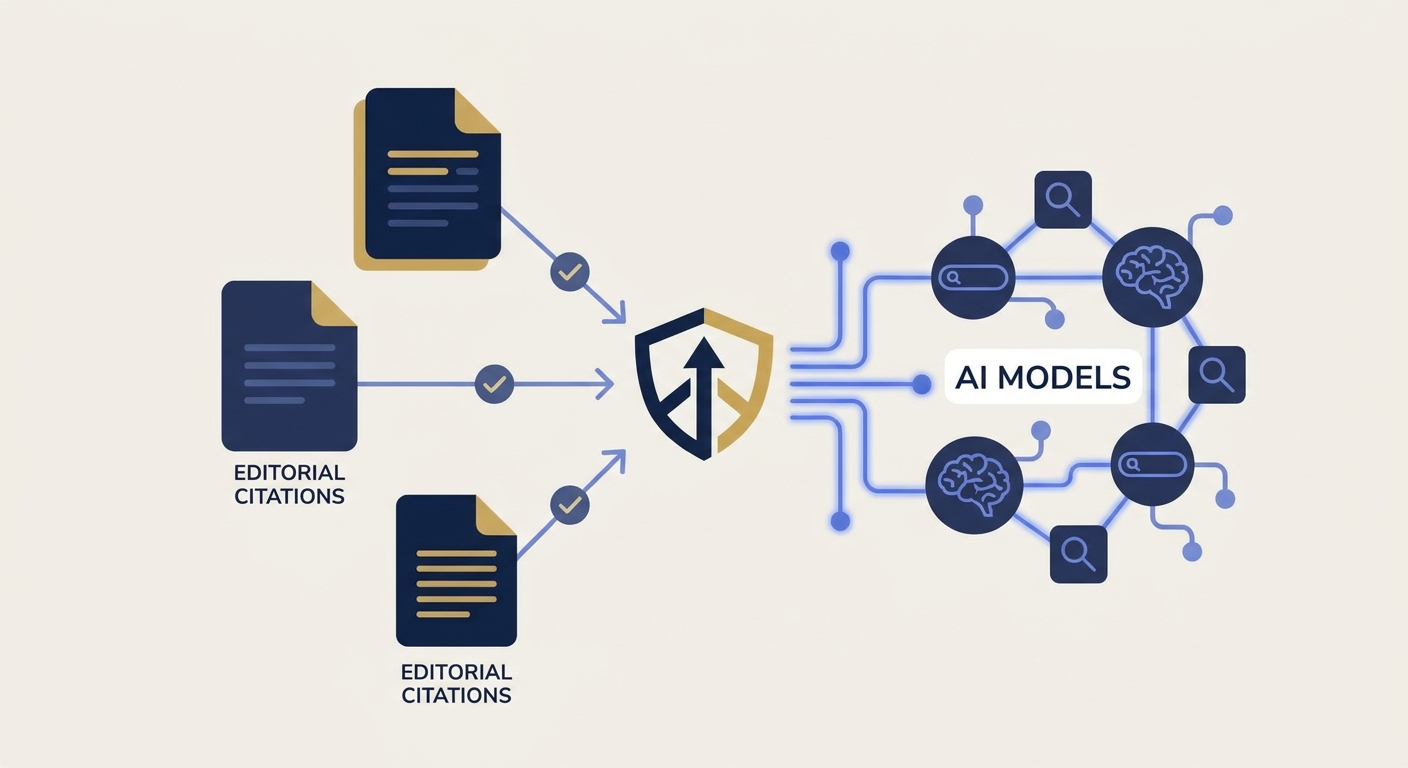
With the dominance of Large Language Models (LLMs) and AI-driven search, engines are hunting for original data sources to verify facts. They don't just want to know who is popular; they want to know who is telling the truth. A link from a massive, generic news aggregator often carries less weight now than a link from a small, hyper-relevant industry blog that actually understands the subject matter.
The New Equation: Relevance + Entity Trust + Data Source = AI Citation & Rank.
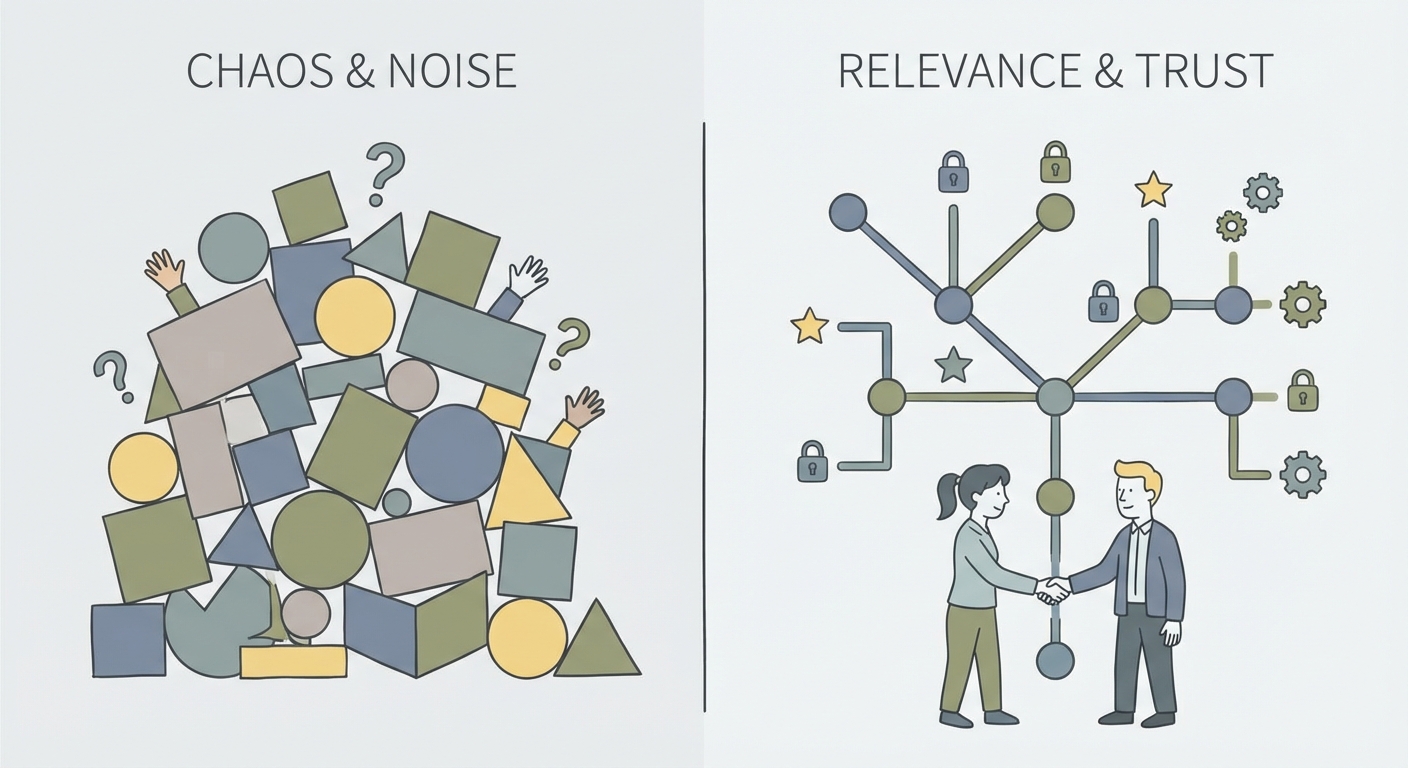
If your links don't reinforce your topical authority, you’re just burning budget. Here is how to build the ones that count.
Phase 1: High-Impact "Data" Strategies (The Heavy Hitters)
These strategies are the heavy lifters. They take effort, but the ROI is unmatched. These drive "passive links"—the kind you earn while you sleep because your content is simply too valuable to ignore.
1. Digital PR & Data Journalism
This is the single most effective way to earn high-authority links in 2026. Why? Because journalists and AI models share a common hunger: they are starving for original data.
Don't pitch a story about your company's new feature. Nobody cares. But if you pitch a story about "The State of Remote Work in 2026" backed by a survey of 1,000 CEOs? You’re sitting on gold.
The Tactic: Find a trending topic in your niche. Run a survey, scrape public datasets, or analyze your own internal user data to find a surprising trend. Package this into a press release and a data-rich blog post. When journalists cover the trend, they cite your data as the proof.
Nearly 48.6% of SEOs rate this as their top tactic because it builds "seed set" authority links that are impossible to fake. If your team doesn't have the Rolodex to pitch these stories, our Link Building Services / Digital PR team handles the heavy lifting, crafting the narrative and managing the outreach to ensure your data gets the spotlight.
2. The "Linkable Asset" Powerhouse
Most commercial pages—your product and service pages—naturally repel links. Nobody wants to link to a sales pitch. To get links, you need to build a bridge. A "Linkable Asset."
Why It Works: People link to utility. They link to things that make their content better.
The Tactic: Create a free tool, a calculator, an interactive map, or a cheat sheet. A mortgage broker shouldn't just blog about rates; they should build a "2026 Mortgage Affordability Calculator." When other finance bloggers write about buying a home, they will link to your calculator as a resource for their readers.
You can see excellent examples of this in Backlinko’s Guide to Linkable Assets, which details how visual assets and utility tools attract backlinks on autopilot. The goal? Be the "reference material" for your industry.
3. Original Research Studies
If Digital PR is about the news cycle, Original Research is about becoming the textbook. This strategy positions your brand as the "primary source."
The Tactic: Publish an annual "State of the Industry" report. If you’re in SaaS, analyze churn rates across 500 companies. If you’re in logistics, analyze shipping delays.
When you publish this data, you effectively "own" the statistic. Anytime a blogger, journalist, or competitor wants to mention that stat, they must cite you. This is how you future-proof your SEO. In the age of AI, being the originator of the data is the ultimate safety net against being replaced by a chatbot.
Phase 2: The "Quick Wins" (Low Hanging Fruit)
Not every link requires a three-month research project. Some of the best opportunities are already sitting right in front of you, waiting to be claimed.
4. Unlinked Brand Mentions
This is the most efficient link building tactic in existence. The hard part—getting someone to talk about you—is already done. They just forgot to link.
Why It Works: The editor already knows who you are. They already mentioned you. Asking for the link is basically a service to their readers, allowing them to click through to see what is being discussed.
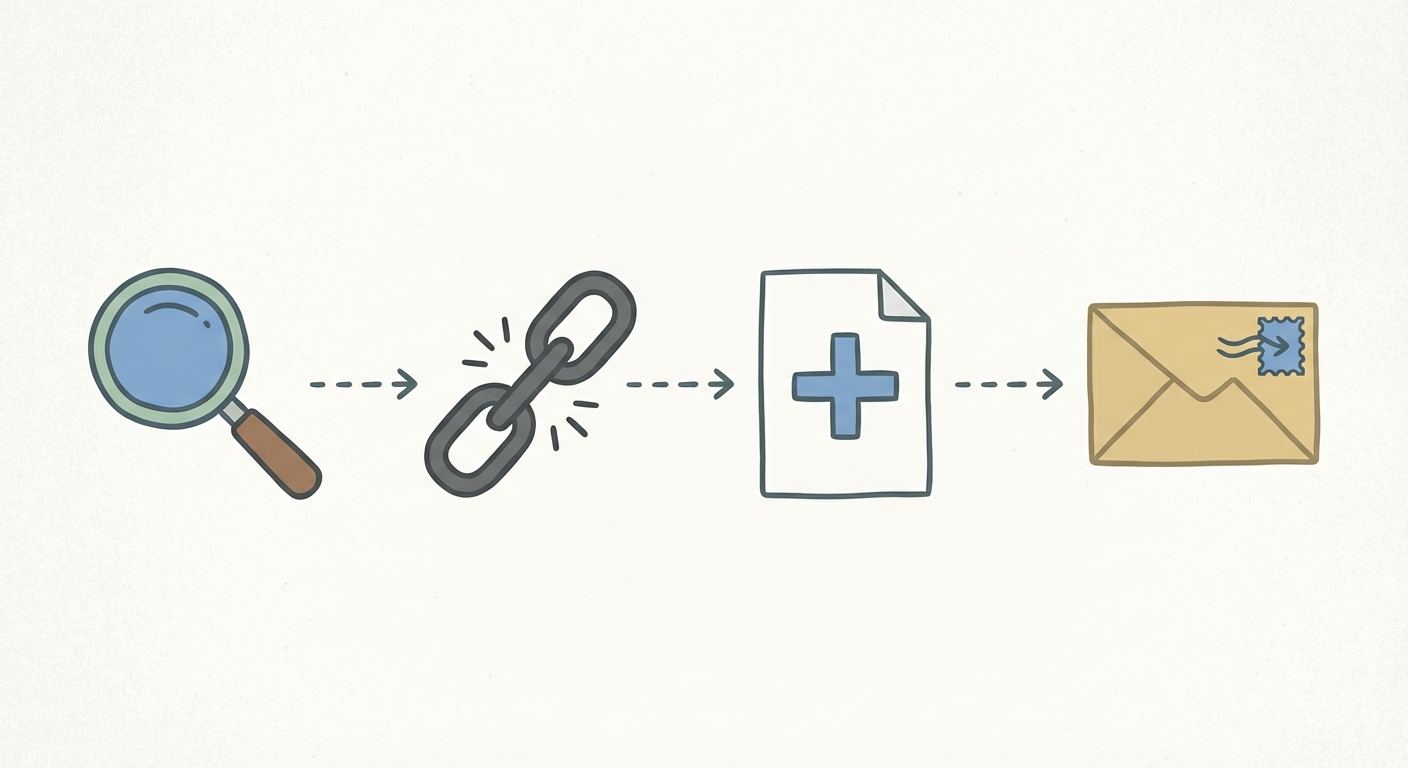
The Tactic: Set up alerts for your brand name using your preferred SEO tool. When you spot a mention without a hyperlink, reach out. Keep it low pressure. A simple, polite email asking to "make the brand name clickable" works wonders.
5. Niche Edits (Contextual Insertions)
Waiting for a new guest post to rank and pass authority takes months. Niche Edits allow you to tap into authority that already exists.
The Tactic: Find articles in your niche that are already ranking well and have good traffic, but might be slightly outdated or missing a key piece of info. Reach out to the site owner and offer a "value add."
Try this: "I saw you have a great guide on Email Marketing from 2024. I recently published some 2026 data on open rates that would make your section on 'benchmarks' current. Feel free to use it."
You aren't begging for a link; you’re offering an improvement. In exchange, you get a link from a page that already has juice flowing through it.
6. Broken Link Building (The Modern Approach)
The web is decaying. Links break every day. This strategy turns the web's degradation into your opportunity.
Why It Works: Nobody likes a 404 error—not users, and certainly not Google. By finding broken links, you are helping a webmaster fix a user experience error.
The Tactic: Identify a competitor who recently went belly-up or moved their blog. Use a backlink checker to find everyone who was linking to those dead resources. Reach out: "Hey, I was reading your post and noticed the link to [Competitor] is broken. I actually have a similar (and updated) guide here if you want to swap it out."
Phase 3: Relationship & Authority Building
The final phase is about embedding your brand into the community. These strategies build the "Entity Trust" that is so vital for E-E-A-T.
7. The "Relevance-First" Guest Post
Let’s be clear: "Scaled" guest posting is dead. If you are buying guest posts on sites that cover everything from "dog food" to "crypto," you are painting a target on your back.
Why It Works: Guest posting only works in 2026 if the site is hyper-relevant. A guest post on a niche industry blog with a real audience is worth 50 posts on generic "contributor" sites.
You must adhere to Google Search Central: Spam Policies, which explicitly warn against scaled content abuse. Write for the audience, not for the link. If the content isn't good enough to bring you referral traffic, it’s not good enough to help your SEO.
8. Resource Page Link Building
Some pages exist solely to link out. These are "Resource Pages" or "Links We Love" lists.
The Tactic: Search for terms like "intitle:resources [Your Keyword]" or "best [Your Keyword] sites." You’ll find curated lists. The pitch here is simple: "I have a guide on [Topic] that covers [Angle] which your current list misses. It might be a good addition for your readers."
This works best when you have a "Linkable Asset" (Strategy #2) to pitch. People rarely add a homepage to a resource list, but they love adding a specific, high-value tool.
9. Podcast & Interview Circuits
Links from podcast show notes are underrated. But beyond the link, podcasts build "Brand Signals."
Why It Works: When you appear on a podcast, Google associates your name (and your brand entity) with the topic of the show. This strengthens your Topical Authority. The backlink in the show notes is high-quality, usually from a domain with a loyal audience.
The Tactic: Treat podcast hosts like journalists. Pitch them a unique angle or a controversial take on an industry trend. Don't pitch your product; pitch your expertise.
10. Image Reclamation
If you are creating great visual content (charts, infographics, diagrams), people will steal it. It’s inevitable.
The Tactic: Use Google Reverse Image Search to find sites using your graphics. You don't need to send a DMCA takedown notice. Instead, send a polite "attribution request."
"Hey, I’m glad you liked our chart on [Topic]! I noticed you used it in your recent post. Could you please add a source link back to the original article?" Most editors are happy to comply to avoid copyright issues.
Execution: How to Pitch Without Being Ignored
The difference between a failed campaign and a successful one is rarely the strategy—it’s the pitch.
The Golden Rule: Personalization over templates.
If your email starts with "Dear Webmaster" or "I really loved your recent post" (without naming the post), hit delete before you send it. You must bridge the "Value Gap." You are asking for something valuable (a link), so you must offer value first. That value can be data, a fix for a broken link, or simply high-quality content that makes their site look better.
Remember, links need a destination. Your outreach is only as good as the content you are pitching. A robust Content Marketing Strategy is the foundation of link building. If your content is thin, no amount of clever pitching will save you.
Risk Management: What to Avoid in 2026
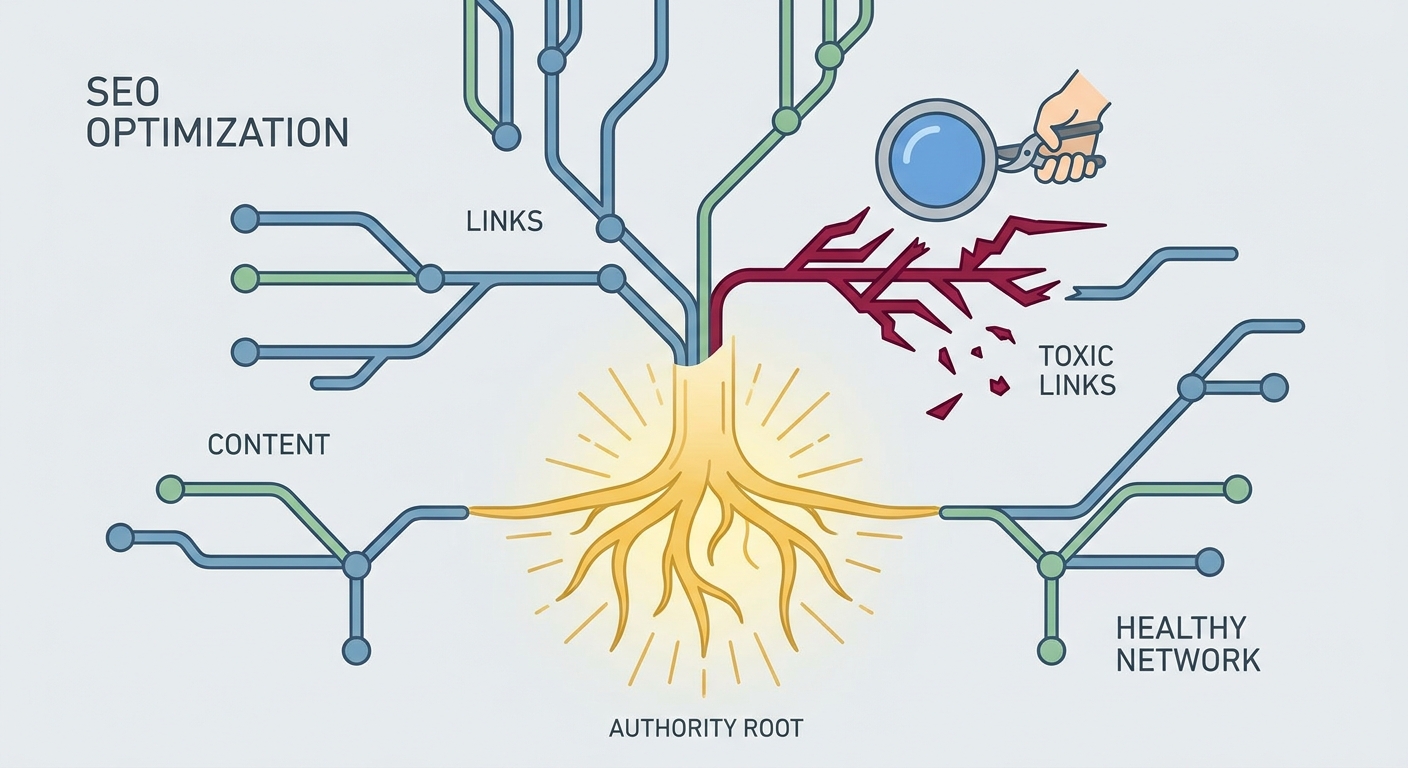
The landscape is littered with sites that took shortcuts. In 2026, the risk of "Toxic Links" is higher than ever. Buying links on Fiverr, using Private Blog Networks (PBNs), or participating in link exchanges are fast tracks to a manual penalty.
Before you accept a link or partner with a site, you must vet them. Check their traffic trends. A site with high authority but zero traffic is a massive red flag—it means Google has likely already penalized them (or ignored them). You can learn more about how to measure these metrics in Ahrefs: Domain Rating (DR) Explained, which breaks down the nuances of authority metrics.
Furthermore, before starting any aggressive campaign, run a full SEO Audit Services check. You need to ensure your technical foundation can support and maximize the link equity you are about to build.
FAQ: Common Link Building Questions
1. Does guest posting still work in 2026? Yes, but the "spray and pray" method is dead. It only works on niche-relevant sites with real audiences. If the site exists only to sell links, stay away.
2. How many backlinks do I need to rank on Page 1? Quality beats quantity every time. As noted earlier, many top pages have a median of just 13 high-quality links. Focus on getting the right links, not the most links.
3. What is the safest link building strategy for new websites? Digital PR and Unlinked Brand Mentions are the safest because they rely on merit and natural brand growth, not manipulation. They build a natural footprint that Google trusts.
4. Do "Nofollow" links help my SEO? Yes. They drive traffic, build brand awareness, and a natural link profile must include them to look organic. A profile with 100% "Dofollow" links looks suspicious and manipulated.
5. How long does it take to see results from link building? Typically 3-6 months. Link equity takes time to index and influence the algorithm. SEO is a marathon, not a sprint.