Understanding Terms of Service for Domain Registrants


TL;DR
- This article breaks down the often-overlooked Terms of Service (ToS) for domain registrants. We'll cover key aspects like domain ownership, usage restrictions, dispute resolution, and what happens if you violate the terms. Also, providing practical advice for startup founders to protect their online brand and avoid potential legal pitfalls. Its kinda important, y'know?
Why Understanding Domain Registration Terms Matters for Startups
Starting a startup is hard enough, right? The last thing you need is legal trouble because you didn't read the fine print on your domain registration. Turns out, that "fine print" is super important.
Think of your domain registration as, like, a contract. You're agreeing to certain terms when you register a domain – often without even realizing it! It's easy to just click "agree" and move on, but you shouldn't. These terms govern how you can use your domain and what happens if you don't play by the rules.
- First, it's important to understand the difference between a registrar and a registry. The registrar is who you actually buy the domain from, like GoDaddy or Namecheap. The registry, on the other hand, is the organization that manages the top-level domain (TLD) – think .com, .org, .net. Each registry has its own rules, and registrars have to enforce them.
- Then there is icann. icann, the Internet Corporation for Assigned Names and Numbers, is the non-profit organisation responsible for coordinating the maintenance and procedures of several databases related to the namespaces of the internet, ensuring the network's stable and secure operation. It's kind of like the governing body of the internet naming system, and its policies trickle down to registrars, influencing the terms you agree to.
So, what happens if you mess up? Well, plenty of things.
- Real-world examples of ToS violations can range from using your domain for spam (obviously a no-no) to hosting content that infringes on someone else's copyright. For instance, imagine a startup using a domain to host pirated software downloads – that's a clear copyright violation. Or, a business could use a domain to run a fake login page designed to steal user credentials, which is a phishing attempt.
- The consequences can be severe; domain suspension is common, and in some cases, you could even face legal action. (Why has my domain been suspended? - Domains - Namecheap.com) Imagine getting sued before you've even launched your product!
- The easiest way to stay compliant is to actually read the terms of service. I know, it's boring- but seriously, do it! And keep your registration information up-to-date.
Your domain name is more than just an address; it's a key part of your brand.
- It's often the first thing customers see, and it can have a big impact on their perception of your business.
- You need to consider trademark issues. Does your domain name infringe on someone else's trademark? If it does, you could be forced to give it up.
- Also, make sure your registration information is accurate. If it's not, you could lose control of your domain.
Next up, we'll dive into key provisions within domain registration terms and what they mean for your startup.
Key Provisions in Domain Registration Terms of Service
Okay, so you've got your domain name – congrats! But before you start building your online empire, let's talk about the not-so-fun part: the Terms of Service (ToS). Think of it like the rules of the road for your little piece of internet real estate. Ignore them, and you might find your site suddenly disappears.
Who really owns your domain? It's a bit of a trick question. You, as the registrant, have the right to use the domain, but the registrar technically "owns" it. It's more like leasing than buying. This means they can set rules about what you can and can't do with it.
- Permitted and prohibited uses are spelled out in the ToS. Generally, anything illegal or unethical is a no-go. Think spam, phishing, or hosting hate speech. But it can get more specific – some registrars might restrict certain types of content, like gambling or adult material. They might do this to comply with legal obligations in various jurisdictions or to maintain a positive brand image and avoid association with controversial content.
- Subleasing and transfer policies dictate whether you can rent out part of your domain (like creating subdomains for others) or sell the entire thing. Usually, transferring a domain is allowed, but there are procedures you have to follow; and fees you might have to pay.
Acceptable Use Policies (AUPs) are basically the "don't be a jerk" section of the ToS. They outline what's considered acceptable behavior online, and violations can lead to swift action.
- Spam and malicious activities are a big no-no. If you're sending unsolicited emails or spreading malware, expect your domain to be shut down. Seriously, don't do it!
- Copyright infringement is another common violation. If you're using copyrighted images, music, or software without permission, you're breaking the law and violating the ToS. This can get you into serious trouble.
- Hacking and security breaches are also prohibited. If your website is used to hack into other systems or distribute viruses, your domain will be suspended, and you could face legal consequences.
Ever wonder who sees your contact info when you register a domain? Well, it used to be public by default. Now, there's more emphasis on privacy, but you still need to be careful.
- Whois information and privacy options are important to understand. Whois is a public database of domain registration information. You can usually pay extra for "Whois privacy," which hides your personal details and replaces them with the registrar's information.
- Accuracy of contact details is crucial. Registrars need to be able to contact you if there's a problem with your domain. If your information is outdated or incorrect, you could lose your domain.
- Data security and protection are also important. Registrars should have measures in place to protect your personal information from unauthorized access.
Domains aren't yours forever. You have to renew them periodically, and if you don't, you risk losing them.
- Registration period and renewal process vary depending on the registrar. You can usually register a domain for one to ten years at a time. Make sure you know when your domain is due to expire and how to renew it.
- Automatic renewal policies can be a lifesaver or a headache. Some registrars automatically renew your domain unless you opt out. This can prevent accidental expiration, but it can also lead to unexpected charges.
- Reasons for domain termination go beyond just non-payment. As we've discussed, violating the ToS can also lead to termination. So, play by the rules!
Think of a small e-commerce business. If they suddenly start sending out mass unsolicited emails promoting their products, that's a spam violation. Their registrar will likely suspend their domain, cutting off their online store.
Next, we'll look at how to make sure you're actually complying with the terms and some strategies to avoid any nasty surprises.
Understanding Dispute Resolution and Legal Recourse
So, you've read the terms of service... or at least skimmed them, right? But what happens when things go south and you feel like someone's squatting on your digital turf? Turns out, there are ways to fight back.
Uniform Domain Name Dispute Resolution Policy (udrp): Think of the udrp as a kind of internet court specifically for domain name squabbles. It's faster and generally cheaper than going to a real court, with decisions typically made within a couple of months. It handles cases of cybersquatting, where someone registers a domain name that's identical or confusingly similar to your trademark with the intent of profiting from it. So, if someone registers "[yourbrand]sucks.com" just to sell it back to you at a huge markup, UDRP might be your best bet.
Trademark Infringement Lawsuits: Sometimes, the udrp just isn't enough. If someone is using a domain name that infringes on your trademark and they're actually using it to sell competing products or services, you might need to sue them in federal court. This is obviously a more complex and expensive process, but it can be necessary to protect your brand.
Cybersquatting and typosquatting: Cybersquatting, as mentioned earlier, is registering a domain with bad intentions. Typosquatting is a specific form of it where someone registers a domain name that's a common misspelling of your brand (think "facebok.com"). Both are generally illegal, but proving intent can be tricky.
Seeking legal counsel: Honestly? If you're in a serious domain name dispute, talk to a lawyer. Seriously. Domain law is complex, and a good attorney can help you understand your options and protect your rights. They can assess the strength of your case, advise on the best course of action, and represent you in negotiations or litigation.
Of course, the best way to win a domain name dispute is to avoid one in the first place.
- Conducting trademark searches: Before you even register your domain name, make sure it doesn't infringe on someone else's trademark. A quick search of the us patent and trademark office (uspto) database can save you a lot of headaches down the road.
- Registering variations of your domain name: Consider registering common misspellings of your brand, as well as different top-level domains (like .com, .net, and .org). It's a small investment that can prevent typosquatters from snatching them up.
- Monitoring your brand online: Keep an eye out for anyone who might be using your brand name without permission. Google Alerts can be a useful (and free!) tool for tracking mentions of your brand online.
Navigating domain name disputes can feel like wading through treacle, but understanding your options is the first step. Next, we'll look at compliance strategies to keep your domain safe and sound.
Practical Tips for Startup Founders: Staying Compliant and Protecting Your Domain
Okay, so you've spent all this time building your amazing startup; you definitely don't want to lose your domain because you missed a random email, right? Let's talk about how to keep that from happening.
I know, I know, reading legal documents is about as fun as watching paint dry. But trust me, it's worth it.
- Highlighting key clauses can make the process less painful. Focus on sections about acceptable use, dispute resolution, and termination policies. Think of it like highlighting the most important parts of a recipe before you start cooking.
- Using a checklist can also help. Create a list of key points to look for in the ToS, such as renewal policies, data privacy practices, and limitations of liability. That way, you're not just blindly scrolling through pages of text.
- Seeking legal review (if needed) isn't a bad idea, especially if you're dealing with a complex or unusual business model. A lawyer can help you understand the implications of the ToS and identify any potential risks. Might seem expensive, but it's cheaper than losing your domain name!
This one seems obvious, but it's surprising how many people mess it up.
- Importance of accurate Whois data can't be overstated. The whois database is a public record of who owns a domain, and registrars use this information to contact you. If your email address or phone number is out of date, you could miss important notifications.
- Avoiding domain suspension is a pretty good reason to keep your info current. Registrars can suspend your domain if they can't reach you, which means your website will go offline.
- Responding to registrar communications promptly is also important. If your registrar sends you an email about a policy change or a potential violation, don't ignore it. Take the time to read it and respond if necessary.
You wouldn't leave your office unlocked, would you? Same goes for your domain.
- Checking for unauthorized use is crucial. Keep an eye on your website traffic and look for any suspicious activity. If you see anything that doesn't look right, investigate it immediately.
- Protecting against phishing and malware is another important step. Make sure your website has adequate security measures in place to prevent hackers from using your domain for malicious purposes.
- Regular security audits can help you identify potential vulnerabilities and fix them before they're exploited. Consider hiring a security expert to conduct a thorough audit of your website and domain.
Did you know this was even a thing?
- What is domain name insurance? It's basically insurance that protects you against losing your domain due to things like accidental expiration, legal disputes, or registrar errors. It's typically offered by specialized providers or as an add-on service. Businesses that rely heavily on their domain name for revenue or brand identity, like large e-commerce sites or established online services, might find it most beneficial.
- Coverage options vary depending on the provider, but they typically include things like legal fees, lost revenue, and the cost of acquiring a new domain.
- Is it right for your startup? It depends on your risk tolerance and the importance of your domain to your business. If your domain is a critical part of your brand and revenue stream, insurance might be a worthwhile investment.
So, what does this look like in practice? Imagine a fintech startup that relies heavily on its website for customer acquisition. They make sure to designate someone on their team to be responsible for domain name management, including reading the ToS, updating contact information, and monitoring for unauthorized use.
Now that you're armed with these practical tips, you're in a much better position to protect your domain and keep your startup running smoothly. Next, we'll look at future-proofing your domain strategy.
Future-Proofing Your Domain Strategy: Trends and Best Practices
Okay, so you've done all the hard work to get your domain, built your site, and are (hopefully) making money. But what's next? The internet doesn't stand still, and neither should your domain strategy.
Keeping an eye on where things are going is crucial. It's not just about snagging a domain and forgetting about it; it's about staying ahead of the curve, so, here's a few things to consider:
- New gtlds and their impact: Remember when everything was just .com, .org, and .net? Now we've got a zillion options like .tech, .shop, and even .pizza. These new generic top-level domains (gtlds) can be a great way to get a more specific and memorable domain name, but they can also be confusing. Users might be unfamiliar with them, leading to less trust or mistyping. There's also a potential for brand dilution if the gTLD isn't clearly aligned with the brand's offering. Do you really need "[yourbrand].pizza"? Maybe not, but it's worth considering if it fits your brand.
- Blockchain domains: These are kinda the wild west of domain names. Instead of relying on traditional registrars, blockchain domains live on a decentralized ledger, like Ethereum Name Service (ENS). They offer advantages like censorship resistance and true ownership, meaning you're not subject to a registrar's terms of service. However, they're still pretty new, adoption is limited, browser support can be spotty, and costs can be higher. Something to watch, but maybe not jump into just yet.
- The future of Whois: Remember whois, that public database of domain registration info? Well, it's changing fast. With increased emphasis on privacy, things like gdpr are making it harder to find out who owns a domain. This can be good for privacy, but it also makes it harder to track down cybersquatters.
Don't put all your eggs in one basket – or, in this case, all your domains with one extension.
- Registering multiple domain extensions: If you've got "[yourbrand].com," consider grabbing "[yourbrand].net" and "[yourbrand].org" too. It's a cheap way to protect your brand from competitors or, you know, that one guy who really hates your company and wants to mess with you.
- Defensive domain registration: Think about common misspellings of your brand and register those too. It's called typosquatting prevention, and it's way cheaper than fighting a legal battle later.
- Managing your domain portfolio efficiently: As your business grows, you might end up with dozens of domains. Use a domain management tool to keep track of them all, set up automatic renewals, and monitor for any potential issues.
Your domain name isn't just an address; it's a marketing tool.
- Using keywords in your domain name: It's not as important as it used to be, but including relevant keywords in your domain can still give you a slight seo boost. Think "[yourproduct]sforyou.com," but don't force it.
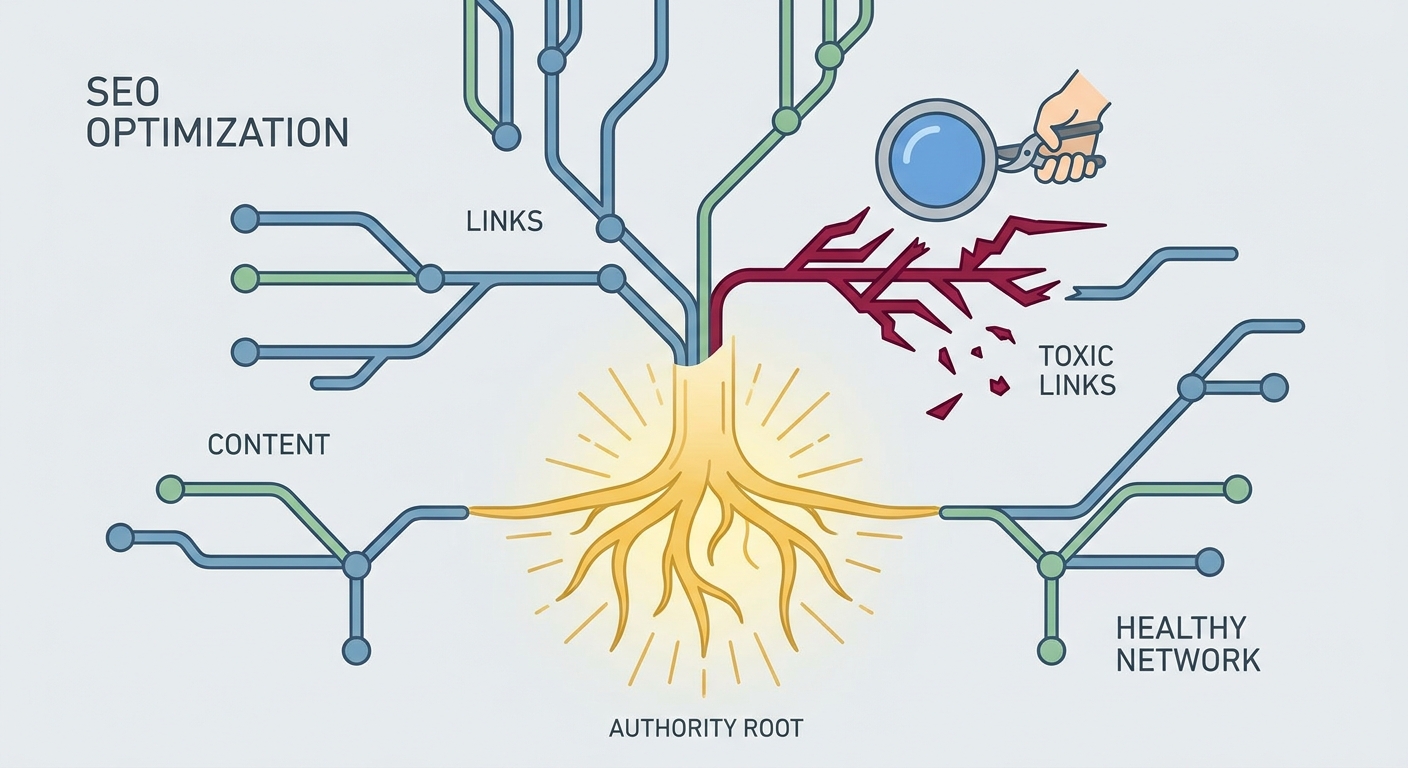
- Domain authority and backlink building: A strong domain name can help you build authority and attract backlinks, which are crucial for seo. Focus on creating high-quality content that people actually want to link to.
- Creating a memorable brand experience: Your domain name should be easy to remember, easy to spell, and relevant to your brand. A confusing or generic domain name can hurt your brand image.
The domain world is always changing and you should too.
- Following industry news and updates: Keep up with the latest trends and best practices by reading industry blogs, attending conferences, and following domain experts on social media.
- Consulting with legal and seo experts: If you're not sure about something, don't be afraid to ask for help. A good lawyer or seo consultant can provide valuable guidance and help you avoid costly mistakes.
- Adapting your domain strategy to changing conditions: What works today might not work tomorrow. Be prepared to adapt your domain strategy as the internet evolves.
So, yeah, future-proofing your domain isn't a one-time thing it is a continuous process. Stay informed, be proactive, and don't be afraid to experiment. Your domain name is a valuable asset, so treat it that way.