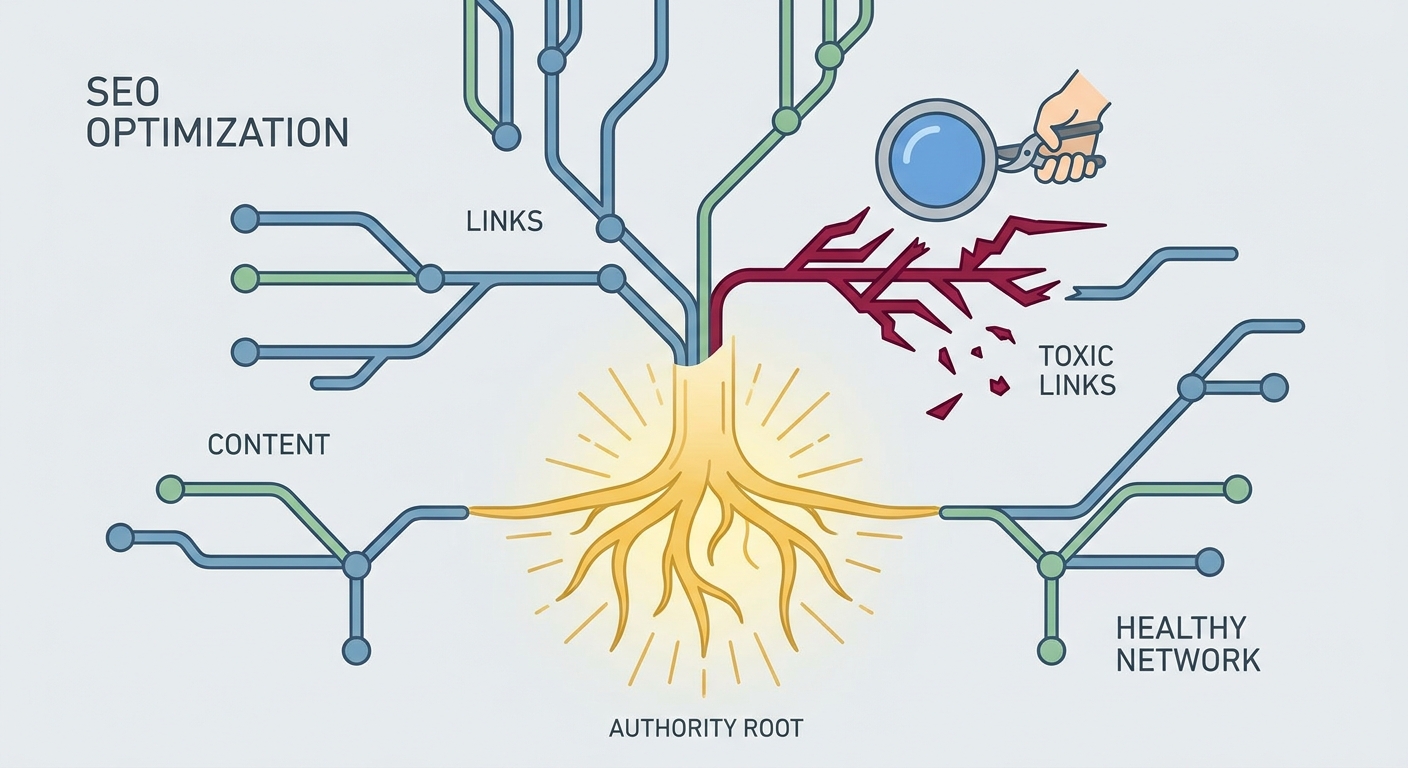
Three Proven Contextual Link Building Strategies


TL;DR
- This article covers the core mechanics of contextual link building through broken link reclamation, guest posting, and niche edits. You will learn how to integrate high-quality backlinks into relevant content to boost domain authority and organic traffic. These strategies provide a roadmap for b2b saas companies to improve their search engine optimization without falling into spammy traps.
Why contextual links is the secret sauce for startups
Ever wonder why some startups just explode on page one while others, with way better products, stay buried on page ten? Honestly, it usually comes down to whether their links actually make sense to a human or if they're just digital clutter.
Back in the day, you could just spam links anywhere—footers, sidebars, random directories—and google would eat it up. But everything changed with the penguin algorithm. Now, if your link is tucked away in a sidebar next to a "buy pills" ad, it's basically worthless. Search engines prioritize links within the main content area over navigational links because they imply a genuine editorial endorsement rather than just a technical placement.
A "good" link needs topical relevance. This means if you're a fintech startup, a link from a massive finance blog carries way more weight than a hundred links from a gardening site. Google's ai (specifically systems like RankBrain and BERT that understand intent) and Stan Ventures note that contextuality is basically a quality signal based on how similar two sites actually are.
- Body placement: Links inside the actual sentences of an article are gold. This is because search engines see these as a "vote of confidence" from the author, suggesting the linked content is actually worth reading.
- Topicality: The surrounding text should actually relate to what you do.
- Natural flow: If it feels like an ad, it's probably a bad link.
Contextual links aren't just for robots; they drive real people to your site. According to a study by Backlinko, the top search result usually has about 3.8x more backlinks than the folks in spots two or three. For a startup, that's the difference between getting users and going broke.

"The results you see in the SERP appear there because of its contextual relevance to the search query," as discussed by Stan Ventures.
I've seen this work wonders in the real world. Take the healthcare niche—specifically Henry Meds, who saw their domain rating jump from 8 to 53 in just eight months by focusing on these types of natural, in-content links. It's about building trust through association.
Next, we’re gonna dive into the first actual strategy: fixing what’s already broken on the web.
Strategy 1: Fixing broken links for a win-win
Ever found a link on a site that leads to a big fat 404 page? It’s annoying for you, but for the person running that site, it’s actually a small disaster for their seo and user trust.
Fixing these broken links is honestly one of the most "human" ways to build a backlink because you’re actually helping someone out before asking for a favor. It’s like telling a stranger they have toilet paper stuck to their shoe—they’re usually pretty grateful you said something.
You can't just guess where these broken links are, you need a way to scan for them without losing your mind. Most of us use tools like ahrefs or even just simple chrome extensions to find where a page is bleeding authority.
- Hunt for 404 errors: Use a tool like the Free Backlink Checker extension to spot dead links while you browse. It’s way faster than clicking every link manually.
- Check the redirects: Sometimes a link isn't "broken" with an error, but it redirects to homepages or totally irrelevant stuff. These "soft 404s" are a huge opportunity; you should reach out to the webmaster and offer a more specific, relevant replacement link from your own site to help their users.
- Spot content gaps: Look for dead links that used to point to massive guides or data. If a popular resource in finance or retail goes dark, that’s a huge opening for you to swoop in with a "new and improved" version.
According to Content Marketing Institute, this strategy works because you’re giving a webmaster a quick solution to a problem they didn't even know they had. People are just way more likely to help you once you’ve done them a solid.
Once you find a dead link, don't just send a robotic "fix this" email. You gotta be cool about it. If you’re reaching out to a healthcare blog or a b2b saas site, your tone needs to match their vibe.
The key is matching your content intent with the original anchor text. If the broken link was "2023 retail trends," don't try to replace it with your homepage. It has to be a 1:1 value swap.

When you write the email, keep it short. Mention the specific page where the error is and why your link is a perfect fit. Honestly, most people are just happy to clean up their site.
"A few links from high-authority websites can be more beneficial than those from lower-quality sites," as noted by uSERP.
This isn't just about getting a link; it's about starting a relationship with another site owner. I've seen this turn into long-term content partnerships just because the initial outreach wasn't a "gimme gimme" request.
While broken link building is mostly about "fixing" what's already there, our next strategy—guest posting—is about "creating" from scratch to build much higher authority, which obviously takes a lot more effort.
Strategy 2: Guest posting with an authority focus
Ever feel like guest posting is just a fancy way of saying "please let me write for you for free"? Honestly, if you're just doing it for any old link, you're doing it wrong.
The real magic happens when you treat guest posting as a way to "borrow" authority from sites that already have it. It's not just about the seo boost—though that's huge—it's about putting your ceo or your brand right in front of the people who actually buy what you're selling.
You can't just spray and pray your pitches to every blog on the internet. You gotta be surgical. I usually start with google search operators because they're free and they work.
Try searching for things like "retail technology" + "guest post by" or "fintech" + "contributor guidelines". It's a quick way to see who is actually open to outside voices. Don't forget to use the minus sign to filter out junk, like -site:pinterest.com, so you don't get buried in social media noise.
- Check the competition: Use a tool like ahrefs to see where your competitors are writing. If a rival saas founder is popping up on a big industry blog, you should probably be there too.
- Verify the "vibe": Don't just look at the domain rating (dr). Actually read the last three posts. If they look like they were written by an ai in 2021, skip it. You want sites that people actually read.
- Look for the byline: As mentioned earlier by Stan Ventures, links from a relevant site are the most important factor. If a site has a "guest contributor" section with real people's faces, that's a green light.
This is where most startups mess up. They find 200 sites and send the exact same "Dear Webmaster" email to all of them. Please, just don't.
People can smell a template from a mile away and it's the fastest way to get your email marked as spam. If you're a ceo, your time is too valuable to be doing this manually anyway. That's why some folks use dedicated outreach tools like BuzzStream or Hunter.io to manage their lists and follow-ups professionally.

When you pitch, mention a specific article they wrote that you actually liked. It shows you aren't a bot. Suggest a topic that fills a gap on their site—maybe something about how ai is changing healthcare or new trends in b2b marketing.
The goal isn't just a link; it's authority. When you get a post published on a site like Content Marketing Institute, you're not just getting juice; you're getting a badge of honor.
I've seen this work wonders for founders in the tech space. If your ceo is the one "writing" the piece (even if a ghostwriter helped), they suddenly become a thought leader. It makes the sales process way easier when a lead googles your name and sees you've been featured on major industry hubs.
"Guest post links are a great way to show your expertise," according to uSERP. "It’s a win-win for both parties: they gain free content, and you can control the content that links to your site."
Keep your links natural. Don't force an exact-match anchor text like "best cloud software 2024" into a sentence where it doesn't fit. Link to a helpful guide or a piece of original research you did. It makes the editor happy and it's way better for the reader.
Next up, we're gonna talk about "niche edits"—which is basically the art of getting your link into a post that's already ranking.
Strategy 3: Niche edits and link inserts
Ever feel like you’re late to the party when you find a perfect article that’s already ranking on page one? Honestly, you don’t have to write a brand new post to get a piece of that traffic; you can just "insert" yourself into the conversation that's already happening.
Niche edits—or link inserts, if you want to be fancy—are basically the art of getting your link added to a blog post that already exists. It’s a bit like being a guest at a wedding and somehow getting yourself into the official photos.
Most people obsess over new content, but as mentioned earlier by uSERP, pages at the top of search results usually have way more quality backlinks. When you get a link in an old post, you’re piggybacking on a page that Google already trusts.
- Immediate juice: New posts take weeks to rank, but an old post is already "indexed" and probably has its own backlinks.
- Natural traffic: If the post is already getting 500 visitors a month, your link starts getting clicks the second the webmaster hits "update."
- Relevance over everything: You can find a post that talks exactly about your niche, making the link feel super natural.
I’ve seen this work for everyone from healthcare startups to b2b saas companies. If you find a post about "best retail tools" from 2023, and you have a new tool, it actually helps the writer to include you so their list stays current.
This is the part where most people fail because they send a boring email asking for a favor. Don't do that. You gotta show them how your link makes their article better for their readers.
Maybe you have a new study or a unique piece of data. According to Aaron Anderson at Linkpitch.io, these links are harder to get because they aren't always a clear win-win, so your pitch needs to be perfect.

I usually look for sections in an article that feel a bit thin. If a finance blog mentions "ai in accounting" but doesn't explain how it works, that’s your opening to offer a link to your deep-dive guide.
- Be specific: Tell them exactly which sentence you’re talking about. Don't make them hunt for it.
- Offer an update: If their post is a year old, offer to rewrite a paragraph to make it more current in exchange for the link.
- Check the dr: Stick to sites with a domain rating over 50. But keep in mind, dr can be manipulated easily. A dr 30 site with high topical relevance and real traffic is often way better than a dr 60 "link farm" site that exists just to sell links.
"Contextual relevancy is all-pervasive in SEO," as Stan Ventures points out. If the site is about gardening and you’re fintech, just walk away. It won't help you.
I once saw a tech company find a massive "state of the industry" post that was missing a key stat. They sent the author their own internal research from 2024, and the author added a whole new section citing them. It took ten minutes of email and resulted in a dr80 backlink.
Next, we’re gonna wrap all this up and look at how to actually track if these links are doing anything for your bottom line.
Measuring your link building roi
Look, you can build links till you're blue in the face, but if you aren't tracking the actual money or traffic coming in, you're basically just throwing darts in a dark room. Most founders get blinded by "vanity metrics" like a high domain rating, but dr doesn't pay the bills—customers do.
The first thing I always tell people is to stop obsessing over the number of links and start looking at organic growth in google search console. You want to see if the specific pages you're building links for are actually climbing the ranks for their target keywords.
- Monitor referral traffic: Check your analytics to see if people are actually clicking those links. You should use UTM parameters for your guest posts and niche edits so you can accurately track conversions in google analytics.
- Correlate with leads: If you get a big link insert in a finance blog and your "book a demo" signups spike three days later, that's your roi right there.
- Watch the dr trend: While it's not everything, seeing your overall authority rise—like how Henry Meds jumped from 8 to 53 as mentioned earlier—is a good sign your strategy is working.

Honestly, link building is a long game. You won't see a 10x return overnight. But if you track the right stuff, you'll see the momentum build.
Next, we're gonna wrap this whole thing up with some final thoughts on keeping your strategy clean and effective for the long haul.
Final thoughts on building brand authority
Building brand authority isn't a "one and done" thing you check off a list on Friday afternoon. Honestly, it's more like going to the gym—if you stop showing up, the results disappear pretty fast.
I've seen so many founders go hard for a month, buy a bunch of links, and then wonder why their traffic flatlines. Google's ai is smart enough to spot a weird spike in activity. A steady, natural flow of quality links is always better than a sudden burst that looks like a bot went haywire.
- Natural link profiles: You want a mix of anchors. If every single link uses the same keyword, it looks fishy.
- Stay updated: Search engines change their minds constantly. What worked in 2023 might get you flagged today.
- Long-term value: Focus on relationships. As we've seen, quality and relevance outweigh quantity every single time.

At the end of the day, contextual link building is just about being useful. If your content actually helps people in healthcare, retail, or finance, the links will feel natural because they are natural. Just keep it real, stay consistent, and don't try to outsmart the algorithm with shortcuts.