Navigating the Evolving Landscape of SEO

TL;DR
- This article covers the dynamic world of seo, focusing on the latest strategies that drive organic growth for b2b saas startups. It includes a deep dive into backlink management, content partnerships, and the importance of brand authority in todays competitive digital space, helping you stay ahead of the curve.
The Shifting Sands of SEO: An Introduction
Okay, so, SEO...it's not some static thing, right? More like a river, always changing its course. Remember back in the day when you could just stuff keywords and call it a day? Yeah, those days are long gone.
- Keyword stuffing? Forget about it. Search engines are way smarter now. They're looking for content that actually helps people, not just something that's gaming the system. Think about it: would you rather read something robotic or a real article?
- User experience is king (and queen). Google and others are obsessed with how users interact with your site. Do they stick around? Do they click through? If not, your rankings are gonna suffer. For example, if your healthcare site isn't mobile-friendly, people hitting it from their phones will bounce faster than a bad check.
- Topics, not just keywords. It's not enough to target individual keywords anymore; you need to cover entire topics comprehensively. A retail site selling hiking boots shouldn't just focus on "hiking boots;" they should also have content about hiking trails, gear reviews, and tips for beginners.
- Holistic SEO: it's a must. It's more than just slapping some keywords on a page; it's about creating a whole ecosystem of content and user experience that delivers value, like Adnan Sikandar suggests in Navigating the Evolving Landscape of Digital Marketing in 2024.
In this guide, we'll explore how these principles translate into actionable strategies, covering everything from building authoritative backlinks and crafting compelling content to leveraging ai and staying on top of your analytics.
Backlink Management: The Cornerstone of Authority
Okay, let's dive into backlinks – those little votes of confidence from other websites. Think of them as digital street cred; the more you have from reputable sources, the more search engines trust you.
Backlinks still packs a punch when it comes to ranking on search engines. They're basically digital endorsements, signaling to Google and company that your site is a credible source of information. But, and this is a big but—not all backlinks are created equal.
- Backlinks as a Ranking Factor: Search engines use backlinks as one of the main signals to determine where a page should rank. It's like a popularity contest, but with way higher stakes.
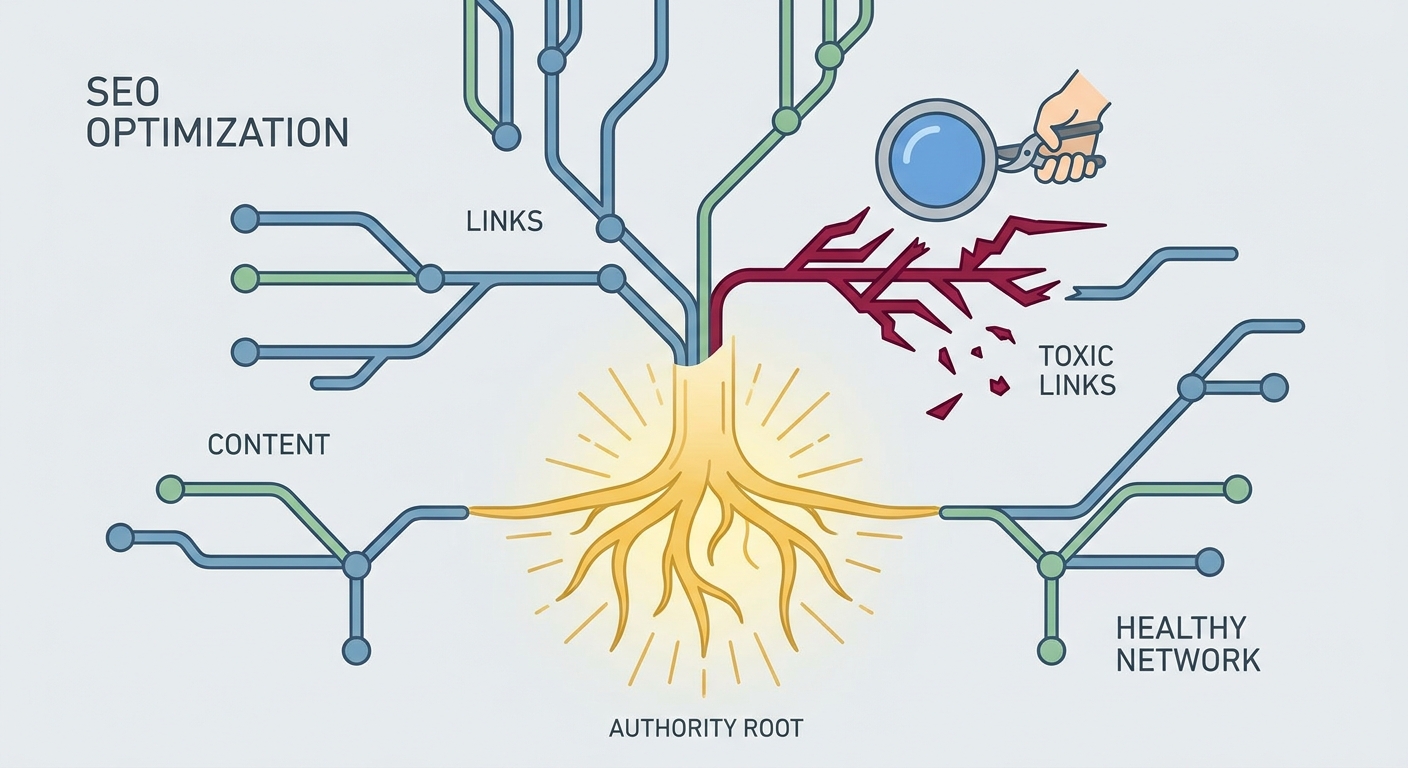
- Quality vs. Quantity: A backlink from a high-authority, relevant site is gold. A bunch of links from spammy, irrelevant sites? That's more like digital pyrite, and can even hurt you. For example, a financial blog getting a link from a reputable finance news site is way better than a link from a random cooking blog.
- Black Hat Risks: Trying to game the system with shady tactics like buying links or participating in link schemes? That's a recipe for disaster. Search engines are getting smarter and penalize sites that engage in these practices. It's like cheating on a test; you might get away with it for a bit, but eventually, you're gonna get caught.
It's not just about having backlinks; it's about having good backlinks. What makes a backlink "good"?
Think of it like this: would you rather have a recommendation from a respected expert, or a random person on the street? Same goes for backlinks.
- Domain Authority (DA): Sites with high da are seen as more trustworthy. Getting a backlink from a site with a da of 70 is way more valuable than one from a site with a da of 10.
- Relevance: A backlink from a site that's in the same industry or niche as yours is more valuable. If you're a healthcare startup, a link from a medical journal is going to carry more weight than a link from a fashion blog.
- Link Placement: Where the link is placed on the page matters. A link within the main content of an article is generally seen as more valuable than one in the footer or sidebar. Context is key.
- Anchor Text: The words used to link to your site also play a role. Using relevant keywords in the anchor text can help search engines understand what your page is about. But, don't overdo it; keep it natural.
So, how do you actually get these high-quality backlinks? That's where strategies like content marketing and digital PR come into play, which we'll explore next.
Content Marketing: Building Authority Through Value
Content marketing, huh? It's not just about churning out blog posts and hoping for the best. Think of it as crafting a digital handshake, building trust one valuable piece of content at a time. It's about showing, not just telling.
So, how do we make content that actually, you know, works? It's gotta be more than just fluff, right? Here's the deal:
- Solve problems, don't just sell. People are searching for answers. If you can provide those answers in a clear, engaging way, you're already ahead. For example, a financial SaaS company could create a guide on "managing cash flow for startups" instead of just pushing their software. This kind of helpful content naturally attracts backlinks from other sites looking to reference valuable resources.
- Mix it up, format-wise. a blog post is great, but what about an infographic, a video tutorial, or even a short e-book? Different people learn in different ways. A retail business might use Instagram for visually appealing product showcases, and then create longer videos about product care on youtube.
- Dig into the data. Keyword research isn't dead, but it's evolved. Look for topic clusters – broader themes with lots of related keywords. It's about understanding the whole conversation. For instance, when researching keywords for a financial SaaS product, you'd look at broader topics like "startup finance" or "small business accounting" to identify related keywords and content opportunities.
- Make it easy to read. Walls of text? No thanks. Use headings, subheadings, bullet points, and visuals. Think about scannability.
Okay, now you have great content. But how do you get it in front of more eyes? That's where content partnerships come in.
- Find your tribe. Look for industry influencers, complementary businesses, or even media outlets that align with your brand. For instance, a healthcare startup could partner with a popular fitness blogger or a medical journal.
- Think beyond guest blogging. Guest posts are cool, but what about co-creating an e-book, hosting a joint webinar, or even running a contest together?
- Negotiate like a pro. Make sure the partnership is mutually beneficial. Set clear expectations upfront.
Content marketing ain't a sprint; it's a marathon. It’s about building authority, trust, and a loyal audience, one helpful piece of content at a time. Now, lets see how we can amplify your reach through building your brand's reputation.
Brand Authority: The Ultimate SEO Advantage
Brand authority—it's not just about slapping a logo on something and calling it a day. It's about becoming the go-to source in your industry. But how do you actually, like, become that source?
Think of brand authority as the sum of all the good things people say (and think) about you. Search engines are paying attention to these signals more than ever.
- Brand Mentions Matter: Every time your brand is mentioned online, even without a link, it sends a signal to search engines that you're relevant. It's like a digital nod of recognition. For example, if a local newspaper mentions a real estate startup in an article about new businesses, that mention, even without a link, boosts the startup's credibility and can lead to increased brand searches.
- Reviews are Your New Best Friend: Positive reviews on sites like G2 or Capterra aren't just vanity metrics; they directly influence your SEO. A B2B saas company with glowing reviews is gonna rank higher than one with crummy reviews, assuming all other factors are equal. These reviews act as social proof, building trust with potential customers and search engines alike.
- Social Media Engagement: It's not just about posting; it's about interacting. Are people sharing your content? Are you responding to comments and questions? Active engagement on social media is a huge trust signal. Think of it like this: if a fintech company is constantly answering questions and providing helpful advice on Twitter, it's building a reputation as a knowledgeable and trustworthy resource, which search engines can infer from user interaction patterns.
Your online reputation is heavily influenced by your offline actions. A retail business that consistently provides excellent customer service in its brick-and-mortar stores is more likely to get positive online reviews. And remember, a good rep is important and you can't buy it.
Digital pr can be a game-changer here. Strategies like issuing press releases, pitching stories to media outlets, and working with influencers can dramatically improve your brand's visibility and authority. These activities generate earned media, which often leads to brand mentions and can even result in natural backlinks from reputable news sources. A 2017 study by Journal of Computer Information Systems found that both link building and social media "improve website traffic and revenue," and that social media is particularly effective for quickly building traffic. The study highlights how increased visibility and positive mentions contribute to a stronger online presence, which search engines recognize.
Building brand authority takes time and effort, but it's worth it in the long run. Next, we'll explore how automation and ai can help streamline some of these efforts.
Automation & AI: Enhancing, Not Replacing, SEO Expertise
Automation and ai...are they gonna steal our seo jobs? Nah, probably not. Think of them more like super-powered sidekicks, helping us level up, and doing the tedious stuff we hate anyway.
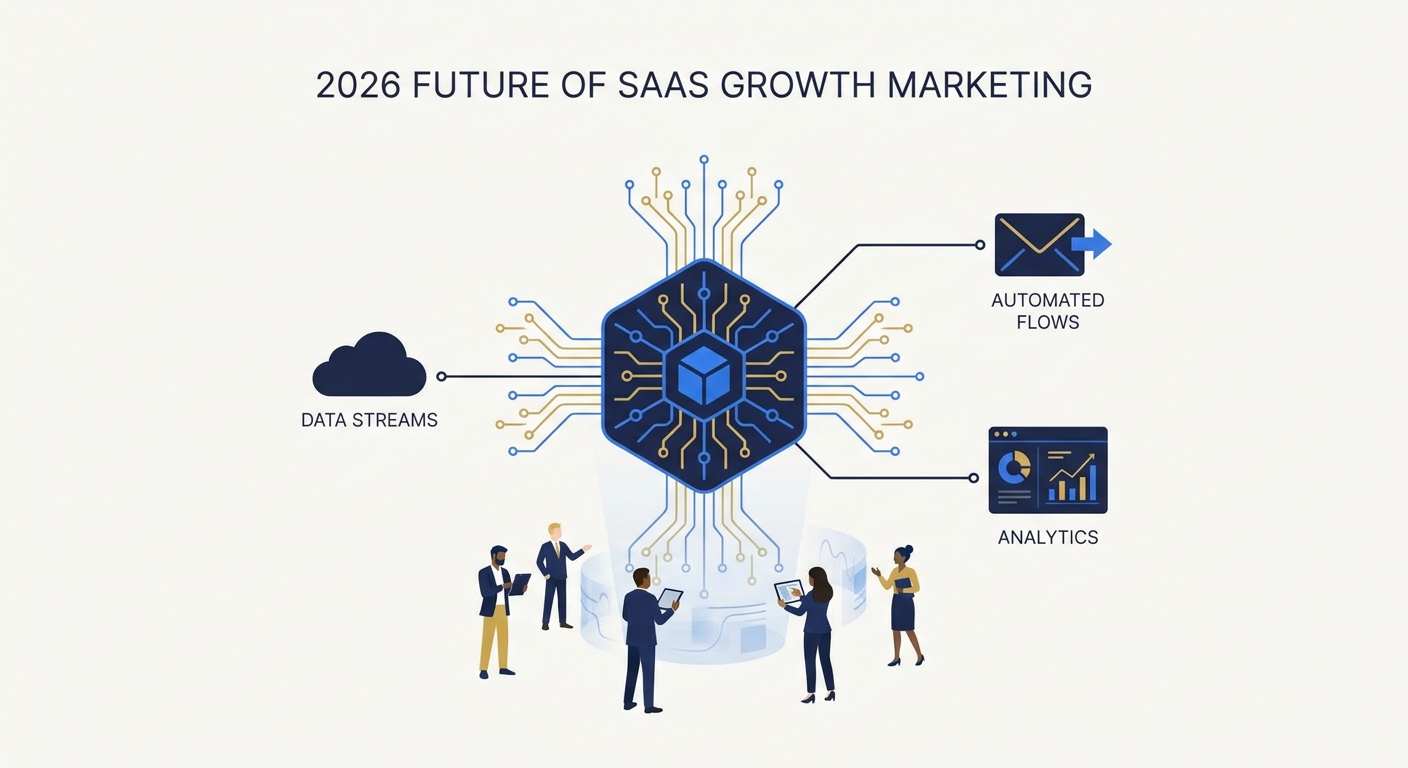
Marketing automation tools ain't just for email blasts and social media scheduling, you know? They can seriously streamline a bunch of seo tasks that used to take forever.
- Keyword research gets a speed boost. Instead of manually sifting through endless lists, tools like ahrefs or semrush can automatically identify high-potential keywords and topic clusters. This helps us understand the broader conversations people are having around a topic, similar to how we might explore "startup finance" to uncover related keywords and content ideas.
- Content creation becomes less of a slog. ai-powered writing assistants can help generate outlines, draft blog posts, and even optimize existing content for readability and seo. Think of it like having a robot copywriter that never gets tired.
- Link building gets a helping hand. Automation tools can identify potential link partners, personalize outreach emails, and track the success of your campaigns. It won't replace building real relationships but it'll sure save time.
- Performance tracking becomes, well, trackable. a lot of platforms offer dashboards that automatically track key seo metrics, generate reports, and identify areas for improvement. Imagine not having to manually compile spreadsheets every week.
ai isn't just about automating tasks; it's also about making our content smarter.
- Content analysis on steroids. ai can analyze your existing content and identify areas for improvement, like readability, keyword density, and topic coverage. Its like getting feedback form a smart and very strict editor.
- Personalization at scale. ai-powered tools can help you personalize content based on user behavior, demographics, and search history. A retail site could show different product recommendations to new vs returning visitors.
- Transparency is key, though. It's important to be upfront with users about how you're using ai and to respect their data privacy. Trust me; no one likes feeling like they're being manipulated by a robot.
So, what's next? Let's talk about the ethical considerations of using ai in seo. It's not all sunshine and rainbows, folks.
Tracking, Measuring, and Adapting: The Continuous SEO Cycle
Okay, so you've been grinding away at your SEO, throwing spaghetti at the wall to see what sticks. But how do you know if you're actually, ya know, winning?
- Organic Traffic: Obvious, right? But are you really tracking where it's coming from? A sudden dip? Dig into which pages are bleeding traffic. Maybe a recent algorithm update tanked your rankings for key terms. Algorithm updates change how search engines evaluate websites, impacting how they rank content based on factors like relevance, user experience, and technical optimization.
- Keyword Rankings: Don't obsess over vanity metrics, but keep an eye on those money keywords. A B2B software company targeting "crm solutions" needs to know if they're holding steady on page one, or slipping.
- Conversion Rates: Traffic's great, but are those visitors doing anything? Are they signing up for trials, requesting demos, or buying stuff? If not, your content might be attracting the wrong audience or you might have a user experience problem.
- Bounce Rate: Are people landing on your site and immediately bailing? A high bounce rate screams "this page isn't what you're looking for" - maybe your content isn't relevant.
Staying on top of algorithm updates can feel like chasing your tail, I get it. But ignoring them? That's SEO suicide. Keep an eye on industry blogs, attend webinars, and lurk in relevant social media groups. See what the chatter is and adapt accordingly. Because if you don't, the algorithm will punish you.
SEO isn't a set-it-and-forget-it thing; it's a constant cycle of tracking, measuring, and tweaking. By consistently monitoring your performance, understanding what's working (and what's not), and being ready to adapt to changes, you'll build a sustainable and successful online presence. So get out there and optimize for success.