Link Building Strategy: A Successful Approach in 6 Steps

TL;DR
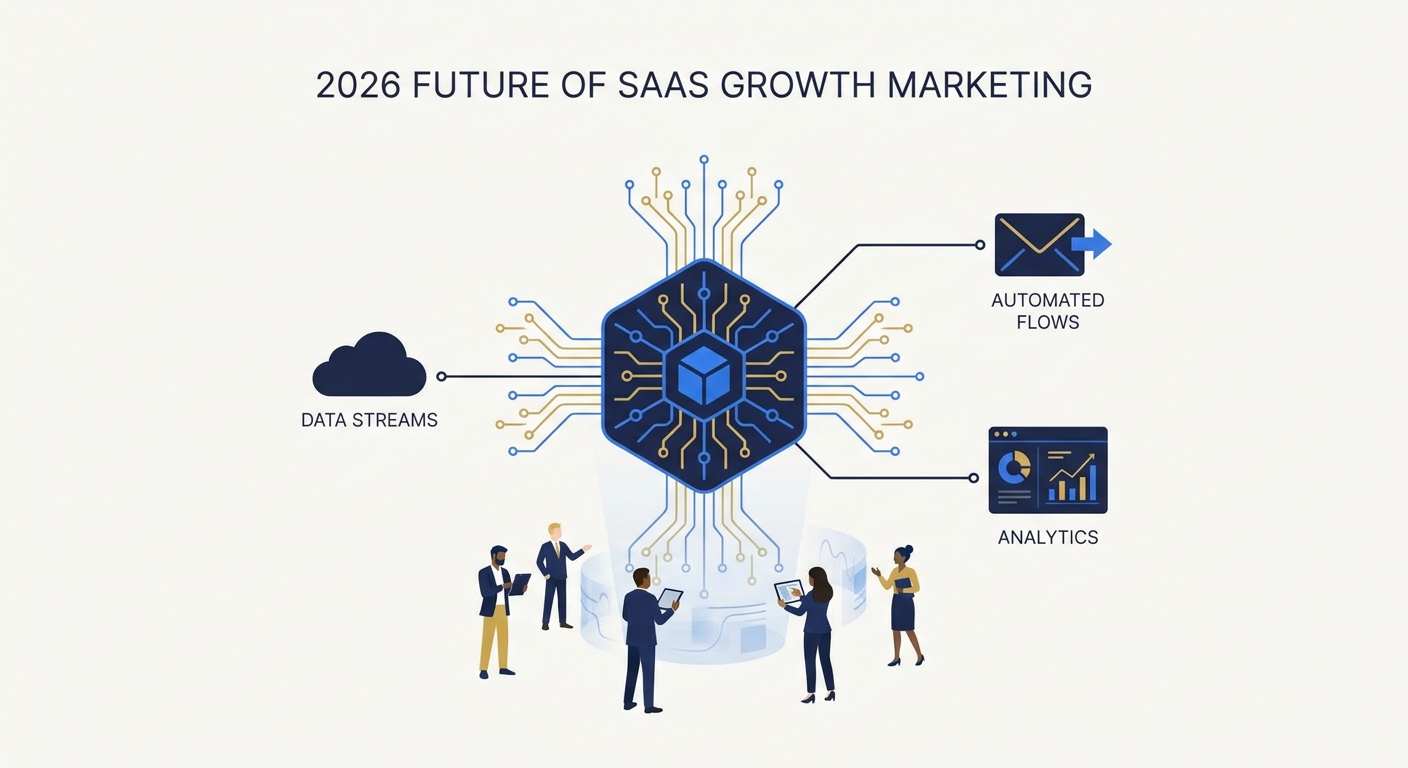
- This article breaks down link building into six actionable steps, ideal for startup founders. You'll learn how to define your audience, find prospects, craft compelling outreach, and measure your results. Plus, we'll cover essential tools and strategies to boost your saas growth marketing and organic traffic.
1. Define Your Target Audience and Goals
Alright, so you wanna nail your link building, huh? It all starts with knowing who you're talkin' to and what you're trying to achieve. Seems obvious, but trust me, it's where most people screw up.
It's kinda like building a house – you wouldn't start without a blueprint, right? (You wouldn't build a house without a blueprint. - Instagram) Same goes for this. You gotta figure out:
- Who's your buyer persona? This is a semi-fictional representation of your ideal customer. Think demographics (age, job title, location), interests, pain points, and the kind of stuff they're moaning about online. For a SaaS product, a buyer persona might be "Marketing Mary," a marketing manager at a mid-sized company struggling with campaign tracking, or "Developer Dave," a lead developer at a startup looking for efficient code deployment tools.
- How does your saas thingamajig actually solve their problems? Don't just say it's "innovative," show 'em how it makes their life easier. For example, instead of saying "Our SaaS offers advanced analytics," you'd say "Our SaaS helps Marketing Mary cut campaign reporting time by 50%, freeing her up to focus on strategy."
- What kinda content actually grabs their attention? Are they glued to YouTube YouTube, or are they more into super-detailed guides?
Okay, now for the nitty-gritty. What do you really want from all this link-building malarkey?
- Boosting your domain authority (da), so you climb higher in the search rankings. (duh.)
- Driving targeted traffic to your site – not just any old eyeballs, but folks who are actually gonna buy your stuff.
- Making your brand more recognizable, so people actually start trusting you.
- And, of course, snagging some qualified leads for your saas business.
Don't forget to nail down your key performance indicators (kpis). What numbers are you gonna track to know if this is working? You want to set SMART KPIs: Specific, Measurable, Achievable, Relevant, and Time-bound. For link building in SaaS, relevant KPIs could include: * Referral Traffic from Specific Links: Track how many visitors come directly from a particular link you've secured. * Conversion Rate from Referred Traffic: Of that referral traffic, how many convert into leads or customers? * Increase in Domain Authority (DA): Monitor your site's DA over time using tools like Moz or Ahrefs. * Brand Mentions: Track how often your brand is mentioned online, especially on sites where you've secured links. * Number of New Referring Domains: Aim to increase the unique number of websites linking to yours.
2. Identify Relevant Link Building Prospects
Okay, so you've got your audience and goals nailed down. Now comes the fun part—finding the right prospects to build those links with. It's like prospecting for gold, except instead of shiny nuggets, you're hunting for killer websites.
First things first: you gotta find websites that actually make sense for your business. I mean, a SaaS company isn't gonna get much link juice from a knitting blog, right?
- Google is your friend (duh). Use those advanced search operators to unearth blogs and resource pages. Here are a few to get you started:
intitle:"SaaS" + "resource page": This finds pages with "resource page" in the title that are also about SaaS.inurl:blog + "marketing automation": Looks for blogs that discuss "marketing automation.""best tools for [your niche]" + "review": Helps find sites that review tools in your industry.site:.edu + "case study": To find educational institutions that might be interested in your SaaS for research or case studies."industry trends" + "[your niche]": To find sites discussing current trends relevant to your SaaS.
- Industry directories are goldmines. Seriously, go explore those niche directories and review sites; you never know what hidden gems you'll find.
- Competitor backlink analysis is key. Use tools like Ahrefs to reverse-engineer your competitors' link profiles. (7 Best Ahrefs Alternatives (Free and Paid)) This'll show you exactly where they're getting links and what kinda sites are happy to link to them. When looking at competitor backlinks, pay attention to:
- High-Authority Referring Domains: Identify sites with strong domain authority that are linking to your competitors. These are prime targets.
- Common Content Types: See what kind of content (e.g., ultimate guides, tool reviews, opinion pieces) is attracting links for your competitors.
- Outreach Opportunities: Note any sites that link to multiple competitors. This suggests they are interested in your niche and might be open to linking to you if you offer something valuable.
- Anchor Text Distribution: Understand how competitors are being linked to, which can inform your own anchor text strategy.
Up next, how to tell the diamonds from the duds...
3. Craft Compelling and Personalized Outreach Messages
Personalizing outreach messages is kinda like sending a digital handshake – gotta make it count, right? Generic emails? Straight to the trash, guaranteed.
It's all about showing you've actually looked at their site, not just blindly blasting emails.
- Mention a specific piece of content that resonated with you – maybe a blog post, a video, whatever. Show you did your homework. For instance, "I really enjoyed your recent article on [topic], especially the section about [specific point]."
- Explain why your link is a good fit for their audience. Don't just say "it's relevant," spell out the benefits – more value, unique data, fresh perspective. For example, "I noticed you have a great resource on [topic], and I think our free [tool/report] could offer your readers a practical way to [solve a related problem]."
- Offer something in return, like a share on social media, or even better, a valuable piece of content they can use. This could be a statistic from your industry report that complements their article, or an offer to co-host a webinar.
Next up? We're gonna chat about how to actually get those links.
4. Implement Proven Link Building Tactics
Okay, so you're ready to roll out those link building tactics? Awesome. But let's be straight, there’s a ton of ways to get links, and figuring out which ones are worth your time can feel like trying to pick the winning horse at the races.
First up, guest posting. It's about writing a killer article for another website in your niche, and slipping in a link back to your own site.
- Think of it as borrowing someone else's megaphone. You get in front of their audience, show off your expertise, and – bam – a juicy backlink.
- But, and this is a big but, make sure it's genuinely good content. No one wants some half-baked sales pitch.
Next, we have broken link building. It is a bit like digital archeology, but way more useful. You find broken links on other sites, create similar (but better) content, and then, you reach out to the site owner, suggesting they replace the dead link with yours. To find broken links, you can use browser extensions like Check My Links or SEO tools like Ahrefs that identify broken outbound links on a site.
Finally, resource link building – this is where you create something seriously valuable, like a comprehensive guide, a handy tool, or a slick template, and then let people know about it. You know, make it so good, people want to link to it. For a SaaS company, "seriously valuable" resources could include: * In-depth Industry Reports: Original research and data analysis on trends relevant to your target audience. * Free Calculators or Simulators: Tools that help users estimate costs, savings, or outcomes related to your SaaS. * Comprehensive Templates: Downloadable templates for business plans, marketing strategies, project management, etc. * Interactive Tools or Quizzes: Engaging tools that provide personalized insights or help users assess their needs. * Curated Lists of Resources: A well-organized list of the best tools, articles, or experts in your niche.
5. Manage and Nurture Link Relationships
Alright, you got those links, now what? Just leavin' 'em to sit there is like buying a Ferrari and never drivin' it. Pointless, innit?
It's not just about getting the link, it's about keepin' that connection alive, yeah? Think of it like networking at a conference, but online.
- Social Media Love: Give 'em a shout-out when they post something cool; maybe even share their stuff. It's a small thing, but it shows you're payin' attention.
- Offer more value: Don't just be a taker. If you spot somethin' they could use – like a fresh stat or a handy tool – sling it their way.
- Collab Time: Got a new project brewin'? See if they're up for a joint effort. Maybe a guest post swap or a webinar.
- Proposing a Guest Post Swap: Reach out with a specific idea for their blog and mention you'd be happy to host them on yours. "I've got a draft ready on [topic] that I think your readers would love. I'd also be keen to feature one of your team members on our blog to discuss [their area of expertise]."
- Initiating a Joint Webinar: Suggest a topic that combines your expertise with theirs. "We're seeing a lot of questions around [shared challenge]. I was thinking a joint webinar covering [specific solution] could be really valuable for both our audiences. Would you be open to co-hosting?"
Thinkin' long-term, it's all about buildin' actual partnerships. So, now that we've built these connections, it's crucial to see how all this effort is actually paying off.
6. Track, Analyze, and Refine Your Strategy
Okay, so you've been building links, which is great, but are you just gonna leave it there? Nah, gotta see what's workin' and what's not. It's like checkin' the engine after a long drive.
- Backlink tracking is key. Tools like Ahrefs are gonna be your friends here—see what's comin' in. You should be tracking:
- Referring Domains: The number of unique websites linking to you.
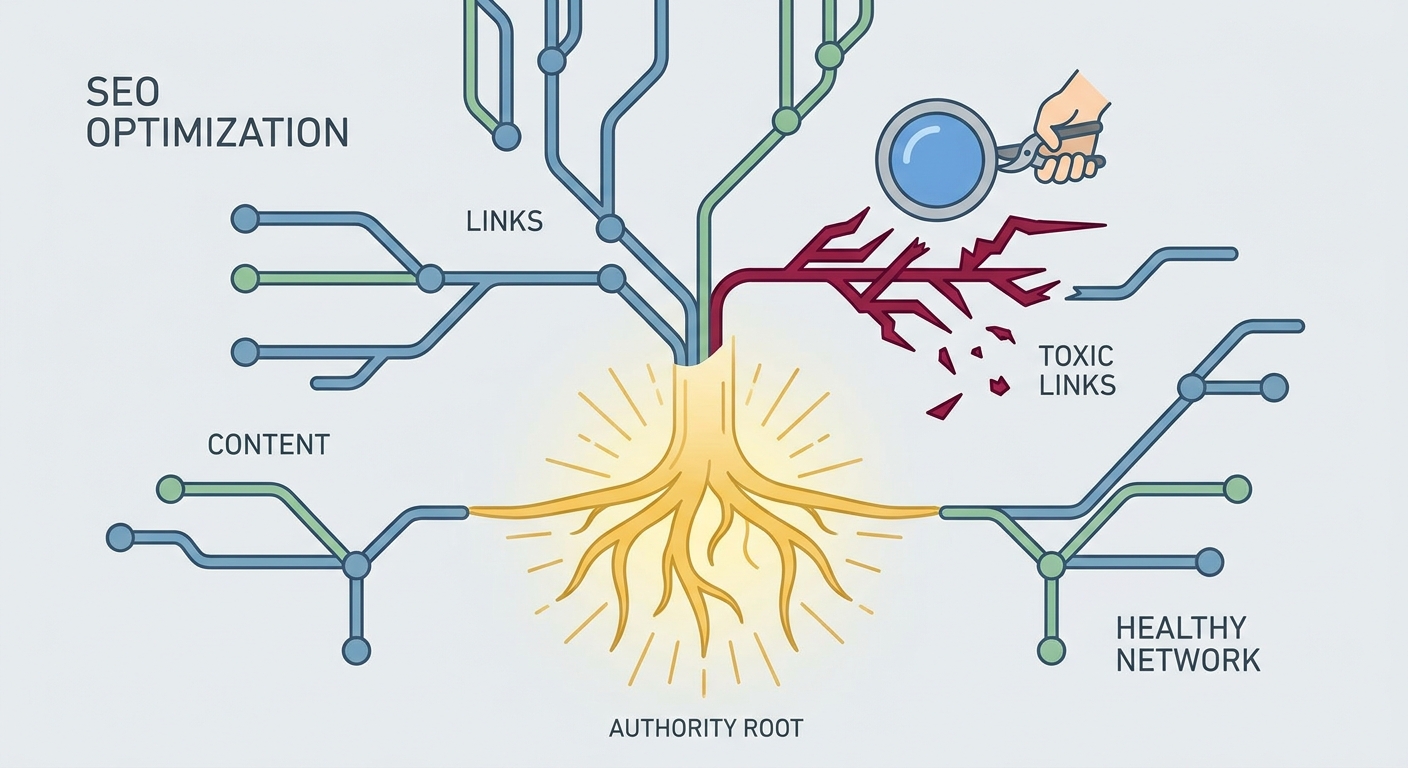
- Anchor Text Distribution: The variety of text used for your links. Too much of one type can look spammy.
- Link Quality: Assess the authority and relevance of the sites linking to you.
- New vs. Lost Links: Monitor which links are being acquired and which are being lost.
- Keep an eye on domain authority. A climb in da means your link work are actually doing somethin'.
- Don't forget organic traffic. Is those links driving the right folks to your site? Look at your analytics to see if traffic from referred sites is converting.
Basically, you gotta stay agile and tweak the plan as you go. that's how you really get results.