Link Building Strategies: How to Acquire High-Quality Backlinks

TL;DR
- This article covers essential link building strategies for startup founders looking to boost their website's SEO. It includes methods for creating linkable assets, leveraging guest posting, finding broken links, and reclaiming unlinked mentions. You'll also learn to build relationships, use social media effectively, and create high-quality content that attracts valuable backlinks.
Why High-Quality Backlinks Matter in 2025
Okay, so you wanna know why backlinks still matter in 2025? It's not just about tricking Google anymore, trust me. Think of it more like building a rep--like being the person everyone quotes at a party 'cause you always have the best insights.
Backlinks are still super important for SEO, but how they work is changing. It's less about just having a ton of them and more about having the right ones. Think of it like this:
- It's not just about PageRank—it's about building your brand. You want people to recognize your name and associate it with quality.
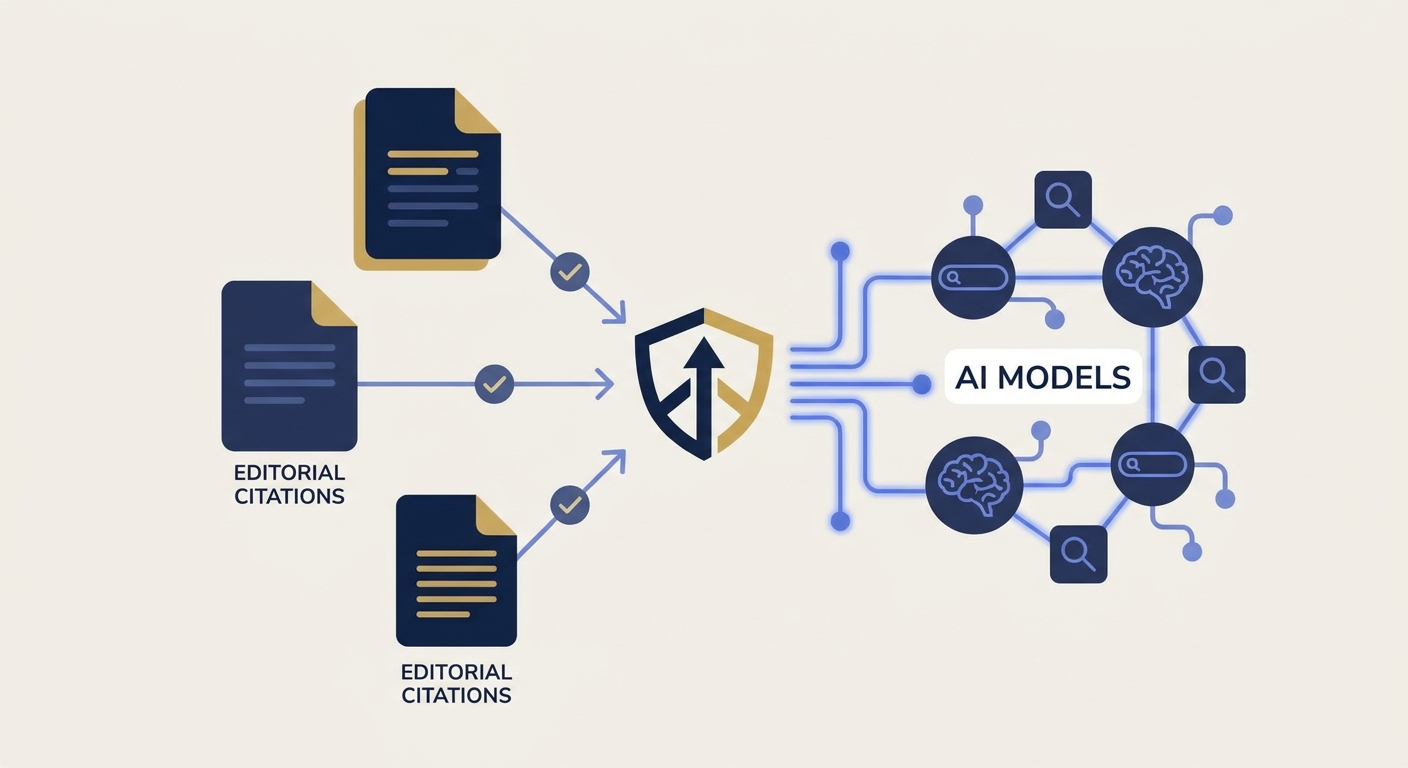
- Google and ai are paying attention to who mentions you, where they mention you, and why. It's all about context, y'know? AI is getting smarter, looking at the relationship between sites, not just a direct link. It wants to understand if a mention is genuine and relevant, or just a keyword-stuffer. Context means understanding why a site is linking to you – is it a genuine recommendation, a resource, or just a mention in a list?
- It's about making sure you're part of the conversation, so you wanna optimize for discoverability across search, ai, social media, and even those old-school forums.
Co-citations are becoming increasingly important. What are co-citations? It's when your brand is mentioned alongside other big names in your industry, even without a link. As Backlinko noted, it's about becoming part of the conversation, not just getting a link.
Say you're a small ai startup. Getting mentioned in a "top ai marketing tools" list alongside HubSpot or semrush? That's gold, even if it's just a name-drop. The value here is that these established players are implicitly vouching for your existence and relevance in the same space. Or, if you're a new cybersecurity firm, getting your insights quoted in a tech blog next to those from established experts-- it's all about the company you keep. This signals to search engines and users alike that you're a credible voice in the same league as industry leaders.
It's not just about getting links, it's about building brand authority and making sure search engines and ai associate you with the right stuff. As Backlinko says, the goal isn't just to earn links, it's to become part of the conversation.
So, what's next? Let's dive into how you can actually start getting those high-quality co-citations and building that brand presence.
Creating Content That Naturally Attracts Backlinks
Alright, so you wanna create content that practically begs for backlinks, huh? It's not about writing something and hoping for the best, it's about crafting something so irresistible, people just have to link to it. Think of it like baking a cake that smells so good, the whole neighborhood wants a slice--and the recipe.
The secret sauce here? Linkable assets. What are they? Basically, a piece of killer content designed from the ground up to attract backlinks like a moth to a flame. You're not just aiming to inform, you're creating something that other sites need to reference. It's gotta be the kinda thing that makes their content better just by association. Linkable assets can be a lot of things, not just original research or free tools. Think ultimate guides that cover a topic exhaustively, interactive infographics that make complex data easy to digest, or even downloadable templates that save people time and effort.
- Original research is gold. Think surveys, data-driven studies, that kinda thing. Why? Because it establishes you as a credible source. Everyone needs stats to back up their claims, and if you're the one providing the data, guess who they're gonna link to? A 2024 study by Hubspot, as mentioned earlier, has acquired over 11,000 links, including backlinks from high-authority websites like Shopify, Investopedia, Forbes, and the New York Times. (10 Proven Link Acquisition Strategies That Work In 2025)
- Free tools are your secret weapon. Everyone loves free stuff, especially if it solves a problem. Create a tool that's genuinely useful, and people will share it far and wide. Bankrate’s mortgage calculator, which has secured over 35,000 links, including some from high-authority websites like CNN, Business Insider, and NPR, is a great example. (Mortgage Calculator | Bankrate)
But it isn't enough to just have the data, y'know? You gotta present it in a way that makes sense.
- Visuals are key. Charts, graphs, infographics – anything that makes the data digestible and shareable. A wall of text is a snooze-fest, but a well-designed infographic? That's link-worthy.
- Relevance is everything. Focus on insights that are actually useful to your target audience. No one cares about obscure stats that don't apply to their industry.
Okay, so you wanna build a free tool? Great! But make sure it actually solves a problem.
- Identify pain points in your industry. What are people struggling with? What tasks are tedious or time-consuming? That's where your opportunity lies.
- Make it dead simple to use. No one wants to spend hours figuring out how to use your tool. It should be intuitive and easy to access right on your website.
- Promote it like crazy. Get it out there in relevant communities, directories, and forums. Let people know you've built something that can make their lives easier.
Think about a free tool for generating alt-text for images, or maybe a tool that lets you test your website's accessibility. These are the kinda things that can really take off if they're done right.
Alright, so next up, we're gonna dive into resource page link building.
Strategic Guest Posting for Relevance and Authority
Strategic guest posting... it's way more than just slapping your name on some random blog these days. You actually want to make a splash, right? Think of it as planting your flag in relevant territory--where your ideal customers are already hanging out.
Guest posting isn't dead, but let's be real-- it's evolved big time. Forget those spammy link farms; now it's all about strategic brand placement. You want to show up in content that matters, on sites that people actually trust. As Backlinko suggested, it's about becoming part of the conversation, not just getting a link.
Think of it like affiliate content or even category marketing. You're not just trying to sneak in a link, you're trying to become the go-to resource in your niche. And that takes more than just churning out articles.
This is where things get interesting. It's not about chasing high domain authority anymore, it's about finding brands and creators that actually vibe with your own brand.
- Seek out brands that resonate with your message, even if they're smaller.
- Target sites that already rank for your target keywords--they're clearly doing something right.
- Look for alignment--it's about sharing the same audience and values.
Alright, so you've found the perfect site. Now what? Don't just pitch them some generic fluff. You wanna offer them something valuable, something that their audience will actually appreciate.
- Pitch articles that naturally mention your brand--no forced plugs allowed.
- Offer real value, not just promotion. Think how-to guides, case studies, or industry insights.
- Write for usefulness, not just rankings. Google and ai can smell a sales pitch from a mile away.
It's about building relationships, not just backlinks. To build those relationships, try engaging with the host site's content before you pitch. Leave thoughtful comments, share their posts on social media, and generally become a known entity. Then, when you pitch, you can reference your prior engagement. Offering to promote their content in return for a guest post can also be a great way to foster goodwill. As Backlinko mentioned, it's about becoming part of the conversation, and that means offering something that people actually want to read and share.
So, next up, we'll dive into resource page link building.
Leveraging Broken Link Building and the Moving Man Method
Okay, so you're looking to snag some high-quality backlinks? Forget the old tricks, because things have changed, a lot. Two words: broken links. Seriously, it's like finding money on the street.
The web is basically a digital graveyard, right? Sites disappear all the time, or they just, y'know, rot. That means tons of pages are linking to resources that are, well, dead.
- The first step? Find those broken links. Use a tool to scan for outdated content in your niche. A good tool is important. While there isn't a specific tool mentioned in the sources, look for backlink checkers that allow you to analyze a competitor's backlinks and identify broken outbound links on their site, or tools that specifically crawl websites for broken links. Criteria for a "good tool" would include its ability to scan a large number of pages efficiently, provide clear reports, and ideally, offer some level of filtering or categorization of broken links.
- Next, offer up your content as a replacement. Think of it as digital recycling. You're giving the site owner a working link and getting a backlink in the process. It's a total win-win.
This is like broken link building's cooler cousin. Instead of dead links, you're targeting sites that have changed names, moved, or simply stopped doing business. The key difference is that broken link building focuses on dead pages, while the moving man method targets pages that have moved or been replaced.
- Identify those rebranded or relocated sites. Maybe a company got acquired, or a blog shut down.
- Find sites still linking to the old url. These are your targets.
- Then, reach out and offer your updated resource. It's a win-win: they get a fresh link, and you get some link love. The specific targeting here is crucial: you're looking for sites that are still referencing the old entity, and you're offering them the new entity as a replacement.
Okay, so you've found a broken link or outdated resource. Now what? Time to send an email that doesn't sound like spam.
- Personalize, personalize, personalize! Show you've actually visited their site and aren't just sending a generic template.
- Be helpful, not salesy. Offer a solution to their broken link problem, then mention your relevant content.
- Highlight the value of your content. Explain how it benefits their audience.
Think of it like this, you're doing them a favor, and maybe, they'll return it.
Next up, we'll be looking at resource page link building.
Reclaiming Unlinked Brand Mentions and Shaping Sentiment
Okay, so you've probably heard the saying "what they say about you matters." Well, it's especially true for your brand online! What if people are talking about you, but not linking back to your site? Time to turn those mentions into backlinks.
First things first, gotta find those unlinked mentions. There's a few ways to do this, from setting up Google Alerts to social media monitoring tools. The goal? Catch those mentions as they happen. Focus on the industry pubs and blogs that really matter, y'know, the ones your customers read.
Once you've found a mention, reach out! Don't be pushy, just friendly. A simple "hey, saw you mentioned us, would love a link!" can work wonders. While you're at it, make sure the mention is accurate. You can nudge them to tweak the copy a little to better reflect your brand. It's about shaping the narrative. For example, if a mention is subtly negative or misleading, you can gently correct the facts and reframe the context. You might say something like, "Thanks for the mention! Just wanted to clarify that our product actually does X, Y, and Z, which might be even more helpful for your readers." This not only corrects misinformation but also subtly guides the narrative in a more positive direction.
It's not just about getting a link; it's about what people are saying. Is the buzz positive? Great! Use that to build relationships. See some negative feedback? Address it head-on and correct any misinformation.
As SpyFu says, don't overdo it as Google favors naturally referred brands.
Remember: it's not just about the link, it's about shaping how your brand is recognized, by people and by machines.
So, what's next? Let's talk about building links from outdated resources.
Building Relationships and Leveraging Social Media
Alright, so you wanna turn those casual mentions into actual backlinks, huh? It's more than just vanity--it's about showing Google (and ai) you're a real player.
First thing's first: you gotta find where people are talking about you. It's like being at a party and overhearing someone say your name--you wanna know what's up, right?
- Google Alerts are your friend. Set 'em up with your brand name, product names, even common misspellings. Think of it as your digital eavesdropping tool.
- Social media monitoring tools? Also clutch. There's a bunch out there, so find one that fits your budget and needs. It's like having a social media radar scanning for your name.
- Don't forget industry publications and blogs. The ones that actually matter, y'know? The places your customers hang out.
Okay, you found a mention. Now what? Don't be a pushy salesperson, be a friendly neighbor.
- Reach out with a genuine "hey, saw you mentioned us!" A little appreciation goes a long way.
- Make sure the mention is accurate. If they got something wrong, gently nudge 'em to fix it. It's about shaping the narrative, after all.
- Think beyond just the link. What's the sentiment? Is it positive? Engage! Negative? Address it head-on, correct misinformation.
Let's say you run a small SaaS company. Someone mentions you in a "best SaaS tools for startups" list, but no link. A friendly email like, "Hey, thanks for including us! Would love a link so readers can easily check us out" can work wonders. Or, maybe a tech blog reviews your product but gets a key feature wrong; use the opportunity to correct it and build a relationship.
As SpyFu notes, don't overdo it--Google favors naturally referred brands.
Don't get me wrong, reclaiming unlinked mentions is a good strategy, but you don't want to look like you're trying to force it.
So, next up, let's talk about building relationships and leveraging social media--it's not just about spamming links, trust me.
Advanced Link Building Tactics for 2025
Alright, so you're thinking about how to get those sweet, sweet backlinks, huh? It's not just about quantity anymore; it's about being seen in the right places.
Let's face it, nobody wants to just read walls of text. Interactive content is where it's at – quizzes, calculators, assessments, the whole shebang.
- Design interactive content that makes people wanna share it. Think about a "Which Marketing Automation Tool Are You?" quiz or a ROI calculator for SaaS pricing. These aren't just fun, they're useful, and people love to flaunt their results. To make a quiz truly shareable, it needs to be insightful, entertaining, and offer a personalized outcome that users feel proud of or curious about.
- Embed your content on other sites and make it easy for them to share. Give 'em an embed code. That way, anyone can drop your quiz on their blog with a link back to you. Easy peasy.
- Promote your interactive goodies on social media and blast that email list. Get the word out! Run targeted campaigns to get the right eyeballs on your content, and watch those shares (and links) roll in.
An affiliate program can be a goldmine, trust me. It's like having an army of marketers singing your praises.
- Incentivize your partners to spread the word about your killer products or services with a tasty commission on sales. Make it worth their while.
- Provide those affiliates with the tools they need to make awesome content. Think graphics, talking points, even sample blog posts. The easier it is for them, the better.
- Track your program's performance like a hawk. See what's working, what's flopping, and tweak your strategy accordingly. This isn't a "set it and forget it" kinda thing. Building a successful affiliate program involves clear commission structures, timely payouts, and ongoing support for your affiliates.
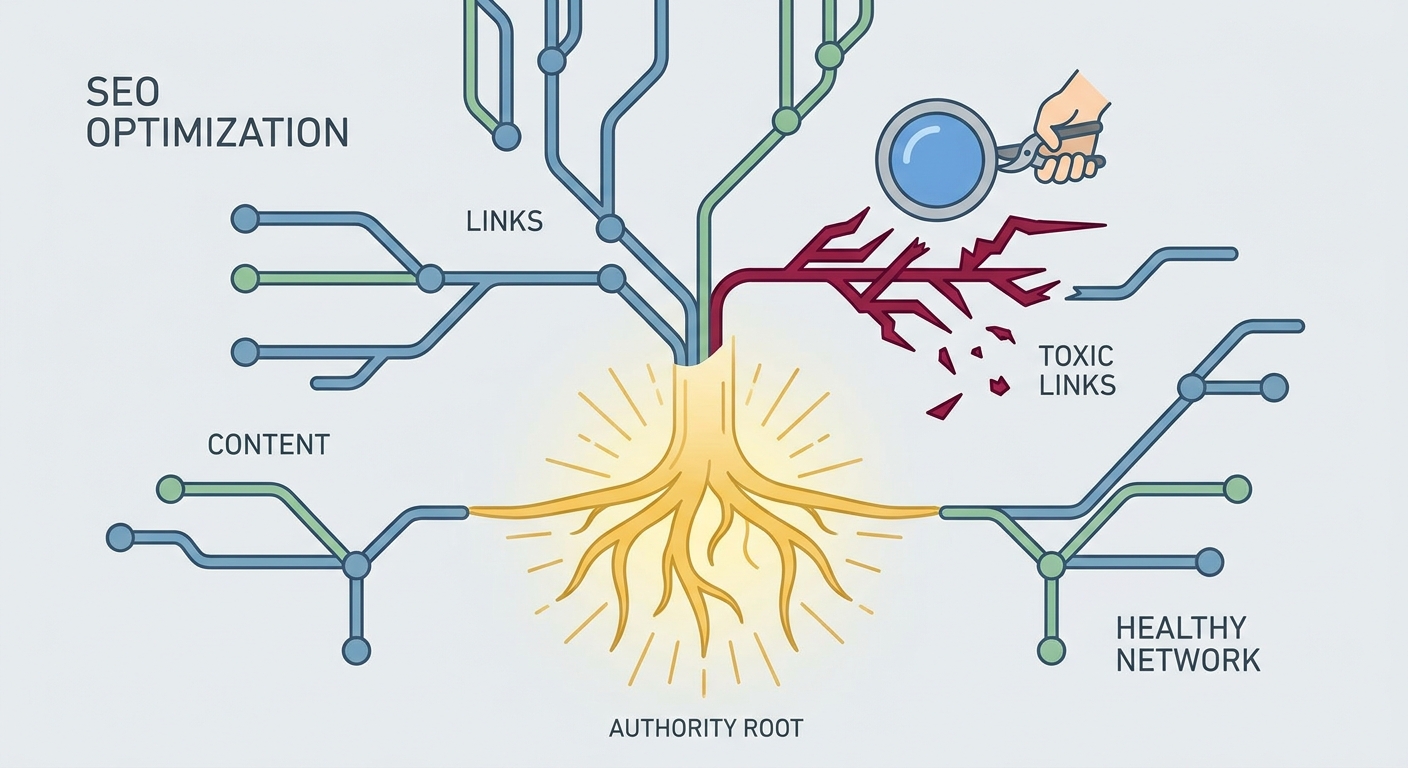
You gotta keep an eye on who's linking to you. Not all backlinks are created equal, and toxic ones can tank your ranking faster than you can say "algorithm update." Toxic links are those from low-quality, irrelevant, or spammy websites. They can harm your SEO because Google sees them as a sign that your site might be trying to manipulate rankings, rather than earning links naturally.
- Regularly check your backlink profile and weed out the bad apples. There are a bunch of tools that can help you spot spam, so get on it.
- Use tools to sniff out shady links from low-quality or irrelevant sites. Domain authority (DA) is a score from 0-100 that predicts how well a website will rank on search engine result pages. Spam scores, often provided by SEO tools, are an indicator of how likely a site is to be penalized by search engines. A high spam score and low DA on a linking site are red flags.
- Disavow those toxic links to tell Google, "Hey, that wasn't me!" It's like digital spring cleaning for your website.
By 2025, it's not just about having links; it's about making sure those links are legit and beneficial.
So, what's next? Let's dive into how you can actually start getting those high-quality backlinks and building that brand presence.
Optimize Your Link Building Strategy with Product Launch List
Okay, so you're trying to get more eyes on your product launch? Think of it like throwing a party--you want everyone to know about it, right? But how do you make sure the right people show up, especially those webmasters who can give you a sweet backlink?
Managing backlinks can feel like wrangling cats, honestly. But it's super important for boosting your online presence and climbing those search engine rankings, y'know?
- Managing link requests can be a real pain, but done right, it seriously helps your SEO.
- Product Launch List provides personalized link management services. They help businesses big and small to boost their SEO and protect their brand's rep.
- Leveraging backlink management, guest post management, and even link exchange management makes sure your link building is high quality and relevant. These services ensure that every link acquired is vetted for quality, relevance to your niche, and potential to drive genuine traffic and authority, rather than just being a number.
Sounds like a plan, right? Next, let's talk about resource page link building.
Measuring and Analyzing Your Link Building Success
Alright, so you've been working hard on your link building strategy. But how do you know if it's actually working? Turns out, it's not just about the number of links you snag.
- Referring domains are a good start. Keep an eye on how many different sites are linking to you, not just the total number of links. More domains usually means a healthier backlink profile.
- Domain Authority (DA) matters, too. Is your DA trending upwards? That's a solid sign that your link building efforts are boosting your site's overall authority.
- And don't forget organic traffic. Are more people finding you through search engines? If so, your backlinks are likely contributing to improved rankings.
But, just having these metrics isn't enough, you know?
You'll need some tools to wrangle all this data. Google Analytics is a free, must-have for tracking traffic and user behavior. Semrush and Ahrefs, can really help, too. They offer deep dives into your backlink profile and keyword rankings. Set up some custom dashboards to visualize your progress, so you can easily spot any trends. Adjust your approach as needed – link building isn't a "set and forget it" kinda thing. For example, if you notice your referring domains are low but your DA is increasing, you might shift focus to outreach for more guest posts on higher-authority sites. Conversely, if your DA is stagnant but you're getting a lot of links from lower-authority sites, you might need to re-evaluate your outreach targets.
Next up, we're gonna look at how to avoid common mistakes in your link building efforts.
Conclusion: The Future of Link Building is Holistic
Link building, huh? It's kinda like dating--you can't just throw yourself at everyone and expect results. You gotta be strategic, build connections, and offer something valuable. And most importantly, it's always changing.
So, what does this all mean for your link building strategy going forward? Well, it's time to ditch the old playbooks and embrace a more holistic approach. Forget just chasing links and think of building actual brand authority and relevance.
- Link building is about more than just links; it's about building your brand. It's about becoming a trusted voice in your industry, someone people actually want to hear from. It's about being part of the conversation, not just getting a link.
- Focus on creating high-quality content. Build relationships, and leverage social media to attract links naturally. Think of it like planting a garden – you need to nurture it and give it time to grow.
- Adapt your strategy to the changing landscape of seo and ai. Embrace new tactics and technologies as they emerge. What worked last year might not work this year, so always be testing and refining your approach.
It’s not just about backlinks anymore. It's about building a brand that people trust, and ai recognizes as valuable. And as SpyFu notes, don't overdo it--Google favors naturally referred brands.
And that's where it's at. It's not about how many links you have, it's about how good they are. It's about being part of the conversation and making sure you're seen as a credible source.
So, yeah, link building is still important, but it's evolving. As Product Launch List says, leveraging backlink management, guest post management, and even link exchange management makes sure your link building is high quality and relevant. It's about building a brand that ai recognizes as valuable. It's about creating content that people actually want to read and share.
It's about being human. This means genuine engagement, authentic content, and building real relationships. When you approach link building with a human touch, you're not just collecting links; you're building a community and a reputation that search engines and users alike will value.
And if you can do that, you'll be well on your way to building a link profile that's not only effective but also future-proof.