Expert Insights on Digital Marketing and Backlink Strategies

TL;DR
- This article covers key digital marketing tactics with a focus on backlink strategies. It includes the importance of SEO, content marketing, and link building, plus how to implement effective backlink management techniques and measure ROI, providing actionable advice for startups to enhance their online visibility and growth.
The Evolving Landscape of Digital Marketing
Digital marketing, huh? It's not just slapping ads online anymore, is it? Things are changing so fast – feels like keeping up is a full-time job in itself.
Here's a few things that stick out:
Customer-centricity is king: It's all about knowing your audience inside and out. Like, really knowing them. Think personalized experiences, not just blasting generic messages. For instance, a healthcare provider might use ai to tailor health advice based on a patient's history, or a retailer could offer personalized product recommendations based on past purchases. (The rise of artificial intelligence in healthcare applications - PMC)
Data, data, everywhere: we're swimming in data, but are we actually using it right? It's not enough to just collect the info; you gotta turn it into actionable insights. For startups, this means using analytics tools like Google Analytics or Hotjar to understand how users interact with your website. You can track things like bounce rates, time on page, and conversion funnels. By analyzing this data, you can identify where users drop off or get confused, and then tweak your website design – maybe simplify a form, improve navigation, or add clearer calls to action – to boost those all-important conversions.
SEO still matters (a lot): you can't ignore search engines, even with all the shiny new platforms. As OmegaWEB points out, good seo boosts your website's visibility and brings in targeted traffic.
So, how does this all impact startups? Well, for startups, understanding these evolving trends is crucial for getting noticed without a massive marketing budget. It's about being smart and strategic. For example, knowing your audience deeply means you can focus your limited resources on the channels and messages that actually resonate, rather than wasting time and money on broad campaigns. And with SEO, it's about building a sustainable traffic source that doesn't rely on constant ad spend.
SEO Fundamentals: A Refresher
Okay, so SEO fundamentals – it's more than just throwing keywords around, right? It's like laying the groundwork before you even start building. If that makes sense?
Here's a few things that always jump to mind:
Keyword Research: Gotta find the right terms, obviously. Think about what your ideal customer is actually typing into google– not just what you think they should be searching. Tools like ahrefs or semrush can help you dig into that.
On-Page Optimization: This is where you make your site super search-engine friendly. Title tags, meta descriptions, header optimization... it's all about giving Google (and other search engines) clear signals about what your page is about.
Technical seo: this is important too! things like site speed, mobile-friendliness, and schema markup sounds scary, but it's about making sure Google can actually crawl and index your site properly. Crawling is how search engines discover new and updated web pages, sending out bots to explore the internet. Indexing is when Google processes and stores the information it finds during crawling, making it available to be shown in search results. If Google can't crawl or index your site effectively, your pages won't show up in search results, no matter how good your content is.
Think of it like this: if your website is a car, these fundamentals are the engine, wheels, and steering wheel. You can have a shiny paint job (great content), but it ain't going anywhere without the basics working. And that "shiny paint job" – your great content – is what actually attracts and engages users once they find you. It's the reason people click on your links, stay on your site, and eventually convert. Without it, even a technically perfect site will fall flat. So what's next? Let's dive into Keyword Research!
The Power of Backlinks: Why They Still Matter
Okay, so backlinks – are they really still a thing? Turns out, yeah, they kinda are a big deal. Think of them as votes of confidence from other websites; Google sees these votes and thinks, "Hey, this site must be legit!"
Here's the lowdown:
Backlinks boost rankings: The more quality backlinks you have, the higher you're likely to rank in search results. (What Are Backlinks in SEO & Why You Need Them - Backlinko) It's like, if a bunch of respected doctors recommend a certain medicine, you're more likely to trust it.
They drive traffic: A good backlink can send targeted traffic straight to your site. Someone reading an article on a reputable finance blog might click a link to your fintech startup, bringing in a highly qualified lead.
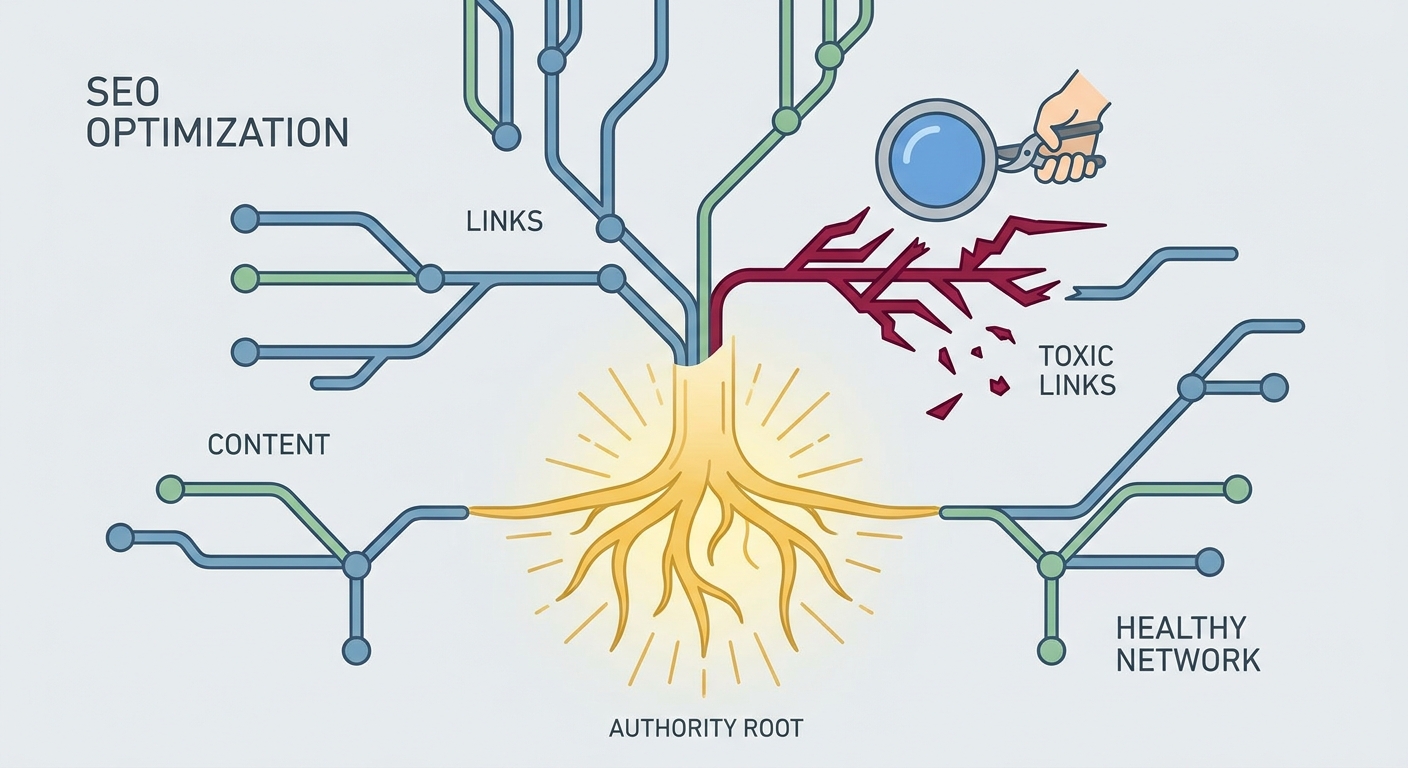
Domain Authority is Built: Backlinks help establish your site as an authority in your niche. When reputable sites link to you, it signals to search engines that your content is valuable and trustworthy. This perceived authority is often measured by metrics like Domain Authority (DA) or Domain Rating (DR), which are scores indicating how likely a website is to rank on search engine results pages. A higher DA/DR signifies greater credibility and a stronger online presence. A retail site getting backlinks from well-known fashion magazines will be seen as more credible, boosting its DA.
Basically, backlinks are like the foundation of your online presence. Next up, let's talk about good links vs. bad links.
Effective Backlink Strategies for Startups
Alright, so you want to get some backlinks, huh? It's not always easy, but there's a few strategies that seem to work pretty well for startups. Let's dive in, shall we?
Guest Posting: Find blogs in your niche and offer to write for them. It's gotta be good content, though. Like, really good. What makes content "really good" for guest posting? It needs to be original, insightful, and offer genuine value to the host blog's audience. Think in-depth how-to guides, unique industry trend analysis, or case studies that showcase your expertise. It should be something that the host blog's readers can't easily find elsewhere.
Content Marketing: Create stuff people wanna link to. Infographics, original research, ultimate guides... you know, the kinda stuff that gets shared. Why are these link-worthy? Because they provide unique value, answer common questions comprehensively, or present data in an easily digestible format. For startups, this means identifying a gap in existing content and creating a definitive resource. For example, instead of just writing a blog post about "SEO tips," create an "Ultimate Guide to SEO for SaaS Startups" with original data and actionable checklists.
Digital PR: Get your name out there. Reach out to journalists, get involved in industry events, try to make some freakin' news. What kind of "news" should startups aim for? It could be a significant funding round, a groundbreaking product launch, a unique company culture story, or participation in a major industry event. When pitching journalists, be concise, highlight the newsworthiness of your story, and explain why it's relevant to their audience. For industry events, aim to speak on panels, host workshops, or simply network actively to build relationships.
I mean, it's not rocket science, but it does take effort. You gotta put yourself out there and be willing to hustle.
So, to make sure those links are actually worth something, we need to talk about how to measure their impact.
Measuring and Analyzing Backlink ROI
Okay, so you've been building backlinks – but how do you know if it's actually, you know, worth it? It's not just about getting any link, is it?
Traffic is the first obvious thing: Are those backlinks actually sending people to your site? Don't just look at overall traffic, dig into where it's coming from. You can do this in Google Analytics by looking at "Acquisition" > "All Traffic" > "Referrals." See which domains are sending you visitors. Is that traffic actually engaging, or are they bouncing right away? Look at metrics like time on site and pages per session. If people are spending a good amount of time on your site and visiting multiple pages, that backlink is likely driving engaged traffic. If they're leaving immediately (high bounce rate), that backlink might not be as valuable as you think.
Rankings, baby!: Keep a close eye on your keyword rankings. Did that guest post on a popular blog actually move the needle for your target keywords? You can track this using tools like Ahrefs, SEMrush, or even Google Search Console. A "move the needle" means seeing your website climb up the search results for the keywords you're targeting, ideally moving from page 2 or 3 to page 1, or improving your position significantly within the top 10.
Conversions – are people buying your stuff? It's easy get caught up in vanity metrics like traffic and rankings, but what really matters is whether those backlinks are driving sales or leads. To track this, you'll want to implement UTM parameters on your links. These are tags you add to URLs that tell Google Analytics where the traffic came from (e.g., which specific backlink or campaign). You can then set up conversion tracking in Google Analytics for your key goals (like form submissions or purchases) and see which backlinks are actually contributing to those conversions.
It's like, imagine a healthcare company getting backlinks from a bunch of irrelevant websites – say, a gaming forum. Sure, they might get some traffic, but it's not gonna be the right kind of traffic. These visitors aren't looking for healthcare services, so they're unlikely to convert. This irrelevant traffic can actually skew your analytics and make it harder to see what's working. Focusing on quality backlinks from relevant sites ensures you're attracting an audience that's more likely to be interested in what you offer, thus improving your Return on Investment (ROI). It's about getting the right eyes on your content, not just more eyes.
So, keep an eye on the data, and don't be afraid to adjust your strategy as needed. Building a strong online presence is an ongoing process, and understanding what truly drives results is key to long-term success.