Comprehensive Guide to Accredited Registrars

TL;DR
- This guide covers everything startup founders need to know about accredited registrars. We're going over what they are, why they matter for your domain authority and backlink strategy, and how to choose the right one. Plus, tips for managing your domain portfolio for seo success – something every founder should be thinking about.
Understanding Accredited Registrars: The Basics
Okay, so you're diving into domain names, huh? Ever wonder who's making sure things don't go completely wild west out there? That's where accredited registrars come in. It's kinda like having referees in a sports game, but for the internet.
Think of accredited registrars as the gatekeepers of the domain name world. They're the companies you go to when you want to register a domain name—like "mycoolstartup.com." But not just any company can do this. They need to be accredited, mainly by icann (the Internet Corporation for Assigned Names and Numbers).
- Their main role? Managing the registration process. This includes checking if the domain name is available, updating the central registry with your info, and making sure you actually own the domain for as long as you're paying for it.
- icann accreditation ensures these registrars follow specific rules and guidelines. (Welcome Accredited Registrars - icann) It's like a quality check, ensuring they aren't just making things up as they go along. It's important, because you don't want to lose your domain just because some registrar decided to change the rules overnight. For example, they have to be accurate with domain holder information and have clear dispute resolution processes.
Honestly, accreditation isn't just some fancy badge; it's crucial. It's what separates the legit players from the potential scammers.
- For starters, it ensures legitimacy and reliability. Accredited registrars have to meet certain financial and operational standards. This means they're less likely to disappear overnight with your domain name. These standards can include things like maintaining sufficient financial reserves and ensuring their systems are robust.
- It also offers protection against scams and fraudulent activities. Imagine paying for a domain and then finding out the registrar was a fake. Accreditation helps prevent this, ensuring there's a recourse if something goes wrong. Registrars have systems to detect and prevent fraudulent registrations, like verifying user information and flagging suspicious activity.
- And lastly, they have to follow industry standards. This means things like providing clear pricing, having proper customer support, and adhering to icann's policies. It’s all about making sure you get a fair deal and aren’t taken advantage of.
So, yeah, choosing an accredited registrar is kinda a big deal. It's like choosing a reputable bank – you want someone you can trust with your online identity.
The Impact of Registrars on SEO and Backlink Strategy
Okay, so you've got your domain name picked out. Cool. But did you ever stop to think how your registrar might be messing with your seo, or even helping it? Yeah, it's not just about having a cool name.
How registrar reputation affects domain authority: Think of it like this: if your website's address is in a bad neighborhood, Google might think twice about trusting you. Registrars that are known for hosting spammy sites can actually hurt your domain authority. (The MOST preferred DNS Registrar by Malicious domains - Reddit) It's kinda like guilt by association, you know? You don't want to be caught in that crossfire.
Importance of choosing a reputable registrar for long-term seo: Playing the long game with seo? Then you gotta pick a registrar that's gonna stick around. A registrar with a solid reputation is more likely to have stable infrastructure and better security, which are things Google definitely cares about; plus, they aren't likely to vanish overnight, leaving you scrambling.
Avoiding registrars associated with spam or low-quality domains: This is a big one. Some registrars are basically havens for shady websites. If you end up on the same server or network as those sites, Google might penalize you. Do your research, read reviews, and make sure your registrar isn't known for that kind of thing. Seriously, it's worth the extra five minutes.
Using registrar services for whois privacy and security: Whois privacy hides your personal info from the public. Why is this important? Well, it prevents spammers and scammers from targeting you, which can indirectly affect your seo. Plus, it just keeps you safer online, and who doesn't want that?
Impact of domain age and history on backlink acquisition: Older domains can have an advantage, but it's not a golden ticket. A domain with a clean history is always better than a shiny new one with a questionable past. Registrars can help you check the history of a domain before you buy it. They might offer integrated tools or recommend external services for this. This can include checking past ownership, previous website content, and if the domain has been flagged on any blacklists.
Strategies for managing multiple domains for link building: Some people buy multiple domains for different marketing campaigns. Using a registrar with good management tools can make this way easier. You can consolidate billing, manage dns settings, and keep everything organized and, honestly, its less of a headache. Managing DNS settings involves things like pointing your domain to your web host, setting up email servers, and managing subdomains.
Importance of dns security: dns (Domain Name System) is like the internet's phonebook. If someone messes with your dns, they can redirect your traffic to a fake website. A good registrar offers dns security features to prevent this kinda thing.
Two-factor Authentication (2FA) to prevent domain hijacking: Enable 2fa on your registrar account. Seriously. It's like adding an extra lock to your front door. If someone gets your password, they still need that second factor to get in. Most registrars offer this, so use it! Domain hijacking is when someone unauthorized gains control of your domain name, which can lead to your website being taken offline or redirected to malicious sites.
How registrar prevents domain scams: Registrars are on the front lines of fighting domain scams. They have systems in place to detect and prevent fraudulent registrations. This protects you and your website from potential harm.
A recent report showed that domain hijacking incidents increased by 20% last year, highlighting the need for robust security measures.
So, yeah, your registrar isn't just a place to buy a domain. It's a partner in your seo and security efforts. Choose wisely, and you'll be setting yourself up for success.
Choosing the Right Accredited Registrar: Key Considerations
Alright, so you're ready to pick a registrar? You might think they're all the same, but trust me, it's like choosing between a sketchy motel and a fancy hotel – big difference!
When you're sizing up registrars, don't just jump at the lowest price, okay? It's tempting, I know. But, there's a few things you really gotta consider.
Pricing and renewal fees: Look closely at those renewal fees! Some registrars lure you in with cheap initial pricing but then jack up the price when it's time to renew. It's like those subscription boxes that suddenly double in price after the first month, except you can't just cancel as easily. Make sure you know what you're getting into for the long haul, especially if you plan on keeping that domain for your startup for years to come.
Customer support quality and availability: What happens when things go wrong? Can you actually get a hold of someone? Do they even know what they're talking about? Test their support before you commit. Seriously, send them an email or try their chat feature. If it takes days to get a response, or if the person on the other end sounds like they're reading from a script, that's a red flag.
Additional services offered (e.g., whois privacy, dns management): Does the registrar offer extras like whois privacy (hiding your personal info), dns management, or even email hosting? These can be super useful (and sometimes even essential) for your online presence. For instance, good dns management is key for ensuring your website is always up, and whois privacy keeps the spammers away.
User-friendly interface and domain management tools: Is the registrar's website easy to use? Can you easily manage your domains, dns settings, and other features? A clunky interface can waste your time and cause headaches, especially when you're trying to make quick changes. You want something intuitive, not something that feels like navigating a maze.
Don't just take the registrar's word for it, do your homework!
Checking customer reviews and ratings: See what other people are saying, you know? Sites like Trustpilot or even just a Google search for "[Registrar Name] reviews" can give you a good sense of what to expect. Look for patterns, not just one-off complaints.
Looking for industry recognition and awards: Has the registrar won any awards or been recognized by industry publications? This can be a good sign of their quality and reliability.
Verifying accreditation status with icann: Double-check that the registrar is actually accredited by icann. You can usually find this info on their website or on icann's website. Don't just assume they're legit; verify it.
Speaking of legitimacy and streamlining things...
- Streamline your backlink management with Product Launch List. This is a service designed to help manage your backlink outreach and requests, making it easier to build authority for your website.
- Expert handling of link requests to build domain authority.
- Personalized link management services for startup founders.
Okay, so now you have a better idea of what to look for in a registrar. The next step is to actually use that knowledge to build out your online presence effectively.
Optimizing Your Domain Portfolio for SEO Success
So, you've got your domain sorted, but how do you make sure it's actually working for you, not against you? It's like owning a prime piece of real estate but leaving it vacant – a total waste! Let's get into how to optimize that domain portfolio for seo success, shall we?
When it comes to snagging domain names, don't just grab anything that sounds kinda cool, you know? Think about relevance and memorability.
Choosing relevant and memorable domain names: If you're running a bakery in Brooklyn, "brooklynbakery.com" is way better than "xyzcakes.com," unless "xyz" has some deep, personal meaning, maybe? For a healthcare provider specializing in telemedicine, a domain like "telehealthsolutions.com" directly communicates the service. A fintech startup, on the other hand, might opt for a shorter, brandable name like "finleap.com" to convey innovation.
Aligning domain names with your brand identity: Your domain should scream you. If your brand is all about being eco-friendly, maybe include words like "green" or "eco" in your domain. A retail company focused on sustainable products might choose "evergreenboutique.com" to reflect their commitment. The goal is instant recognition, right?
Using keywords strategically in domain names: Keywords still matter, but don't go overboard. "bestcoffeeshopseattle.com" might be a bit much, but "seattlecoffeeshops.com" could work. It's a balancing act; a digital marketing agency targeting local clients could use "seattlemarketingpros.com" to attract relevant traffic, but they should ensure it doesn't sound too generic.
Okay, you've got the perfect domain. Now, don't let it rot! Proper management is key.
Keeping domain registration information up-to-date: Seriously, update your email and contact info! If your registrar can't reach you, you risk losing your domain. Imagine forgetting to update your address after moving offices, and important mail gets lost – same principle applies here.
Renewing domains on time to avoid expiration: Set reminders, enable auto-renewal – do anything to avoid letting your domain expire. It's like forgetting to pay your rent; suddenly, you're homeless... online, at least.
Implementing whois privacy to protect personal information, and prevent domain squatting: As mentioned earlier, whois privacy hides your personal info from the public eye. This not only protects you from spammers but also reduces the risk of domain squatters targeting you. It's like putting up a "no trespassing" sign on your digital property. While whois privacy makes it harder for individuals to identify and target you for squatting, it doesn't directly prevent the act of squatting itself.
Did you know your domain's past can affect your seo future? It's like karma, but for websites.
Using domain age as a ranking factor: Older domains can have a slight edge, but it's not everything. A domain with a solid history and consistent content is way more valuable than a brand new one. It's like having a well-maintained vintage car versus a brand new one with no history. Domain age is considered a factor because it can imply a level of established authority and trust, but it's not a standalone metric. A clean history and consistent, quality content are far more important than age alone.
Building backlinks to aged domains: Building backlinks to an aged domain can boost it's authority faster than with a new domain.
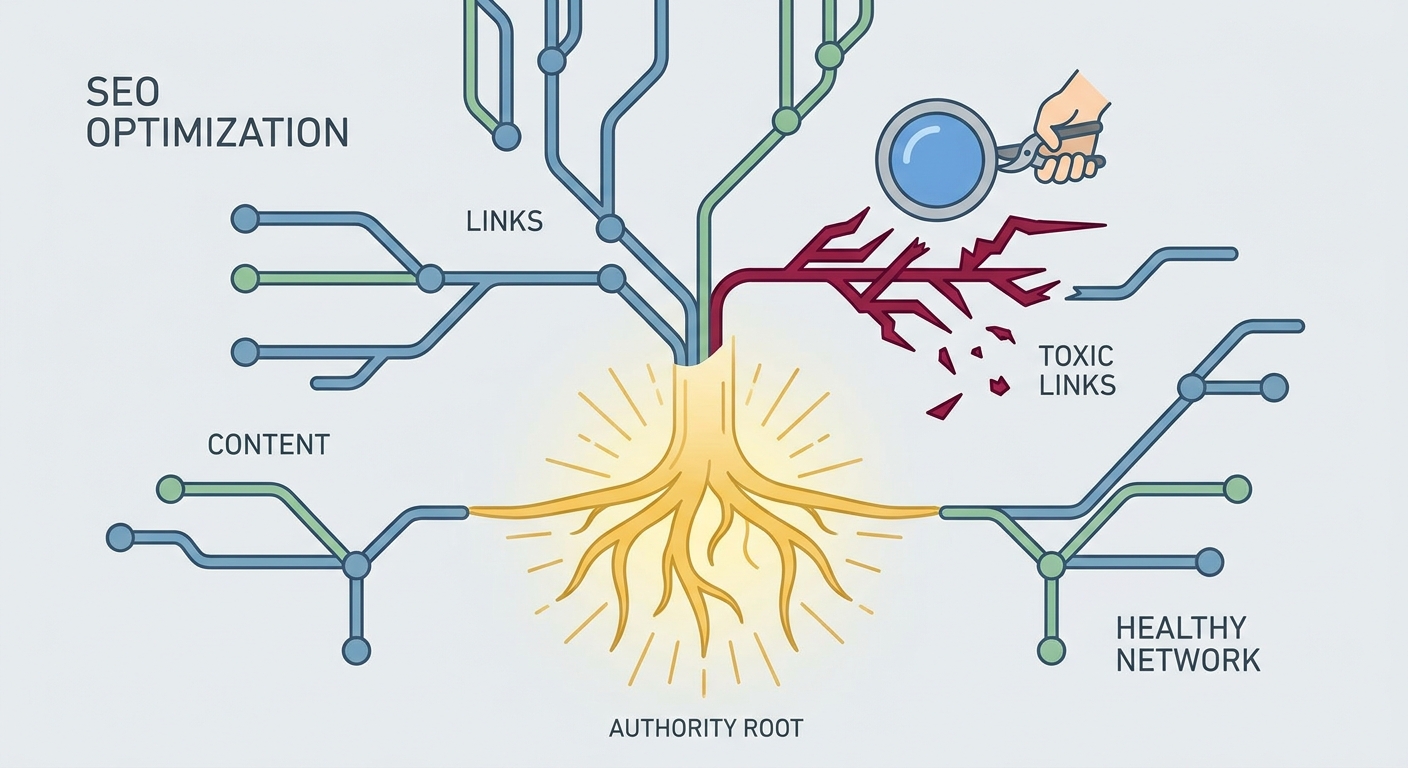
Maintaining a clean backlink profile: Keep an eye on your backlinks. If you've got a bunch of spammy links pointing to your site, disavow them! It's like getting rid of toxic friends; you don't want them dragging you down.
So, there ya go! A few tips to get your domain portfolio working hard for your seo. Now, let's talk about how to measure your domain's performance, because what's the point of doing all this if you can't track your progress?
Advanced Strategies: Using Registrars for Link Building
Alright, so you've made it this far! You're probably thinking, "Can my domain registrar really help with link building?" Short answer? Absolutely, but it's not always obvious.
Ever wonder what your competitors are up to? One sneaky trick is to peek at their domain registrar info. Sometimes, you can find out where they're registered and even see their domain portfolio. Why does this matter? Well, if they're using a specific registrar that's known for being link-friendly, it might be worth checking them out. For example; you might find that a competitor in the sustainable fashion space uses a registrar known for its commitment to eco-friendly practices - this could signal potential partnership opportunities down the line.
- Identifying registrars used by successful competitors: Use tools like whois lookup to find out where your competitors registered their domains. Note down the registrars that pop up frequently among your top-ranking competitors; it's not a guarantee, but it can be a hint. You can use online whois lookup tools by entering a competitor's domain name. The results will often show the registrar they used.
- Analyzing competitor domain portfolios for link building opportunities: Some registrars offer tools to view a domain's history and linked sites. It's like a digital breadcrumb trail that can lead you to potential link partners or even uncover content gaps in your own strategy. A financial services company, for instance, might discover that a competitor has a strong backlink profile from educational websites, suggesting an opportunity to create similar content or build relationships with those sites. These tools, if offered by registrars, might be integrated into their dashboard or provided as a separate service.
- Using registrar information to find potential link partners: Registrars often have directories or lists of their clients. While it might not be a goldmine, it's worth a look. You never know who you might find. Plus, reaching out to fellow clients of the same registrar can be a good conversation starter.
Think of your registrar as more than just a place to park your domain. They're part of the internet ecosystem, and building relationships can pay off.
- Networking with registrar representatives: Attend industry events where registrars are present. Chat with their reps, ask questions, and see if they have any partnership programs. You'd be surprised at the opportunities that can arise from a simple conversation. A small e-commerce business, for example, might learn about a registrar's affiliate program that offers backlinks in exchange for referrals.
- Participating in registrar-sponsored events: Some registrars host webinars, conferences, or other events. These are great opportunities to learn, network, and potentially get your brand in front of a new audience.
- Leveraging registrar partnerships for seo benefits: Some registrars have partnerships with seo tools or services. See if you can leverage these partnerships to get discounts, free trials, or other benefits that can boost your seo efforts. As mentioned earlier, Product Launch List can streamline your backlink management.
So, yeah, your registrar can be a sneaky weapon in your link-building arsenal. It's all about thinking outside the box and seeing them as more than just a domain provider. Now go get those links!