17 Proven Link Building Strategies for Success


TL;DR
- This guide covering 17 actionable ways to grow your domain authority without wasting time on tactics that dont work. We dive into guest posting, digital pr, and how to automate your outreach so you can focus on scaling your tech startup. You will learn to build a high quality backlink profile that actually moves the needle for your organic traffic and b2b growth.
Why seo matters for your startup in 2024
Ever feel like your startup is screaming into a void? You pour your heart into a product, but when you search for it, only giant corporations show up on page one.
Honestly, seo isn't just a "nice to have" anymore—it's how you survive. In 2024, the game has changed but the fundamentals of links still rule the roost. (What's the #1 Change You Want for the Tabletop Game Industry and ...)
Backlinks are basically votes of confidence from the internet. If a reputable finance blog links to your new fintech app, google thinks, "Hey, these guys might actually know their stuff." It’s about building that street cred.
- Links are still the king: Even with all the ai updates, a 2024 study by Backlinko confirms that the number of domains linking to a page remains the most important factor for ranking.
- Cheaper than ads: You can spend thousands on ppc and lose traffic the second you stop paying. Organic growth stays with you.
- Beating the big guys: A local healthcare clinic can actually outrank a national chain if they have better, more niche-specific local links. (Local Clinic vs. National Chain: Pros & Cons)
I've seen startups in the retail space double their leads just by getting 5 solid guest posts on industry sites. (How does a local, service business generate leads? - Reddit) It sounds simple, but it takes grit and a good strategy.
So, how do we actually get those links without looking like a spammer? Let's dive into some real tactics.
High impact content strategies for backlinks
If you’ve ever spent hours writing a "ultimate guide" only for it to get zero traction, you know how soul-crushing that feels. The truth is, most content is just noise, but if you can provide actual proof or a better version of what's out there, people start paying attention.
Journalists and bloggers are always looking for stats to back up their claims. If you can provide a fresh data point, you basically become the primary source they have to link to.
- Mine your own data: If you run a retail platform, maybe you noticed a 20% spike in "buy now, pay later" use among gen z. That is a story.
- Run a quick survey: You don't need a huge budget; even a poll of 500 people in the finance sector about their biggest fears can get picked up by tech news sites.
- Visuals are link bait: Don't just list numbers. Turn them into a simple chart. People love embedding cool charts on their own sites.
- Case Studies: Write about how a specific client used your tool to save money.
- Expert Roundups: Ask 10 experts for one tip and compile them.
- Infographics: Turn complex data into a pretty picture.
- Whitepapers: Deep dives into industry trends.
- Templates: Give away a free excel sheet or doc.
- Tools: Build a simple calculator for your niche.
- Newsjacking: Comment on a big news story with your unique angle.
The Skyscraper Technique
This is an oldie but a goodie, though most people do it wrong. You find a piece of content that already has a ton of links, then you make something way better.
- Find the "thin" content: Look for articles ranking for big terms in healthcare or saas that are outdated or hard to read.
- Add the "extra": If the top post has "10 tips," you give them "25 tips" plus a downloadable checklist or a video walkthrough.
- The outreach: You reach out to the folks who linked to the old, crappy version and say, "Hey, I saw you linked to that 2018 study, I actually just updated the data for 2024 if you want to check it out."
Honestly, it’s about being more helpful than the next guy. If you’re a founder in the ai space, don't just write about "how ai works"—write about "how we saved 40 hours a week using these 3 specific prompts." People link to stuff that actually works.
Next up, we are going to look at how to get your name in the news and how to handle outreach without sounding like a bot.
Outreach and relationship building tactics
Digital pr sounds fancy, but it's basically just getting mentioned in the news or big industry publications. It’s less about "buying" a link and more about being a source that journalists actually want to talk to.
- Be the expert: Use tools like Connectively (which used to be called haro or Help A Reporter Out). Journalists are constantly looking for quotes from founders in sectors like fintech or saas to round out their stories. Since haro is being phased out, make sure you're looking for the new Connectively platform.
- Industry roundups: Look for those "Best Tools for 2024" lists. Reach out to the author not to beg, but to explain how your product solves a problem their readers have.
- Build the relationship first: Follow tech journalists on social media. Comment on their stuff. When you finally do reach out with a story idea, you won't be a total stranger.
According to a report by Muck Rack, about 70% of pr pros say that building relationships with journalists is more important than sending out a massive press release. It's about the long game, not just a quick win.
So you've got some killer content, but now you actually have to talk to people to get those links. It’s a bit like dating—if you come on too strong or sound like a robot, you’re getting ghosted.
The biggest mistake I see startups make is "blasting" hundreds of blogs with the same template. Honestly, it’s the fastest way to get your email marked as spam. You gotta find sites that actually care about your niche, whether that's retail tech or healthcare ai.
- Find the right fit: Don't just chase high domain authority; look for relevance. If you're building a finance tool, a link from a small, nerdy accounting blog is often worth more than a generic lifestyle site.
- The "non-pitch" pitch: Start by mentioning a specific article they wrote that you actually liked. It shows you aren't just a bot scraping their email.
- Keep it short: Nobody wants to read a 500-word essay on why your startup is great. Just tell them what value you can give their readers.
I've found that using a tool like Product Launch List can really help manage your guest post requests. It keeps things organized so you don't accidentally email the same editor three times in a week—which is super embarrassing, trust me.
I remember once trying to get into a major tech publication. I didn't send a press release; I just sent the reporter a quick note about a bug I found on their site and then casually mentioned my startup. We ended up getting a full feature.
Next, we’re going to look at technical ways to find opportunities and use directories to build a foundation.
Technical and directory based strategies
Ever stumbled onto a "404 Page Not Found" while researching for your startup? It’s usually annoying, but for a founder, that broken link is actually a massive opportunity hiding in plain sight.
This is basically the "helpful neighbor" strategy of seo. You find a dead link on a high-authority site in your niche—maybe a healthcare blog or a retail tech forum—and you tell the owner. Then, you casually offer your own content as a replacement.
- Spot the dead ends: Use tools like Ahrefs or free chrome extensions to scan pages for red links. If a big finance site is linking to a defunct tool, they’re hurting their own user experience.
- The "Better" replacement: Don't just ask for a link; make sure the page you’re offering is actually a solid swap for what was lost.
- Automate the grunt work: You can't do this one by one forever. Use a tool like Screaming Frog to crawl entire domains and find every broken outbound link they have in minutes.
I know what you're thinking—aren't directories dead? Well, the spammy ones from 2010 are, but niche-specific b2b saas directories are still gold for building domain authority.
- Quality over quantity: Avoid those "Submit your site to 1000 places" deals. Stick to curated lists like G2 or Capterra if you're in the software space.
- Consistent nap data: That stands for Name, Address, Phone. Even if you're a digital-first fintech startup, keeping this info identical across every listing helps google trust you.
- Industry specific hubs: If you’re in healthcare, get on specialized medical provider lists. It’s about being where your customers actually look.
- Startup Directories: Sites like Product Hunt or BetaList.
- Local Citations: If you have a physical office, get on Yelp or Google Business.
- Resource Pages: Find "Best Resources for [Niche]" pages and ask to be added.
- Podcast Directories: If you guest on shows, make sure they link back.
- Social Profiles: Don't forget the easy links from your own profiles.
- Forum Signatures: Only if you're actually active in the community.
- Partner Pages: If you use a specific software, see if they have a "Our Customers" page.
- University Pages: Sometimes schools have "Alumni Business" lists.
- Chamber of Commerce: Good for local authority.
- Job Boards: Posting a job can sometimes get you a link.
- Sponsorships: Sponsoring a small local event or a niche webinar.
Honestly, it’s just about being tidy with your digital footprint. If you keep your data clean and help editors fix their broken pages, the links kind of take care of themselves.
Next, we're gonna look at how to keep an eye on all these links so you actually know what's working.
Measuring your link building roi
So you’ve spent weeks chasing links and finally got some—now what? If you aren't tracking if those links actually move the needle, you're basically just throwing spaghetti at a wall.
I’ve seen founders get obsessed with "Domain Authority" like it’s a high score in a video game, but honestly, it only matters if your revenue goes up too. You need to see if those links are actually helping you rank for the keywords that bring in the cash.
- Correlate with traffic: If you get a big link from a healthcare tech site, check your analytics two weeks later. Did your organic traffic for "medical saas" actually spike?
- Watch the rankings: Use a simple tracker to see if you moved from page 3 to page 1. It’s a slow burn, but seeing that upward line is the best feeling.
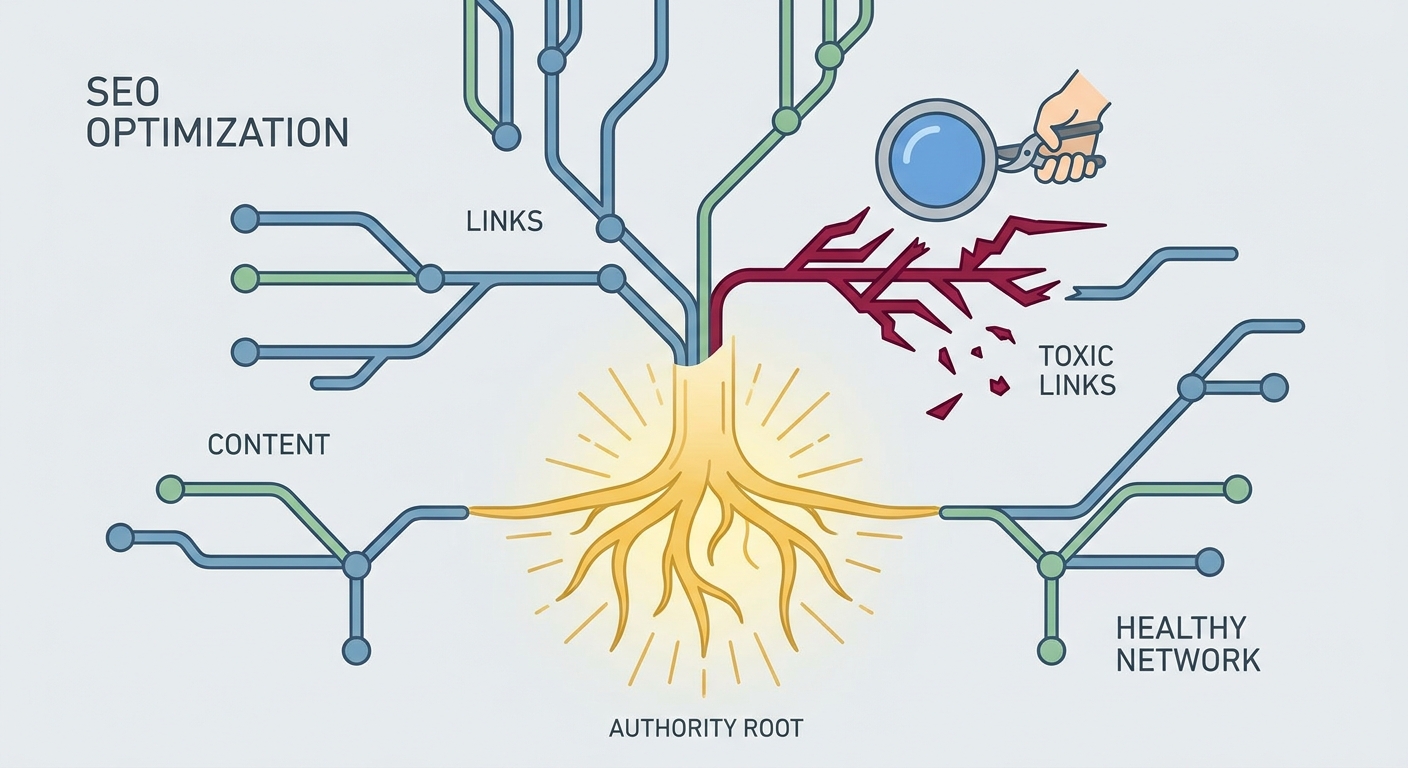
- Backlink quality check: Not all links stay good forever. Sometimes a site gets sold and turns into a spam farm, so you gotta do a quick audit every few months to make sure your link profile stays clean.
According to a 2024 report by Ahrefs, about 90% of all pages get zero traffic from google, mostly because they lack high-quality backlinks. Don't let your startup be in that 90%.
I once worked with a retail startup that got a link from a massive news site, and for a second, we thought we hit the jackpot. But the traffic didn't buy anything—it was all "window shoppers." That’s why you gotta track the actual roi, not just the vanity stats.
Next, we’re gonna wrap things up with some final thoughts on keeping your strategy sustainable.
Common pitfalls to avoid in seo
As a startup grows, you're gonna be targeted by all sorts of "get-ranked-quick" schemes. It sounds great when someone promises 500 links for fifty bucks, but that is usually where the wheels fall off.
A private blog network (pbn) is basically a group of sites owned by one person just to link out to other sites. They look okay on the surface, but google is getting scary good at sniffing these out.
- Unnatural footprints: If ten different blogs all have the same ip address or use the same themes, it’s a massive red flag. once google catches on, every link from that network becomes toxic.
- The "Manual Action" nightmare: You don't just lose rankings. You can get a manual penalty that wipes your startup off the search results entirely. It's a lot harder to fix a reputation than to build one slowly.
- Waste of money: Most people selling these links are just looking for a quick buck. You're paying for "authority" that will probably vanish in the next core update.
I've seen founders in the finance and healthcare space lose years of work because they bought a "link package" from a random email. Honestly, sticking to white hat methods is the only way to sleep at night.
- Focus on relevance: A single link from a real, messy, active blog in your niche is worth 100 links from a "clean" but dead pbn.
- Diversify your profile: Don't just get guest posts. Mix in some directory listings, as previously discussed with sites like g2, and some organic mentions from your data research.
- Audit your own links: Use the tools we mentioned earlier, like ahrefs, to see if anyone is pointing "spammy" links at you. Sometimes competitors do this (it's called negative seo), and you need to keep an eye on it.
According to a guide by Search Engine Journal, focusing on "link earning" rather than "link building" is the safest way to ensure your startup survives long-term algorithm shifts.
At the end of the day, seo is just a marathon. Don't trip at the finish line by trying to sprint through a minefield of bad links. Keep it real, keep it helpful, and the rankings will come. Eventually.