13 Strategic Link Building Techniques for Long-Term Success

TL;DR
- This article covers 13 strategic link building techniques vital for long-term SEO success. It includes methods like creating evergreen content, leveraging partnerships, broken link building, and content promotion. These techniques aim to improve your website's authority, drive organic traffic, and establish a strong online presence.
Introduction: Why Link Building Still Matters in Modern SEO
Okay, so you might be thinking, "link building? Is that still a thing?" Trust me, it is.
- It's not just about throwing links around like confetti anymore, though.
- we're talking strategic placements, which means finding the right spots where your link will actually be seen and valued. This isn't just about any old website; it's about sites that align with your niche and audience.
- building actual relationships. This means connecting with other website owners, bloggers, and influencers. It's about genuine networking, offering value, and fostering connections that can lead to natural link opportunities.
Think of it as digital networking, but with Google watching. Quality beats quantity, always. According to SpyFu's insights on advanced link-building strategies, focusing on high-quality links is paramount.
1. Creating Evergreen Content: The Foundation for Natural Links
Alright, so you wanna build links that actually, y'know, last? It's not about quick wins, it's about setting up something solid. Think of it like planting a tree versus just throwing seeds on the ground.
- It's not trendy; it's timeless. Evergreen content focuses on topics that are consistently relevant. Think "how to change a tire" not "the latest TikTok dance craze."
- It's comprehensive. "Ultimate guides," detailed tutorials, and in-depth case studies are your friends. These resources become go-to references.
- It earns links naturally. When people need info, they link to the best source. If you've made the definitive guide, you're golden.
For instance, imagine a small organic skincare brand creating a guide on "Understanding Skin Types and Natural Ingredients." It's useful now, next year, and probably five years from now, too.
Now, let's talk about how to actually make this magical content... Onward to the next section!
2. Guestographics: Turning Content into Visual Assets
Wanna get more mileage out of your content? Try guestographics. This term combines "guest posting" with "infographics." It's a strategy where you create an infographic from your content and then offer it to other websites as a guest post. These visual assets are way more shareable.
- Repurpose existing content: Turn blog posts into eye-catching infographics.
- Outreach to relevant sites: Offer your infographic as a guest post.
- Provide embed codes: Make it easy for sites to share and link back to you.
Think about it: A complex topic made simple with visuals? Sites will eat that up. Next up, instructographics!
3. Broken Link Building: A Win-Win Outreach Strategy
So, you found a dead link? Score! Seriously, turning someone else's trash into your treasure is pretty sweet.
- Broken link building? It's like being a digital archaeologist. You're finding these old, broken links on other sites, and then—bam—you offer up your shiny, relevant content as a replacement.
- Think of it like this: A small business blog finds a broken link on a popular industry resource page.
It's a win for them 'cause they're fixing a bad user experience, and it's a win for you, because, backlink!
Next, let's dive into the outreach process.
4. Competitor Backlink Analysis: Learning from the Best
Ever wonder what your rivals are up to? I mean, besides, you know, trying to steal your customers? Turns out their backlink strategy is worth a peek!
- Tool Time: SpyFu is your friend. It helps you see where your competitors are getting links.
- Content Clues: What kind of content are they producing that gets links? Is it blog posts, infographics, or something else?
- Anchor intel: What anchor texts are they using? Is it keyword-rich, or more branded?
It's like having a secret decoder ring for seo. Now, how do you put this new info to good use?
5. Resource Page Link Building: Becoming a Valuable Resource
Resource pages, huh? Think of them as curated lists of awesome stuff, and getting your link on one is like getting a gold star. The trick is finding the right ones and showing them why you're a must-have.
- Find the gold: Use search operators like
intitle:resources + keywordto find those hidden gems. - Quality over quantity: make sure that resource page isn't a link farm.
- Personalize your pitch: Don't send a generic "add me!" email. Show them you actually looked at their page.
Getting on these pages can seriously boost your site's authority, plus it's a gift that keeps giving - traffic wise, that is. Time to dive into finding relevant resource pages!
6. The Skyscraper Technique: Building 10x Content
So, you wanna be like the cool kids and build content that everyone wants to link to? The Skyscraper Technique is your ticket. It's about finding popular content and then, well, making it way better. Think of it as leveling up, big time.
Here's how it shakes out:
- Find the best: Tools like BuzzSumo help you find content that's already crushin' it in your niche.
- Analyze why it works: Is it the depth? The visuals? The sweet, sweet data?
- Make it 10x better: Update the data, add better graphics, throw in more examples. Go wild!
Basically, you're creating the ultimate resource. Now, let's talk about promoting it!
7. HARO (Help a Reporter Out): Earning Authority Links
HARO, or Help a Reporter Out, is like speed dating for sources and journalists. You ever wonder how those "expert" quotes end up in news articles? Here's the lowdown:
- Journalist Connection: HARO connects journalists with sources, you know, like you.
- Backlink Gold: Providing valuable insights? That can equals high-authority backlinks. It's like getting a gold star that boosts your seo.
- Speed Matters: Quick, accurate responses are key! Journalists are on deadlines, so get on it.
Next up, let's talk effective pitches.
8. Leveraging Partnerships and Associations
Partnerships, huh? Are they really worth the effort? I mean, sometimes it feels like more trouble than it's worth. But, hey, they can be a goldmine for links if you play it right.
- Columnist status: This means becoming a regular contributor to a publication or platform. It establishes you as an authority and provides a consistent stream of links back to your site. Think of it like having your own regular spot where you share your expertise, similar to how some industry experts contribute to well-known sites.
- Cross-promotion: It's a "you scratch my back" kinda deal, but mutual content promotion can boost everyone's visibility.
- Blogroll love: Don't underestimate a simple blogroll link; kaiserthesage.com suggests it still drives traffic and builds trust.
Ready to get the most out of your contacts? Let's dive in.
9. Content Promotion: Getting Your Content Seen
Content promotion, eh? It's not just about hitting "publish" and hoping for the best; wishful thinking doesn't cut it.
- Social media blitz: Share your stuff, but don't be a bot. Engage!
- Email marketing: Hit up your subscribers without spamming them.
- Influencer outreach: Get the cool kids to share–if your content is actually cool.
Next up, let's talk about how to really amplify that reach.
10. Claiming Unlinked Brand Mentions
Okay, so people are talking about you – cool, right? But are they linking? Probably not always, which is annoying, but fixable.
- Google Alerts is your friend. Set 'em up for your brand name and product names. For example, you could set an alert for "Your Brand Name" and another for "Your Product Name" to catch mentions.
- Social listening tools are key too – Mention is a good one, apparently. These tools can track mentions across social media, forums, and blogs, helping you find conversations you might otherwise miss.
- Reach out. Politely ask for a link; it's seo gold! A simple email like, "Hi [Name], I noticed you mentioned [Your Brand Name] in your recent article. We're thrilled you found our [product/service] helpful! Would you consider adding a link to our website so readers can learn more?" can work wonders.
Now, onto bigger and better link-building adventures!
11. Building a Link Pyramid for Internal Structure
Okay, so link pyramids might sound like some ancient Egyptian thing, but it's surprisingly useful for your site's seo. Think of it like this:
- Foundation First: Start with your main page, the one you really want to rank.
- Support System: Create supporting content like blog posts that link to that main page.
- Link to the Links: Then, build more internal links pointing to those supporting posts.
This structure helps distribute link equity throughout your site, improves crawlability for search engines, and signals topical relevance to search engines, all of which can boost your most important stuff.
12. Becoming a Thought Leader in Your Niche
Okay, so, wanna be that person everyone in your niche quotes and links to? It's not about being famous; it's about being genuinely helpful and insightful.
- Share your knowledge: Blogs aren't just for company updates; drop some serious knowledge bombs. If you're in healthcare, write about new research--but make it understandable, y'know?
- Speak up: Get yourself on stage. Industry events? Conferences? Even webinars. Talking about your experience establishes you as someone who knows their stuff.
- Do some digging: Original research is gold. Surveys, studies—if you're in finance, maybe a study on investment trends? People love linking to data.
Being a thought leader isn't about ego; it's about building trust. When you're the go-to source, links come naturally. So, what's next? Let's talk about link pyramids... sounds cool, right?
13. Monitoring and Maintaining Your Backlink Profile
Monitoring your backlinks is a must, or it's like leaving the door open for trouble.
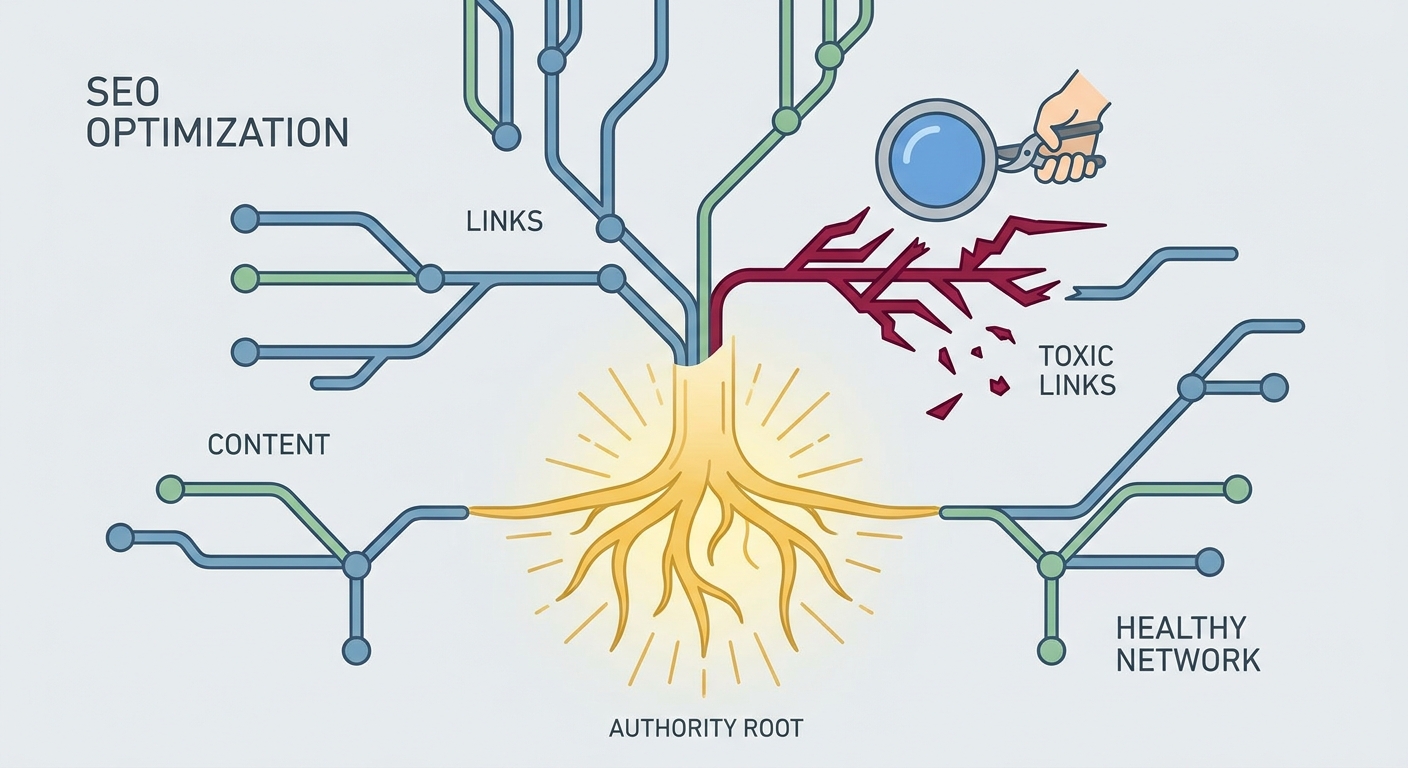
- Regular audits spot bad links before they tank your rankings.
- Strategy shifts are key; seo ain't static, y'know? For instance, if you notice a surge in toxic links from a particular source, you might shift your strategy to focus more on outreach to high-authority sites or disavowing those harmful links. If algorithm updates change how links are weighted, you might need to adapt your content creation or promotion tactics.
- Quality's still king, so focus on good links that last.
Next, let's talk about keeping your strategy fresh.
Conclusion: Building a Sustainable Link Building Strategy
So, you've made it this far – congrats! But don't just pat yourself on the back and walk away; let's talk about keeping this link-building engine humming for the long haul.
- Diversify, diversify, diversify: Don't put all your eggs in one basket, y'know? Mix up your link sources, from guest posts to resource pages. A varied backlink profile looks way more natural to Google.
- Quality over quantity is still king, even though it sounds cliché. A few high-authority links are worth way more than a mountain of spammy ones.
- Stay agile: Seo changes faster than my uncle's mood, so keep learning and tweaking your approach. What works today might not work tomorrow.
Consider it like this: a healthcare startup might initially focus on guest posting on medical blogs, but they should also aim for links from university research pages or industry associations to build a robust, credible profile. Now, go forth and build some lasting links!