10 Reliable Link Acquisition Strategies for Your Website


TL;DR
- This article covering ten proven ways to get high quality backlinks that actually move the needle for your domain authority. We look at everything from guest post outreach and digital pr to broken link building and content partnerships. You will learn how to scale your seo efforts without getting hit by google penalties while building real brand authority in the b2b tech space.
Introduction to Moderne Link Acquisition
Ever wonder why some startups just seem to "pop" on Google while others, with maybe better products, stay buried on page ten? Honestly, it usually comes down to who’s talking about them—aka, their backlink profile.
If you're running a company, you probably think about your product 24/7, but google still sees links as one of the biggest "votes of confidence" you can get. It’s not just about getting any link though; there is a massive difference between a shout-out from a reputable industry site and some weird, spammy directory.
- Ranking Power: Links are a top signal for search engines. Without them, even the best content sits in a vacuum.
- Domain Authority: Getting high-quality links from places like healthcare journals or finance blogs builds your site's "reputation" score.
- Quality vs. Spam: One link from a site with real traffic is worth way more than 100 links from "link farms."

I've seen founders spend thousands on ads when a few solid guest posts or a digital PR campaign could've built permanent organic traffic. For instance, a retail startup getting mentioned in a gift guide creates a "snowball effect" for their DA.
Anyway, it's a long game, but worth the effort. Next, we're gonna look at how to actually find these link opportunities without losing your mind.
1. Guest Post Outreach with a Twist
Look, we all know the old-school way of guest posting. You send a dry email to a site owner, they ignore you, and you repeat until you're questioning your life choices. Honestly, it’s a grind. But if you're building a content-based business, you gotta find partners who actually have real people reading their stuff.
The "twist" here isn't just writing an article; it's about building a relationship where the link feels like a natural byproduct of a good conversation. Most b2b saas blogs are tired of seeing the same ai generated pitches that sound like a robot had a mid-life crisis.
- Hunt for real traffic: Don't just look at a site's "Domain Authority." Use tools to see if they actually have humans visiting. A link from a site with a lower score but 10k monthly readers is way better for brand authority building than a "high DA" ghost town.
- Write like a human: Your pitch should mention a specific article they wrote that you actually liked. Tell them why it mattered. If you sound like a real person, your response rate will literally double.
- Go long-form: Short 500-word posts are kind of useless now. Google loves "10-time-better content." Aim for deep dives that solve a specific problem in retail, finance, or healthcare.

I've seen this work wonders in the healthcare space. A startup founder wrote a massive, data-backed guide on patient privacy for a major medical tech blog. They didn't just get a backlink; they got three high-value leads because the content was actually useful.
Anyway, you can't just rely on others to host your content. Sometimes, you gotta find the "broken" parts of the web to get ahead. Next, we're diving into how to fix other people's mistakes for your own gain.
2. The Broken Link Building Method
Ever found a link on a site you love that just goes... nowhere? It's annoying for you, but for a site owner, it's a "broken" opportunity you can totally exploit.
Broken link building is basically playing the hero. You find dead links on other people's sites, let them know their content is busted, and then suggest your own (working) link as the perfect replacement.
- Hunt for the dead: Use tools to scan high-authority sites in your niche for 404 errors. You're looking for external links that used to point to a guide or study that no longer exists.
- Be the better option: You can't just ask for a link; you gotta earn it. If you find a dead link to an old "Guide to Retail Trends," make sure your replacement content is actually better.
- The "Helpful" Pitch: When you reach out, don't be salesy. Just say, "Hey, I was reading your post and noticed this link is broken—thought you'd want to know! I actually wrote something similar if you need a fresh resource."

I've seen this work great in the saas space—someone found a dead link to a defunct api doc and swapped it for their own updated tutorial. It's a win-win.
Anyway, fixing other people's mistakes is fun, but sometimes you just want to get your brand mentioned in the big leagues. Next, we're looking at how to use digital pr to grab those high-tier links.
3. Digital PR and Newsjacking
Ever feel like you're shouting into a void with your content while the "big guys" get all the headlines? Honestly, digital pr is just a fancy way of saying "getting people with big audiences to talk about you," and it’s way more effective than begging for links.
Newsjacking is basically jumping on a trending topic before the dust settles. If a big change hits the finance or healthcare world, you want to be the one providing the "what now?" perspective to journalists.
- Use help a reporter out (haro): This tool is a lifesaver. Journalists from huge outlets post queries looking for expert quotes, and if you give them a solid, non-salesy insight, you get a high-quality backlink in return.
- Data is king: Reporters love original stats. If you can run a quick survey in the retail space and find a weird trend, you’ll get way more bites than just writing another "how-to" guide.
- Speed matters: You gotta be fast. If you wait three days to comment on a viral tech story, you've already missed the train.

I've seen a small b2b saas firm grab a link from a major news site just by explaining how a new privacy law affected small shops. They didn't pitch their product; they pitched their knowledge.
Anyway, if you can't find a news story to jump on, you can always look for partnerships. Next, let’s talk about how to trade links without getting caught by the google police.
4. Strategic Link Exchange Programs
Ever feel like everyone is just shouting into the void for links? Honestly, link exchanges get a bad rap because people do them so poorly, but when you treat it like a real partnership, it actually works.
- Quality Control: You don't want a link from a site that looks like it was built in 1998.
- Niche Relevancy: A link from a pet grooming blog doesn't help your b2b saas company.
- Safety First: Keeping your link profile clean from spam is a full-time job.
Google isn't stupid. If Site A links to Site B, and Site B links back to Site A, it’s a "reciprocal" link. Do too many of these, and you're asking for a penalty. The trick is the three-way exchange.

By adding a third or fourth site into the mix, the "footprint" disappears. It looks like natural discovery rather than a "you scratch my back, I'll scratch yours" deal.
Anyway, keeping things clean is the goal. Next, we're gonna look at how to get your brand mentioned on resource pages.
5. Resource Page Link Building
Ever found a page on a site that’s just a massive list of "helpful links" for people in your industry? Honestly, those are goldmines for link acquisition, even if they look a bit like a 2005 directory.
Resource page link building is basically finding these "best of" lists and convincing the owner that your tool or guide belongs there. It’s a win for them because their list stays fresh, and a win for you because you get a high-authority backlink.
- Advanced Search Operators: Stop just googling. Use strings like
intitle:resources "retail"orkeyword "useful links"to find the real targets. - Pitching the Gap: Don't just ask for a link. Tell them, "Hey, I noticed your healthcare resources list is great, but it’s missing a guide on patient data privacy—I actually just wrote one."

I've seen a finance startup get on a "Top Tools for Small Biz" page just by offering a free invoice template. They didn't even pay; they just provided something the webmaster was too lazy to make.
Anyway, if you can't find a page to join, you might have to build a real relationship. Next, we’re looking at content partnerships.
6. Content Partnership Management
Ever feel like you’re just screaming into a void trying to get other sites to notice your content? Honestly, the "spray and pray" email method is dead, and content partnership management is what actually moves the needle for b2b brands these days.
- Co-marketing webinars: You team up with a non-competing brand to host a talk. You both link to the registration page and the follow-up "key takeaways" post.
- Editorial mutual support: If you’re writing a deep dive into healthcare tech, you mention a partner's study. They do the same for you next month.
- Whitepapers and Data: Sharing the "cost" of original research is huge. You both get to claim the data, and you both get the backlinks when other sites cite the report.

I've seen this work wonders for a finance startup that teamed up with a legal blog to explain new tax laws. They didn't just get a link; they got a constant stream of referral traffic because the content was actually useful.
Anyway, partnerships take time to bake. If you want something a bit more "instant," you might look at directories. Next, we're looking at how to use directory submissions for tech.
7. Directory Submission Services for Tech
Ever feel like your tech startup is the best-kept secret on the internet? Honestly, it’s frustrating when you've built something cool but nobody can find it because you're buried under a mountain of noise.
Directory submission is often seen as "old school," but for tech and b2b saas, it’s still a solid way to grab those early "votes of confidence" from the web.
- The Big Three: Get on G2, Clutch, and Capterra. These sites have massive domain authority and actually send referral traffic that converts.
- Niche Tech Hubs: Sites like Product Hunt or BetaList are great for that initial spike in visibility and getting early adopter feedback.
- Local Citations: If you're a b2b firm with a physical office, local directories still matter for showing search engines you're a real, legitimate business.

I've seen founders waste weeks on "link farms" that do nothing but hurt their rankings. Focus on quality over quantity, always.
Anyway, directories are just the baseline. Next, we're looking at how to build the "tallest" content on the web with the Skyscraper Technique.
8. Skyscraper Technique 2.0
Ever feel like you’ve written the "ultimate guide" to something, only to see some mediocre post from 2019 still sitting at the top of google? Honestly, it’s enough to make you want to throw your laptop out a window.
The Skyscraper Technique 2.0 isn't just about writing more words than the other guy; it’s about actually being better in a way that search engines can't ignore.
- Analyze the Gaps: Look at the top 3 results for your keyword. Are they missing data? Is the design ugly? Find the "weak spot" and exploit it.
- Visual Superiority: People eat with their eyes first, and so do algorithms (sort of). If the current top post is a wall of text, make yours a visual masterpiece with infographics and custom charts.
- The "User Intent" Fix: Sometimes a post ranks because it has links, but it doesn't actually answer the person's question. If you provide a better "answer", you’ll eventually steal that spot.

I've seen this work wonders for a small retail blog that took an old "Top 10" list and turned it into a "Top 50" with live pricing data. They didn't just get a backlink; they became the new industry standard.
Anyway, having great content is only half the battle. Next, we're looking at how to reclaim links that you've already earned but lost.
9. Link Reclamation and Audit
Ever found a link on a random blog that used to point to your site but now just hits a 404 page? Honestly, it’s like leaving money on the sidewalk—you gotta pick it up before someone else does.
Link reclamation is basically the art of getting back what was already yours. When you move pages around or change a brand name, links often break.
- Unlinked brand mentions: Sometimes people talk about your startup in a finance or retail article but forget to actually link to you. A quick, friendly email can turn that mention into a high-value backlink.
- Site migration cleanup: If you recently moved from a ".io" to a ".com", some of those old backlinks might be pointing to dead ends.
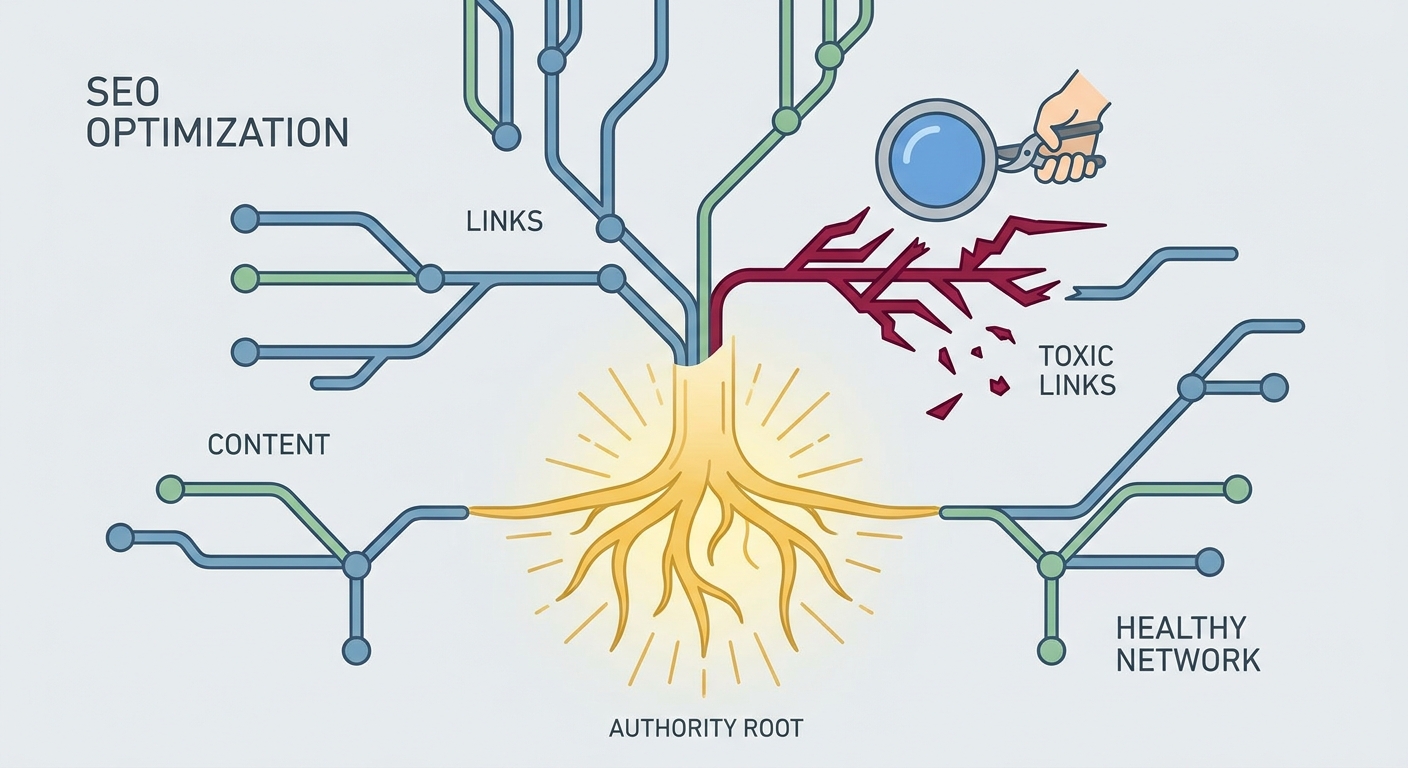
- Audit for quality: You should be checking your profile regularly to make sure you aren't being targeted by "link farms" or weird spam sites that can tank your rankings.

I've seen a retail founder reclaim ten high-authority links just by searching for their old company name after a rebrand. It’s way easier than writing a new guest post from scratch, trust me.
Anyway, once your current links are solid, you might want to start thinking about social signals. Next, we're looking at how community outreach helps your seo.
10. Social Signals and Community Outreach
Ever think you’re shouting into a void on social media while your competitors somehow get all the love? Honestly, it’s not just about getting likes; it’s about making enough noise that the people who actually own websites start noticing you.
- Reddit and niche groups: Don't just spam your link. Go into subreddits for finance or retail and actually answer questions. If your guide is the "holy grail" of answers, someone will eventually cite it in a real article.
- linkedin for the win: This is where the b2b editors hang out. If you share a spicy take on saas growth, you might get a dm from a journalist looking for a quote.
- Social signals: While social shares aren't a direct ranking factor, they create "brand footprints" that make you look like a real authority to search engines.

I've seen a retail brand use Pinterest to drive 5k hits a month, which eventually led to a massive backlink from a major lifestyle blog. They didn't even ask for it; the blogger just found their pin and loved the data.
Anyway, once you've got people talking, you need to make sure you're keeping up with the tech. Next, we're looking at how ai and voice search are changing the game.
11. The Future: AI and Voice Search
The way people find stuff is changing fast. With ai tools like ChatGPT and voice assistants like Alexa, people aren't just typing keywords anymore; they're asking full questions. This changes how we think about link acquisition because these ai models look for authoritative "sources" to cite in their answers.
- Conversational Content: You need to write content that answers "Who, What, Where, and How" naturally. If an ai sees your site as the definitive answer to a question, it's more likely to recommend you.
- Schema Markup: Using technical "labels" on your site helps search engines and ai understand exactly what your content is about.
- Authority is Everything: AI models are trained on high-quality data. Getting links from established, trusted sites is now more important than ever because it proves to the ai that you're a reliable source of info.
Anyway, once you've mastered the tech, you gotta make sure it's actually paying off. Next, we're looking at how to measure your link building roi.
Conclusion: Measuring your Link Building ROI
So, you’ve spent months chasing links and begging editors for a guest spot. Now you gotta ask: was it actually worth the sweat? Honestly, if you aren't tracking the right numbers, you're just throwing spaghetti at a wall.
Measuring ROI isn't just about watching your domain authority (da) climb a few points. It’s about connecting those new backlinks to actual business growth—like more leads in healthcare or higher sales for a retail shop.
- Monitor Referral Traffic: Check your analytics to see if people are actually clicking those links. A link from a finance blog that sends 500 visitors is way better than a "high authority" site that sends zero.
- Correlate with Rankings: If you get a big link and your target page jumps from page 3 to page 1, that’s your ROI right there.
- Watch the snowball: Good links tend to attract more links naturally over time.

I remember a saas founder who was obsessed with getting 50 links a month. We realized only 5 of those were actually driving traffic. Once they pivoted to quality, their actual revenue doubled even though they were getting fewer links.
Anyway, don't get lost in the "vanity metrics." If the links don't lead to more eyes on your content or more money in the bank, it's time to rethink the strategy. It’s a marathon, not a sprint, so keep an eye on the long-term trend. Building a solid backlink profile takes time, but once that momentum starts, it's the best way to stay on top of the search results for years to come.